

If you keep chickens, you probably want to feed them your kitchen scraps. It’s a great way to reduce waste and give your birds tasty treats.
But did you know some common kitchen scraps can actually harm your chickens? Feeding them the wrong foods can make them sick or even be dangerous. You want to keep your flock healthy and happy, right? That’s why it’s important to know exactly what scraps to avoid.
Keep reading to discover which kitchen leftovers can be risky for your chickens and how to feed them safely. Your birds will thank you!
Credit: bitchinchickens.com
Toxic Fruits And Vegetables
Not all kitchen scraps are safe treats for your chickens. Some fruits and vegetables contain toxins that can harm their health or even be fatal. Knowing which ones to avoid helps you keep your flock happy and safe.
Avocado Pitfalls
Avocado is often a favorite in many households, but it’s a big no-no for chickens. The skin, pit, and leaves contain a toxin called persin, which can cause heart damage in birds.
Even small amounts can lead to respiratory trouble or sudden death. If you want to share avocado with your flock, it’s best to skip it entirely to avoid any risk.
Onions And Garlic
Onions and garlic might add flavor to your meals, but they’re harmful to chickens. These vegetables contain compounds that can damage their red blood cells, leading to anemia.
Feeding your chickens onions or garlic can cause weakness and lethargy. Have you noticed your birds acting unusually tired? It might be time to rethink what scraps you’re offering.
Green Potato Dangers
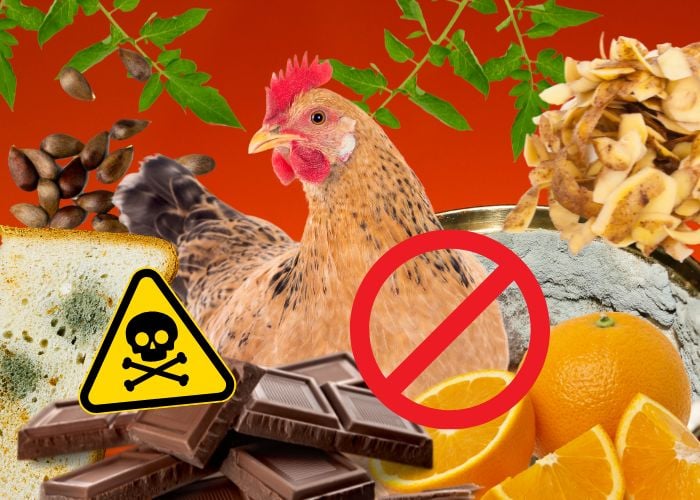
Potatoes that have turned green or sprouted contain solanine, a toxic substance for chickens. This can cause digestive upset, neurological problems, or even death.
Always check potatoes carefully before feeding them to your flock. Peel and cook them thoroughly, but if they’re green, toss them out.
Rhubarb Leaves Risks
Rhubarb stalks can be okay in small amounts, but the leaves are toxic to chickens. They contain oxalic acid, which can cause kidney failure and other serious health issues.
Never feed rhubarb leaves to your birds, even accidentally. It’s one of those kitchen scraps that can seem harmless but is actually dangerous.
Harmful Grains And Seeds
Some grains and seeds in kitchen scraps can harm chickens. They contain toxins or compounds that affect chickens’ health. Knowing which grains and seeds to avoid keeps chickens safe and healthy.
Raw Beans
Raw beans have a toxin called lectin. It can cause stomach pain and sickness in chickens. Cooking beans removes this toxin. Always avoid feeding raw or undercooked beans to chickens.
Apple Seeds
Apple seeds contain cyanide, a harmful chemical. A few seeds might not hurt much, but many can be dangerous. Remove all seeds before feeding apples or apple scraps to chickens.
Cherry Pits
Cherry pits also hold cyanide. Chickens should never eat whole cherry pits. Crushing or removing pits prevents poisoning. Feed only the flesh of cherries, not the seeds inside.
Dairy And Processed Foods To Skip
Dairy and processed foods often seem like convenient scraps to toss to your chickens, but they can cause more harm than good. These items might upset their digestive systems or introduce unhealthy ingredients. Understanding which dairy and processed foods to avoid keeps your flock healthy and happy.
Milk And Cheese Issues
Chickens are lactose intolerant, meaning they can't properly digest milk or cheese. Feeding these can lead to diarrhea and stomach discomfort.
Even small amounts of dairy can upset their gut health. If you want to offer calcium, crushed eggshells or oyster shells are much safer options.
Have you noticed your chickens acting sluggish or having loose droppings after dairy scraps? That’s a clear sign to skip milk and cheese next time.
Salty And Sugary Snacks
Processed snacks like chips, crackers, or candy contain high levels of salt and sugar, which are harmful to chickens.
Salt can cause dehydration and kidney problems, while sugar disrupts their natural diet and can lead to obesity.
Instead of tossing these treats, think about fresh veggies or grains that support their health and energy.
What’s your experience with feeding treats to chickens? Have you seen changes in their behavior after processed foods?
Other Hazardous Items
When feeding chickens, some kitchen scraps pose health risks. These hazardous items can harm their well-being. It's crucial to understand which scraps should never reach your flock. Below are some specific items to avoid.
Chocolate Toxicity
Chocolate contains theobromine, harmful to chickens. Even small amounts can be toxic. It affects their nervous system and heart. Chocolate consumption can lead to serious health issues. Always keep chocolate away from your chickens.
Caffeine Effects
Caffeine is another substance chickens should not consume. Found in coffee, tea, and soda, it can overstimulate their systems. It may cause agitation and increased heart rates. These effects can be dangerous for your birds.
Moldy Or Rotten Scraps
Moldy or rotten food is unsafe for chickens. It can contain harmful toxins and bacteria. These can lead to illness and digestive problems. Always offer fresh and safe scraps to maintain their health.
Safe Alternatives For Kitchen Waste
Choosing safe kitchen scraps for chickens helps keep them healthy. Not all leftovers suit their diet. Some scraps can harm or upset their digestion. Knowing safe alternatives lets you feed your chickens wisely. These options reduce waste and nourish your flock well.
Vegetable Peels
Vegetable peels are gentle on chickens’ stomachs. Carrot, cucumber, and potato peels make good snacks. Avoid peels from onions, garlic, or raw potatoes. Always wash peels to remove dirt and chemicals. Chop them into small pieces for easy eating.
Fruit Scraps
Fruit scraps like apple cores and banana peels are safe treats. Remove seeds from fruits like apples or pears. Citrus peels can be given in small amounts. Avoid scraps from avocados or unripe tomatoes. Fruit scraps add vitamins and moisture to their diet.
Grain Leftovers
Cooked rice, oats, and barley are excellent grain leftovers. Bread can be offered but in moderation and without mold. Avoid raw beans or grains that are hard to digest. Grains provide energy and help chickens stay active. Always ensure leftovers are fresh and clean.
Credit: www.thehappychickencoop.com
Tips For Feeding Chickens Safely
Feeding chickens kitchen scraps can be a great way to reduce waste and provide extra nutrition. Safety must be a priority to keep chickens healthy and happy. Follow these tips to feed them the right way.
Portion Control
Offer small amounts of scraps daily. Too much food can upset their digestion. Balance scraps with their regular feed. Overfeeding scraps may reduce their appetite for nutritious feed. Keep treats under 10% of their total diet.
Avoiding Cross-contamination
Use clean containers for scraps. Remove leftover food quickly to stop mold growth. Wash hands and utensils before handling chicken food. Avoid feeding spoiled or moldy scraps. Keep feeding areas dry and clean to prevent bacteria.
Monitoring Chicken Health
Watch chickens for changes in behavior or droppings. Stop feeding new scraps if chickens show illness signs. Regularly check their weight and feather condition. Consult a vet if health problems appear. Healthy chickens lay better eggs and grow well.

Credit: www.fresheggsdaily.blog
Frequently Asked Questions
What Kitchen Scraps Are Toxic To Chickens?
Chickens should avoid avocado, onion, garlic, and raw potato scraps. These contain toxins harmful to their health. Avoid feeding moldy or spoiled food as well.
Can Chickens Eat Citrus Fruit Peels?
No, citrus peels are acidic and can upset chickens' digestive systems. Limit citrus scraps to small amounts or avoid peels altogether.
Are Bread And Pasta Safe Kitchen Scraps For Chickens?
Bread and pasta are safe but should be given in moderation. They lack nutrients and can cause obesity if overfed.
Why Should Chickens Avoid Raw Beans And Legumes?
Raw beans contain lectins, which are toxic to chickens. Always cook beans and legumes before feeding them to your flock.
Conclusion
Feeding chickens the right scraps keeps them healthy and happy. Avoid giving them harmful foods like onions, chocolate, or raw beans. Stick to safe kitchen scraps like vegetable peels and bread in small amounts. Always watch your chickens after feeding new foods.
A little care helps your flock grow strong and lively. Safe feeding makes chicken care easier and more rewarding. Keep learning and enjoy raising healthy chickens every day.