
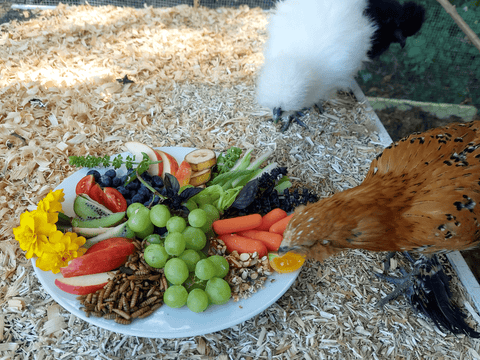
Have you ever wondered what kitchen scraps are safe and healthy to feed your chickens? Feeding your flock the right scraps not only reduces waste but also keeps your chickens happy and well-nourished.
But with so many options, it’s easy to get confused about what’s good for them and what could harm them. You’ll discover exactly which kitchen leftovers make perfect treats for your chickens—and which ones to avoid. Keep reading to learn how to turn your everyday food waste into tasty, nutritious meals for your feathered friends.
Safe Vegetable Scraps
Chickens enjoy a variety of vegetable scraps that are safe and healthy for them. Feeding the right vegetable scraps helps keep chickens happy and strong. It also reduces food waste in your kitchen. Some vegetables offer important vitamins and minerals essential for their growth. Always avoid spoiled or moldy scraps to protect their health.
Leafy Greens
Leafy greens are a favorite for chickens. They provide vitamins A, C, and calcium. You can feed them:
- Kale
- Spinach
- Lettuce (avoid iceberg)
- Swiss chard
- Collard greens
These greens are easy to digest and encourage natural foraging behavior. Cut leaves into small pieces for easier eating. Avoid any greens with pesticides or chemicals.
Root Vegetables
Root vegetables are rich in nutrients and energy. Chickens enjoy nibbling on them. Safe root vegetables include:
- Carrots
- Beets (tops and roots)
- Turnips
- Parsnips
Chop roots into bite-sized pieces. Cook harder roots to make them softer. Raw or cooked roots both work well. Avoid potatoes as they can be toxic if green or sprouted.
Squash And Pumpkins
Squash and pumpkins are excellent treats for chickens. They provide hydration and fiber. Safe options are:
- Butternut squash
- Acorn squash
- Pumpkin flesh
Remove seeds before feeding. Cut into small chunks or mash for easier eating. These vegetables support good digestion and add variety to their diet.
Credit: www.theguardian.com
Fruit Scraps Chickens Enjoy
Chickens love fruit scraps. These treats add vitamins and moisture to their diet. Fruit scraps also keep chickens happy and curious. Many common fruits are safe and tasty for chickens. Offering a variety of fruits helps balance their nutrition.
Berries And Melons
Berries like strawberries, blueberries, and raspberries are sweet and nutritious. They contain antioxidants and vitamins. Melons such as watermelon, cantaloupe, and honeydew are juicy and refreshing. Chickens enjoy pecking at melon rinds and soft flesh. Cut fruits into small pieces for easy eating.
Apples And Pears
Apples and pears are crunchy and full of fiber. Remove seeds and cores before feeding. These fruits provide energy and help digestion. Chickens often peck at apple slices quickly. Pears are softer, making them a gentle treat. Both fruits can be fed fresh or slightly wilted.
Citrus Fruits
Citrus fruits like oranges, lemons, and grapefruits offer vitamin C. Chickens enjoy the tangy taste but in small amounts. Too much citrus can upset their stomach. Peel the fruit and cut into bite-sized pieces. Avoid feeding citrus seeds or rinds as they may be bitter.
Grains And Bread
Grains and bread are common kitchen scraps that can be a nutritious treat for your chickens. They provide energy and some essential nutrients, making them a popular choice among poultry keepers. However, not all grains and bread are created equal, so understanding what to feed and what to avoid is important for your flock’s health.
Cooked Rice And Pasta
Cooked rice and pasta are safe and tasty options for your chickens. They are easy to digest and provide a good source of carbohydrates. Just make sure these are plain, without added salt, sauce, or seasoning, as those can upset your chickens’ digestive systems.
I once fed my chickens leftover plain rice, and they gobbled it up instantly. It kept them happy and energetic throughout the day. Have you noticed how chickens seem to love soft, easy-to-eat grains?
Whole Grain Bread
Whole grain bread is a better choice than white bread because it contains more fiber and nutrients. You can tear it into small pieces and offer it as a treat. Make sure it’s fresh or only slightly stale—avoid bread with added seeds or nuts that might be hard to digest.
When I switched to whole grain bread for my flock, I saw them peck with more enthusiasm. It’s a simple swap that adds value to their diet without extra cost.
Avoiding Moldy Bread
Moldy bread should never be fed to chickens. Mold can produce toxins harmful to their health, leading to illness or even death. Always check bread scraps carefully, and discard any that look discolored, fuzzy, or smell off.
Once, I accidentally fed moldy bread to a hen, and she became sick quickly. That experience reminded me to be extra cautious. Would you risk your chickens’ health for a few scraps?
Protein-rich Scraps
Protein is essential for your chickens' growth, feather development, and egg production. Feeding them protein-rich kitchen scraps can boost their health and keep them energetic. But not all scraps are equal—knowing which ones provide the best benefits makes a big difference.
Cooked Eggs
Cooked eggs are a fantastic source of protein for chickens. Scrambled or hard-boiled eggs can be given as a treat and are easy for chickens to digest. Just make sure the eggs are fully cooked to avoid any risk of salmonella.
I once fed my hens leftover scrambled eggs, and they gobbled them up eagerly, showing how much they enjoy this protein boost. Have you tried giving your chickens eggs back? It’s a great way to recycle kitchen waste and feed them well.
Meat And Fish Leftovers
Leftover meat and fish can be a valuable protein source, but avoid giving raw scraps to prevent illness. Cooked chicken, beef, or fish scraps can add variety to their diet and encourage natural foraging behavior. Remove any bones to keep your chickens safe.
When my chickens got a taste of leftover grilled fish, they became noticeably more active, which shows how effective these scraps are. What protein-rich leftovers do you usually have that your chickens might enjoy?
Legumes And Beans
Cooked legumes and beans like lentils, chickpeas, and black beans are packed with protein and fiber. Make sure they are fully cooked, as raw or dried beans can be toxic to chickens. These plant-based proteins are a great alternative for a balanced diet.
Offering cooked beans once a week added variety to my flock’s meals and improved their feather quality. Could adding legumes to your chickens’ scraps be the missing piece for healthier birds?
Scraps To Avoid
Feeding your chickens kitchen scraps can be a great way to reduce waste and provide them with tasty treats. However, not all scraps are safe. Some foods can harm your flock or upset their digestion. Knowing which scraps to avoid is just as important as knowing what you can feed them.
Toxic Foods
Some common kitchen scraps are toxic to chickens and should never be given. Avoid feeding your birds anything containing raw potatoes, avocado, chocolate, caffeine, or onions. Even small amounts can cause serious health problems or be fatal.
I once unknowingly fed avocado peel to my chickens. Within hours, they became lethargic and stopped eating. It was a scary lesson in why knowing toxic foods matters.
Salty And Processed Items
Chickens don’t need extra salt or processed foods. Items like chips, crackers, or leftover fast food can dehydrate and sicken your flock. Their bodies aren’t designed to handle high sodium or preservatives found in these scraps.
Instead, stick to fresh, natural scraps. If you want to treat your chickens, raw vegetables or fruit are a much better choice.
Spoiled Or Moldy Scraps
Never feed your chickens anything that looks spoiled or moldy. Mold can produce toxins that cause serious illness or death in birds. Even if the food looks fine on the outside, trust your nose—if it smells off, toss it out.
I learned this the hard way when I gave my chickens some old bread that looked okay but smelled sour. Several birds got sick, and I had to call the vet. It’s better to waste a bit of food than risk your chickens’ health.

Credit: m.youtube.com
Feeding Tips And Safety
Kitchen scraps like vegetable peels, fruit leftovers, and grains make healthy treats for chickens. Avoid feeding them onions, garlic, or anything moldy to keep them safe. Always offer scraps in small amounts to prevent digestive problems.
Feeding your chickens kitchen scraps is not only economical but also a fun way to reduce waste. However, ensuring their safety and health is paramount. Let’s explore some essential tips to keep your flock happy and thriving.
Portion Control
Feeding chickens is all about balance. Too many scraps can lead to an unbalanced diet, impacting their health. Start by adding small amounts of kitchen scraps to their regular feed and observe how they respond. An overfed chicken can become overweight, affecting egg production. Adjust the portions based on the number of chickens you have. Remember, moderation is key to a healthy flock.
Introducing New Foods
Chickens are curious creatures but cautious eaters. Introduce new foods gradually to prevent digestive issues. Offer new scraps alongside familiar ones to encourage them to try it. Observe their behavior and preferences. If they seem hesitant, try mixing the new food with something they already enjoy. This method will help you identify their favorites and avoid potential allergies.
Maintaining Clean Feeding Areas
A clean feeding area is essential for your chickens’ health. Leftover scraps can attract pests and harbor bacteria, posing a threat to your flock. Regularly clean the feeding area to prevent contamination. Consider using trays or shallow dishes for scraps. This not only keeps the area tidy but also makes cleanup easier. A clean environment ensures your chickens are safe and happy. Have you ever noticed how your chickens react to different scraps? Observing their behavior can provide valuable insights into their preferences and health. Your attention to these details can make all the difference in maintaining a happy and healthy flock.
Credit: bitchinchickens.com
Frequently Asked Questions
What Kitchen Scraps Are Safe For Chickens To Eat?
Chickens can eat vegetable peels, fruit scraps, grains, and cooked rice. Avoid onions, garlic, and citrus. Provide scraps in moderation for a balanced diet.
Can Chickens Eat Bread Or Pasta Leftovers?
Yes, chickens can eat bread and pasta in small amounts. Avoid moldy or heavily salted leftovers to prevent health issues.
Which Kitchen Scraps Should Be Avoided For Chickens?
Avoid feeding chickens raw potato peels, avocado, chocolate, and spoiled food. These can be toxic or cause digestive problems.
How Often Should I Feed Chickens Kitchen Scraps?
Feed scraps as a treat, not a meal replacement. Limit to 10% of their daily diet to maintain nutrition balance.
Conclusion
Feeding chickens kitchen scraps saves money and reduces waste. Chickens enjoy many vegetable peels, fruit leftovers, and cooked grains. Avoid giving them anything spoiled, salty, or toxic like onions and chocolate. Always offer fresh water alongside their treats. A balanced diet keeps chickens healthy and happy.
Small scraps make great treats but should not replace their main feed. Giving safe kitchen scraps helps your chickens grow strong and lay good eggs. Try feeding them leftovers carefully and watch them thrive. Simple, natural foods support your flock’s well-being every day.