

Have you ever wondered what kitchen scraps are safe and healthy to feed your chickens? Knowing exactly what your feathered friends can eat not only helps reduce food waste but also keeps your chickens happy and healthy.
You'll discover which everyday leftovers from your kitchen can become tasty treats for your flock—and which ones you should avoid. Keep reading to learn how to make the most of your scraps while giving your chickens the best diet possible.
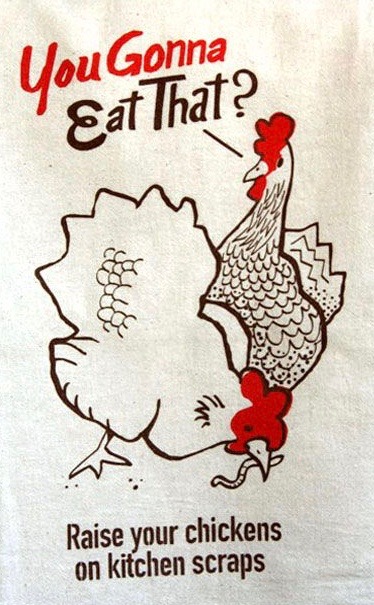
Credit: bitchinchickens.com
Safe Kitchen Scraps For Chickens
Chickens enjoy many kitchen scraps that keep them healthy and happy. Choosing safe scraps helps avoid health problems. Not all kitchen waste suits chickens. Some foods may harm or upset their digestion. Knowing which scraps are safe allows you to feed your hens confidently. Here are some safe kitchen scraps that chickens love to eat.
Fruits Suitable For Hens
- Apples (remove seeds)
- Bananas
- Blueberries
- Strawberries
- Melons
- Peaches (without pits)
Fruits provide vitamins and natural sugars. Cut them into small pieces for easy eating. Avoid citrus fruits as they can upset the stomach.
Vegetables Chickens Enjoy
- Carrots
- Peas
- Cucumber
- Spinach
- Broccoli
- Squash
Vegetables add fiber and nutrients to their diet. Chop them finely to help hens eat faster. Avoid onions and raw potatoes, which can be harmful.
Grains And Bread Options
- Cooked rice
- Oatmeal (plain)
- Whole wheat bread (in small amounts)
- Corn
- Barley
Grains offer energy and help with digestion. Bread should be given sparingly to prevent weight gain. Avoid moldy or stale bread as it can cause illness.
Cooked Vs Raw Scraps
Cooked scraps are easier for chickens to digest. They reduce the risk of bacteria and parasites. Raw scraps keep more nutrients but may be harder to eat. Avoid raw beans and raw meat. Always remove spoiled or moldy food before feeding.

Credit: silverhomestead.com
Scraps To Avoid Feeding
Knowing what kitchen scraps to avoid feeding your chickens is just as important as knowing what they can safely eat. Some leftovers can harm their health or even be fatal. Protecting your flock means being careful with what you toss their way.
Toxic Foods For Chickens
Certain common foods are toxic to chickens and must never reach their feed bowls. Avoid giving them raw potato peels, as they contain solanine, which is poisonous. Also, stay away from avocado, especially the skin and pit, which can cause heart damage.
Chocolate and caffeine, often found in leftover desserts or drinks, are dangerous too. Even small amounts can lead to severe health issues. Always check ingredients before sharing any scraps.
Spoiled Or Moldy Scraps
Spoiled food is a breeding ground for harmful bacteria and molds that can make your chickens sick. Never feed them leftovers that smell bad or look discolored. Moldy bread or fruit can cause mycotoxin poisoning, which is often fatal.
If you’re unsure about the freshness of scraps, it’s safer to toss them out. Your chickens’ immune systems aren’t strong enough to handle spoiled food like ours can.
High-salt And Processed Items
Processed foods high in salt or preservatives are harmful to chickens. Items like chips, cured meats, or fast food leftovers can lead to dehydration and kidney problems. Avoid feeding them anything with added salt or artificial ingredients.
Instead, focus on fresh, whole scraps like vegetable peels and cooked grains. Your chickens will thank you with better health and more vibrant eggs.
Nutritional Benefits Of Kitchen Scraps
Feeding chickens kitchen scraps can be quite beneficial. These scraps offer a natural source of nutrition. They provide essential vitamins and minerals that chickens need. Scraps also help reduce waste in a household.
Vitamins And Minerals From Scraps
Kitchen scraps often contain vital vitamins like A, B, and E. These vitamins support healthy growth and egg production. Minerals such as calcium and iron are also present in many scraps. They strengthen bones and improve blood health.
Protein Sources In Leftovers
Protein is crucial for chickens’ health. Leftovers like cooked meats or beans are excellent protein sources. Protein helps in muscle development and boosts energy. Chickens need it for overall vitality and strength.
Boosting Hen Immunity
Certain kitchen scraps can enhance a hen's immune system. Garlic and onions have natural antibacterial properties. Green leafy vegetables provide antioxidants. These elements help fight off illnesses and keep chickens healthy.

Credit: fullyhealthy.com
Feeding Tips For Healthy Hens
Keeping your hens healthy means paying close attention to what and how you feed them kitchen scraps. Feeding scraps can be a great way to add variety and nutrition to their diet, but it requires careful management to avoid health issues. Here are some practical tips to help you feed your chickens scraps safely and effectively.
Portion Control And Frequency
Too many scraps can upset your hens' digestion and reduce their appetite for balanced feed. Limit scraps to about 10-15% of their daily diet to keep their nutrition balanced.
Offer scraps once or twice a day rather than free-feeding. This helps prevent overeating and keeps your hens eager for their regular feed.
Keep an eye on how your hens respond. If they seem less active or lose weight, you might need to cut back on scraps.
Introducing New Foods Safely
New foods can cause upset tummies or even be harmful if not introduced carefully. Start by offering small amounts of a new scrap and watch how your hens react over 2-3 days.
If they eat the new food without problems, you can slowly increase the portion. If you notice any diarrhea or changes in behavior, stop offering that food immediately.
Remember, some kitchen scraps like onions, garlic, and raw potato peels should never be fed to chickens. Double-check before trying something new.
Balancing Scraps With Regular Feed
Scraps are treats, not replacements for a complete feed. Your hens need a balanced diet with proteins, vitamins, and minerals that scraps alone can't provide.
Always have fresh, clean water and quality layer feed available. This ensures your hens get the nutrients they need to lay healthy eggs and stay strong.
Think of scraps as a supplement that adds flavor and variety, but not the main course. Are you feeding scraps more like treats or regular meals?
Common Mistakes When Feeding Scraps
Feeding kitchen scraps to chickens can be a great way to reduce waste and provide your flock with extra nutrients. However, many chicken keepers make avoidable mistakes that can harm their birds or reduce the benefits of these treats. Understanding these common errors will help you feed your chickens safely and effectively.
Overfeeding And Obesity Risks
Giving too many scraps can quickly lead to overweight chickens. Scraps often contain more calories and fats than their regular feed, so feeding them excessively disrupts their balanced diet.
Have you noticed your chickens becoming less active or gaining weight? That’s a sign you might be overfeeding. Keep scraps to less than 10% of their daily intake to avoid obesity and related health problems.
Ignoring Food Safety
Feeding spoiled or moldy scraps can cause serious illnesses in your flock. Always check leftovers carefully before offering them to your chickens.
Even small amounts of rotten food can trigger digestive issues or infections. You want to keep your birds healthy, so discard any scraps that smell off or show signs of decay.
Feeding Harmful Scraps Accidentally
Some kitchen scraps are dangerous or toxic for chickens, but it’s easy to feed them by mistake. Items like raw potato peels, avocado, chocolate, and onion can harm your flock.
Do you know which scraps to avoid? It’s crucial to learn and double-check before tossing food their way. If in doubt, leave it out to keep your chickens safe.
Seasonal Scraps For Year-round Feeding
Chickens enjoy a wide variety of kitchen scraps, and seasonal options keep their diet fresh and nutritious all year. Different fruits, vegetables, and leftovers appear with each season. Using seasonal scraps helps reduce food waste and provides hens with diverse flavors and nutrients. This section covers summer produce, winter kitchen waste, and tips for preserving scraps for later use.
Summer Produce For Hens
Summer brings many fresh foods that chickens love. Watermelon, cucumber, and tomatoes are juicy treats that keep hens hydrated. Squash and zucchini offer mild flavors and plenty of vitamins. Sweet corn kernels and berries add natural sugars and antioxidants. These foods boost energy and support egg production during hot months.
Winter Kitchen Waste Options
Winter scraps tend to be heartier and more filling. Root vegetables like carrots, potatoes, and beets provide warmth and nutrition. Cooked grains, rice, and pasta leftovers work well to keep hens satisfied. Citrus peels and cabbage leaves add vitamin C and fiber. Avoid giving frozen or moldy scraps to protect chicken health.
Preserving Scraps For Later Use
Saving scraps helps feed chickens even when fresh produce is scarce. Freeze fruits and vegetables in small portions for easy thawing. Dry herbs and leafy greens to keep nutrients intact. Compost tougher scraps to create rich soil for growing more chicken-friendly plants. This approach ensures a steady supply of kitchen scraps throughout the year.
Frequently Asked Questions
What Kitchen Scraps Are Safe For Chickens To Eat?
Chickens can safely eat vegetable peels, fruit scraps, cooked rice, and bread. Avoid onions, garlic, and raw potato peels. Always ensure scraps are fresh and mold-free to prevent health issues.
Can Chickens Eat Citrus Fruit Scraps?
Yes, chickens can eat citrus scraps like orange and lemon peels in moderation. Too much citrus may upset their digestion, so offer small amounts occasionally.
Are Cooked Kitchen Scraps Better For Chickens Than Raw?
Cooked scraps like pasta, rice, and vegetables are easier for chickens to digest. Raw scraps like leafy greens and fruit are also fine but avoid raw beans and potatoes.
How Often Should I Feed Chickens Kitchen Scraps?
Feed kitchen scraps as a treat, not a main diet. Offer scraps 2-3 times a week to supplement their balanced chicken feed and maintain health.
Conclusion
Feeding chickens kitchen scraps saves food and adds variety to their diet. Many scraps like vegetable peels, fruit pieces, and grains are safe and healthy. Avoid giving them anything spoiled, salty, or toxic. Offering scraps helps chickens stay happy and healthy.
Remember to balance scraps with their regular feed. Small amounts work best to keep chickens strong. This simple habit benefits both your kitchen and your flock. Keep it safe, simple, and fun for your chickens every day.