
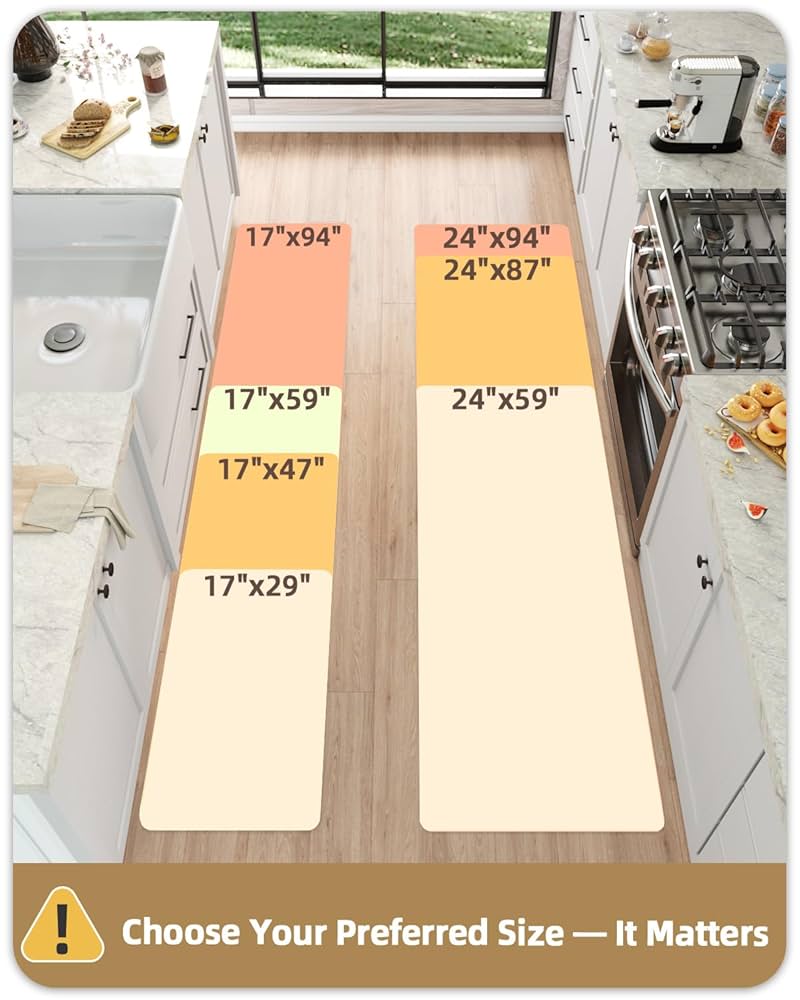
Choosing the right kitchen mat size can make a big difference in your comfort and kitchen’s look. You might wonder, “What size is a kitchen mat?” and how it fits into your space.
Picking the wrong size can lead to discomfort or even make your kitchen feel cramped. But don’t worry — this guide will help you find the perfect fit for your kitchen. Keep reading, and you’ll discover how to choose a mat that feels just right under your feet and looks great in your home.
Common Kitchen Mat Sizes
Choosing the right size for your kitchen mat can make a big difference in comfort and style. Kitchen mats come in various sizes to fit different spaces and needs. Understanding common kitchen mat sizes helps you pick the best one for your kitchen layout and daily routine.
Standard Dimensions
Most kitchen mats fall within a few common size ranges. The typical standard mat measures around 20 inches by 30 inches. This size fits well in front of sinks or stove areas where you stand the most.
If you want a little extra coverage, sizes like 24 inches by 36 inchesare popular choices. These provide more space for movement while still fitting comfortably in most kitchens.
Runner Mats
Runner mats are long and narrow, perfect for galley kitchens or narrow walkways. They usually come in sizes like 20 inches by 60 inchesor 20 inches by 72 inches. This shape protects your feet and floors along a stretch where you move frequently.
Have you measured the space between your counters or along your kitchen aisle? This will help you choose the right runner length without overcrowding the room.
Square And Rectangle Options
Square mats typically come in sizes like 24 inches by 24 inches. These work well in small kitchen spots or as accent pieces under a kitchen cart or breakfast nook.
Rectangle mats vary widely but often range from 18 inches by 36 inchesup to 24 inches by 48 inches. Their shape is flexible for placement in front of appliances, islands, or cabinets.
Think about how much floor area you want covered and how the mat’s shape will flow with your kitchen’s design. Do you prefer something compact or a mat that stretches along your workspace?
Measuring Your Kitchen Space
Measuring your kitchen space is essential before buying a kitchen mat. A well-measured mat fits perfectly and enhances comfort. It prevents tripping hazards and keeps your kitchen organized. Taking precise measurements saves money and time. It ensures the mat covers the right area without overlapping or leaving gaps.
Key Areas To Measure
Focus on the spots where you stand the most. Common areas include in front of the sink, stove, and countertops. Measure the width and length of these zones. Also, check around kitchen islands or peninsulas. Consider space for chairs if you have a breakfast bar. Note any obstacles like cabinets or appliances that affect mat size.
Tools For Accurate Measurement
Use a tape measure for clear and exact numbers. A laser measure can help in larger or awkward spaces. Keep a notepad or phone app handy to record measurements. Use a pencil to mark spots on the floor. Double-check your numbers before buying the mat.
Considering Kitchen Layout
Think about the shape and flow of your kitchen. Narrow kitchens may need long, slim mats. Open kitchens might allow for larger, square mats. Leave enough space for doors and drawers to open freely. Account for traffic paths to avoid blocking them. A mat should fit comfortably without crowding the area.
Choosing The Right Size For Function
Choosing the right size for a kitchen mat is more than just picking something that looks good. It’s about making sure the mat fits the space and supports your daily tasks comfortably. A well-sized mat can reduce fatigue, prevent slips, and even keep your kitchen cleaner.
Mats For Cooking Areas
The cooking zone needs a mat that covers enough floor to protect you while you stand for long periods. A mat around 20 to 24 inches wide and 36 to 48 inches long usually works well here. This size lets you move side to side comfortably without stepping off the mat.
If you love experimenting with meals, consider a mat with extra cushioning. It can ease pressure on your feet and knees during those long cooking sessions.
Placement Near Sink
The area in front of your sink often gets wet and slippery, so a mat here should be wide enough to cover the entire standing space. Typically, a mat 20 inches wide and 32 inches long fits well. This size helps catch drips and provides grip when you’re washing dishes or prepping vegetables.
Think about how much room you need to move side to side. Do you often reach for items on the counter? A slightly larger mat can make these movements safer.
Under Cabinets And Islands
If you have a kitchen island or extended cabinets, a runner-style mat can be a smart choice. These mats are usually 20 to 30 inches wide and can vary in length depending on your space. They allow you to stand comfortably while using multiple work zones without stepping off the mat.
Measure the length carefully, so the mat covers the main standing areas without creating tripping hazards at the edges. Have you noticed how a properly placed mat changes your kitchen flow?

Credit: www.amazon.com
Material And Thickness Impact On Size
Material and thickness affect kitchen mat size by changing how much space it covers and how it fits under cabinets. Thicker mats may feel smaller because they take up more room vertically. Choosing the right size depends on both material and thickness for comfort and fit.
The size of a kitchen mat can significantly be influenced by its material and thickness. These factors not only contribute to the mat's overall dimensions but also affect its comfort, functionality, and durability. Choosing the right combination of material and thickness is crucial to ensuring your kitchen mat fits perfectly in your space while providing optimal support.
Effect Of Cushioning
The cushioning of a mat is a key element that impacts its size. Thicker mats generally offer more cushioning, making them ideal for people who spend long hours standing in the kitchen. This additional thickness can add to the overall dimensions, so measure your space carefully to ensure a snug fit. Conversely, a thinner mat might take up less space, but can compromise on comfort. Think about how much time you spend in the kitchen and how much support you need. Is it worth sacrificing comfort for a few extra inches of floor space?
Non-slip Backing Considerations
Non-slip backing is essential for kitchen mats, especially in a busy cooking area. However, the material and design of this backing can also affect the mat's size. Some non-slip materials add to the thickness, which might not be suitable for low-clearance spaces like under a cabinet. A personal experience taught me that a mat with a bulky non-slip backing can curl at the edges if there isn't enough room. Make sure to check the specifications of the non-slip features to avoid unexpected surprises.
Durability And Maintenance
The durability of a kitchen mat often relies on its material and thickness. Heavier materials may resist wear and tear better, but they can also add bulk. If longevity is important to you, consider a mat that strikes a balance between thickness and durability. Maintenance is another aspect where material plays a critical role. Some materials require special cleaning products or techniques, which might be a hassle if you prefer low-maintenance solutions. Would you rather spend time cleaning or cooking your favorite dish? When choosing a kitchen mat, consider how the material and thickness will impact its size and functionality. Each decision affects your kitchen experience, from comfort to convenience.
Custom Vs. Ready-made Mats
Choosing between custom and ready-made kitchen mats often comes down to your space and style needs. Each option has clear advantages depending on how specific you want to get with your kitchen layout. Understanding these differences helps you pick a mat that fits perfectly and serves your daily kitchen activities well.
Benefits Of Custom Sizes
Custom kitchen mats give you the freedom to match exact dimensions of your kitchen space. You avoid the frustration of mats that are too small or too large, which can be a common issue with ready-made options.
They also allow you to choose the shape, thickness, and material based on your personal comfort and kitchen design. Imagine having a mat that fits snugly in front of your sink without slipping or bunching up. This can make standing while cooking or washing dishes much more comfortable.
Have you ever noticed how a perfectly sized mat changes the feel of your kitchen? Custom mats can truly transform your workspace by blending seamlessly with your cabinetry and floor layout.
Popular Ready-made Options
Ready-made mats come in standard sizes like 18x24 inches, 20x32 inches, and 24x36 inches. These sizes suit common kitchen setups and are widely available in stores and online.
Many people find these mats convenient because they are easy to replace and come in a variety of colors and patterns. Popular materials include foam, rubber, and woven fabric, each offering different levels of comfort and durability.
If your kitchen has typical measurements, a ready-made mat might save you time and effort. But do you think a standard size always fits your unique kitchen needs?
Cost Comparison
| Type of Mat | Average Price Range | Considerations |
|---|---|---|
| Custom Size | $50 - $150+ | Higher cost due to personalization and material choices; made to order |
| Ready-Made | $10 - $60 | Lower cost, immediate availability; limited sizes and styles |
Custom mats usually cost more because they are tailored to your exact needs. However, investing in the right size can save you from replacing mats frequently or dealing with discomfort.
Ready-made mats offer budget-friendly options but might not last as long if they don’t fit well or aren’t suited to your kitchen’s daily use. Which matters more to you—saving money upfront or getting the perfect fit?

Credit: www.amazon.com
Tips For Buying Kitchen Mats
Choosing the right kitchen mat can change the way you experience your cooking space. It’s not just about picking a pretty design; the size, safety, and maintenance all play crucial roles. Let’s look at some practical tips that help you pick a mat that fits both your kitchen and your lifestyle.
Matching Style And Size
Your kitchen mat should fit perfectly in the space where you spend most of your time standing. Measure the area carefully before buying, considering the space in front of your sink or stove. A mat that’s too small won’t provide enough comfort, while one that’s too large can become a tripping hazard.
Think about your kitchen’s style too. If your kitchen has a modern look, a sleek mat with simple colors might suit best. For a cozy, rustic kitchen, mats with warm colors or patterns can add charm. Have you noticed how a well-chosen mat can tie the entire room together?
Safety Features To Look For
Safety should never be an afterthought in the kitchen. Look for mats with non-slip backing to keep them firmly in place, especially on smooth floors. This helps prevent falls when your hands are full or wet.
Consider mats made from materials that resist moisture and stains, reducing the chance of mold or mildew. Some mats even offer cushioned support to reduce fatigue during long cooking sessions. Which safety features matter most to you?
Care And Cleaning Advice
Kitchen mats can collect spills, crumbs, and stains quickly. Choose mats that are easy to clean, either machine washable or wipeable with a damp cloth. This saves you time and keeps your kitchen hygienic.
Regularly cleaning your mat not only maintains its look but extends its life. Have you experienced how a clean, fresh mat makes your kitchen feel more inviting? Pick a mat that fits your cleaning routine without extra hassle.

Credit: www.amazon.com
Frequently Asked Questions
What Are Common Kitchen Mat Sizes?
Common kitchen mat sizes include 20x32 inches, 24x36 inches, and 30x48 inches. These sizes fit most kitchen spaces comfortably. Choosing the right size depends on your kitchen layout and the area you want to cover for comfort and safety.
How To Choose The Right Kitchen Mat Size?
Measure the area where you want to place the mat. Consider space for standing and walking. Ensure the mat does not obstruct cabinets or appliances. A well-sized mat improves comfort and safety without cluttering your kitchen.
Can Kitchen Mats Fit Small Kitchens?
Yes, kitchen mats come in compact sizes like 18x30 inches. These smaller mats provide comfort without overwhelming small kitchen spaces. Choose thinner mats to save space while still protecting your floors and reducing fatigue.
Does Kitchen Mat Size Affect Comfort?
Yes, the size influences comfort by covering enough floor area. Larger mats allow more standing space, reducing fatigue. Small mats may not provide sufficient cushioning. Pick a size that matches your cooking and standing habits.
Conclusion
Choosing the right kitchen mat size makes a big difference. It fits well and feels comfortable underfoot. Small mats work near sinks or dishwashers. Larger mats suit long counters or islands. Measure your space before buying. This helps avoid mats that are too big or small.
A good mat keeps your kitchen safe and clean. It adds a cozy touch to your cooking area. Keep these tips in mind for a perfect fit. Your kitchen will look neat and welcoming.