
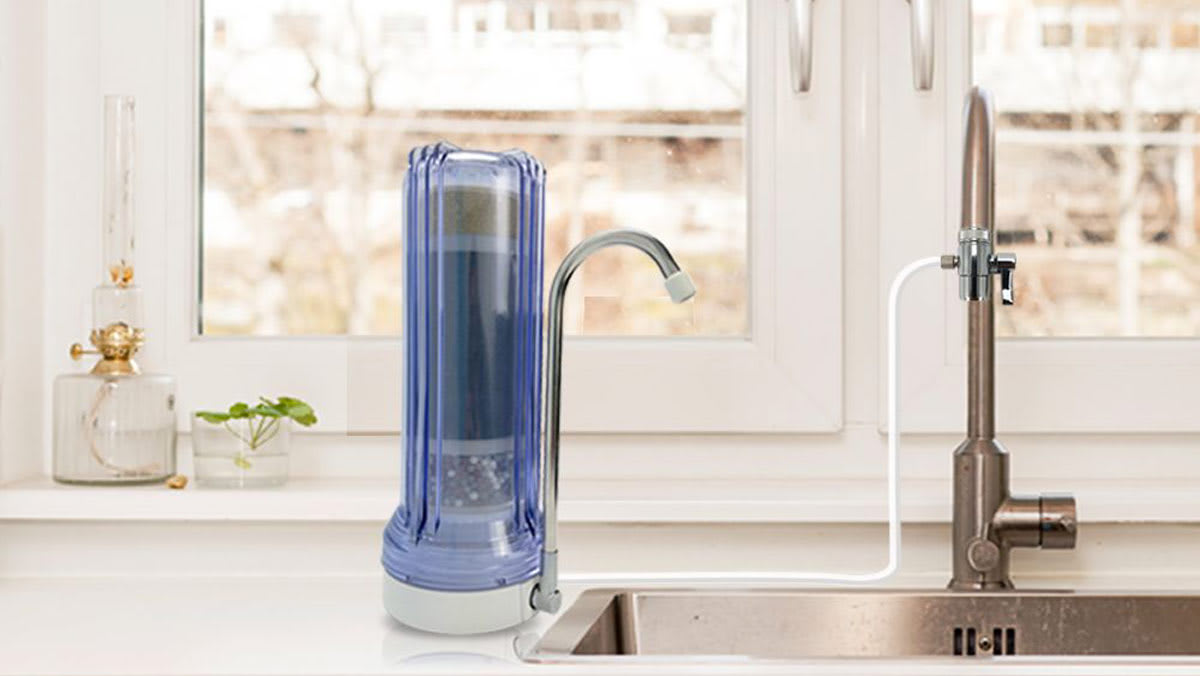
Are you tired of worrying about the quality of the water coming from your kitchen sink? You deserve clean, safe water every time you turn on the tap.
Choosing the best water purifier for your kitchen sink isn’t just about convenience—it’s about protecting your health and improving the taste of your water. You’ll discover simple, effective options that fit your needs and budget. Keep reading to find out how you can easily upgrade your kitchen with the perfect water purifier.
Types Of Water Purifiers For Kitchen Sink
Choosing the right water purifier for your kitchen sink depends on understanding the types available. Each type uses different technology to clean water. Knowing these helps pick the best fit for your needs. Some focus on removing chemicals, others on killing bacteria or filtering particles.
Here are the main types of water purifiers designed for kitchen sinks. Each type has unique features and benefits.
Reverse Osmosis Systems
Reverse osmosis (RO) systems push water through a fine membrane. This removes impurities like salts, chemicals, and heavy metals. RO systems provide very pure water. They also improve taste and odor. These systems usually require professional installation under the sink.
Ultraviolet Purifiers
Ultraviolet (UV) purifiers kill bacteria and viruses using UV light. They do not remove particles or chemicals. UV purifiers work well when water looks clean but may have germs. They need electricity to operate and are often paired with other filters.
Activated Carbon Filters
Activated carbon filters trap chlorine, bad taste, and odors. They also remove some pesticides and volatile organic compounds. These filters improve water taste and smell. They are easy to install and maintain. Many kitchen sink purifiers use carbon filters as a first step.
Gravity-based Purifiers
Gravity-based purifiers use a simple system to filter water. Water passes through layers of filters using gravity alone. These are easy to use and do not need power. They often combine carbon and other materials to clean water. These purifiers suit places without electricity.
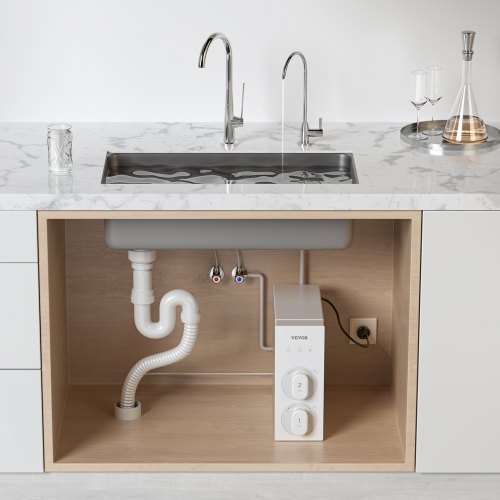
Credit: www.vevor.ca
Key Features To Consider
Choosing the best water purifier for your kitchen sink means paying attention to specific features that impact performance and convenience. You want a purifier that fits your lifestyle and water quality needs without causing hassle. Let's break down the key features you should evaluate before making a choice.
Filtration Capacity
Filtration capacity tells you how much water the purifier can clean in a day. If your household uses a lot of water, pick a purifier with a higher capacity to avoid running out of purified water. Think about your daily water consumption—do you often cook, make coffee, or prepare baby formula? These activities require consistent access to clean water.
Installation Process
Some purifiers are plug-and-play, while others need professional installation. Can you handle a simple DIY setup, or do you prefer a service call? Also, consider if your kitchen sink has enough space and compatible fittings for the purifier. A difficult installation might delay your access to clean water and add unexpected costs.
Maintenance Requirements
Ask yourself how much time and effort you're willing to spend on upkeep. Some models require regular filter cleaning or flushing, while others are low-maintenance. If you’ve ever neglected appliance care, you know how that can affect performance and water quality. Choose a purifier that fits your routine to avoid frustration.
Filter Replacement Frequency
Filters don’t last forever. Find out how often you need to replace them and the cost involved. Frequent replacements can add up, so a purifier with a longer filter life might save you money in the long run. Also, check if the replacement filters are easy to find in your area.
Water Pressure Compatibility
Not all purifiers work well with low or very high water pressure. If your home’s water pressure fluctuates, select a purifier that can handle those changes without performance loss. Have you noticed weak water flow or sudden pressure drops? This feature ensures you still get clean water without waiting or wasting it.
Top Brands In 2025
Top brands in 2025 offer reliable water purifiers for kitchen sinks that ensure clean, safe drinking water. These purifiers combine advanced filters with easy installation to fit various kitchen styles. Choosing the right model enhances water quality and supports a healthy lifestyle.
In 2025, the best water purifiers for kitchen sinks offer advanced features. These brands have gained popularity due to their reliable performance. Each brand provides unique benefits, making them stand out in the market. Let’s dive into the highlights of these top brands.
Brand A Highlights
Brand A delivers excellent filtration and user-friendly features. It removes impurities while keeping essential minerals intact. Installation is quick and simple. The compact design fits snugly under any kitchen sink. The filters last long, reducing the need for frequent replacements.
Brand B Highlights
Brand B is known for its smart technology. It monitors water quality and alerts users for filter changes. This ensures clean water at all times. The sleek design complements modern kitchens. Its energy-efficient system reduces power consumption. Customers praise its quiet operation.
Brand C Highlights
Brand C stands out with its affordable pricing and quality. It effectively eliminates bacteria and contaminants. The easy-to-use interface suits all age groups. The robust build ensures durability. It offers a variety of filter options to cater to different needs. Its maintenance is hassle-free, making it a favorite among users.
Health Benefits Of Clean Water
Clean water is essential for your health and well-being. Drinking water free from harmful substances helps protect your body from illnesses. It also supports your daily energy levels and overall vitality.
Removing Contaminants
Water purifiers effectively remove harmful contaminants like bacteria, viruses, and heavy metals. These substances can cause serious health issues if consumed regularly. By filtering out contaminants, you reduce your risk of waterborne diseases and long-term health problems.
Have you ever considered what might be lurking in your tap water? Even clear water can hide invisible dangers. Using a purifier gives you peace of mind that your water is safe for your family.
Improving Taste And Odor
Clean water tastes better and smells fresh. Removing chlorine and other chemicals often improves the flavor significantly. You’ll find it easier and more enjoyable to drink water regularly when it tastes good.
Many people avoid drinking enough water because of unpleasant taste or smell. A good purifier can change that, encouraging healthier hydration habits. Have you noticed how much better food and drinks taste with clean water?
Enhancing Hydration Quality
Pure water helps your body absorb fluids more efficiently. Without impurities, your cells get hydrated faster and function better. This can boost your energy, improve digestion, and support clearer skin.
Think about your own hydration habits. Would you drink more water if it felt fresher and cleaner? Choosing the right purifier for your kitchen sink can make that simple change a powerful part of your daily routine.
Cost Analysis And Budget Options
Choosing the right water purifier for your kitchen sink involves balancing quality and cost. Understanding your budget and what different price ranges offer can save you both money and hassle. Let’s break down options that fit various budgets without compromising on clean, safe water.
Affordable Models
Affordable water purifiers usually cost between $50 and $150. These models often use basic filtration methods like activated carbon or simple UV purification. They are great if you want to improve taste and reduce chlorine but might not remove all contaminants.
Many users appreciate these models for their easy installation and low maintenance costs. If your tap water quality is decent, an affordable purifier can be enough to enhance your daily water use. Would you prefer paying less upfront even if it means replacing filters more often?
Mid-range Choices
Mid-range purifiers typically fall between $150 and $400. These systems often combine multiple filtration technologies like RO (Reverse Osmosis) and UV for broader contaminant removal. They strike a good balance between efficiency and price.
Many families find these models ideal because they offer cleaner water with manageable maintenance expenses. Some units also include smart features like filter change alerts, which add convenience. How important is having a purifier that handles multiple impurities for your home?
Premium Solutions
Premium water purifiers can cost $400 and above. These models provide advanced multi-stage purification, including mineral enhancement and smart monitoring. They often come with longer warranties and superior build quality.
If you want the best water quality with minimal upkeep, premium options deliver peace of mind. Some high-end purifiers even connect to your smartphone for real-time water quality updates. Are you ready to invest more for hassle-free, top-tier water purification?

Credit: www.greenfieldwater.com
Installation Tips And Tricks
Installing a water purifier under your kitchen sink can feel daunting, but with the right approach, it becomes manageable and even satisfying. Knowing some practical tips and tricks helps you avoid common pitfalls and saves time. Whether you decide to tackle the installation yourself or call in a pro, understanding the process makes a big difference.
Diy Installation Steps
Start by gathering all necessary tools: an adjustable wrench, screwdriver, Teflon tape, and a bucket to catch any water spills. Turn off the main water supply before disconnecting the cold water line under your sink.
Attach the water purifier's inlet hose to the cold water supply valve, making sure to wrap the threads with Teflon tape to prevent leaks. Secure the outlet hose to the faucet or dedicated purifier tap, then mount the purifier unit to the cabinet wall using screws provided.
After everything is connected, turn the water back on slowly and check for leaks. Let the purifier run for a few minutes to flush the system before using the water for drinking or cooking.
When To Hire A Professional
Consider hiring a plumber if your kitchen sink setup involves complex plumbing or if you're unfamiliar with water connections. Professionals can also help if your water purifier requires electrical connections or if space constraints make installation tricky.
If you notice low water pressure after installation or persistent leaks despite your efforts, a professional’s expertise can save you time and prevent damage. Sometimes, what looks simple can hide unexpected challenges—don’t hesitate to ask for help when needed.
Common Installation Mistakes
One frequent mistake is forgetting to turn off the water supply, leading to mess and frustration. Another is overtightening connections, which can crack fittings or strip threads.
Skipping the use of Teflon tape often causes leaks that are easily avoidable. Also, placing the purifier unit where it restricts cabinet space or blocks access to plumbing can cause problems later when maintenance is needed.
Have you ever installed something only to realize later you missed a small detail? Paying attention to these common errors upfront can make your water purifier installation smooth and hassle-free.
Maintaining Your Water Purifier
Maintaining your water purifier is essential to ensure it continues to provide clean and safe drinking water. Regular care not only extends the life of your purifier but also keeps the water tasting fresh and free from contaminants. Are you ready to take simple steps that make a big difference in your kitchen’s water quality?
Cleaning Procedures
Cleaning your water purifier regularly prevents the buildup of dirt and bacteria. Use a soft cloth and mild detergent to wipe the exterior surfaces. Avoid harsh chemicals that might damage the unit.
For internal parts, follow the manufacturer’s instructions carefully. Some purifiers require you to clean the storage tank or membranes with vinegar or a baking soda solution. Skipping this can lead to unpleasant odors or clogged filters, which affect water flow.
Filter Replacement Guide
Filters are the heart of your water purifier. They trap impurities and need replacing to maintain effectiveness. Check the user manual for recommended replacement intervals, often every 3 to 6 months.
- Mark your calendar when you install a new filter to avoid forgetting.
- Use only genuine filters designed for your model to ensure proper fit and function.
- Some purifiers have indicator lights—don’t ignore them when they signal a change is due.
Have you noticed a change in water taste or flow? It might be time for a filter swap.
Troubleshooting Common Issues
Sometimes your purifier might not work as expected. Low water flow, strange odors, or leaks are common problems you can often fix yourself.
- Check for clogged filters or blocked pipes.
- Ensure all connections are tight and sealed properly.
- Reset or restart the purifier if it has electronic controls.
If problems persist, contacting customer support can save time and avoid damage. What small issue have you encountered that was easy to solve with a quick check?
Credit: www.consumerreports.org
Frequently Asked Questions
What Is The Best Water Purifier For Kitchen Sink Use?
The best water purifier for kitchen sinks removes impurities quickly and fits compactly. RO+UV models are popular for thorough purification. Choose one with easy installation and low maintenance for convenience.
How Do I Choose A Water Purifier For My Kitchen Sink?
Consider water quality, purification technology, filter lifespan, and budget. RO purifiers suit hard water. UV or UF purifiers work well for less contaminated water. Check certifications and user reviews before buying.
Can A Water Purifier Improve Tap Water Taste?
Yes, water purifiers remove chlorine, sediments, and contaminants that cause bad taste. Clean filters ensure fresh, odorless, and better-tasting water directly from the kitchen sink.
How Often Should Kitchen Sink Water Purifier Filters Be Replaced?
Filter replacement varies by model but usually ranges from 6 to 12 months. Regularly changing filters maintains purification efficiency and ensures safe drinking water.
Conclusion
Choosing the best water purifier for your kitchen sink improves your home's water quality. Clean water supports better health and taste. Consider factors like filter type, ease of use, and price. A good purifier saves money on bottled water. Installation should be simple and fit your kitchen space.
Regular maintenance keeps the purifier working well. Safe, clean water is essential every day. Make a smart choice for your family’s well-being. Simple steps lead to healthier drinking water at home.