
What'S the Best Kitchen Cleaner. You want your kitchen to sparkle, but with so many cleaners out there, how do you choose the best one? Finding the right kitchen cleaner can save you time, protect your surfaces, and keep your home healthy.
You’ll discover which products really work and which ones to avoid. By the end, you’ll know exactly what to look for to keep your kitchen spotless with less effort. Ready to make cleaning easier and more effective? Let’s dive in.
Types Of Kitchen Cleaners
Different kitchen cleaners target grease, stains, or bacteria. Choosing the best depends on your surface and cleaning needs. Some work well on countertops, while others suit ovens or sinks.
Cleaning your kitchen effectively requires choosing the right cleaner for each task. With a variety of kitchen cleaners available, it's crucial to understand their specific purposes. Some are designed to tackle multiple surfaces, while others are specialized for greasier or germ-ridden areas. Let's explore the types of kitchen cleaners to help you decide which ones are best for your needs.
All-purpose Cleaners
All-purpose cleaners are like the Swiss Army knife of your cleaning arsenal. They can handle most surfaces, from countertops to appliances. These cleaners are convenient for quick clean-ups and daily maintenance. They usually come in spray bottles for easy application. However, they might not be strong enough for deep-cleaning tasks.
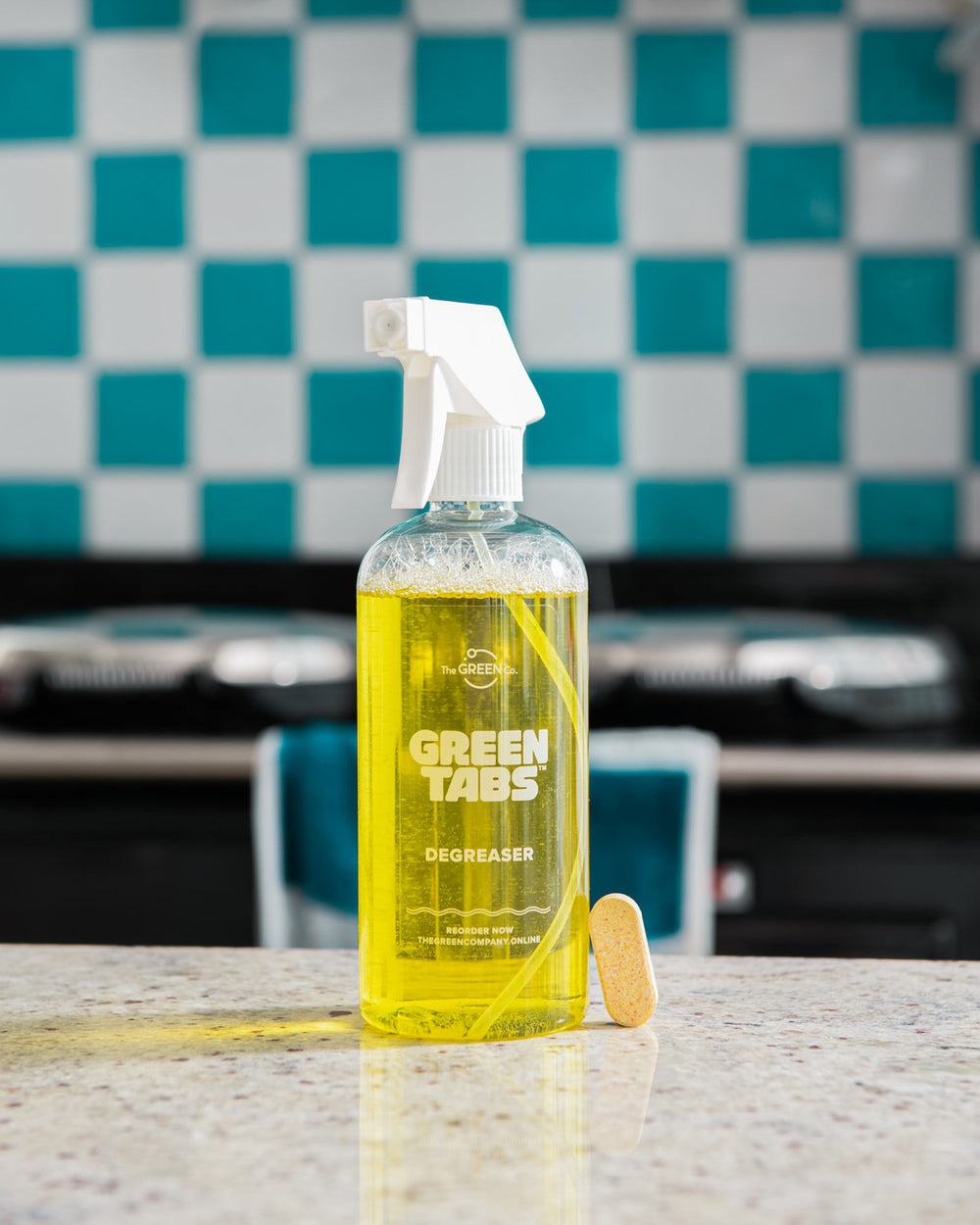
Degreasers
Degreasers are your best friend when dealing with stubborn grease on stove tops and ovens. These cleaners cut through built-up grease that all-purpose cleaners might leave behind. They're ideal for those who love to cook but dread the greasy aftermath. Make sure to follow the instructions on the label for safe use, as degreasers can be potent.
Disinfectants
After preparing raw meat or dealing with spills, disinfectants ensure your surfaces are free from harmful bacteria. These cleaners kill germs and help prevent cross-contamination in your kitchen. They're essential for maintaining a hygienic environment. Be sure to let the disinfectant sit for the recommended time to ensure effectiveness.
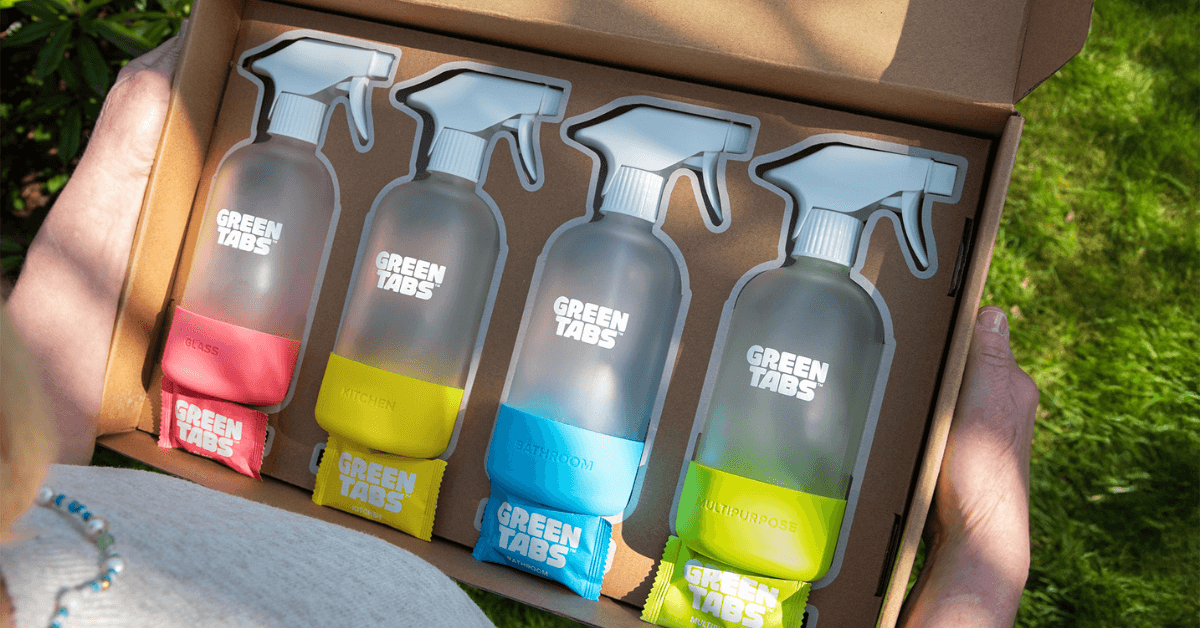
Natural Cleaners
If you prefer eco-friendly options, natural cleaners are a great choice. Made with ingredients like vinegar, baking soda, and essential oils, these cleaners are gentle on surfaces and the environment. They're perfect for households with children or pets, offering peace of mind without harsh chemicals. You can even make your own natural cleaners at home, adding a personal touch to your cleaning routine.
Credit: www.thegreencompany.online
Key Ingredients To Look For
Choosing the best kitchen cleaner means understanding what ingredients actually make a difference. Some ingredients tackle grease and grime better, while others focus on disinfecting or deodorizing. Knowing these key ingredients helps you pick a cleaner that matches your kitchen’s needs and your health preferences.
Bleach And Ammonia
Bleach is a powerful disinfectant that kills germs and whitens surfaces. It’s great for deep cleaning but can be harsh on your skin and lungs, so use it in well-ventilated areas and avoid mixing it with other chemicals.
Ammonia excels at cutting through tough grease and grime. However, it also produces strong fumes, so handle it carefully and never mix it with bleach. If you want a cleaner that’s strong but you’re sensitive to smells, you might want to skip these or look for milder alternatives.
Vinegar And Baking Soda
Vinegar offers natural acidity that breaks down mineral deposits and cuts grease without toxic fumes. It’s safe for most surfaces but avoid using it on natural stone like granite or marble.
Baking soda acts as a gentle abrasive to scrub off stuck-on food and neutralizes odors effectively. Together, vinegar and baking soda create a simple, eco-friendly cleaning duo you can often make at home. Have you tried this combo on your kitchen counters yet?
Essential Oils
Essential oils like tea tree, lemon, or eucalyptus don’t just add a fresh scent—they also bring antibacterial and antifungal properties. A few drops in your cleaner can boost its effectiveness naturally.
Plus, essential oils can help mask strong chemical odors, making your cleaning routine more pleasant. If you prefer a fresh-smelling kitchen without harsh chemicals, look for cleaners that include these oils.
Surfactants And Enzymes
Surfactants are the key players in lifting grease and dirt from surfaces. They break the surface tension of water, allowing the cleaner to penetrate grime better. Look for non-toxic, biodegradable surfactants if you want to keep things green.
Enzymes target organic stains like food residue and grease by breaking them down at a molecular level. This makes enzymes especially useful for kitchen messes that are tough to clean with just soap and water. Have you noticed enzymes in your cleaner making a real difference?
Top Kitchen Cleaner Brands
Choosing the right kitchen cleaner brand makes a big difference in keeping your kitchen spotless. Different brands offer unique benefits. Some focus on strong cleaning power, while others provide gentle care or eco-friendly formulas. Finding the right cleaner depends on your needs and preferences.
Best For Heavy-duty Cleaning
Heavy-duty kitchen cleaners handle tough grease and grime fast. These brands use powerful ingredients to cut through baked-on food and stubborn stains. They work well on ovens, grills, and countertops with heavy use.
- Dawn Professional Degreaser
- Krud Kutter
- Zep Heavy-Duty Citrus Degreaser
Best Eco-friendly Options
Eco-friendly kitchen cleaners use natural ingredients. They avoid harsh chemicals and reduce environmental impact. These brands offer safe cleaning for families and pets.
- Seventh Generation
- Mrs. Meyer's Clean Day
- Ecover
Best Budget-friendly Choices
Budget-friendly cleaners give good results without high costs. These brands balance price and performance. Ideal for daily kitchen maintenance on a budget.
- Simple Green All-Purpose Cleaner
- Great Value Multi-Surface Cleaner
- Method All-Purpose Cleaner
Best For Sensitive Surfaces
Cleaners for sensitive surfaces protect delicate materials. They avoid scratches and damage on stainless steel, granite, and wood. These brands keep your kitchen looking new.
- Weiman Granite Cleaner
- Bar Keepers Friend Soft Cleanser
- Better Life Natural Granite Cleaner
Choosing Cleaners For Different Surfaces
Choosing the right cleaner for each kitchen surface is more important than you might think. Different materials react uniquely to cleaning agents, and using the wrong product can cause damage or dull the finish. Understanding what works best for your countertops, appliances, glass, and floors helps you maintain a spotless kitchen without risking costly repairs.
Countertops And Cabinets
Countertops and cabinets come in a variety of materials, from granite and marble to laminate and wood. For natural stone surfaces like granite, use a pH-neutral cleaner to avoid etching or discoloration. Wood cabinets need gentle cleaners that won't strip away the finish—mild soap with water works well.
If you have laminate countertops, avoid abrasive cleaners that can scratch the surface. Instead, choose a non-abrasive spray or a simple mixture of vinegar and water. Do you know if your cleaner is safe enough to use daily without harming your surfaces?
Stainless Steel Appliances
Stainless steel appliances demand special attention to keep their shine and prevent streaks. Avoid harsh chemicals and abrasive pads that can scratch the surface. A microfiber cloth combined with a small amount of olive oil or a dedicated stainless steel cleaner often does the trick.
Wiping in the direction of the grain is crucial. This simple step can make a huge difference in how polished your appliances look. Have you ever noticed streaks after cleaning? Changing your technique might be the key.
Glass And Mirrors
Glass surfaces and mirrors need cleaners that leave no residue or streaks. Most commercial glass cleaners work well, but a mixture of vinegar and water is a cost-effective and eco-friendly option. Use a lint-free cloth or newspaper for the best results.
Try to avoid cleaning in direct sunlight as this causes the solution to dry too quickly, leaving spots. How often do you clean your kitchen glass? Regular maintenance prevents buildup and keeps reflections crystal clear.
Floors And Tiles
Floors and tiles can be tricky because the right cleaner depends on the material—ceramic, porcelain, or natural stone. For ceramic and porcelain tiles, a mild detergent with warm water usually suffices. Natural stone floors require pH-neutral products to protect the surface.
Grout lines need extra care; using a gentle brush with a baking soda paste can help remove stains without damaging the tiles. Are you giving your kitchen floor the attention it deserves to prevent dirt buildup and discoloration?
Tips For Safe And Effective Cleaning
Cleaning the kitchen requires care to keep surfaces safe and spotless. Using the right techniques and precautions helps protect your health and home. Follow these tips for safe and effective cleaning every time you tackle kitchen messes.
Proper Usage And Dilution
Always read the label before using any cleaner. Most products need dilution with water to avoid damage. Use measuring tools to mix cleaners accurately. Too strong a mix can harm surfaces or leave residues. Apply the solution with a soft cloth or sponge. Rinse surfaces well after cleaning to remove any leftover chemicals.
Avoiding Harmful Chemical Reactions
Never mix different cleaning products. Mixing bleach with ammonia or acids creates toxic gases. Store cleaners separately to avoid accidents. Use one product at a time and rinse the surface before applying another. Stick to trusted brands to reduce risks.
Storage And Handling
Keep cleaning products in their original containers. Label any homemade mixtures clearly. Store cleaners out of reach of children and pets. Avoid storing near heat or sunlight to maintain effectiveness. Check expiration dates and dispose of old products safely.
Protective Gear Recommendations
Wear gloves to protect your skin from harsh chemicals. Use goggles if splashing is possible. Consider a mask when using strong cleaners in small spaces. Work in well-ventilated areas to avoid breathing fumes. Change gloves if they tear or get wet.
:max_bytes(150000):strip_icc()/sea-dawn-attitude-goo-gone-degreasers-bryan-belknap-02-dd652aa1618040788c90bfa50e3517ca.jpeg)
Credit: www.seriouseats.com
Diy Kitchen Cleaner Recipes
DIY kitchen cleaner recipes offer a natural and cost-effective way to keep your kitchen spotless. These cleaners use simple ingredients found at home. They are safe, effective, and easy to make. You can customize scents and strengths to fit your needs. Here are some popular recipes to try.
Simple Vinegar-based Cleaner
Combine equal parts white vinegar and water in a spray bottle. Vinegar breaks down grease and kills germs. Use it on countertops, sinks, and stovetops. Avoid using on natural stone surfaces like granite or marble. Spray and wipe with a clean cloth for a fresh shine.
Baking Soda Scrub
Baking soda is a gentle abrasive and natural deodorizer. Sprinkle it on dirty surfaces like sinks, ovens, and cutting boards. Add a little water to form a paste. Scrub with a sponge or cloth to remove stains and grime. Rinse well to leave surfaces clean and fresh.
Lemon And Essential Oil Spray
Mix the juice of one lemon with two cups of water. Add 10 drops of your favorite essential oil, such as tea tree or lavender. Lemon adds a fresh scent and helps cut grease. Essential oils provide extra antibacterial power. Spray on surfaces and wipe clean for a bright kitchen.
Castile Soap Solutions
Castile soap is a gentle, plant-based cleaner. Mix 1 tablespoon of liquid castile soap with 2 cups of water in a spray bottle. Use this solution to clean counters, stovetops, and appliances. It removes dirt without harsh chemicals. Rinse with a damp cloth for a streak-free finish.

Credit: us.amazon.com
Frequently Asked Questions
What Is The Best Kitchen Cleaner For Grease?
The best kitchen cleaner for grease effectively cuts through oil without harsh chemicals. Look for products with citrus or vinegar. These ingredients break down grease fast and leave surfaces clean without residue. Always check if it’s safe for your countertop material.
Are Natural Kitchen Cleaners As Effective As Chemical Ones?
Natural kitchen cleaners can be very effective, especially for light to moderate dirt. Ingredients like vinegar, baking soda, and lemon have natural antibacterial properties. They are safer for health and the environment. However, for heavy-duty cleaning, some chemical cleaners might work faster.
How Often Should I Clean My Kitchen Surfaces?
For hygiene and safety, clean kitchen surfaces daily. Wipe counters, stove tops, and sinks after use. Deep clean weekly to remove stubborn grime. Regular cleaning prevents bacteria buildup and keeps your kitchen fresh. Use a suitable cleaner for each surface type.
Can Kitchen Cleaners Be Used On All Surfaces?
Not all kitchen cleaners are safe for every surface. Always read product labels before use. Some cleaners can damage granite, marble, or wood. Choose cleaners specifically designed for your countertop and appliance materials to avoid damage and maintain shine.
Conclusion
Choosing the best kitchen cleaner depends on your needs and preferences. Some work well on grease, while others focus on germs. Always pick a cleaner that is safe for your surfaces. Remember to follow the instructions for the best results.
Clean kitchens feel fresh and help keep your family healthy. A good cleaner saves time and effort. Try different products to find what suits you best. Keep your kitchen sparkling with the right cleaner every day. Simple steps make cleaning easier and more effective.