
Have you ever wondered if wearing gloves in the kitchen really makes a difference? Maybe you’re unsure when it’s necessary and when it’s just extra hassle.
Knowing the right moments to put on gloves can protect you, keep your food safe, and even save you from unwanted health risks. You’ll discover exactly when wearing gloves matters the most—and when it’s better to skip them. Keep reading to learn simple tips that will make your cooking safer and smarter.
Types Of Kitchen Gloves
Kitchen gloves come in various types, each designed for specific tasks. Choosing the right glove keeps your hands safe and clean. It also helps improve your cooking experience. Understanding the types of gloves makes kitchen work easier and safer.
Disposable Gloves
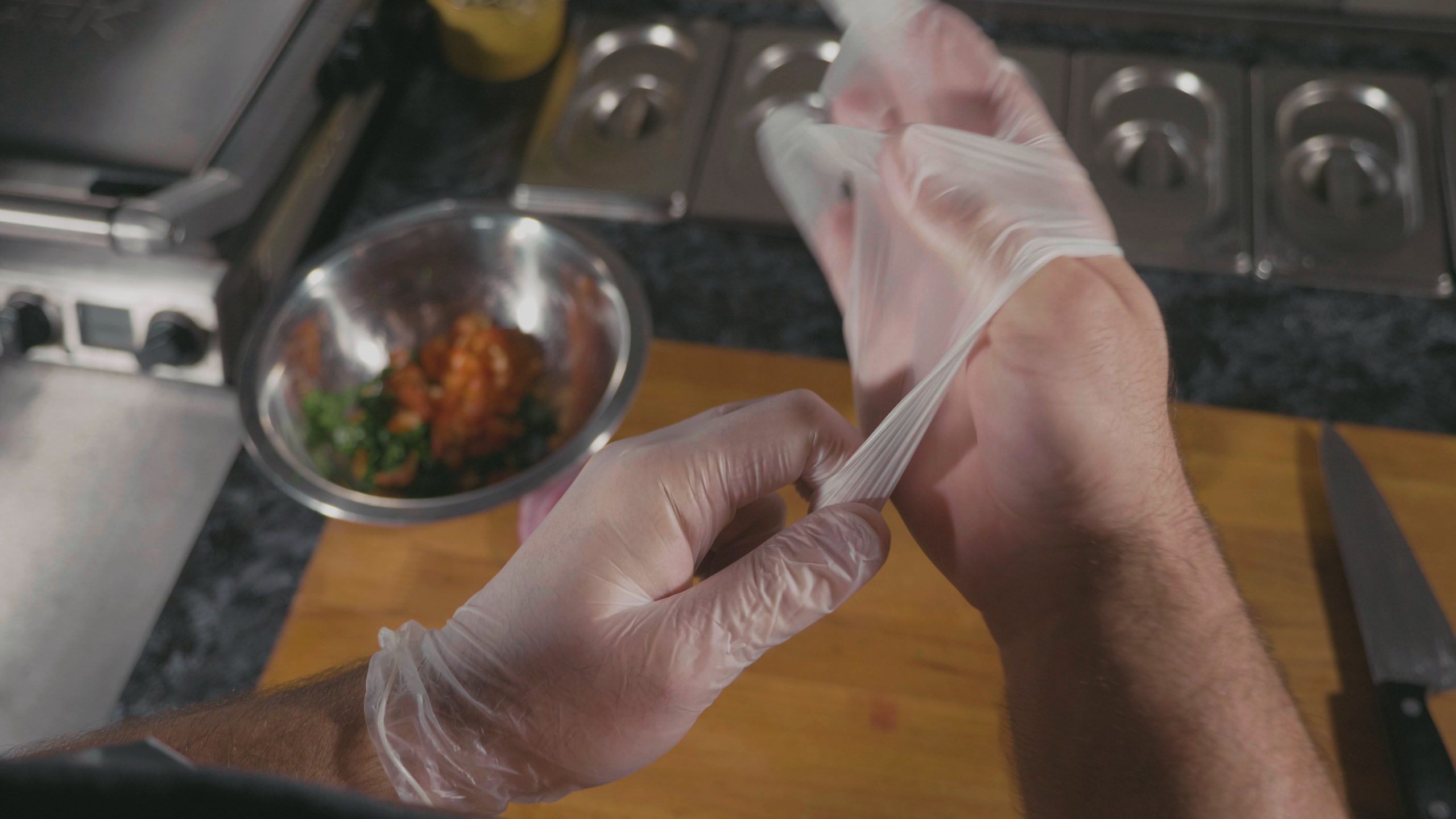
Disposable gloves are made from materials like latex, vinyl, or nitrile. They protect hands from germs and food stains. Use them when handling raw meat, fish, or vegetables. They help prevent cross-contamination. These gloves are thin and flexible, allowing easy movement. Throw them away after one use to keep hygiene high.
Heat-resistant Gloves
Heat-resistant gloves protect your hands from hot surfaces. They are essential when handling pots, pans, or grills. These gloves are made of materials like silicone or thick fabric. They prevent burns and allow a firm grip. Use them to safely move hot trays or open ovens. They come in different sizes and heat ratings for various tasks.
Cut-resistant Gloves
Cut-resistant gloves protect hands from sharp knives and tools. They are made with strong fibers like Kevlar or stainless steel mesh. These gloves reduce the risk of cuts during chopping and slicing. Use them when handling sharp blades or heavy-duty kitchen tools. They fit snugly and do not limit finger movement. Perfect for butchers and home cooks alike.
When To Use Disposable Gloves
Disposable gloves in the kitchen serve as a simple yet powerful tool to keep your cooking environment safe and hygienic. Knowing exactly when to wear them can make a big difference in preventing foodborne illnesses and protecting your hands. Let’s look at key moments when disposable gloves are not just helpful, but necessary.
Handling Raw Meat And Seafood
Raw meat and seafood carry bacteria that can easily spread if you’re not careful. Wearing disposable gloves while handling these ingredients creates a barrier between your skin and harmful germs.
This also means less time washing your hands repeatedly, which can dry out your skin. Have you noticed how quickly your hands get sticky or smelly when working with raw chicken or fish? Gloves keep that mess off your skin and reduce the risk of contaminating other surfaces.
Preventing Cross-contamination
Cross-contamination happens when bacteria from one food item transfer to another. Disposable gloves are a practical way to stop this chain, especially when switching between different types of food.
Think about chopping vegetables after touching raw meat. Changing your gloves before you move on is quicker and safer than washing hands every single time. It’s a small step that can save you and your guests from food poisoning.
Working With Allergens
If you’re preparing food for someone with allergies, gloves become even more important. They help prevent allergen particles from sticking to your hands and ending up in other dishes.
Even tiny amounts of nuts or shellfish can trigger severe reactions. Using disposable gloves allows you to handle allergenic ingredients with care and switch gloves before moving on to allergen-free foods. How often do you think about allergens when cooking for others?
Using Heat-resistant Gloves Safely
Using heat-resistant gloves in the kitchen protects your hands from burns and injuries. These gloves offer a safe barrier against hot surfaces and steam. Knowing how to use them correctly keeps you comfortable and secure while cooking. Always check the gloves for damage before use. Replace them if they show signs of wear or holes.
Handling Hot Pots And Pans
Heat-resistant gloves help move hot pots and pans easily. Grip handles firmly to avoid slipping. Avoid touching hot surfaces without gloves. Use gloves to carry heavy cookware to prevent accidents. Keep your hands dry inside the gloves for a better grip.
Using The Oven And Grill
Wear gloves when placing items in or taking them out of the oven or grill. Heat-resistant gloves protect against sudden bursts of heat. Hold oven racks steadily to avoid spills. Use gloves to handle hot trays or grills to prevent burns. Keep gloves clean and dry to maintain heat protection.
Avoiding Burns
Always wear gloves before touching anything hot. Do not rely on towels or cloths alone. Check glove heat resistance before use. Avoid wet gloves as water can cause steam burns. Remove gloves carefully to avoid touching hot surfaces with bare skin. Store gloves in a safe, dry place after use.
Cut-resistant Gloves In Food Prep
Using cut-resistant gloves in food prep ensures safety while cooking. These gloves are made from materials that resist cuts and abrasions. They provide an extra layer of protection against sharp kitchen tools. Let’s explore when to wear them for different tasks in the kitchen.
Chopping And Slicing
Chopping vegetables can be risky without protection. Sharp knives can slip and cause injuries. Cut-resistant gloves help prevent accidents during chopping. They give you confidence to chop quickly and safely. These gloves are a must for those who handle knives often.
Using Mandolins And Graters
Mandolins and graters are useful but dangerous. Fingers can easily get cut on sharp edges. Wearing cut-resistant gloves prevents such injuries. The gloves grip well on tools, reducing the chance of slips. You can work faster and safer with this added protection.
Protecting Against Knife Injuries
Knife injuries are common in kitchens. Cut-resistant gloves offer a simple solution. They provide a barrier between your skin and sharp blades. This reduces the risk of deep cuts and wounds. Even experienced chefs benefit from this extra safety measure.
When Gloves Are Not Necessary
Wearing gloves in the kitchen is not always required. Many tasks can be done safely without them. Using gloves unnecessarily can reduce hand hygiene and increase waste. Knowing when gloves are not needed helps keep the kitchen efficient and clean.
Washing Fruits And Vegetables
Washing fruits and vegetables with clean water removes dirt and germs. Using gloves here is not essential if hands are washed properly before and after. Hands can touch fresh produce safely after thorough cleaning.
Stirring And Mixing
Stirring ingredients or mixing dough does not demand gloves. Hands can be washed well before starting these tasks. Regular hand washing keeps food safe without needing gloves.
Using Utensils
Using spoons, forks, or tongs to handle food limits direct contact. Gloves are not needed if utensils are clean. Properly cleaned tools and hand washing protect food from contamination.
Proper Glove Hygiene
Proper glove hygiene is essential for safe food handling in the kitchen. Wearing gloves does not guarantee cleanliness. Contaminated gloves can spread germs and cause foodborne illness. Maintaining good glove hygiene protects both the cook and the food. It requires careful attention to changing, avoiding contamination, and disposal.
Changing Gloves Regularly
Gloves should be changed often during food preparation. Switch gloves:
- After handling raw meat or seafood
- When moving from one task to another
- If gloves become torn or dirty
- Every few hours if worn continuously
Regular changing stops the buildup of bacteria. It reduces cross-contamination risks.
Avoiding Glove Contamination
Do not touch non-food surfaces with gloves. Avoid touching:
- Face or hair
- Phones or keyboards
- Trash bins
- Unclean utensils
Use gloves only for food handling tasks. Proper glove use keeps food safe.
Disposing Of Gloves Correctly
Throw gloves away immediately after use. Follow these tips:
- Remove gloves without touching the outside
- Dispose of gloves in a trash bin
- Wash hands right after removal
- Never reuse disposable gloves
Correct disposal prevents germ spread and keeps the kitchen clean.
Alternatives To Wearing Gloves
Wearing gloves in the kitchen isn’t the only way to keep things safe and clean. You have several effective alternatives that can help you maintain hygiene without relying solely on gloves. These options often give you better control and comfort while preparing food.
Frequent Handwashing
Washing your hands frequently is one of the simplest yet most powerful ways to prevent contamination. Use warm water and soap, scrubbing for at least 20 seconds, especially after handling raw meat or touching your face.
I once skipped handwashing during a busy dinner prep and noticed a slight taste change in the salad. That small lapse showed me how crucial clean hands are. Could you imagine the difference a quick wash makes every few minutes?
Using Utensils And Tools
Rely on utensils like tongs, spatulas, and spoons to handle food instead of your hands. This reduces direct contact and lowers the chance of spreading germs.
- Use separate cutting boards for vegetables and meat
- Switch tools between tasks instead of touching food directly
- Clean utensils immediately after use to avoid cross-contamination
Switching to tools changed how I cook, making the process cleaner and faster. Have you noticed how much easier it is to keep things tidy when you don’t rely on your hands?
Maintaining Clean Work Surfaces
Keep your countertops and chopping boards spotless. Wipe them down with hot, soapy water regularly, especially after handling raw ingredients.
Using separate cloths for different areas helps prevent germs from spreading around your kitchen. It’s surprising how much a clean surface boosts your confidence while cooking.
What small step can you take today to keep your workspace cleaner and safer?

Credit: www.goodhousekeeping.com
Credit: www.performancefoodservice.com
Frequently Asked Questions
When Should You Wear Gloves In The Kitchen?
Wear gloves when handling raw meat, seafood, or poultry to prevent cross-contamination. Also, use gloves with open wounds or skin conditions to protect both food and yourself.
Are Gloves Necessary For Food Preparation?
Gloves are not always mandatory but help maintain hygiene, especially when handling ready-to-eat foods. They reduce the risk of spreading bacteria and viruses during food prep.
Can Gloves Replace Hand Washing In The Kitchen?
No, gloves do not replace hand washing. Wash hands thoroughly before and after glove use to ensure proper hygiene and food safety in the kitchen.
What Types Of Gloves Are Best For Kitchen Use?
Nitrile or latex gloves are ideal for kitchen tasks. They provide good protection, flexibility, and reduce the risk of allergic reactions for most people.
Conclusion
Wearing gloves in the kitchen helps keep food safe and clean. Use them when handling raw meat or seafood. Gloves protect your hands from strong spices or hot items. Change gloves often to avoid spreading germs. Remember, gloves do not replace washing hands.
Clean hands and clean gloves work best together. Stay safe and keep your kitchen healthy by using gloves wisely. Simple steps make cooking safer for everyone.