
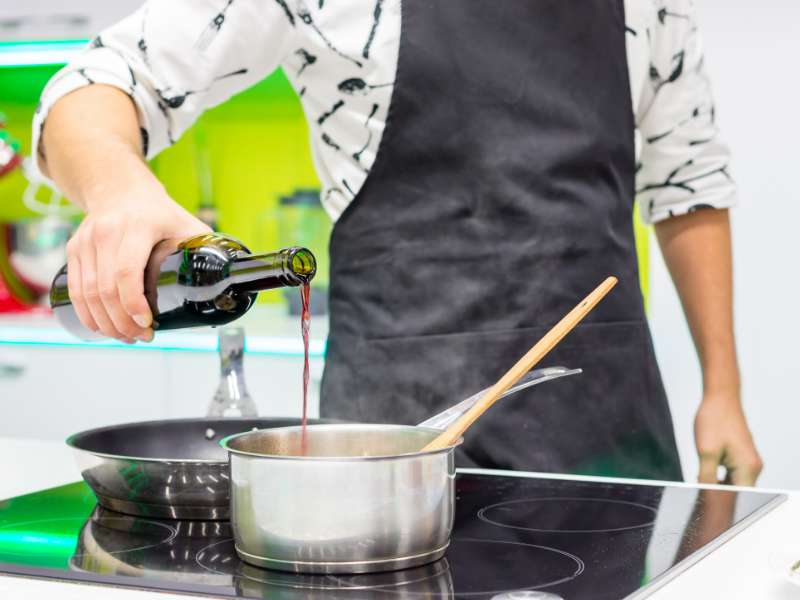
Have you ever wondered if cooks really use gloves in the kitchen? You might think gloves are just for hospitals or cleaning, but in food preparation, they play a surprising role.
Whether you’re cooking at home or curious about restaurant hygiene, understanding when and why cooks wear gloves can change the way you see food safety. Keep reading, and you’ll discover important facts that could protect your health every time you eat.
Don’t miss out on what every food lover should know!
Glove Use In Professional Kitchens
Glove use in professional kitchens varies depending on the task and hygiene regulations. Chefs balance safety, comfort, and food quality when deciding whether to wear gloves. Understanding these practices helps you see how kitchens maintain cleanliness without sacrificing skill or efficiency.
Common Practices Among Chefs
Many chefs wear gloves when handling ready-to-eat foods to prevent contamination. However, some prefer bare hands for better control and precision during food prep. It’s common to see chefs switch between gloves and bare hands throughout their shifts, depending on the task.
Chefs often change gloves frequently to avoid cross-contamination, especially after touching raw meat or cleaning surfaces. Some kitchens require gloves only for specific tasks, while others use them more liberally. This flexible approach aims to keep food safe without slowing down the cooking process.
When Gloves Are Mandatory
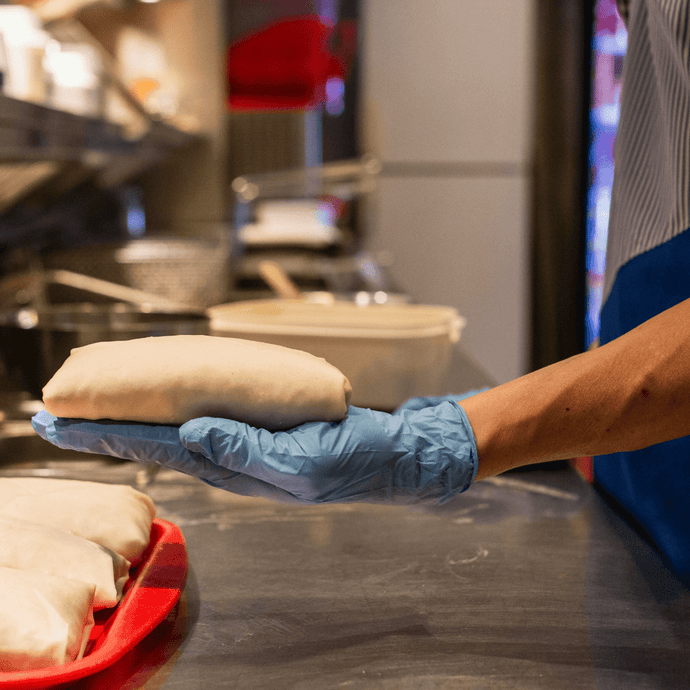
Health codes typically require gloves when handling foods that won’t be cooked further, such as salads or sandwiches. Gloves must also be worn when dealing with allergens to avoid cross-contact. If a chef has a cut or wound on their hand, gloves become a must to protect both the food and the cook.
In many professional kitchens, glove use is strictly enforced during food plating and service. This reduces the risk of transferring bacteria to the final dish. You might notice gloves in use during busy service hours or in open kitchen setups where customers watch the chefs work.
Situations Favoring Bare Hands
Many chefs argue that bare hands offer better tactile feedback, which is crucial for delicate tasks like shaping dough or filleting fish. Bare hands can be cleaner if washed properly and frequently, rather than relying solely on gloves. Some kitchens train staff to wash their hands thoroughly instead of wearing gloves at all times.
Handling hot foods or working with certain ingredients can make gloves uncomfortable or unsafe. When precision and sensitivity matter more, chefs often prefer to go glove-free. Have you ever wondered if gloves might actually make some kitchen tasks harder rather than easier?

Credit: www.amazon.com
Hygiene Standards And Regulations
Maintaining hygiene standards and following strict regulations is essential in any kitchen environment. These rules protect both the cook and the consumer by minimizing the risk of foodborne illnesses. Understanding how gloves fit into these standards can help you make better decisions in your cooking routine.
Health Department Guidelines
Health departments often require food handlers to wear gloves when handling ready-to-eat foods. This rule aims to reduce direct contact between hands and food, lowering contamination risks.
However, gloves are not a substitute for proper handwashing. You must wash your hands before putting on gloves and after removing them to maintain hygiene.
Food Safety Protocols
Food safety protocols emphasize the importance of avoiding cross-contamination. Gloves should be changed frequently, especially when switching between raw and cooked foods.
Many kitchens use color-coded gloves to make it easier for staff to follow these protocols. This simple step can prevent costly mistakes and keep food safe.
Impact Of Gloves On Cross-contamination
Gloves can both help and hinder the fight against cross-contamination. If used correctly, they create a barrier that stops germs from spreading.
But wearing the same pair of gloves for multiple tasks can spread bacteria just as easily as bare hands. Are you paying enough attention to when and how you change your gloves?
Pros And Cons Of Wearing Gloves
Cooks wear gloves to keep food safe and avoid germs. Gloves protect hands but can reduce touch sensitivity. Some chefs prefer washing hands over wearing gloves for better control.
In the bustling environment of a kitchen, the debate over whether cooks should wear gloves is a topic of ongoing discussion. While gloves can be a crucial tool for maintaining hygiene, they also come with their own set of challenges. Understanding the pros and cons of wearing gloves can help you make informed decisions in your culinary adventures.
Benefits For Food Safety
Gloves act as a barrier between your hands and the food, reducing the risk of contamination. They are particularly useful when handling raw meats, preventing harmful bacteria from transferring. In high-volume kitchens, where time is of the essence, gloves can ensure a quick switch between tasks without compromising cleanliness. Imagine you're preparing a salad after working with chicken. Changing gloves is often quicker and more efficient than thoroughly washing hands. This saves time and keeps the workflow smooth.
Potential Risks And Misuse
However, gloves can give a false sense of security. If not changed frequently, they can become just as contaminated as bare hands. There’s also a risk of cross-contamination if gloves are used across different food types without proper change. Consider the scenario of a cook using the same pair of gloves to handle both raw and cooked foods. This defeats the purpose of wearing gloves in the first place and poses a health risk.
Alternatives To Gloves
If gloves aren't your preference, rigorous handwashing is an effective alternative. Regular use of soap and water can be just as hygienic, if not more, when done correctly. Using tongs or utensils is another great method to avoid direct contact with food. Think about sushi chefs who often opt for bare hands coupled with frequent handwashing. They maintain a high level of hygiene while preserving the delicate texture of the food. In your kitchen, what measures do you take to ensure food safety? Would gloves be a tool or a hindrance in your cooking routine?
Proper Glove Usage Tips
Proper glove usage in the kitchen is crucial for food safety and personal hygiene. Gloves protect food from germs on hands and prevent cross-contamination. Using gloves correctly helps maintain clean cooking environments and keeps customers safe.
Choosing The Right Gloves
Pick gloves made from food-safe materials like nitrile or latex. Choose the right size for comfort and dexterity. Powder-free gloves reduce residue in food. Avoid gloves with tears or holes to keep protection effective.
Changing Gloves Correctly
Change gloves after handling raw meat or fish. Switch gloves between different food tasks to stop cross-contamination. Always change gloves if they touch surfaces like trash bins or cleaning cloths. Never reuse disposable gloves.
Handwashing And Glove Use
Wash hands before putting on gloves. Clean hands remove dirt and germs that gloves can trap. Wash hands after removing gloves to remove any germs on skin. Proper handwashing improves the overall safety of glove use.
Gloves Vs. Handwashing Debate
The debate between using gloves and relying on handwashing in the kitchen has been ongoing among cooks and food safety experts. Both practices aim to prevent contamination, but which one truly offers better protection? Understanding their strengths and weaknesses can help you make smarter choices during meal prep.
Effectiveness Of Hand Hygiene
Handwashing remains one of the most effective ways to remove dirt, bacteria, and viruses from your skin. It physically washes away contaminants rather than just creating a barrier. Proper handwashing with soap and water for at least 20 seconds significantly reduces the risk of spreading germs.
Have you ever noticed how washing your hands carefully before cooking makes you feel more confident about food safety? That’s because clean hands prevent cross-contamination better than many realize.
Limitations Of Gloves Alone
Gloves might seem like a quick fix, but they have their own drawbacks. Wearing gloves for too long or touching multiple surfaces without changing them can transfer bacteria just as easily as bare hands. Sometimes, gloves give a false sense of security, causing cooks to skip handwashing altogether.
Imagine handling raw chicken with gloves on, then touching a salad without changing gloves—this can spread harmful bacteria instantly. Gloves must be changed frequently and used correctly, or they won’t protect your food.
Best Practices Combining Both
The most effective approach is to combine thorough handwashing with proper glove use. Wash your hands before putting on gloves, and always change gloves between tasks. This double layer of protection helps minimize contamination risks.
- Wash hands before and after glove use
- Change gloves when switching food types or tasks
- Avoid touching your face or non-food surfaces with gloves
Would you consider this combined approach in your kitchen? It’s practical and can significantly boost your food safety standards without much extra effort.

Credit: extension.umn.edu
Consumer Expectations And Perceptions
Consumer expectations around kitchen hygiene have shifted significantly in recent years. Many customers now pay close attention to the details of food handling, including whether cooks wear gloves. Understanding these expectations can help restaurants and food businesses improve their service and reputation.
How Customers View Glove Use
Most customers expect food handlers to wear gloves as a basic hygiene practice. It signals care and attention to cleanliness, especially in settings like fast food or salad bars. However, some people also worry that gloves might give a false sense of security if not changed regularly.
Have you ever felt unsure about the safety of your meal just because the cook wasn’t wearing gloves? This doubt can impact your overall dining experience more than you realize.
Transparency In Kitchen Hygiene
Showing how food is prepared can boost customer confidence. Open kitchens or visible hygiene practices, like frequent handwashing and glove changes, make a difference. When you see these actions, you feel more comfortable about the food you’re eating.
Simple steps such as posting hygiene policies or explaining glove use can make your kitchen appear more trustworthy. Would you feel better knowing exactly how your food is handled?
Building Trust Through Cleanliness
Trust grows when customers believe their health is a priority. Cleanliness, including glove use, communicates respect for the customer’s well-being. This trust often leads to repeat visits and positive word-of-mouth.
Consider sharing stories of how your team maintains hygiene standards. Real examples make your commitment more believable and relatable. What stories could you share to show your dedication to cleanliness?
Credit: ecogloves.co
Frequently Asked Questions
Do Cooks Wear Gloves For Food Safety?
Yes, cooks often wear gloves to prevent food contamination and ensure hygiene. Gloves protect food from bacteria and germs on hands.
When Should Kitchen Gloves Be Changed?
Gloves should be changed after handling raw food, touching garbage, or when torn. Frequent changing prevents cross-contamination.
Are Gloves Mandatory In Professional Kitchens?
Many health regulations require gloves for certain tasks, but handwashing is also crucial. Gloves supplement hygiene but don’t replace proper handwashing.
Can Gloves Cause Food Contamination?
If gloves are reused or not changed regularly, they can spread bacteria. Proper glove use and frequent changes reduce contamination risks.
Conclusion
Cooks often wear gloves to keep food clean and safe. Gloves help stop germs from spreading. Yet, many chefs prefer washing hands well instead. Gloves must be changed often to work right. Using gloves does not replace good hand hygiene.
Clean hands and proper cooking habits matter most. Each kitchen has its own rules about gloves. Understanding these rules helps keep everyone healthy. Safe cooking means paying attention to small details. Gloves are one tool among many to stay safe.