
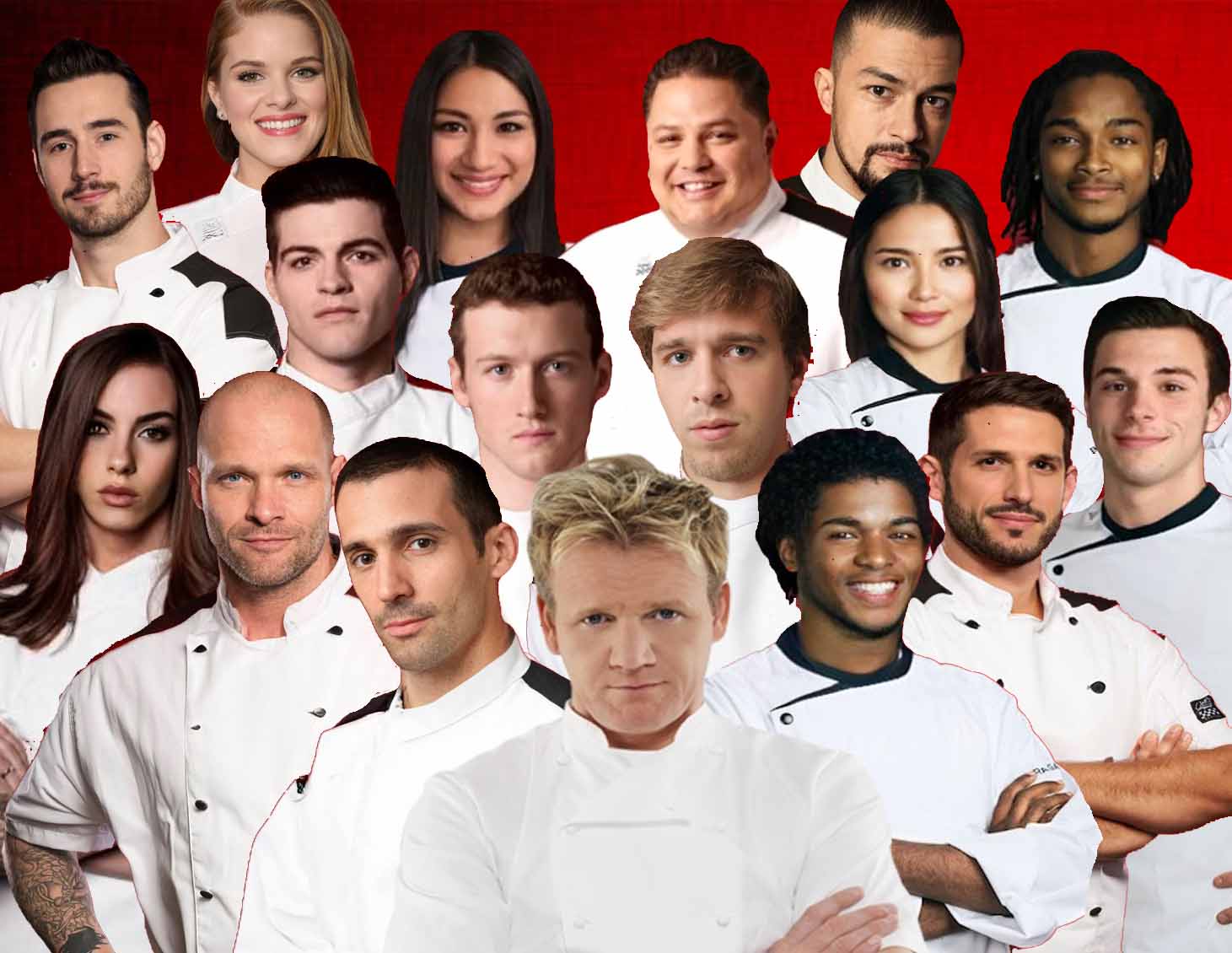
Have you ever wondered when the first season of Hell’s Kitchen aired? If you’re a fan of intense cooking battles and Chef Gordon Ramsay’s fiery kitchen, this question might have crossed your mind.
Knowing the origins of this popular show can give you a deeper appreciation of how it all started and why it continues to captivate millions. Keep reading, and you’ll discover exactly when Hell’s Kitchen first hit the screens—and what made that debut season unforgettable.
Your next binge-watch session might just get a lot more exciting!

Credit: www.primevideo.com
Hell's Kitchen Origins
Hell's Kitchen first aired its debut season in 2005. The show quickly attracted viewers with its intense cooking battles. It combined competition, drama, and culinary skills in one format. The origin story reveals how the idea turned into a popular TV series.
Show Concept
Hell's Kitchen features chefs competing for a top chef position. Contestants face cooking challenges and dinner service tests. Chef Gordon Ramsay leads the show with his sharp critiques. The high-pressure environment pushes chefs to their limits. The concept mixes reality TV with culinary arts. This approach creates tension and excitement every episode.
Early Development
The show was developed by ITV Studios and launched in the United States. Producers wanted a cooking show with a unique twist. They focused on competition and personality clashes. Gordon Ramsay’s fiery style was central to the show's identity. Early planning included selecting contestants with strong cooking backgrounds. The production team designed a kitchen studio to mimic a real restaurant.

Credit: www.imdb.com
Casting And Production
Hell's Kitchen first aired in 2005, capturing viewers with its intense cooking challenges. The show's casting focused on talented chefs eager to prove their skills under pressure. Production combined fast-paced editing and dramatic moments to keep audiences hooked.
The first season of "Hell's Kitchen" marked a significant moment in reality TV history, combining culinary expertise with intense competition. The show, hosted by the fiery chef Gordon Ramsay, quickly captivated audiences with its high-stakes challenges and dramatic moments. The meticulous casting and production process played a crucial role in crafting the show's dynamic and tension-filled atmosphere.
Selecting Contestants
To create a compelling narrative, the casting team scoured the nation for chefs with diverse backgrounds and unique personalities. They sought individuals who could handle the pressure of a high-energy kitchen and had the potential to shine under Chef Ramsay's watchful eye. The result was a mix of seasoned professionals and passionate amateurs, each bringing their own flair and ambition to the competition. The selection process wasn't just about cooking skills; it was about finding those who could handle the psychological challenges of "Hell's Kitchen." Contestants underwent rigorous interviews, showcasing not only their culinary talents but also their ability to thrive in a competitive environment. Have you ever wondered how you'd perform under such intense scrutiny?
Filming Locations
The inaugural season was filmed in a custom-built kitchen studio in Los Angeles, designed to mimic the high-pressure environment of a real restaurant. The set was equipped with state-of-the-art appliances and a dining area where actual diners would experience the contestants' creations. The choice of location was strategic, providing a controlled environment where every moment could be captured in detail. The Los Angeles backdrop added a touch of glamour to the gritty reality of the kitchen battles. Imagine the thrill of cooking for discerning diners in a place where every dish could make or break your culinary dreams. By focusing on casting and production elements, "Hell's Kitchen" set the stage for a show that would keep audiences on the edge of their seats, season after season. Are you ready to dive into the heat of the kitchen and see if you have what it takes?
Premiere Date Announcement
The announcement of the premiere date for the first season of Hell's Kitchenwas a moment that sparked curiosity and excitement. It marked the beginning of what would become a cultural phenomenon in reality TV cooking competitions. Understanding how this date was revealed gives insight into the show's early buzz and marketing strategy.
Initial Reveal
The premiere date for Hell’s Kitchen first appeared in entertainment news outlets several months before the show aired. This early reveal was designed to grab the attention of food lovers and reality TV fans alike. Producers chose a strategic date to announce it, aligning with the rising popularity of celebrity chef Gordon Ramsay.
Interestingly, the initial reveal didn’t just state the date—it teased viewers with hints about the intense competition and dramatic kitchen battles they could expect. This approach helped build anticipation without giving too much away.
Marketing Campaign
Once the premiere date was set, the marketing team launched a focused campaign to maximize reach. Trailers, press releases, and interviews with Gordon Ramsay flooded media channels. The campaign highlighted the show's unique blend of high-stakes cooking and fiery personality clashes.
- Promotional clips showcased Ramsay’s tough love and the contestants’ passion.
- Social media platforms began to stir conversations and speculation about who would compete.
- Targeted ads appeared on TV during prime cooking and reality shows to capture the ideal audience.
Have you noticed how a well-timed announcement can make you eager to watch something new? Hell’s Kitchen’s premiere date announcement was crafted to do exactly that—pull you in before the show even started.

Credit: tvtropes.org
Audience Reaction
The audience reaction to the first season of Hell's Kitchen was intense and immediate. Viewers were drawn to the fiery kitchen battles and the strong personality of Chef Gordon Ramsay. The show sparked many discussions and quickly built a loyal fan base eager to see what would happen next.
People enjoyed the mix of drama and cooking skills on display. The tension in the kitchen kept audiences glued to their screens. Fans appreciated the raw and honest moments that made the show feel real and exciting.
Fan Anticipation
Before the first season aired, fans waited eagerly for the new cooking competition. Many had heard about Gordon Ramsay’s tough style and wanted to see it for themselves. Word spread fast among food lovers and reality TV fans alike.
Viewers anticipated high drama and impressive cooking challenges. Social groups and forums buzzed with predictions and hopes. People talked about who might win and how intense the kitchen would get.
Media Coverage
Media outlets gave the first season strong attention. Reviews highlighted the show’s unique mix of heat and humor. Critics praised the dramatic moments and Ramsay’s sharp critiques.
Articles and TV spots increased public interest quickly. Interviews with contestants and Ramsay helped build excitement. The media played a key role in making Hell's Kitchen a must-watch show.
Impact Of The Premiere
The premiere of the first season of Hell’s Kitchen made a significant splash in the world of television. It wasn’t just another cooking show; it set new standards for reality TV competitions. The impact was felt not only in ratings but also in how reality TV shows were produced and perceived.
Ratings Success
Hell’s Kitchen debuted with impressive viewer numbers that surprised many in the industry. The mix of intense kitchen drama and Gordon Ramsay’s fiery personality attracted a broad audience. It quickly became one of the highest-rated shows in its time slot.
Viewers were drawn to the raw emotions and real stakes involved. This success proved that audiences wanted more than just cooking tips—they craved a story and conflict. Have you noticed how this type of show keeps you glued to the screen?
Influence On Reality Tv
The premiere changed how reality TV shows were made and what they focused on. Instead of purely showcasing skills, producers started highlighting personal drama and competition tension. Hell’s Kitchen showed that blending entertainment with a real skill set could create a winning formula.
This shift influenced many other reality shows, making them more dynamic and engaging. It raised the bar for how contestants and hosts interacted on screen. What do you think makes a reality show truly captivating—skill, personality, or the drama that unfolds?
Frequently Asked Questions
When Did Hell's Kitchen First Air?
Hell's Kitchen first aired on May 30, 2005. The show debuted on Fox and introduced Chef Gordon Ramsay as the host. It quickly gained popularity for its intense cooking challenges and competitive format.
Who Won The First Season Of Hell's Kitchen?
Michael Wray won the first season of Hell's Kitchen. He impressed Chef Ramsay with his cooking skills and leadership. Michael earned a head chef position at a restaurant as his prize.
How Many Episodes Were In Hell's Kitchen Season 1?
The first season of Hell's Kitchen had 11 episodes. Each episode featured cooking challenges, eliminations, and intense kitchen drama. The season concluded with the final showdown between the top two contestants.
What Was Unique About Hell's Kitchen Season 1?
Season 1 of Hell's Kitchen was unique for its raw format. It set the tone for future seasons with Chef Ramsay’s fiery critiques. The show combined reality TV drama with professional cooking competition.
Conclusion
The first season of Hell’s Kitchen aired in 2005. It introduced viewers to Chef Gordon Ramsay’s intense cooking challenges. The show quickly gained fans who loved the drama and skill. Since then, many seasons have followed, each with new chefs and excitement.
Hell’s Kitchen remains popular worldwide for its unique format. Knowing the start helps appreciate how the show grew over time. Fans remember the first season as the start of a cooking journey. The show still inspires many to cook and compete today.