

Are you wondering where to put kitchen mats to get the most comfort and style in your cooking space? Choosing the right spot for your kitchen mats can make a big difference in how your kitchen feels and functions every day.
Whether you want to reduce fatigue while standing, keep your floors clean, or add a splash of color, placing mats in the perfect locations is key. Keep reading to discover simple tips that will transform your kitchen into a more comfortable and inviting place for you and your family.
Choosing Kitchen Mat Materials
Choosing the right kitchen mat material affects comfort, safety, and style. Each type offers unique benefits for different kitchen needs. Consider the space, how long you stand, and how much cleaning you want to do. Materials range from soft foam to durable rubber and cozy fabrics. Here’s a guide to help you pick the best option.
Foam And Gel Mats
Foam and gel mats provide excellent cushioning for your feet. They reduce fatigue during long cooking or cleaning sessions. These mats are lightweight and easy to move. They often have a soft surface that feels good underfoot. Foam mats absorb shocks well, making them gentle on knees and joints. Gel mats add extra support with a cool, flexible feel. Both types usually have a non-slip backing to keep them in place.
Rubber And Vinyl Options
Rubber and vinyl mats are tough and water-resistant. They handle spills and stains without damage. These mats are ideal for busy kitchens prone to messes. Rubber mats offer strong grip to prevent slipping. Vinyl options come in many colors and patterns. Both materials are easy to clean with just a wipe. Their durability makes them perfect for high-traffic kitchen areas.
Fabric And Woven Styles
Fabric and woven mats add warmth and style to your kitchen. They come in many designs and textures. These mats are softer but may need more care. They absorb water, so quick drying is important. Fabric mats often include a non-slip backing for safety. They work well in areas with less water exposure. These mats bring comfort and a cozy feel to your space.
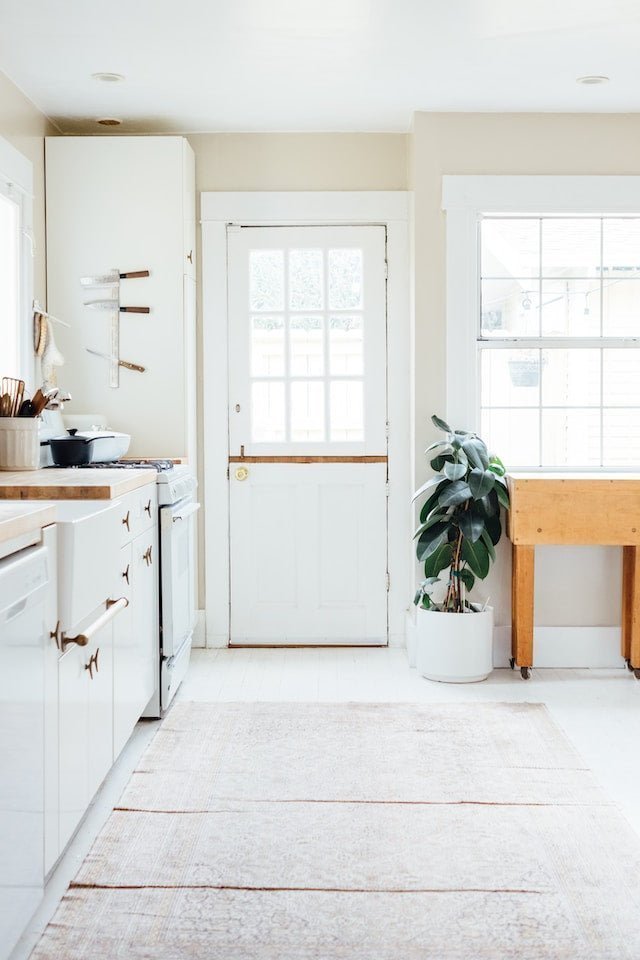
Credit: therugdecor.com
High-traffic Zones
High-traffic zones in your kitchen are where most of the daily action happens. These spots often see spills, drops, and constant foot traffic, making them ideal places to add kitchen mats. Placing mats strategically in these areas can protect your floors, add comfort, and even reduce slips.
In Front Of The Sink
Standing at the sink for washing dishes or prepping meals can strain your feet and legs. A cushioned mat here provides much-needed relief and comfort during these repetitive tasks. It also catches water splashes that can make the floor slippery and unsafe.
Think about how often you find water pooling near your sink. A mat not only keeps the floor dry but also prevents damage to hardwood or laminate flooring. Have you noticed your kitchen floor wearing out faster near the sink? That’s a clear sign a mat is needed.
Near The Stove And Oven
The area around your stove and oven is another high-traffic zone filled with spills and dropped ingredients. A heat-resistant mat can protect your floor from stains and burns. Plus, standing on a soft mat here reduces fatigue during long cooking sessions.
Consider the times you’ve spilled oil or sauce while cooking. A mat makes cleanup quicker and prevents those stubborn stains from setting in. It also creates a safer space by reducing the chance of slipping on dropped food.
Entry Points And Doorways
Entry points and doorways in the kitchen see constant foot traffic from all directions. Dirt, crumbs, and moisture often get tracked in, making these spots messy and hazardous. Placing durable mats here traps debris and keeps your kitchen cleaner.
Have you ever noticed how quickly floors near doorways show wear and tear? Mats act as a barrier to protect these areas, extending the life of your flooring. They also help you avoid slipping accidents caused by wet or dirty floors.
Comfort And Safety Benefits
Adding kitchen mats isn’t just about style; it’s about making your kitchen a more comfortable and safer place to work. Proper placement of mats can reduce strain on your legs, stop accidents before they happen, and keep your floors looking great. Let’s look at how mats can improve your kitchen experience in practical ways.
Reducing Fatigue While Standing
Standing for long periods while cooking or washing dishes can tire your feet, legs, and back. A cushioned kitchen mat provides a soft surface that absorbs pressure and reduces discomfort. You might notice you’re less tired after preparing meals when you add a mat in front of the sink or stove.
Think about the last time you stood on a hard floor for over an hour. Did your feet start to ache? A mat placed where you spend most of your time standing can make that pain disappear. It’s a simple change that can improve your daily cooking routine.
Preventing Slips And Falls
Kitchens can be slippery places, especially if water or oil spills happen. Mats with non-slip backing help keep you steady, reducing the chance of slipping. Placing mats near sinks and entryways where spills are common can protect you and your family from accidents.
Have you ever slipped in the kitchen? Adding a mat in those high-risk areas creates a safer environment for everyone. It’s an easy step to avoid injuries and keep your kitchen secure.
Protecting Flooring Surfaces
Repeated foot traffic, dropped utensils, and spills can damage kitchen floors over time. Mats act as a barrier, preventing scratches, stains, and wear. Positioning mats in front of the dishwasher or cooking area can save your floors from costly repairs.
Consider how your kitchen floor looks after years of use. Would you want to protect it? Mats help maintain the beauty of your flooring, keeping your kitchen looking fresh and clean longer.

Credit: mymatterly.com
Enhancing Kitchen Style
Placing kitchen mats near the sink or stove adds comfort and style to your space. Mats also protect floors from spills and wear in busy areas. Choose spots where you stand often to enhance both safety and decor.
Enhancing Kitchen Style A kitchen mat can transform a dull space. It adds color, pattern, and texture. Beyond function, mats add style and personality to kitchens. Thoughtful placement enhances the entire kitchen aesthetic.
Matching Colors And Patterns
Choose mats that match your kitchen's color scheme. This creates a cohesive look. A consistent color palette ties the room together. Patterns can echo other design elements. Stripes, florals, or geometric shapes work well. They add visual interest without overwhelming the space.
Coordinating With Kitchen Decor
Consider existing decor when selecting mats. Align them with kitchen themes or accents. Rustic kitchens benefit from natural fibers or earthy tones. Modern spaces shine with sleek, minimalistic designs. Aligning mats with decor elevates the kitchen's overall ambiance.
Layering Mats For Visual Interest
Layering mats can add depth to floors. Use different textures or sizes for a layered effect. Place a small mat atop a larger one for contrast. This technique creates a focal point in the kitchen. Mixing materials like jute and cotton offers unique texture contrasts.
Specialty Areas For Mats
Specialty areas in the kitchen benefit greatly from well-placed mats. These mats protect floors, reduce fatigue, and add comfort. Choosing the right spot for mats can improve kitchen function and safety. Some spots need mats more than others due to frequent standing or spills.
Under Kitchen Islands
Kitchen islands are busy spots for cooking and gathering. A mat under the island offers cushion during long meal prep times. It also protects floors from dropped utensils or spills. Choose a mat wide enough to cover the main standing area. This keeps your feet comfortable and your floor safe.
Around Breakfast Nooks
Breakfast nooks see daily use for quick meals and snacks. Mats here catch crumbs and spills easily. They also add warmth and style to the space. Pick mats that fit the nook shape and size. This keeps the area tidy and cozy for family moments.
Near Dishwashers And Prep Stations
Dishwashers and prep stations are prone to water splashes and food messes. Mats placed nearby help absorb spills and prevent slips. They create a safe zone for working with wet hands or sharp tools. Use mats with non-slip backing for extra security. This keeps your kitchen clean and reduces accident risks.

Credit: pepperwhites.com.au
Maintenance Tips For Kitchen Mats
Keeping kitchen mats clean and well-maintained is key to their durability and appearance. Regular care helps mats stay fresh and safe to use. Follow simple tips to extend the life of your kitchen mats.
Cleaning And Care
Vacuum kitchen mats often to remove loose dirt and crumbs. Spot clean stains quickly using a mild detergent and warm water. For a deep clean, hand wash mats or use a gentle machine cycle if the label allows. Always air dry mats completely before placing them back in the kitchen.
Replacing Worn Mats
Check mats regularly for signs of wear such as tears, thinning, or curling edges. Replace mats that no longer provide cushioning or have become slippery. Worn mats can cause accidents and reduce comfort while standing.
Avoiding Mold And Mildew
Keep mats dry by wiping spills immediately. Avoid placing mats on wet floors or near sinks where water collects. Store mats in a dry area when not in use. Allow mats to air out regularly to prevent dampness and mold growth.
Frequently Asked Questions
Where Should I Place Kitchen Mats For Best Comfort?
Place kitchen mats in areas where you stand the longest, like in front of the sink or stove. This reduces fatigue and provides cushioning for your feet during cooking and washing.
Can Kitchen Mats Protect Floors From Spills And Stains?
Yes, kitchen mats shield floors from spills, stains, and water damage. Choose waterproof, easy-to-clean mats for effective protection and maintenance.
Are Anti-fatigue Mats Good For Kitchen Use?
Anti-fatigue mats are excellent for kitchens. They reduce leg and back pain by cushioning hard floors, making standing tasks more comfortable.
How Do I Choose The Right Size For Kitchen Mats?
Measure the area where you want to place the mat. Select a mat that fits well without obstructing movement or cabinet doors.
Conclusion
Placing kitchen mats wisely adds comfort and safety. Put them near the sink to catch water drops. Place mats in front of the stove for extra support. Consider spots where you stand often while cooking. Choose mats that match your kitchen style and size.
Clean mats regularly to keep your kitchen fresh. Small changes make your kitchen more pleasant and safe. Simple steps bring big comfort during daily tasks. Your kitchen feels cozier with the right mats.