
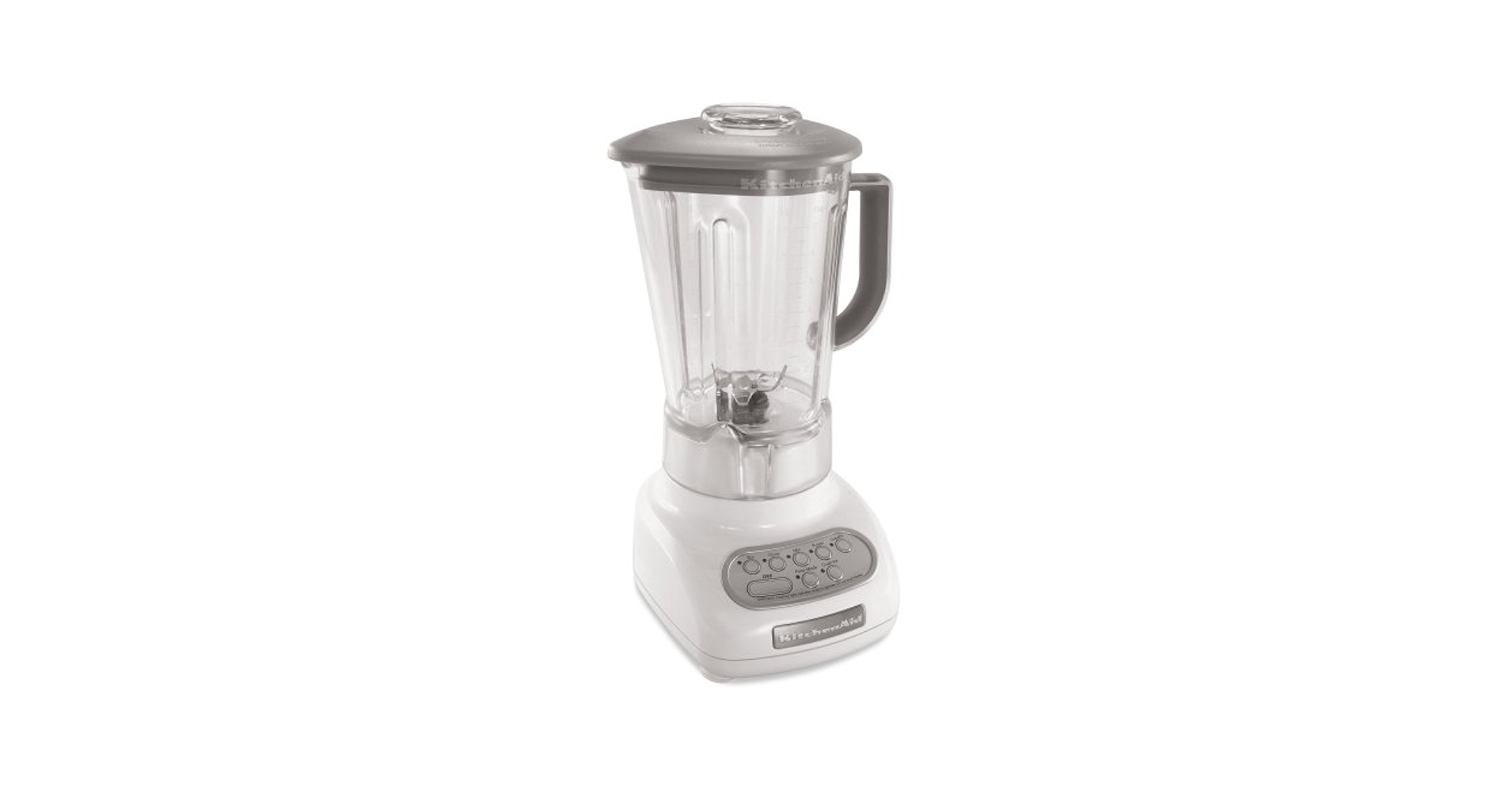
Have you ever wondered if your Kitchen Aid blender could be harming your health? You might be surprised to learn that some blenders, including popular models, have raised concerns about cancer and reproductive harm.
This isn’t just about your kitchen appliance—it’s about your safety and the well-being of your loved ones. If you want to know what risks might be lurking in your blender and how to protect yourself, keep reading. Understanding this could change the way you use your blender forever.
Kitchenaid Blender Safety Concerns
Concerns about the safety of KitchenAid blenders have recently caught the attention of many users. Questions about potential health risks, including cancer and reproductive harm, have sparked debates online and in consumer circles. Understanding the claims behind these worries helps you make informed choices about the appliances you use daily.
Claims About Cancer Risks
Some people say that materials used in KitchenAid blenders might release harmful chemicals linked to cancer. These claims often focus on the plastic components or seals that could contain BPA or other toxic substances.
However, KitchenAid states their products meet strict safety standards and do not contain known carcinogens. Yet, if you’re concerned, consider using glass or stainless steel options instead of plastic parts. Have you checked what materials your blender is made of?
Reproductive Harm Allegations
Allegations about reproductive harm relate to possible exposure to chemicals that interfere with hormone function. The worry is that long-term use or accidental ingestion of these substances could affect fertility or pregnancy outcomes.
Despite these claims, there is no direct scientific evidence linking KitchenAid blenders specifically to reproductive harm. Still, it’s smart to stay cautious and avoid heating plastic containers unnecessarily to reduce any risk. How often do you heat ingredients directly in your blender’s plastic parts?

Credit: www.kitchenaid.ca
Chemical Components In Blenders
Understanding the chemical components in blenders is crucial when considering health risks like cancer and reproductive harm. Your blender’s materials can release substances during use, especially under heat or wear. These chemicals might impact your safety more than you expect.
Materials Used In Kitchenaid Blenders
KitchenAid blenders often feature a mix of plastics, metals, and rubber parts. The blender jar might be made from BPA-free plastic or glass, while the base contains metal components like stainless steel. Seals and gaskets usually consist of synthetic rubber or silicone.
Each material plays a role in durability and performance, but some can also interact with food or the environment. Have you ever noticed a strange smell when blending hot ingredients? That could be a sign of chemical release.
Potentially Harmful Substances
Some plastics can contain chemicals like BPA, phthalates, or other additives linked to health risks. Even BPA-free plastics might have substitutes such as BPS, which are not always safer. Metals like lead or cadmium can sometimes be present in low amounts in older or cheaper blender parts.
- BPA and BPS:These chemicals mimic hormones and can disrupt your body's endocrine system.
- Phthalates:Used to make plastics flexible, they may affect reproductive health.
- Heavy Metals:Exposure to lead or cadmium can cause serious health issues over time.
Are you willing to risk your health for convenience? Checking product labels and choosing high-quality materials can reduce exposure to these harmful substances. Your blender is in your kitchen daily—why not make sure it’s safe?
Scientific Evidence And Studies
Scientific evidence plays a key role in understanding health risks linked to products. Studies and research help reveal if certain materials cause harm. In the case of Kitchen Aid blenders, concerns focus on chemicals that may lead to cancer or reproductive problems. Examining scientific data clarifies the potential dangers.
Research On Blender Materials
Some blenders use plastics that contain harmful chemicals like BPA or phthalates. Research shows these substances can disrupt hormones. Animal studies link exposure to increased cancer risk and reproductive harm.
Scientists test materials under different conditions to see if toxins leach out. Heat and friction during blending may release harmful compounds. Results vary by material type and manufacturing process.
Studies also compare blenders with safer alternatives. Glass or BPA-free plastics show fewer risks. Continued research is necessary to confirm long-term effects on humans.
Official Health Warnings
Government agencies issue warnings when products contain harmful chemicals. Some Kitchen Aid blender models received alerts due to toxic components. These warnings advise consumers to limit exposure to reduce risk.
Labels may state that the product contains chemicals linked to cancer or reproductive harm. These notices stem from scientific studies and regulatory review. Consumers should read and understand these warnings before use.
Health authorities encourage manufacturers to improve product safety. Monitoring and updated guidelines help protect public health over time.
Credit: www.walmart.com
Regulatory Standards And Compliance
Understanding regulatory standards and compliance is key when concerns arise about products like the KitchenAid blender. These standards are designed to protect consumers from harmful substances and ensure products meet strict safety criteria before they reach your kitchen. Let’s break down how these regulations apply and what the brand does in response to safety concerns.
Fda And Consumer Safety Regulations
The FDA sets guidelines to limit exposure to chemicals known to cause cancer or reproductive harm. Products that come into contact with food, like blenders, must meet these safety requirements to be sold legally in the U.S.
But how does the FDA monitor these items? They review ingredients and materials used in components such as seals and containers. If a product fails to meet these standards, it faces recalls or sales bans.
Have you ever checked if your kitchen tools comply with FDA standards? It might be worth a quick look to feel confident about what you’re using daily.
Kitchenaid's Response To Safety Claims
KitchenAid takes any safety claims seriously and often releases statements to clarify their product testing processes. They emphasize compliance with all federal regulations and use materials tested for consumer safety.
In several cases, KitchenAid has conducted additional testing to reassure customers and address concerns about chemical exposure. They also provide clear information about their manufacturing practices on their website.
If you’ve faced doubts about a product’s safety, did the company’s response help ease your worries? Transparency can make a big difference in trust.
Consumer Experiences And Reports
Consumers have shared various experiences regarding Kitchen Aid blenders. Many express concerns over warnings about cancer and reproductive harm. These issues have sparked discussions and debates among users.
User Reviews Highlighting Health Concerns
Numerous users have voiced their worries online. Some reviews mention shock upon discovering the warning label. They feel anxious about potential health risks.
Other users discuss their discomfort and confusion. They share stories of reconsidering purchases due to these warnings. These reviews reveal growing unease among consumers.
Legal Actions And Complaints
Several legal actions have been initiated concerning Kitchen Aid blenders. Complaints often focus on inadequate information about potential risks. Consumers seek transparency from manufacturers.
Some cases highlight demands for clearer labeling. Others emphasize the need for comprehensive health assessments. These legal efforts show a push for accountability and consumer safety.
Safe Usage Tips For Blenders
Using a blender safely helps reduce health risks. Blenders, like any kitchen tool, can expose users to chemicals if not handled properly. Following safety tips keeps your food pure and your health protected.
Avoiding Chemical Exposure
Choose blenders made with BPA-free materials. BPA can cause health problems, including cancer and reproductive harm. Avoid blending hot liquids in plastic containers to reduce chemical leaching. Use glass or stainless steel jars when possible. Always read the product label for safety information.
Proper Cleaning And Maintenance
Clean your blender after each use to prevent bacteria buildup. Use mild soap and warm water to wash all parts. Avoid harsh chemicals that can damage the blender or leave harmful residues. Check the blade assembly regularly for wear or rust. Replace damaged parts immediately to keep the blender safe and working well.
Alternatives To Kitchenaid Blenders
If you’re concerned about the warnings linked to KitchenAid blenders regarding cancer and reproductive harm, you’re not alone. Finding a safer alternative doesn’t mean giving up the convenience of a powerful blender. There are options designed with your health and the environment in mind, so you can blend without worry.
Blenders With Safer Materials
Many blenders use BPA-free plastics or even glass jars to avoid harmful chemicals. Look for brands that clearly state their containers are free from BPA, phthalates, and other toxins. For example, some models come with Tritan plastic, which is known for being durable and safer than traditional plastics.
Glass containers are an excellent choice if you want to avoid any chemical leaching completely. They’re heavier but easier to clean and don’t retain odors or stains. Brands like Vitamix and Blendtec offer glass jar options that combine safety with high performance.
Eco-friendly And Health-conscious Options
Choosing a blender made from sustainable materials supports your health and the planet. Bamboo handles, recycled metals, and energy-efficient motors are becoming common in eco-friendly blenders. These features reduce your carbon footprint without sacrificing power.
Some companies focus on ethical manufacturing and transparency about materials. You might want to explore brands that provide detailed product testing results and certifications. Wouldn’t you feel better knowing your blender supports not just your health but also fair labor and environmental practices?
- Check for certifications like FDA approval and low VOC emissions.
- Consider brands that offer repairable parts to extend the blender’s lifespan.
- Look for energy-saving modes to minimize electricity use.
Switching to a safer, eco-friendly blender doesn’t have to be complicated. It’s about asking the right questions and choosing products that put your well-being first. What features matter most to you in a blender?

Credit: us.amazon.com
Frequently Asked Questions
Why Does Kitchen Aid Blender Cause Cancer Warnings?
Kitchen Aid blenders contain small amounts of chemicals linked to cancer risks. These warnings comply with California’s Proposition 65. The label informs consumers about potential exposure to harmful substances in the product.
What Chemicals In Kitchen Aid Blenders Cause Harm?
The blender’s plastic parts may release BPA or phthalates. These chemicals are known to affect reproductive health and may increase cancer risk. The exposure level is usually very low but still triggers warning labels.
Are Kitchen Aid Blenders Safe To Use Daily?
Yes, Kitchen Aid blenders are generally safe if used as directed. The cancer and reproductive harm warnings are precautionary and based on possible chemical exposure. Proper cleaning and usage reduce any potential health risks.
How To Avoid Harmful Exposure From Kitchen Aid Blender?
Use BPA-free accessories and avoid heating food directly in the blender. Always follow manufacturer instructions and clean parts thoroughly. Limiting prolonged contact with plastic components reduces exposure to harmful chemicals.
Conclusion
Kitchen Aid blender contains chemicals linked to cancer and reproductive harm. These chemicals can affect your health over time. Knowing this helps you make safer choices. Always check product labels and warnings carefully. Choose blenders made with safer materials when possible.
Staying informed protects you and your family. Safety matters in every kitchen tool you use. Remember, small steps can reduce big risks. Stay aware and shop smart for your health.