
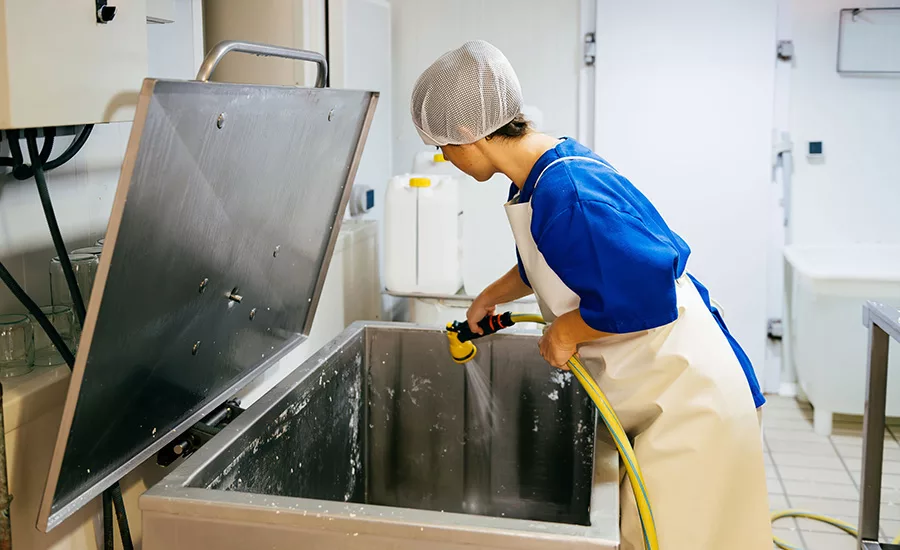
Why is Sanitation Important in the Kitchen. Have you ever stopped to think about how clean your kitchen really is? The way you handle sanitation in your kitchen can make a huge difference to your health and the safety of the food you prepare.
Even a small mistake can lead to harmful germs spreading, causing illness for you and your loved ones. You’ll discover why keeping your kitchen spotless is not just about looks—it’s about protecting your family and making your cooking experience better.
Keep reading to find out simple steps you can take right now to create a safer, healthier kitchen environment.
Health Risks Of Poor Kitchen Sanitation
Poor kitchen sanitation can turn your cooking space into a breeding ground for harmful bacteria and viruses. These pathogens can easily contaminate your food, leading to serious health problems. Understanding the health risks of poor kitchen sanitation is crucial to protecting yourself and your loved ones.
Common Foodborne Illnesses
Foodborne illnesses are caused by consuming contaminated food or drinks. Some of the most common ones include:
- Salmonella:Causes diarrhea, fever, and stomach cramps. Often linked to raw or undercooked eggs and poultry.
- E. coli:Leads to severe stomach cramps and vomiting. Contamination usually comes from raw meat or unwashed vegetables.
- Listeria:Particularly dangerous for pregnant women, causing flu-like symptoms and sometimes miscarriage.
Have you ever felt unwell after a meal? It might be due to one of these hidden threats in your kitchen.
Sources Of Contamination
Contamination can come from many places in your kitchen. Some of the most common sources are:
- Dirty cutting boards and knives that carry bacteria from raw meat to other foods.
- Improper handwashing after handling raw food or garbage.
- Cross-contamination between raw and cooked foods, especially in refrigerators and countertops.
- Unclean sponges and dishcloths that hold bacteria and spread it around.
Could your kitchen tools be silently spreading germs? Regular cleaning and careful handling can stop contamination in its tracks.
Impact On Vulnerable Groups
Some people are more at risk from poor kitchen sanitation than others. This includes:
- Children:Their immune systems are still developing, making them more prone to infections.
- Pregnant women:They face higher risks of serious complications from foodborne illnesses.
- Older adults:Weakened immunity can make it harder to fight infections.
- People with chronic illnesses:Conditions like diabetes or cancer can increase vulnerability.
Are you taking extra precautions for those in your home who need it most? Keeping your kitchen clean isn’t just about hygiene—it’s about safeguarding lives.
Credit: www.food-safety.com
Key Sanitation Practices
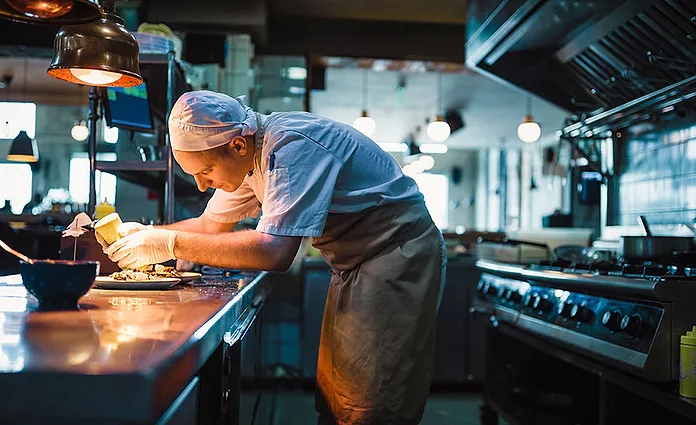
Maintaining key sanitation practices in your kitchen is essential for keeping your food safe and preventing illness. These practices protect you and your loved ones from harmful bacteria and viruses that can easily spread in a busy cooking space. Paying attention to simple habits can make a big difference in your kitchen’s cleanliness and your overall health.
Proper Handwashing Techniques
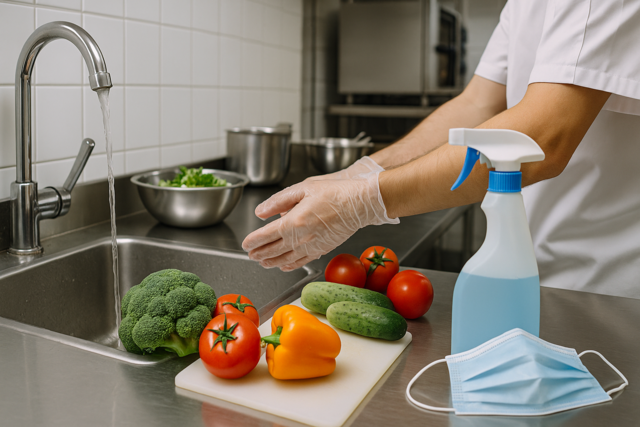
Your hands are the main carriers of germs in the kitchen. Washing them properly before handling food can stop contamination right at the source.
- Use warm water and soap.
- Scrub all parts of your hands, including between fingers and under nails, for at least 20 seconds.
- Rinse thoroughly and dry with a clean towel or air dryer.
Have you noticed how often you touch your face or phone while cooking? Being mindful and washing your hands regularly can reduce the chance of transferring germs onto food.
Cleaning And Disinfecting Surfaces
Kitchen surfaces like countertops, cutting boards, and sinks can quickly become breeding grounds for bacteria. Cleaning removes dirt and food particles, but disinfecting kills germs that remain afterward.
- Clean surfaces with hot, soapy water after each use.
- Use a kitchen-safe disinfectant or a diluted bleach solution to sanitize surfaces regularly.
- Pay special attention to high-touch areas such as handles and faucet knobs.
Think about how many times raw meat juices or spills touch your counter. Not disinfecting those spots immediately can turn your kitchen into a risk zone.
Safe Food Storage Methods
Properly storing food prevents spoilage and slows the growth of harmful bacteria. This practice keeps your ingredients fresh and your meals safe to eat.
- Keep raw meat separate from ready-to-eat foods to avoid cross-contamination.
- Store perishable items in the refrigerator at or below 40°F (4°C).
- Use airtight containers or wrap food tightly to maintain freshness and prevent exposure to air.
Have you ever found leftovers in your fridge that looked fine but smelled off? Storing food correctly helps you avoid this problem and protects your health.
Tools And Materials For Kitchen Hygiene
Keeping your kitchen clean means having the right tools and materials at hand. Without them, even your best efforts can fall short. It’s not just about wiping surfaces; it’s about choosing what cleans, sanitizes, and prevents cross-contamination effectively.
Effective Cleaning Agents
Using the right cleaning agents makes a huge difference. Dish soaps that cut through grease and degreasers help remove stubborn food residues. But remember, not all cleaning agents are safe for every surface.
Look for products labeled safe for kitchen use. Natural options like vinegar and baking soda can also work well for everyday cleaning. Do you check the labels on your cleaning supplies to ensure they’re food-safe?
Sanitizing Equipment
Sanitizing goes beyond cleaning; it kills bacteria and viruses that can cause illness. You need equipment like sanitizing sprays, wipes, or even UV sanitizers to keep your kitchen truly safe.
Consider keeping a small spray bottle of diluted bleach or a commercial sanitizer handy for cutting boards and countertops. Have you ever thought about how often you sanitize your kitchen tools?
Using Separate Utensils
Cross-contamination is a major risk when you use the same utensils for raw and cooked foods. Having separate cutting boards, knives, and utensils for different food types reduces this risk significantly.
Color-coded utensils are a smart choice to help you keep track easily. How often do you switch utensils between tasks in your kitchen? Making this a habit can protect you and your loved ones from foodborne illnesses.

Credit: www.fooddocs.com
Preventing Cross-contamination
Preventing cross-contamination is crucial for a safe kitchen environment. It stops harmful bacteria from spreading. These bacteria can cause food poisoning and other health issues. Proper kitchen sanitation reduces the risk of contamination between foods.
Handling Raw And Cooked Foods
Keep raw foods separate from cooked foods. Raw meats and seafood carry bacteria that cooked foods do not. Always use different utensils for raw and cooked items. Wash hands thoroughly after touching raw foods. Store raw foods below cooked foods in the fridge to avoid drips.
Using Cutting Boards Safely
Use separate cutting boards for different food types. One board for raw meat, another for vegetables, and one for cooked foods. Clean cutting boards with hot, soapy water after each use. Replace cutting boards that have deep grooves. These grooves can hide bacteria and make cleaning difficult.
Avoiding Kitchen Clutter
Keep your kitchen workspace clean and organized. Clutter makes it hard to clean surfaces properly. Store utensils and ingredients neatly. Wipe down counters regularly to remove food particles. A tidy kitchen helps prevent cross-contamination by reducing bacteria spread.
Maintaining Personal Hygiene
Maintaining personal hygiene in the kitchen is crucial for keeping food safe and preventing the spread of bacteria and viruses. Your habits and appearance directly affect the cleanliness of the environment where meals are prepared. By paying attention to simple hygiene practices, you protect not only yourself but everyone who eats the food you prepare.
Clothing And Hair Hygiene
Wearing clean clothes each time you cook helps reduce the chance of transferring dirt or germs to your food. Avoid loose or dangling accessories that can fall into dishes or catch on kitchen tools.
Hair is a common source of contamination. Tie back long hair and consider wearing a hairnet or cap to keep strands from falling into the food. Even a quick sneeze or cough can spread germs if you don’t cover your mouth properly.
Avoiding Food Preparation When Sick
Cooking while you’re sick puts others at risk. Viruses and bacteria from your body can easily spread to utensils, surfaces, and ingredients.
If you have symptoms like coughing, sneezing, or a fever, it’s best to let someone else handle the cooking. Have you ever wondered how many people unknowingly spread germs through food? Skipping food prep during illness is a simple way to stop that chain.
Regular Health Checks
Keeping track of your health with regular check-ups ensures you don’t unknowingly carry infections that could contaminate food. Some illnesses don’t show obvious symptoms but still pose risks in the kitchen.
Getting screened for conditions like skin infections or respiratory illnesses helps you stay aware and take necessary precautions. How often do you think about your health’s impact on the food you prepare? Making health checks part of your routine is a smart step for safer cooking.
Sustainable Sanitation Habits
Adopting sustainable sanitation habits is crucial for a healthy kitchen. It ensures a clean space and reduces waste. By fostering these habits, we maintain a safer environment. Let’s explore how daily routines, waste disposal, and family involvement contribute.
Daily Cleaning Routines
Regular cleaning keeps the kitchen tidy and germ-free. Wipe surfaces with a damp cloth daily. Clean spills immediately to prevent stains and bacteria. Use mild detergents to protect the environment. Keep your cleaning supplies organized for easy access. A clean kitchen promotes better health.
Proper Waste Disposal
Efficient waste disposal prevents foul odors and pests. Sort waste into recyclables, compost, and trash. Use sealed bins to avoid attracting insects. Take out the trash regularly to maintain hygiene. Composting kitchen waste enriches the soil and reduces landfill use. Proper disposal safeguards your kitchen's cleanliness.
Encouraging Family Participation
Engage family members in maintaining sanitation. Assign simple tasks to everyone. Children can help with sorting recyclables. Adults can manage composting and waste removal. Create a cleaning schedule to share responsibilities. This teamwork fosters a sense of ownership and pride. Family involvement makes sanitation a shared goal.
Credit: www.universalclass.com
Frequently Asked Questions
Why Is Kitchen Sanitation Important For Health?
Kitchen sanitation prevents harmful bacteria and viruses from contaminating food. It reduces foodborne illnesses and keeps your family safe. Clean surfaces and utensils stop cross-contamination, ensuring safer meals. Proper sanitation promotes overall hygiene and healthier living environments.
How Does Sanitation Prevent Food Poisoning?
Sanitation kills germs and removes dirt from kitchen areas. This stops bacteria growth on food and surfaces. Clean kitchens reduce the risk of foodborne pathogens causing illness. Proper sanitation ensures food remains safe to eat and prevents poisoning.
What Are Common Kitchen Sanitation Practices?
Common practices include washing hands regularly, cleaning utensils, and sanitizing surfaces. Proper storage of food and timely disposal of waste also matter. These habits keep kitchens hygienic and reduce contamination risks. Consistent sanitation maintains a safe cooking environment.
How Often Should Kitchen Sanitation Be Done?
Kitchen sanitation should be done daily, especially after food preparation. Regular cleaning of countertops, cutting boards, and sinks is essential. Deep cleaning weekly helps maintain overall hygiene. Frequent sanitation keeps bacteria levels low and food safe.
Conclusion
Keeping your kitchen clean protects your health and your family’s. Germs and bacteria spread easily without proper sanitation. Clean surfaces stop cross-contamination and food poisoning risks. Regular washing of hands, dishes, and utensils matters a lot. A tidy kitchen also helps you cook better and faster.
Everyone benefits from safe food and a neat space. Simple habits make a big difference every day. Sanitation is not just a chore—it’s a key to healthy living. Stay safe, stay clean, and enjoy your meals worry-free.