
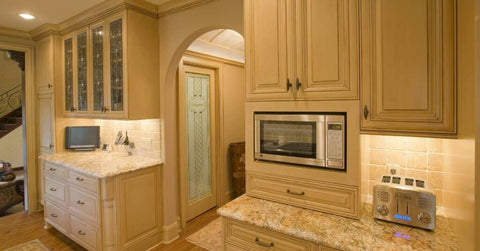
Have you ever noticed how your kitchen feels like a sauna after using a regular oven? It’s uncomfortable, especially during hot days, and can make cooking a chore.
You might be wondering if a toaster oven could be the simple solution to keep your kitchen cooler. You’ll discover how a toaster oven works and whether it really helps reduce heat in your kitchen. Keep reading to find out how you can stay comfortable while still enjoying your favorite meals.
:max_bytes(150000):strip_icc()/ses-product-black-decker-convection-toaster-oven-wdickey-51-c9d87b6ca84a47cfa8e7e5507f7526f7.jpg)
Credit: www.thespruceeats.com
Heat Generation In Kitchens
Heat generation in kitchens is a common concern, especially during hot summer months or in small spaces. Understanding where the heat comes from can help you manage your cooking environment better. It also plays a key role when deciding if a toaster oven is a cooler alternative to traditional ovens.
Sources Of Kitchen Heat
Your kitchen heats up from several sources beyond just the appliances you use. Lighting, especially incandescent bulbs, can add noticeable warmth. Even the body heat of people moving around contributes to the overall temperature.
Cooking appliances are the main culprits. Stovetops, ovens, microwaves, and toaster ovens all generate heat, but not equally. Ventilation, or the lack of it, greatly affects how much heat stays trapped inside.
Have you ever noticed how a small kitchen with poor airflow feels like a sauna during meal prep? That’s because heat accumulates quickly when it can’t escape.
Impact Of Traditional Ovens
Traditional ovens produce a significant amount of heat as they cook. The heating elements inside create high temperatures that radiate throughout the oven cavity and often spill into the surrounding kitchen area.
This heat isn’t just from the oven’s interior; the exterior surface can get very warm, raising the temperature of nearby cabinets and walls. Using a traditional oven for long periods can make your kitchen uncomfortably hot.
Think about the last time you baked a batch of cookies on a hot day—did your kitchen temperature spike noticeably? That rise is due to the oven’s heat output and the time it takes to cool down afterward.
Toaster Oven Heat Output
Understanding the heat output of a toaster oven is key to figuring out if it will keep your kitchen cooler. Unlike traditional ovens, toaster ovens are smaller and use less energy, but how does that affect the heat they release into your kitchen? Let’s break down the mechanics and compare their heat emission to conventional ovens.
How Toaster Ovens Work
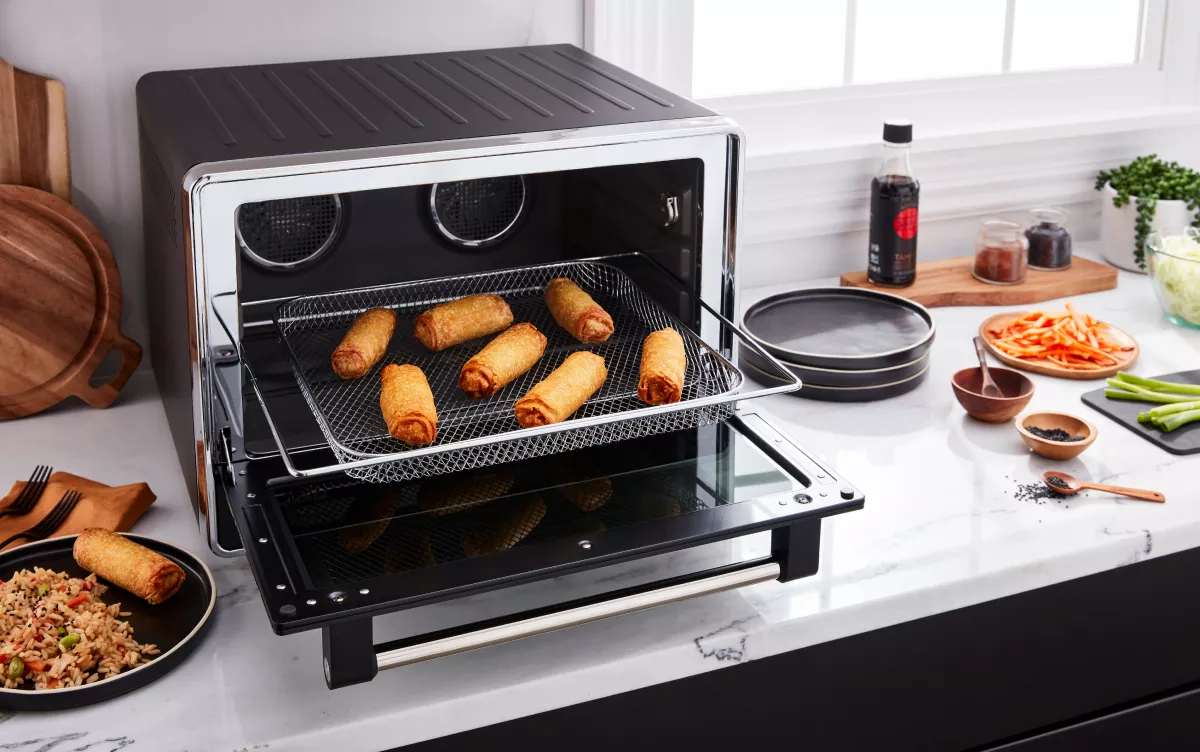
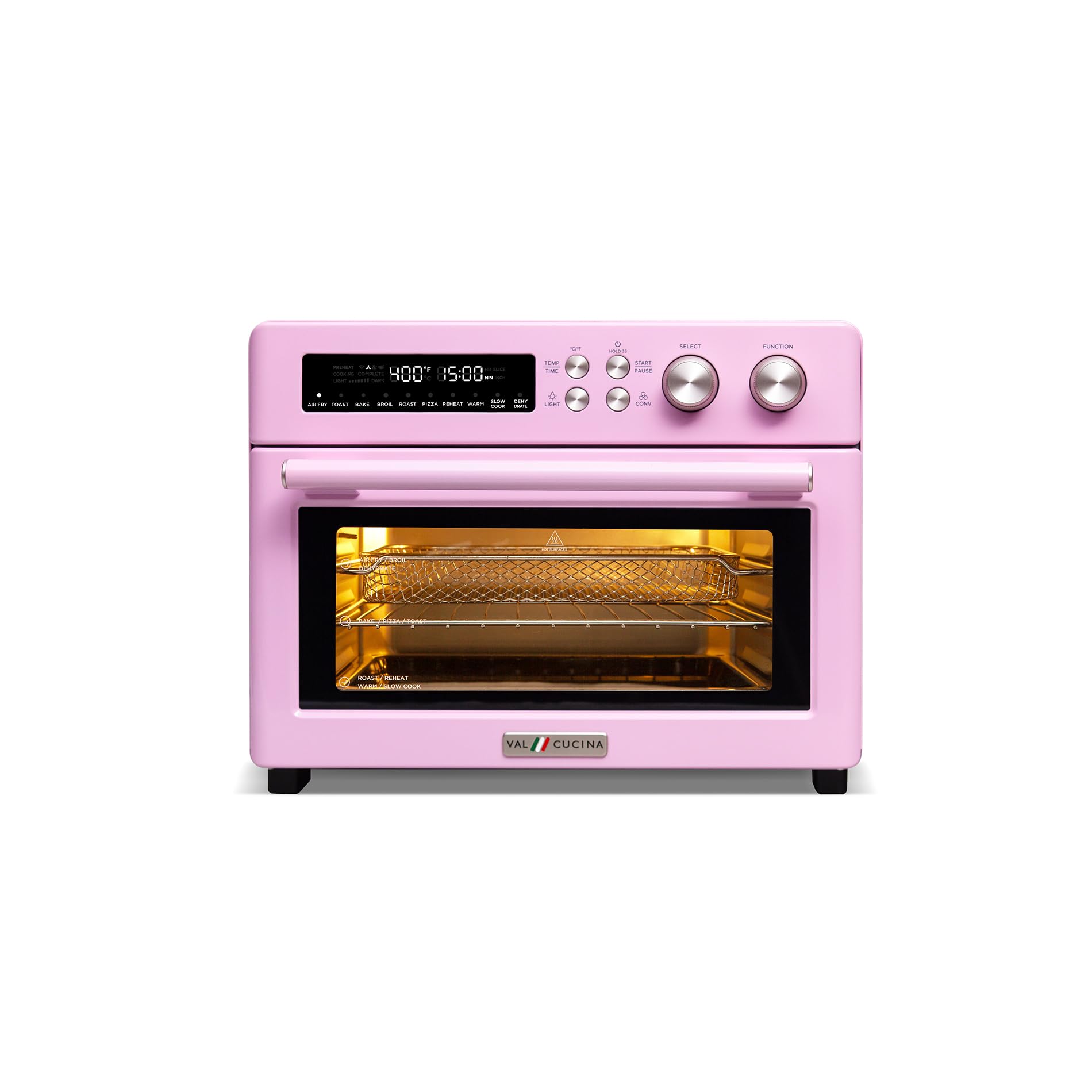
Toaster ovens use heating elements located at the top and bottom inside a compact chamber. These elements heat up quickly and cook food by radiating heat directly onto it.
Because the cooking space is small, toaster ovens reach the desired temperature faster. This means they don’t need to stay on as long as a full-sized oven would.
Have you noticed how your toaster oven heats up immediately but cools down quickly once off? This quick heating and cooling cycle limits the amount of heat that escapes into your kitchen.
Heat Emission Compared To Ovens
Traditional ovens heat a large interior space, which takes time and energy. This process often warms up the surrounding kitchen air more than a toaster oven.
Toaster ovens, due to their size, emit less residual heat. The small cooking area means less air is heated inside, so less heat escapes outside.
- Energy use:Toaster ovens typically use 1200-1800 watts, while ovens can use 2000-5000 watts.
- Heat spread:Ovens heat the entire kitchen area more significantly than toaster ovens.
- Cooking time:Faster preheating in toaster ovens reduces the total heat output.
Think about your last time cooking with a big oven on a hot day. Did your kitchen feel stuffy? Using a toaster oven instead could help you avoid that extra heat buildup.
Benefits Of Using A Toaster Oven
Using a toaster oven offers several advantages, especially in keeping the kitchen cool. This handy appliance is not just for toasting bread. It can handle a variety of cooking tasks while maintaining a pleasant kitchen environment. Let's explore how a toaster oven can benefit you.
Energy Efficiency
Toaster ovens consume less energy than conventional ovens. They heat up quickly and cook food faster. This efficiency translates to lower electricity bills. You can save money and still enjoy delicious meals. Plus, with less energy, there's less heat output.
Reduced Heat In Small Spaces
A toaster oven generates less heat, which is perfect for small kitchens. Traditional ovens can make a kitchen uncomfortably hot. A toaster oven keeps the temperature down, making cooking more enjoyable. This is especially useful during warm weather.
Smart Cooking Tips To Minimize Heat
Keeping your kitchen cool while cooking helps you stay comfortable and saves energy. Smart cooking tips reduce heat buildup and improve your kitchen’s environment. Small changes in how you cook make a big difference. These tips help you cook without overheating your space.
Optimal Appliance Choices
Choose appliances that produce less heat. A toaster oven uses less energy than a full oven. Microwaves and slow cookers generate minimal heat. Use small appliances for small meals. Avoid opening the oven door often; it releases hot air. Energy-efficient models keep your kitchen cooler.
Timing And Temperature Strategies
Cook during cooler parts of the day. Early mornings or late evenings are best. Use lower temperatures and longer cooking times. This reduces heat output and still cooks food well. Combine tasks to reduce appliance use time. Preheat only when needed to save energy.
Ventilation And Airflow Tricks
Use exhaust fans to remove hot air. Open windows to create cross-ventilation. Position a fan to blow hot air outside. Keep air moving with ceiling or portable fans. Avoid blocking vents or airflow paths. Ventilation lowers kitchen temperature quickly and efficiently.
When A Toaster Oven May Not Help
Toaster ovens are often praised for being a cooler alternative to traditional ovens. However, there are times when they might not reduce the heat in your kitchen as much as you expect. Understanding these limitations can help you make better choices about your cooking appliances and kitchen comfort.
Limitations In Cooking Capacity
Toaster ovens are smaller than regular ovens, so they can't handle large meals or multiple dishes at once.
If you're cooking for a family or preparing several items, you might end up running the toaster oven multiple times. This repeated use can generate heat over time, warming up your kitchen unexpectedly.
Have you noticed how your toaster oven heats up your countertop during long cooking sessions? This heat contributes directly to the room’s overall warmth.
Heat From Other Appliances
Your kitchen’s temperature depends on more than just one appliance. Microwaves, stovetops, and even refrigerators can affect how hot your space feels.
Using a toaster oven alongside a gas stove or electric oven might not keep your kitchen as cool as you'd like. The combined heat output from multiple devices adds up quickly.
Think about your kitchen setup: Are other appliances running simultaneously? If yes, the toaster oven alone won't stop the heat buildup.
Credit: www.kitchenaid.com
Credit: www.amazon.com
Frequently Asked Questions
Does A Toaster Oven Produce Less Heat Than A Regular Oven?
Yes, a toaster oven generates less heat because of its smaller size. It heats faster and uses less energy. This can help keep your kitchen cooler compared to a conventional oven during cooking.
Can A Toaster Oven Prevent Kitchen Overheating In Summer?
A toaster oven can reduce kitchen heat buildup in summer. It produces less ambient heat, making the kitchen more comfortable. However, ventilation and other factors also affect overall kitchen temperature.
Is A Toaster Oven More Energy-efficient Than A Conventional Oven?
Yes, toaster ovens use less energy by heating smaller spaces quickly. This efficiency leads to less heat waste, lowering both energy costs and excess kitchen heat.
How Does Toaster Oven Cooking Impact Kitchen Temperature?
Toaster ovens emit less heat into the kitchen. Their compact design limits heat spread, preventing the kitchen from becoming excessively hot during cooking.
Conclusion
A toaster oven can help keep your kitchen cooler than a full-size oven. It uses less energy and heats up faster. This means less heat escapes into the room. Small meals or snacks cook well in a toaster oven. It is a practical choice for warm days.
Still, it will not eliminate all kitchen heat. Ventilation and other cooling methods also matter. Choosing a toaster oven can make cooking more comfortable and less hot. Simple steps help maintain a cooler kitchen while preparing meals.