
Your kitchen sink drain is one of the busiest spots in your home, but it’s also a hidden hotspot for germs and unpleasant odors. If you’ve ever noticed a foul smell or slow drainage, it’s a sign your drain needs a deep clean.
Sanitizing your kitchen sink drain not only keeps your kitchen fresh but also protects your family from harmful bacteria. You’ll discover simple, effective steps to sanitize your drain quickly and safely. Ready to make your kitchen cleaner and healthier? Let’s dive in!
Why Sanitize Your Sink Drain
Sanitizing your kitchen sink drain is essential for a clean and safe home. The sink drain collects food particles and moisture, creating a perfect spot for germs. Without proper cleaning, these germs multiply quickly. This can cause bad smells and unhealthy conditions. Regular sanitizing helps keep your kitchen fresh and protects your health.
Common Germs In Kitchen Drains
Kitchen drains harbor many types of germs. Bacteria like Salmonella, E. coli, and Listeriathrive in leftover food and moisture. These bacteria can cause food poisoning and stomach problems. Mold and mildew also grow in damp areas, releasing spores that irritate your lungs. Germs multiply fast in warm, wet places like sink drains.
Health Risks From Dirty Drains
Dirty drains can lead to several health issues. Harmful bacteria can contaminate dishes and utensils. This increases the risk of infections and foodborne illnesses. Mold spores may cause allergic reactions or breathing problems. Bad odors from the drain can make your kitchen unpleasant. Keeping your sink drain sanitized reduces these health risks.
:max_bytes(150000):strip_icc()/SPR-how-pro-cleaners-clean-a-sink-11781060-6d7babfdf0074ca79564864a6c7325dd.jpg)
Credit: www.thespruce.com
Tools And Supplies Needed
Cleaning and sanitizing a kitchen sink drain requires specific tools and supplies. Using the right items makes the task easier and more effective. This section lists everything needed for a thorough job.
Essential Cleaning Products
- White vinegar – natural disinfectant and deodorizer
- Baking soda – helps remove grime and neutralize odors
- Liquid dish soap – cuts grease and cleans surfaces
- Bleach or disinfectant spray – kills bacteria and germs
- Old toothbrush or small scrub brush – reaches tight drain areas
- Pipe brush or flexible drain brush – cleans inside drain pipes
- Hot water – flushes away loosened dirt and bacteria
Safety Gear To Use
- Rubber gloves – protect your hands from chemicals and germs
- Eye protection – shields eyes from splashes and fumes
- Face mask – prevents inhaling strong cleaning fumes
- Old clothes or apron – keeps your clothing safe from spills
Preparing The Sink Drain
Preparing your kitchen sink drain before sanitizing is essential to ensure the process is effective. This step involves clearing out any visible blockages and making sure the pathway is free for cleaning agents to reach every corner. Taking the time here can save you from recurring odors and slow drainage later on.
Removing Debris And Food Particles
Start by checking the drain opening for any food scraps or debris. Use gloves and a paper towel or a small brush to scoop out bits stuck around the drain cover or strainer.
Have you noticed how often tiny food bits get trapped, leading to bad smells? Clearing these out regularly prevents buildup and keeps your sink fresh.
If you have a garbage disposal, run cold water and turn it on briefly to flush out loose particles. Avoid pushing debris deeper without clearing the surface first, or you risk clogging the pipes.
Clearing The Drain Trap
The drain trap, or P-trap, holds water to block sewer gases but can trap gunk over time. Place a bucket underneath to catch any spills before loosening the slip nuts that hold it in place.
Once removed, inspect the trap for buildup like grease, hair, or food bits. Use a bottle brush or an old toothbrush to scrub inside thoroughly.
Rinse the trap with hot water before reinstalling it. This simple step often improves drainage speed and reduces smells dramatically.
Sanitizing Methods
Pour a mixture of baking soda and vinegar down the kitchen sink drain to break down grime and kill germs. Rinse with hot water to flush out dirt and leave the drain fresh and clean. Regular cleaning keeps odors and buildup away.
Sanitizing the kitchen sink drain is vital for a clean kitchen. It helps eliminate germs and prevents unpleasant odors. Different methods can be used to ensure your sink drain is sanitized effectively. Each method offers unique benefits. Below are some popular sanitizing methods.
Using Natural Cleaners
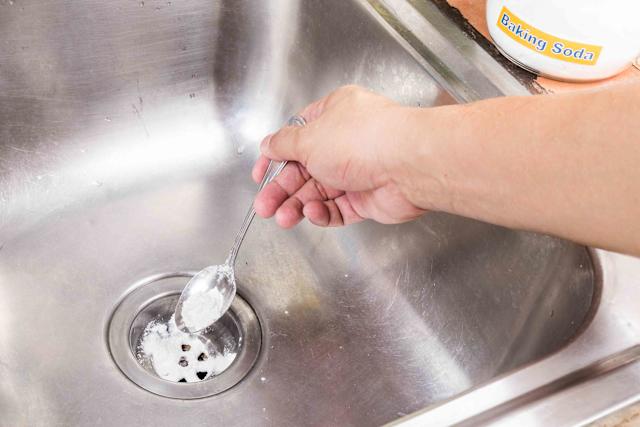
Natural cleaners are safe and eco-friendly. They effectively remove bacteria without harsh chemicals. Baking soda and vinegar are popular choices. Sprinkle baking soda into the drain. Follow it with vinegar. This combination fizzes, breaking down grime and killing bacteria. Let it sit for about 15 minutes. Then, flush with hot water. Lemon juice can also be used. It adds a fresh scent while killing germs. Simply pour lemon juice down the drain and rinse with hot water.
Chemical Disinfectants
Chemical disinfectants are strong and efficient. They kill germs quickly. Choose a disinfectant labeled safe for kitchen use. Pour the recommended amount down the drain. Allow it to sit for the specified time. Then, rinse thoroughly with water. Always follow safety instructions on the label. Wear gloves to protect your skin. Ensure the area is well-ventilated.
Steam Cleaning Technique
Steam cleaning is a powerful sanitizing method. It uses high-temperature steam to kill bacteria. A steam cleaner penetrates deep into the drain. It removes dirt and eliminates germs. Fill the steam cleaner with water. Direct the steam nozzle into the drain. Move the nozzle around for even coverage. This method requires no chemicals. It's safe and environmentally friendly.
Step-by-step Cleaning Process
Sanitizing your kitchen sink drain is essential to keep germs at bay and maintain a fresh-smelling kitchen. A clear, detailed cleaning process helps you tackle hidden buildup effectively. Let’s break down the steps so you can easily follow along and achieve a spotless drain.
Initial Rinse And Scrub
Start by rinsing your sink drain with hot water. This loosens dirt and food particles stuck inside. Then, grab a small brush or an old toothbrush and scrub the drain edges and visible parts thoroughly.
Focus on the rubber gasket and the drain stopper too, as grime often hides there. You might notice a slimy layer—don’t ignore it, as it’s a breeding ground for bacteria. How often do you really think about cleaning these tiny spots?
Applying Sanitizer
Choose a kitchen-safe sanitizer, like a bleach solution or a vinegar and baking soda mix. Pour it slowly into the drain, making sure it reaches deep inside the pipes. Let it sit for about 10 minutes to kill germs effectively.
If you prefer natural options, vinegar and baking soda not only sanitize but also deodorize. Have you ever noticed a foul smell lingering even after washing? Sanitizing tackles that problem directly.
Final Rinse And Dry
Flush the drain with plenty of hot water to wash away the sanitizer and loosened debris. Use a clean cloth to dry around the drain and sink area completely. Moist environments encourage mold and bacteria, so keeping it dry is crucial.
After drying, consider leaving the drain stopper open for a few hours to let air circulate. This simple step can prevent future buildup and odors. When was the last time you let your sink breathe?
Maintaining A Germ-free Drain
Maintaining a germ-free kitchen sink drain is essential for a healthy home environment. Drains can collect food particles, grease, and bacteria over time. This buildup causes unpleasant odors and can spread germs throughout your kitchen. Keeping your drain clean helps prevent clogs and keeps your sink smelling fresh.
Regular Cleaning Schedule
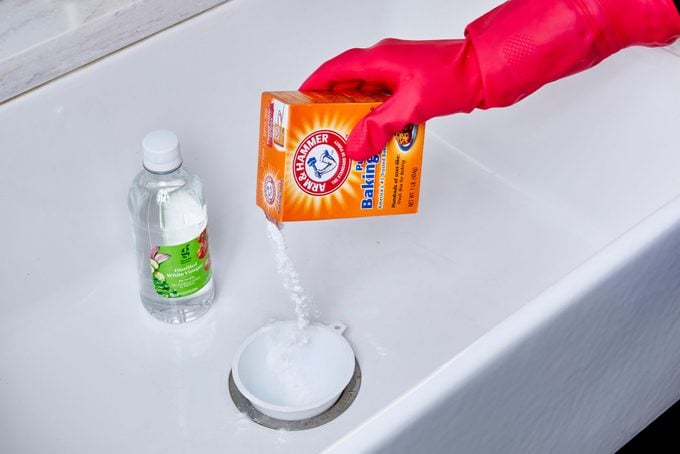
Set a routine to clean your drain at least once a week. Use a mixture of baking soda and vinegar to break down grime. Pour half a cup of baking soda into the drain. Follow it with half a cup of vinegar. Let the mixture sit for 15 minutes. Then, flush with hot water to clear loosened debris.
Use a brush or an old toothbrush to scrub the drain edges. Regular cleaning stops bacteria from multiplying. It also reduces the risk of bad smells and slow drainage.
Preventing Future Buildup
Pour boiling water down the drain after each use. This helps melt grease and prevents solid deposits. Avoid pouring grease or oil directly into the sink. Use a drain strainer to catch food scraps and debris. Empty the strainer regularly to keep it effective.
Use natural enzyme-based drain cleaners monthly. These products break down organic waste safely. Avoid harsh chemical cleaners that can damage pipes and harm the environment.
Tips For Odor Control
Keeping your kitchen sink drain free from bad smells is important. Odors can make the kitchen unpleasant and affect your home’s freshness. Simple tips help control and remove these odors effectively. Using natural solutions avoids harsh chemicals and keeps your kitchen safe.
Natural Deodorizers
Natural deodorizers work well to freshen your sink drain. Baking soda is a popular choice. It absorbs odors and cleans at the same time.
- Pour half a cup of baking soda into the drain.
- Follow with half a cup of white vinegar.
- Let it fizz and sit for 15 minutes.
- Flush with hot water to clear residue.
Another option is lemon. Lemon juice or lemon peels add a fresh scent.
- Drop lemon peels down the drain.
- Run hot water to release natural oils.
- This kills bacteria and removes bad smell.
Avoiding Smelly Drains
Preventing odors is easier than removing them. Avoid putting grease or food scraps down the drain. These cause buildup and bad smells.
- Use a drain strainer to catch food bits.
- Clean the strainer regularly to stop rot.
- Flush the drain weekly with hot water.
- Use baking soda and vinegar monthly to keep fresh.
Keep drains dry when not in use. Standing water breeds bacteria and odor. Wipe the sink and drain area after washing dishes.

Credit: www.youtube.com
Credit: www.rd.com
Frequently Asked Questions
How Often Should I Sanitize My Kitchen Sink Drain?
Sanitize your kitchen sink drain at least once a week. Regular cleaning prevents bacteria buildup and bad odors. For heavy use, sanitize twice weekly to maintain hygiene.
What Household Items Effectively Sanitize Sink Drains?
Use white vinegar and baking soda to sanitize sink drains naturally. These items kill germs and dissolve grime. You can also use diluted bleach for stronger disinfection. Always rinse thoroughly after sanitizing.
Can I Use Bleach To Sanitize Kitchen Sink Drains?
Yes, bleach is effective for sanitizing kitchen sink drains. Dilute one part bleach with ten parts water before use. Avoid mixing bleach with other cleaners. Rinse the drain well after application.
Is Boiling Water Safe For Cleaning Sink Drains?
Boiling water helps dissolve grease and kill bacteria in sink drains. Pour boiling water slowly down the drain once or twice a week. It complements other sanitizing methods but may not remove all germs.
Conclusion
Sanitizing your kitchen sink drain keeps your home clean and fresh. It stops bad smells and prevents germs from growing. Use simple cleaners like baking soda and vinegar for best results. Regular cleaning saves you from tough clogs and costly repairs.
A clean drain helps keep your kitchen safe and healthy. Make this a part of your routine for a happier kitchen. Easy steps, big benefits. Why wait? Start today.