
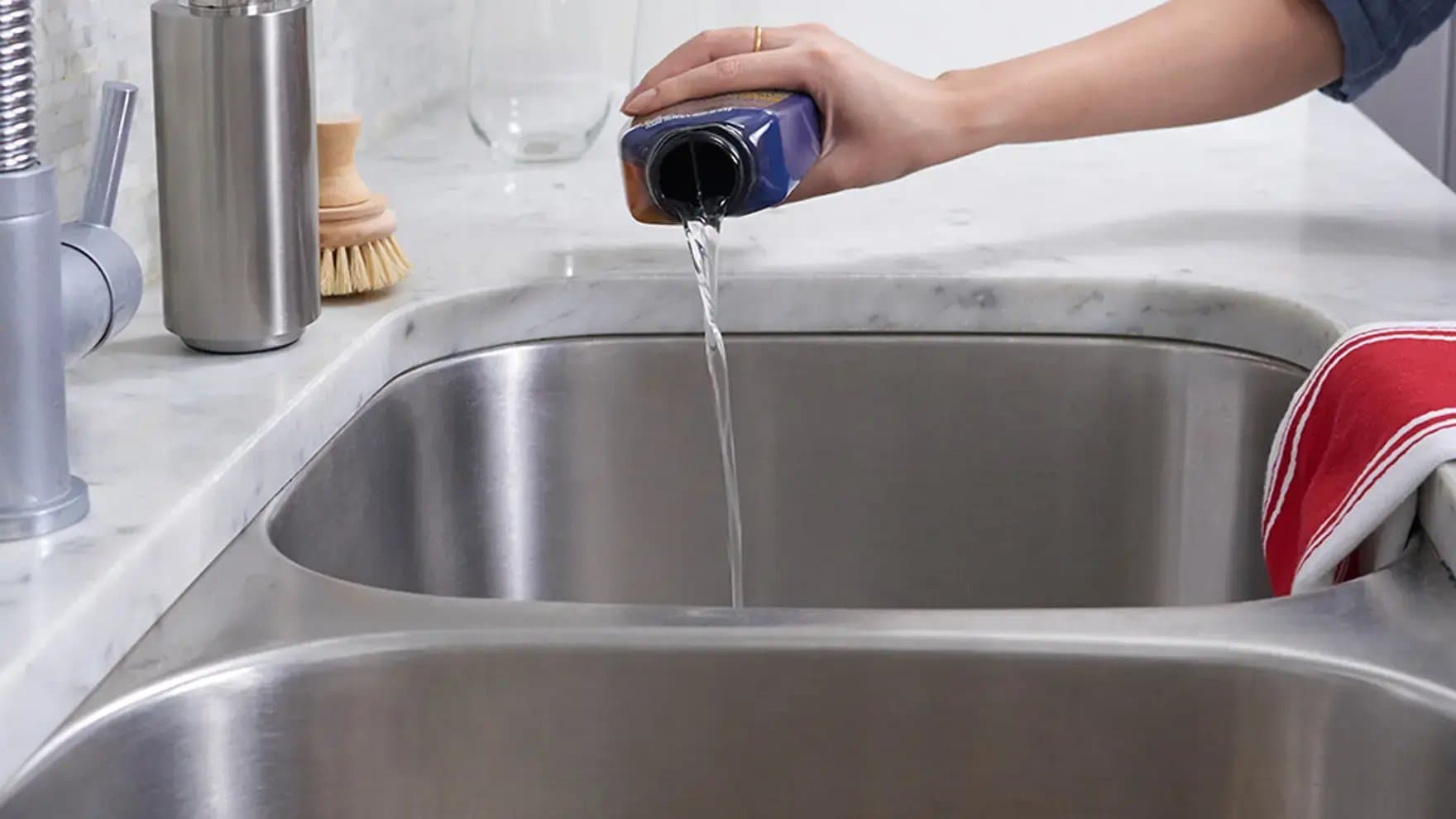
Have you ever stood in front of your clogged kitchen sink, wondering if pouring drain cleaner down the drain is the right fix? You’re not alone.
When your sink backs up, your first thought might be to grab that bottle of drain cleaner and pour it in, hoping the problem disappears fast. But is it really safe for your pipes and your home? You’ll discover the truth about using drain cleaners in your kitchen sink—what works, what doesn’t, and what you need to watch out for.
Keep reading to avoid costly mistakes and protect your plumbing.
Types Of Drain Cleaners
Choosing the right type of drain cleaner can make a big difference in how effectively you clear your kitchen sink. Each type works differently and suits different kinds of clogs. Understanding these options helps you decide what’s safest and most efficient for your situation.
Chemical Cleaners
Chemical cleaners use strong acids or bases to dissolve grease, hair, and other organic matter blocking your drain. They act fast but can be harsh on your pipes and the environment. If you have PVC pipes, be cautious—some chemicals can cause damage over time.
Always follow the instructions carefully and never mix chemical cleaners with other substances. Have you ever noticed a strong smell after using these? That’s a sign to ventilate your kitchen immediately.
Enzymatic Cleaners
Enzymatic cleaners use natural enzymes and bacteria to break down organic waste slowly but safely. They’re less aggressive and better for regular maintenance rather than quick fixes. These cleaners won’t harm your pipes or septic system, making them a great eco-friendly choice.
If you don’t need instant results and want to protect your plumbing, enzymatic options might be the best for your kitchen sink. They work quietly over time, which means you won’t see immediate changes, but your drains stay healthier in the long run.
Mechanical Options
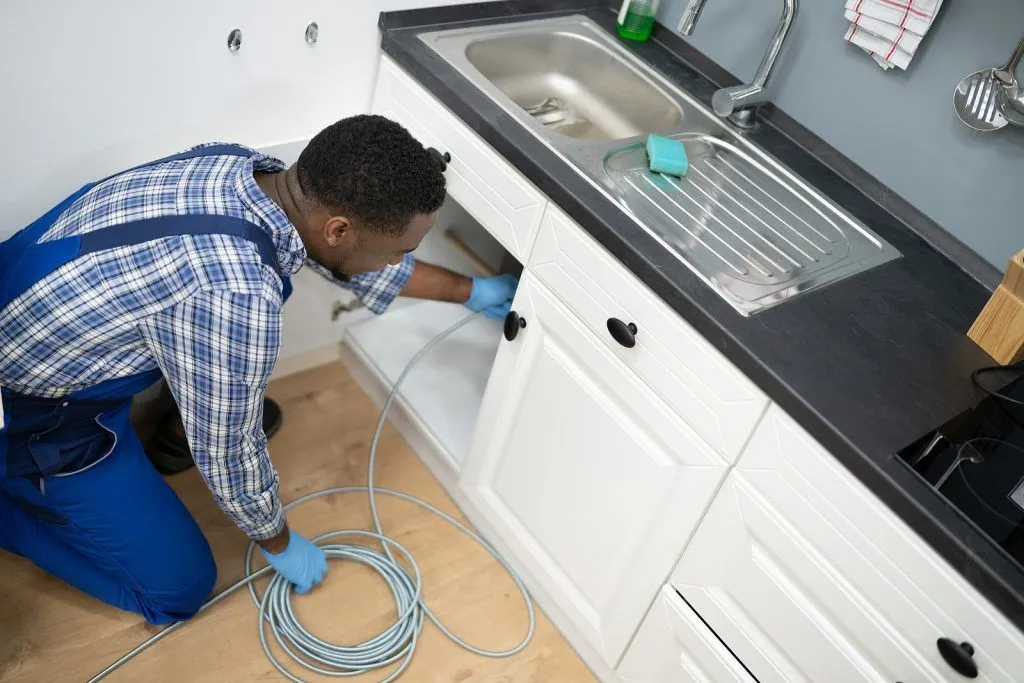
Mechanical tools like plungers, drain snakes, and augers physically remove the blockage from your sink. These options don’t use chemicals, so they’re safe for any type of pipe. Plus, they give you control—you can see and feel when the clog is cleared.
Have you tried using a drain snake yourself? It can be surprisingly satisfying and saves money on professional services. Mechanical methods are often the first step before turning to chemical or enzymatic cleaners.
Credit: www.allamericanpha.com
How Drain Cleaners Work
Understanding how drain cleaners work can help you decide if they are the right solution for your kitchen sink clog. These products use powerful chemical reactions to dissolve blockages quickly. But how exactly do they manage to break down the mess in your pipes? Let’s look closer at the process.
Chemical Reactions
Most drain cleaners contain strong chemicals like sodium hydroxide or sulfuric acid. When poured into the drain, these chemicals react with water and organic material inside the clog.
This reaction generates heat and breaks down fats, grease, and hair. The heat also helps soften the blockage, making it easier to flush away.
Breaking Down Clogs
The chemicals target the substances causing the clog by turning them into simpler, water-soluble compounds. For example, grease is converted into soap-like substances that dissolve in water.
This means the clog slowly dissolves rather than just moving deeper into the pipes. Have you ever noticed a foul smell disappearing after using a drain cleaner? That’s the chemical breakdown working to clear the source.
Effect On Pipes
While drain cleaners can be effective, they might harm your pipes over time. The strong chemicals can corrode metal pipes and weaken plastic ones if used repeatedly.
This raises an important question: is a quick fix worth potential long-term damage? Using drain cleaners occasionally is usually safe, but frequent use may lead to costly repairs.
Risks Of Using Drain Cleaner In Kitchen Sink
Using drain cleaner in your kitchen sink might seem like a quick fix for a stubborn clog. However, it comes with several risks that you should consider carefully before pouring harsh chemicals down your drain. Understanding these dangers can help you protect your plumbing and your health.
Chemical Hazards
Drain cleaners contain strong chemicals that can be dangerous if mishandled. These substances can cause burns or irritate your skin and eyes. Even inhaling the fumes can lead to coughing, dizziness, or worse respiratory issues.
Have you ever noticed a strong, unpleasant smell after using a drain cleaner? That’s a sign of toxic fumes that linger in your kitchen air. These chemicals can also react violently if mixed with other household products, creating hazardous gases.
Damage To Pipes And Fixtures
Many kitchen sinks have pipes made of materials like PVC or older metal that can be weakened by harsh drain cleaners. Over time, these chemicals can eat away at the pipes, causing leaks or breaks.
If your sink has delicate fixtures or seals, the corrosive nature of drain cleaners may ruin them. I once used a popular drain cleaner and ended up with a damaged pipe that cost me more to fix than the clog was worth. Is a quick fix really worth the long-term damage?
Health Concerns
Exposure to drain cleaner chemicals can cause serious health problems. Skin contact may result in painful burns, while accidental ingestion can be life-threatening.
Children and pets are especially at risk if these chemicals are stored improperly or spilled. Are you prepared to deal with the potential health hazards these products bring into your home?
When To Avoid Drain Cleaners
Drain cleaners might seem like a quick fix for a blocked kitchen sink, but sometimes they do more harm than good. Knowing when to avoid them can save you from costly repairs and unexpected hazards. Here’s a guide to help you understand when to steer clear of these chemical solutions.
Severe Clogs
When your sink isn't draining at all, a severe clog might be the culprit. In these cases, drain cleaners often fall short. They might only reach the top part of the blockage, leaving the main obstruction untouched. Consider using a plunger or a plumber's snake instead. These tools can physically reach deeper blockages and clear the pipe effectively. Have you ever tried these methods before calling a plumber?
Old Or Fragile Pipes
If your plumbing is on the older side, proceed with caution. Drain cleaners are highly corrosive and can weaken or even puncture fragile pipes. This could lead to leaks or even burst pipes, turning a simple clog into a home repair nightmare. Check the condition of your pipes if you're unsure. A professional inspection might be worth your peace of mind.
Mixed Chemical Use
Mixing different cleaning chemicals can result in dangerous reactions. If you've already used another type of cleaner, adding a drain cleaner can produce harmful fumes or cause a chemical explosion. Always read the labels before use. Are you aware of the potential hazards in your cleaning cabinet?
Understanding these scenarios will help you decide when to reach for the drain cleaner and when to opt for safer alternatives. Your kitchen sink—and your peace of mind—will thank you.
Safe Alternatives For Kitchen Sink Clogs
Dealing with a clogged kitchen sink can be frustrating. Instead of rushing to pour harsh drain cleaners down the drain, consider safer alternatives that protect your plumbing and health. These options often work just as well without the risk of chemical damage or unpleasant fumes.
Manual Methods
Sometimes, a simple tool can solve your clog problems. Using a plunger creates suction that can dislodge food particles stuck in the drain. If that doesn’t work, try a drain snake or a wire hanger to physically remove the blockage.
Manual methods give you control over the clog and avoid harsh chemicals. Have you ever felt the relief of clearing a drain yourself without any mess or expense? It’s surprisingly satisfying and effective.
Natural Solutions
You can tackle clogs using ingredients found right in your kitchen. Pouring a mixture of baking soda and vinegar down the drain creates a fizzing action that breaks down grime. After letting it sit for 15–30 minutes, flush with hot water to clear the loosened debris.
Another natural trick is to use boiling water carefully poured down the drain in stages. This can melt grease buildup that often causes slow drainage. These eco-friendly methods are gentle on pipes and safe for septic systems.
Professional Help
If your sink remains stubbornly clogged despite your efforts, it might be time to call in a plumber. Professionals have specialized tools and expertise to diagnose deeper issues like pipe damage or blockages beyond your reach.
Hiring help can save you time and prevent costly repairs. Isn’t it worth a quick call to avoid worsening the problem or accidentally harming your plumbing with the wrong products?

Credit: www3.drano.com
Precautions When Using Drain Cleaners
Using drain cleaners in a kitchen sink needs careful attention. These chemicals can clear clogs fast but also cause harm if used wrong. Taking simple safety steps protects your health and your plumbing. Always handle these products with care to avoid accidents.
Reading Instructions
Always read the label before use. Instructions explain how much cleaner to use. They also warn about mixing with other chemicals. Following directions ensures the product works well and stays safe. Never guess or use more than recommended.
Proper Ventilation
Use drain cleaners in a well-ventilated space. Open windows or turn on exhaust fans. Chemicals release fumes that can irritate your eyes and throat. Good airflow helps reduce breathing these fumes. Avoid standing close to the sink during use.
Protective Gear
Wear gloves to protect your skin from burns. Use goggles to shield your eyes from splashes. Old clothes or an apron keep your body safe. Avoid touching your face while handling cleaners. Keep kids and pets away during the process.
Environmental Impact
Drain cleaners can affect the environment in several ways. Using these chemicals impacts water systems and soil health. It is important to understand how these substances interact with nature.
Chemical Disposal
Drain cleaners contain strong chemicals that do not break down easily. When poured down the sink, they flow into sewage systems. Treatment plants may not remove all harmful substances. These chemicals can end up in rivers and lakes. Improper disposal increases risks to plants and animals.
Eco-friendly Products
Many brands offer safer, eco-friendly drain cleaners. These products use natural ingredients like enzymes and bacteria. They break down clogs without toxic chemicals. Eco-friendly options reduce harm to water and soil. They are better for homes with septic tanks. Choosing these products helps protect the environment.
Water Pollution Risks
Chemicals from drain cleaners can pollute water sources. Toxic substances harm fish and aquatic plants. Polluted water affects drinking water quality. Small amounts can cause long-term damage. Avoid pouring harsh cleaners directly into the sink. Use alternatives that minimize pollution risks.

Credit: katieskottage.com
Frequently Asked Questions
Can You Safely Use Drain Cleaner In A Kitchen Sink?
Yes, you can use drain cleaner in a kitchen sink if the product label allows it. Always follow the instructions carefully to avoid damage to pipes or appliances. Use drain cleaner sparingly and choose one suitable for kitchen plumbing.
What Types Of Drain Cleaners Work Best For Kitchen Sinks?
Enzyme-based and mild chemical drain cleaners work best for kitchen sinks. They effectively break down grease and food buildup without harming pipes. Avoid harsh chemical cleaners that can corrode plumbing or damage septic systems.
How Often Should You Use Drain Cleaner In A Kitchen Sink?
Use drain cleaner only when necessary, typically once every few months. Frequent use can damage pipes and cause leaks. Regular maintenance like hot water flushing and avoiding grease disposal helps prevent clogs naturally.
Are Drain Cleaners Harmful To Kitchen Sink Pipes?
Some drain cleaners can harm kitchen sink pipes, especially if they contain strong chemicals. Choose pipe-safe products to avoid corrosion or weakening. Always read labels to ensure compatibility with your plumbing material.
Conclusion
Using drain cleaner in a kitchen sink can be risky. Some cleaners may damage pipes or harm the environment. Always read product instructions carefully before use. Consider safer alternatives like natural cleaners or a plunger first. When in doubt, call a professional plumber to avoid costly repairs.
Keeping drains clean regularly helps prevent clogs. Small efforts now save big problems later. Choose the best option for your home’s safety and health.