
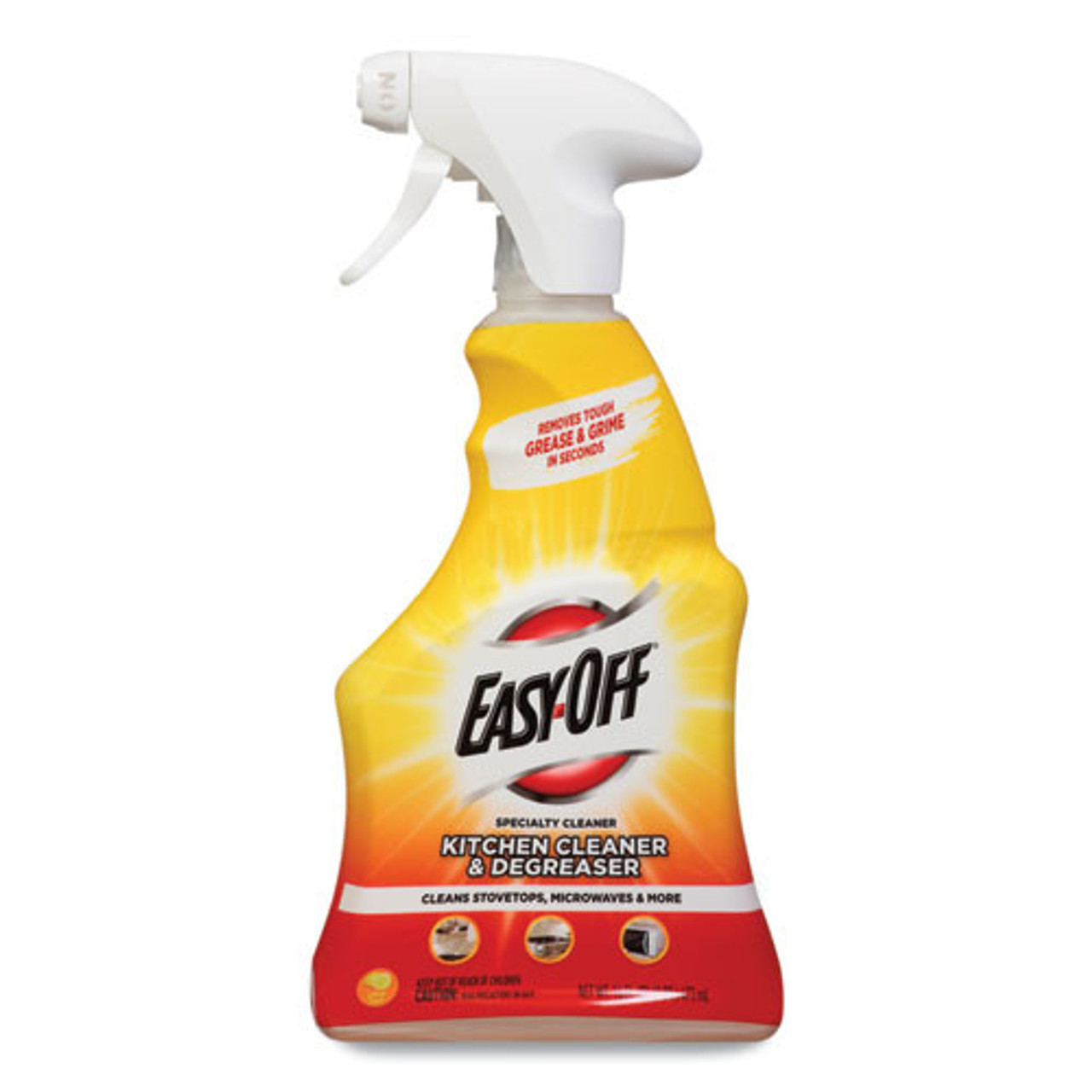
Are you tired of stubborn kitchen grease that just won’t budge? You’re not alone.
Grease can build up quickly and make your kitchen look messy and unhygienic. But the good news is, you don’t have to struggle with tough stains or harsh chemicals. You’ll discover simple, effective ways to clean kitchen grease and keep your space sparkling.
By the end, you’ll have easy solutions that save you time and effort—making your kitchen shine like new. Ready to say goodbye to grease for good? Let’s dive in!
Common Kitchen Grease Types
Understanding the types of kitchen grease you encounter can make cleaning much easier. Different greases respond better to certain cleaning methods and products. Knowing what kind of grease you're dealing with helps you choose the right approach and avoid frustration.
Animal-based Grease
Animal-based grease comes from cooking with butter, lard, or meat drippings. This type tends to be thick and sticky, especially after cooling down. Have you noticed how bacon grease hardens in a pan? That’s animal fat solidifying, which can be tough to wipe away without the right cleaner.
Using hot water and degreasers with enzymes can break down these fats effectively. Next time you clean after frying, try warming the pan slightly before scrubbing. It softens the grease and makes removal easier.
Vegetable Oil Residue
Vegetable oil residue comes from oils like olive, canola, or sunflower oil. Unlike animal fats, this grease often stays liquid longer and can feel slippery. You might see it as a thin film on your stove or countertops after cooking.
This kind of grease responds well to soap and warm water, but sometimes you need a stronger degreaser. Adding a bit of vinegar or baking soda can help cut through the oil faster. Have you tried mixing these natural cleaners for stubborn spots?
Mixed Grease Sources
Most kitchens deal with a mix of both animal and vegetable grease. This combination can be tricky because each type reacts differently to cleaning agents. For example, leftover pizza grease often contains cheese fats and oil residue together.
Using a multi-purpose degreaser or a combination of methods usually works best. You might start with warm water and soap, then switch to a stronger cleaner if needed. What’s your go-to method for tackling that stubborn mix on your stovetop?
Effective Cleaning Agents
Effective cleaning agents are essential for tackling stubborn kitchen grease. The right product can save you time and effort, making your kitchen shine without harsh scrubbing. Understanding different types of cleaning agents helps you choose the best one for your specific grease challenge.
Degreasers And Detergents
Degreasers are specially formulated to break down tough grease quickly. They often contain powerful solvents that dissolve oil, making cleanup easier.
Detergents, on the other hand, combine grease-cutting ingredients with surfactants that lift dirt away from surfaces. Many dish soaps double as effective degreasers for everyday messes.
Have you ever noticed how a few drops of dish detergent can wipe away greasy fingerprints instantly? That’s the power of these agents working together.
Natural Cleaning Solutions
If you prefer avoiding chemicals, natural cleaning solutions can be surprisingly effective. Ingredients like vinegar and lemon juice cut through grease by breaking down oil molecules.
Baking soda adds gentle abrasion that helps scrub away residue without scratching your surfaces.
Using natural solutions is not only safer for your family but also kinder to the environment. What natural ingredient do you have on hand that could tackle your kitchen grease?
Diy Grease Removers
Making your own grease remover is simple and cost-effective. Mixing equal parts of baking soda and dish soap creates a paste that clings to greasy spots and lifts them away.
Another option is combining white vinegar with water in a spray bottle for an easy-to-use cleaner that targets grease and grime.
Trying your own recipes lets you control the ingredients and adjust the strength for different cleaning jobs. What’s your go-to homemade grease remover?
Tools For Grease Removal
Kitchen grease can be stubborn and tricky to remove, but having the right tools can make the task much easier. Whether you're dealing with grease splatters on your stovetop or a build-up on your cabinets, the right cleaning tools will help you tackle the job effectively. Let's explore some of the best tools you can use to keep your kitchen grease-free.
Scrubbers And Brushes
Scrubbers and brushes are essential for tackling tough, stuck-on grease. A stiff-bristled brush can work wonders for scrubbing grease off stove grates and oven racks. Have you ever tried a scrubbing brush with a built-in soap dispenser? It not only saves time but also ensures you're using just the right amount of cleaner without making a mess.
Microfiber Cloths
Microfiber cloths are a must-have for any kitchen cleanup. Their fine fibers attract and hold onto grease, dirt, and grime effectively. Unlike cotton cloths, microfiber leaves no lint behind, ensuring a streak-free finish on your countertops and cabinets.
Have you noticed how a damp microfiber cloth can make quick work of greasy fingerprints on stainless steel appliances? It’s a simple solution that makes your kitchen shine without harsh chemicals.
Sponges And Scouring Pads
Sponges and scouring pads are versatile tools that can handle a range of cleaning tasks. A good sponge can absorb grease, while a scouring pad provides the abrasive action needed for tougher residues. If you've ever tried using a dual-sided sponge, you know how convenient it is to switch between gentle wiping and rigorous scrubbing.
Remember to keep these tools clean and replace them regularly to avoid spreading bacteria. How often do you replace your sponge?
Choosing the right tools for grease removal not only makes your cleaning routine more efficient but also helps maintain the longevity of your kitchen surfaces. Armed with these tools, you’ll find that tackling kitchen grease is far less daunting.

Credit: koh.com
Cleaning Techniques
Cleaning kitchen grease can feel like a tough task, but the right techniques make it manageable. Different approaches target grease in unique ways, helping you restore your kitchen’s shine without extra effort. Let’s look at practical ways to tackle that stubborn build-up.
Soaking And Wiping
Soaking greasy surfaces softens the grime, making it easier to remove. Use a mixture of warm water and dish soap to soak sponges or cloths before wiping. This simple step breaks down grease and prevents it from smearing around.
For heavily greased pans, soak them in hot soapy water for 15-30 minutes. You’ll notice the grease loosens, allowing you to wipe it away with minimal scrubbing. Have you tried letting the grease sit before wiping? It often cuts your cleaning time in half.
Steam Cleaning
Steam cleaning uses high-temperature vapor to dissolve grease without harsh chemicals. It’s especially useful for kitchen appliances and surfaces with hard-to-reach spots. The steam’s heat melts grease, while the moisture lifts it off surfaces.
Using a handheld steam cleaner, move slowly over greasy areas and wipe with a microfiber cloth. This method sanitizes and cleans simultaneously, making your kitchen safer. Wonder how much dirt hides in those crevices? Steam cleaning reveals and removes it efficiently.
Using Hot Water Effectively
Hot water is a natural grease fighter. When you wash dishes or clean counters, start with hot water to melt the grease, then follow with soap to cut through it. Avoid cold water, which can cause grease to solidify and stick.
Pour boiling water down greasy drains to clear buildup and prevent clogs. You can also rinse greasy utensils in hot water first before scrubbing. How often do you think about water temperature during cleaning? It can change your results dramatically.
Tackling Grease On Appliances
Grease builds up quickly on kitchen appliances. It affects their look and performance. Cleaning grease properly keeps appliances working well. It also extends their life and keeps kitchens hygienic.
Use the right cleaners and tools to remove grease safely. Regular cleaning stops grease from hardening and becoming tough to remove. Focus on key appliances where grease gathers most.
Oven And Stove Cleaning
Ovens and stoves collect grease from cooking sprays and splatters. Use a mixture of warm water and dish soap to wipe surfaces. For stubborn spots, apply baking soda paste and let it sit for 15 minutes. Scrub gently with a soft brush or sponge. Avoid harsh chemicals that can damage oven finishes.
Refrigerator And Microwave Care
Grease can settle inside microwaves and around refrigerator handles. Clean these areas with a cloth dipped in vinegar and water solution. For microwaves, remove the turntable and wash it separately. Wipe the inside walls carefully to remove food grease. Refrigerator doors and seals need regular wiping to stop sticky buildup.
Dishwasher Maintenance
Dishwashers may trap grease on filters and spray arms. Remove the filter and soak it in hot, soapy water. Check spray arms for clogs and clean with a toothpick or brush. Run an empty cycle with a cup of white vinegar to clear grease inside the dishwasher. This keeps dishes clean and prevents smells.
Preventing Grease Build-up
Preventing grease build-up in your kitchen saves you time and effort later. Grease can quickly turn into a stubborn, sticky mess if ignored. Tackling it early keeps your kitchen cleaner and safer.
Regular Maintenance Tips
Clean your stove and countertops after every meal. A quick wipe with warm soapy water stops grease from settling in.
Pay special attention to areas behind burners and around the exhaust fan. These spots often hide grease that builds up unnoticed.
Set a weekly routine for deeper cleaning. Use degreasers or natural solutions like vinegar and baking soda to break down stubborn grease.
Proper Ventilation
Good ventilation helps prevent grease from sticking to surfaces. Use your kitchen exhaust fan every time you cook.
Open windows if possible to allow fresh air to flow. This reduces moisture and grease particles lingering in the air.
Have you checked if your vent filter is clean? A clogged filter traps grease and reduces airflow, making your kitchen dirtier over time.
Choosing Non-greasy Cooking Methods
Try baking, steaming, or grilling instead of frying to reduce grease splatters. These methods produce less oil residue.
Using non-stick cookware also cuts down on the amount of oil needed. This means less grease to clean up afterward.
Do you notice a difference when you switch cooking styles? Experiment with healthier methods and see how it affects your kitchen’s cleanliness.
Safety Measures While Cleaning
Cleaning kitchen grease can be tough, but taking the right safety measures makes the task easier and protects your health. Grease cleaners often contain strong chemicals that need careful handling. Knowing how to protect yourself and manage waste properly keeps your kitchen safe and your cleaning effective.
Handling Chemicals Safely
Always read the label on any grease cleaner before use. These products can contain harsh ingredients like ammonia or bleach that irritate your skin or eyes. Never mix different cleaners, as this can create dangerous fumes.
Keep your work area well-ventilated by opening windows or turning on fans. If a cleaner accidentally splashes on your skin, rinse immediately with plenty of water. Ask yourself—are you prepared if a chemical spill happens?
Protective Gear Recommendations
Wearing protective gear is a simple step that makes a big difference. Use rubber gloves to shield your hands from harsh chemicals and greasy residue. If you’re scrubbing tough spots, goggles protect your eyes from splashes.
Consider wearing an apron or old clothes to avoid stains and chemical contact. Even a basic mask can help you avoid breathing in fumes. What gear do you usually grab when tackling messy kitchen jobs?
Disposal Of Grease Waste
Pouring grease down the drain can cause clogs and damage plumbing. Instead, collect excess grease in a container and let it solidify before throwing it in the trash. You can also wipe greasy residue with paper towels and dispose of them properly.
Never flush grease or chemical cleaners into storm drains or outside areas. Ask yourself if you’re disposing of waste in a way that protects your home and the environment. Small actions here prevent big problems later.

Credit: www.amazon.com
Frequently Asked Questions
What Is The Best Product To Clean Kitchen Grease?
The best product to clean kitchen grease is a degreaser. It breaks down oil and grime effectively. Common options include dish soap, baking soda, and commercial kitchen cleaners. These products dissolve grease quickly, making cleaning easier and faster.
Can Natural Ingredients Remove Kitchen Grease Effectively?
Yes, natural ingredients like vinegar, baking soda, and lemon juice can remove kitchen grease. They cut through grease without harsh chemicals. Mixing these ingredients creates an eco-friendly, cost-effective cleaner for stovetops, counters, and greasy pans.
How Do I Clean Stubborn Kitchen Grease Stains?
To clean stubborn grease stains, use a paste of baking soda and water. Apply it on the stain and let it sit for 15 minutes. Then scrub gently with a sponge. Repeat if necessary until the grease is removed completely.
Is Dish Soap Effective Against Kitchen Grease?
Dish soap is highly effective against kitchen grease. It contains surfactants that break down oil molecules. Using warm water with dish soap helps dissolve grease on dishes, countertops, and cookware efficiently.
Conclusion
Cleaning kitchen grease does not have to be hard. Simple household items like vinegar and baking soda work well. They cut through grease quickly and safely. Choose the right cleaner for your surface to avoid damage. Regular cleaning stops grease buildup and keeps your kitchen fresh.
Small steps make a big difference in kitchen care. Keep your space clean and enjoy cooking more. Grease removal is easy with the right approach. Try these tips and see the difference today.