
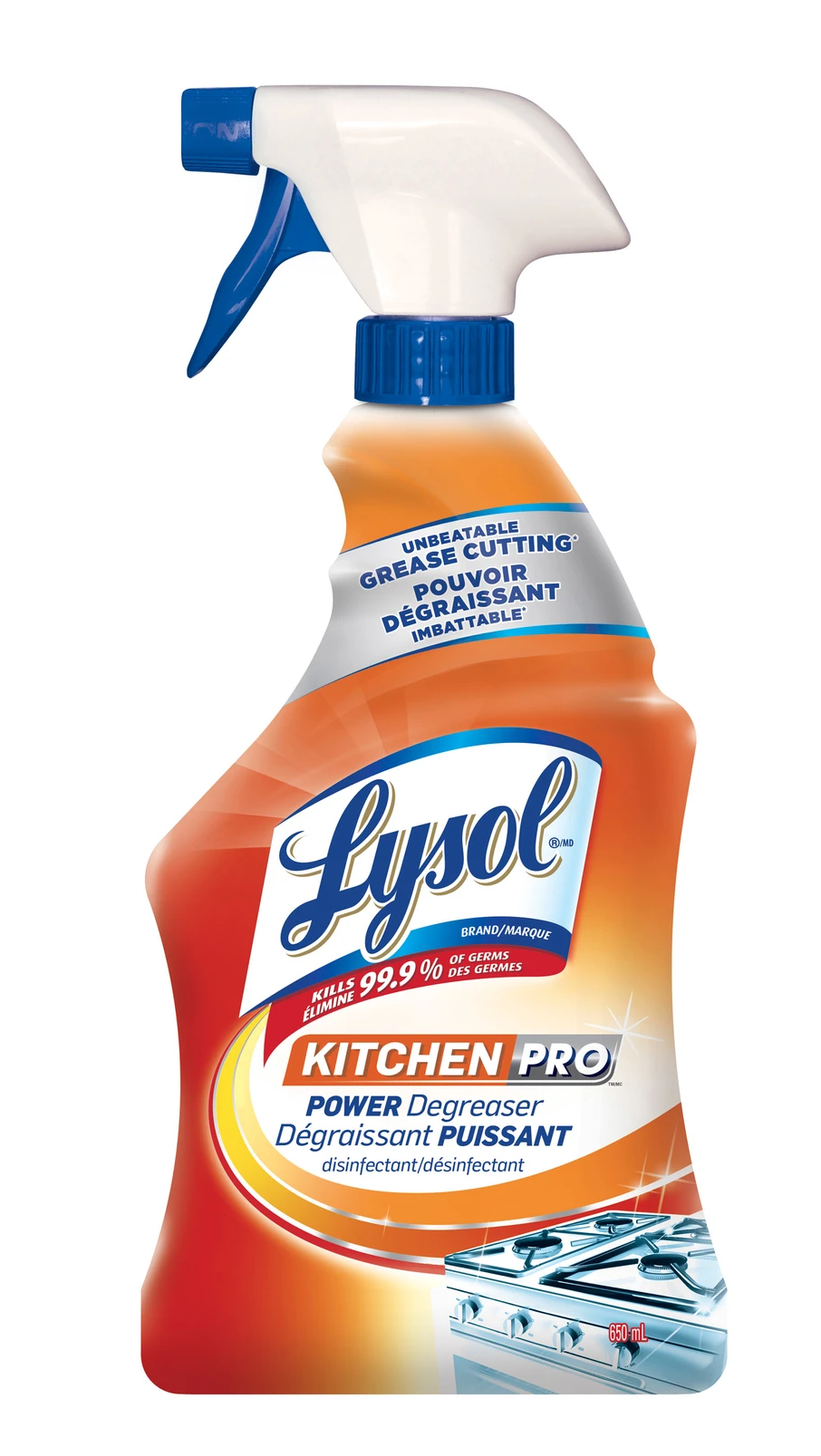
Keeping your kitchen spotless can feel like a never-ending task, but the right kitchen cleaner spray can make all the difference. Imagine wiping away stubborn grease and grime with ease, leaving your surfaces shining and fresh.
You’ll discover simple, effective steps to use your kitchen cleaner spray like a pro. Whether you're tackling tough stains or just doing a quick wipe-down, these tips will save you time and effort. Ready to transform your cleaning routine and enjoy a sparkling kitchen?
Let’s dive in!
Choosing The Right Cleaner
Choosing the right kitchen cleaner spray can make your cleaning routine more effective and safer for your home. Not all cleaners are created equal, and picking the wrong one might leave residues or even damage your surfaces. Understanding the different types and ingredients helps you select a product that meets your needs without any guesswork.
Types Of Kitchen Cleaner Sprays
Kitchen cleaner sprays come in several types, each designed for specific tasks. Some are formulated to cut through grease, while others focus on disinfecting or removing stains.
- Degreasers:Powerful sprays that break down tough grease on stovetops and counters.
- Disinfectants:Kill germs and bacteria, ideal for areas where food is prepared.
- Multi-surface cleaners:Versatile options safe for various surfaces like countertops, sinks, and appliances.
- Specialty cleaners:Targeted sprays for glass, stainless steel, or wood finishes.
Think about your kitchen’s specific needs. Are you battling sticky, oily messes or just want to keep germs at bay?
Ingredients To Look For
Check the label carefully to understand what’s inside your cleaner. Avoid harsh chemicals that can irritate your skin or leave harmful residues around food.
- Natural oils:Ingredients like lemon or eucalyptus provide a fresh scent and antibacterial properties.
- Surfactants:Help lift dirt and grease but choose ones that are gentle and biodegradable.
- Non-toxic preservatives:Keep the product stable without adding harmful elements.
Have you ever noticed a cleaner’s strong chemical smell lingering after use? That’s often a sign of harsh ingredients you might want to avoid.
Eco-friendly Options
More people are turning to eco-friendly kitchen cleaners to reduce their environmental impact. These products use sustainable ingredients and packaging, making your cleaning routine greener.
- Biodegradable formulas:Break down naturally without polluting water sources.
- Plant-based ingredients:Safer for your family and pets while still effective.
- Refillable or recyclable packaging:Helps cut down on plastic waste.
Choosing eco-friendly options not only benefits the planet but often means fewer allergens and irritants in your home. Would you consider switching to a cleaner that supports your health and the environment?

Credit: www.amazon.com
Preparing Your Kitchen
Preparing your kitchen before using a kitchen cleaner spray is essential for effective cleaning. It helps you target the right areas and prevents spreading dirt around. Taking a few simple steps can make your cleaning process faster and more efficient.
Clearing The Surface
Start by removing any items from countertops and tables. Dishes, appliances, and food containers can block your cleaning path and reduce the spray’s effectiveness.
Clear surfaces let you reach every corner without moving things repeatedly. Have you noticed how much easier cleaning is when your workspace is completely open?
Removing Loose Debris
Before spraying, wipe or sweep away crumbs, dust, and food particles. Loose debris can mix with the cleaner and create a messy residue instead of a clean shine.
Use a dry cloth or a handheld vacuum to quickly get rid of the dirt. This small step saves you from scrubbing later and keeps your kitchen sparkling.
Ventilating The Area
Open windows or turn on the exhaust fan to keep air flowing while you clean. Kitchen cleaner sprays often contain chemicals that can irritate your eyes or throat in a closed space.
Good ventilation ensures you breathe fresh air and feel comfortable during cleaning. Have you ever felt dizzy after cleaning without fresh air? Proper airflow prevents that and helps you finish the task safely.
Applying The Cleaner Spray
Applying kitchen cleaner spray correctly can make a noticeable difference in how effectively your kitchen surfaces get cleaned. It’s not just about spraying and wiping; how you apply the spray impacts the results and the longevity of your surfaces. Let’s break down the key aspects you need to keep in mind for the best cleaning experience.
Correct Spray Distance
Hold the spray bottle about 6 to 12 inches away from the surface. Too close, and the spray may pool or drip; too far, and the cleaner won’t cover enough area.
I once sprayed from too close and ended up with streaks on my countertop. Adjusting the distance made the application much smoother and more even.
Amount To Use
Use just enough cleaner to cover the surface lightly. A few sprays usually do the trick, depending on the size of the area.
Applying too little might leave grease or stains behind. On the other hand, too much can be wasteful and harder to wipe off.
Avoiding Over-saturation
Over-saturating surfaces can cause damage, especially on wood or laminate. Excess liquid can seep into seams and edges, leading to swelling or discoloration.
Spray moderately and wipe promptly. Think about whether the surface feels damp but not dripping wet after application.
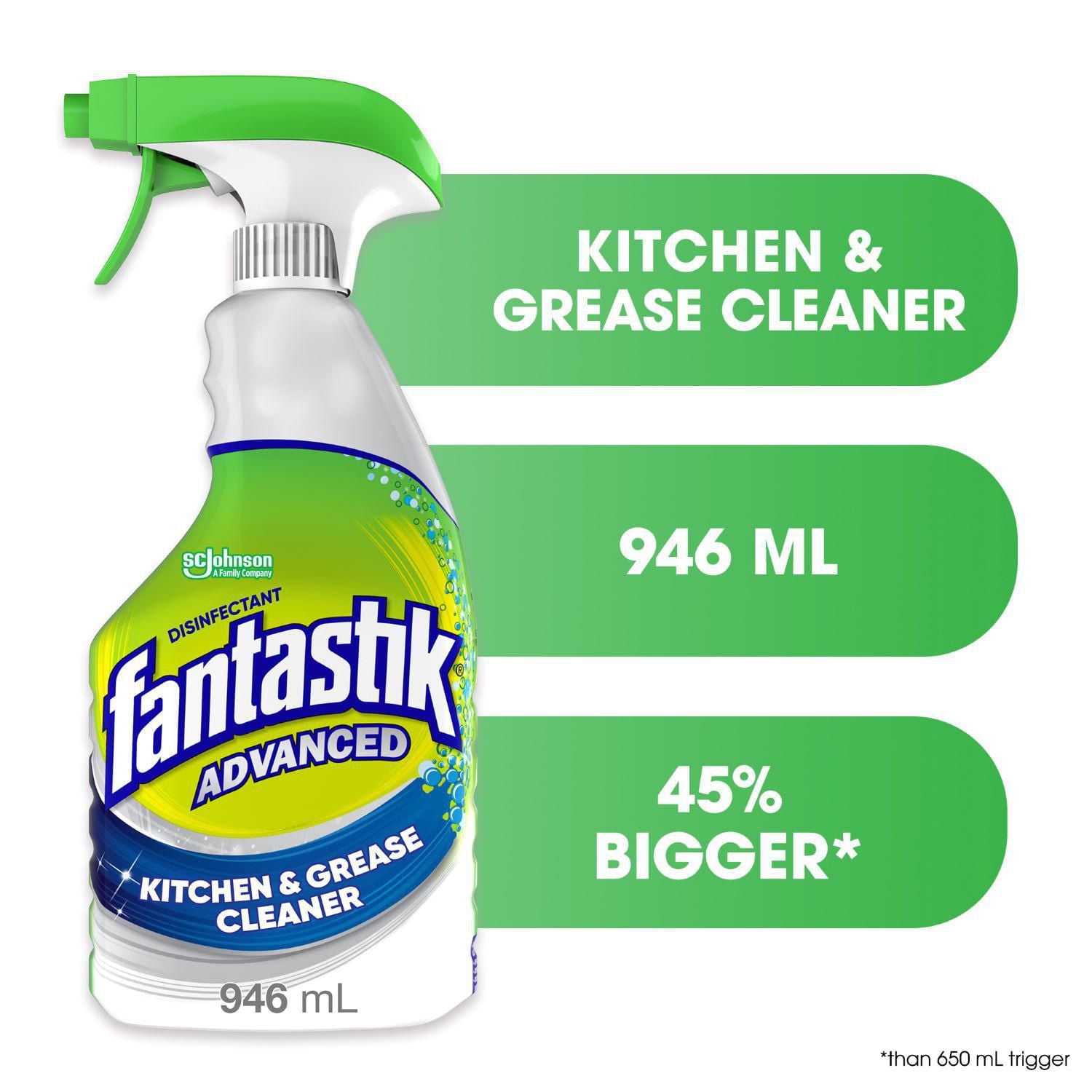
Credit: www.walmart.ca
Effective Cleaning Techniques
When you think about cleaning your kitchen, it's not just about making surfaces shine. It's about using the right techniques to ensure every nook and cranny is spotless. Here, you'll discover some effective cleaning techniques to make the most of your kitchen cleaner spray.
Using Microfiber Cloths
Microfiber cloths are a game changer. They trap dirt and bacteria better than regular cloths. Their soft texture prevents scratches, making them perfect for delicate surfaces.
Keep a stash of microfiber cloths in your kitchen. Swap them out frequently to avoid spreading grime. You’ll notice how much cleaner your surfaces stay over time.
Circular Vs. Straight Wipes
Which is better, circular or straight wipes? The answer depends on the surface. Circular motions are great for larger areas, ensuring coverage and less streaking.
Straight wipes work well on counters or tables. They help you focus on stubborn spots and are perfect for quick clean-ups. Try both methods and see what works best for your kitchen.
Targeting Stubborn Stains
Stubborn stains can be frustrating. First, let the cleaner sit for a minute to loosen the grime. Then, use a little elbow grease for those tougher spots.
A gentle scrub brush can help without damaging surfaces. Have a favorite cleaner? Share it with a friend who struggles with stains. It might just be the tip they need!
Remember, the right technique can make all the difference. What’s your go-to cleaning trick?
Safety Precautions
Using kitchen cleaner spray effectively means paying close attention to safety precautions. These sprays contain chemicals that can harm you if not handled properly. Taking a moment to understand how to protect yourself and your loved ones will make your cleaning routine safer and more efficient.
Handling Chemicals Safely
Always read the label before using any kitchen cleaner spray. The instructions and warnings provide crucial information about proper use and potential hazards.
Never mix different cleaning products. Combining sprays can cause dangerous chemical reactions and release harmful fumes.
Work in a well-ventilated area to avoid inhaling strong odors. Opening windows or turning on exhaust fans can help keep the air fresh.
Protecting Your Skin And Eyes
Wear gloves to protect your hands from irritation or burns caused by harsh chemicals. Even if the label doesn’t require gloves, using them is a good habit.
Consider wearing safety goggles or glasses if you’re spraying near your face. Splashing cleaner into your eyes can cause serious damage.
If any cleaner contacts your skin or eyes, rinse immediately with plenty of water and seek medical advice if irritation persists. Don’t ignore minor discomfort—it can escalate quickly.
Keeping Away From Children And Pets
Store your kitchen cleaner spray out of reach of children and pets. High shelves or locked cabinets are ideal storage spots.
Never leave the spray bottle unattended during use. Curious kids or pets might accidentally ingest or spill the cleaner.
Ask yourself: Is your cleaning area secure enough to prevent accidents? Taking a few extra seconds to check can avoid serious harm.
Maintaining Sparkling Surfaces
Maintaining sparkling surfaces in your kitchen keeps the space inviting and hygienic. Using a kitchen cleaner spray regularly helps remove dirt, grease, and stains quickly. Clean surfaces not only look good but also prevent germs from spreading. Consistency and simple habits make a big difference in keeping your kitchen shining.
Regular Cleaning Schedule
Set a regular cleaning schedule to keep surfaces spotless. Clean countertops, stovetops, and sinks daily with kitchen cleaner spray. Wipe down surfaces after cooking to remove food splashes and spills. A weekly deep clean helps remove stubborn stains and build-up. Sticking to a schedule makes cleaning easier and less time-consuming.
Preventing Build-up
Spray kitchen cleaner on surfaces before dirt hardens. Let the spray sit for a few minutes to break down grease. Use a soft cloth or sponge to wipe away grime gently. Avoid letting food residue sit for long periods. Preventing build-up reduces tough cleaning tasks later and keeps surfaces smooth.
Quick Daily Wipes
Keep a spray bottle and cloth handy for quick daily wipes. A fast spray and wipe remove crumbs and minor stains immediately. This practice stops dirt from settling and makes deep cleaning easier. Quick wipes save time and keep your kitchen fresh every day.
Troubleshooting Common Issues
Using kitchen cleaner spray should make your surfaces sparkle, but sometimes issues like residue, streaks, or ineffective cleaning pop up. These common problems can be frustrating, especially when you expect quick and easy results. Understanding how to troubleshoot these issues helps you get the best out of your cleaner without wasting time or effort.
Dealing With Residue
Residue often appears as a sticky or filmy layer left behind after cleaning. This usually happens if you use too much spray or don’t wipe the surface thoroughly. Try spraying a small amount and wiping immediately with a clean, damp cloth to avoid buildup.
Hard water can also cause residue. If your tap water is mineral-rich, consider using distilled water for rinsing. Have you noticed residue only on certain surfaces? That might mean the cleaner isn’t compatible with that material.
Removing Streaks
Streaks are annoying and make your kitchen look less clean. They often come from using too much cleaner or drying the surface too quickly. Instead, spray lightly and wipe in one direction using a microfiber cloth designed to absorb moisture and avoid streaking.
If streaks persist, check the cleaner’s formula. Some sprays contain oils or waxes that leave a film. Try switching to a streak-free or ammonia-free product to see if your surfaces shine without marks.
When To Switch Products
If you find yourself scrubbing harder or your surfaces still look dull after cleaning, it might be time to switch products. Not every cleaner works well on all surfaces or types of grime.
Consider the surface material, like granite or stainless steel, and choose a cleaner designed for it. Also, if you experience allergic reactions or strong odors, look for hypoallergenic or fragrance-free alternatives. Have you thought about how the cleaner’s ingredients affect your kitchen’s air quality and your health?

Credit: www.amazon.com
Frequently Asked Questions
How Do I Safely Use Kitchen Cleaner Spray?
Always read the label before use. Spray from a distance of 6-8 inches. Avoid mixing with other chemicals. Use gloves for sensitive skin. Ensure good ventilation. Wipe surfaces thoroughly after spraying to remove residues.
Can Kitchen Cleaner Spray Remove Grease Effectively?
Yes, most kitchen cleaner sprays are designed to cut through grease. Spray directly on greasy spots and let it sit for a few minutes. Then wipe off with a clean cloth for a streak-free shine.
How Often Should I Use Kitchen Cleaner Spray?
Use kitchen cleaner spray daily or after cooking for best results. Regular use keeps surfaces hygienic and grease-free. For deep cleaning, use it weekly with a thorough scrub.
Is Kitchen Cleaner Spray Safe For All Surfaces?
Check the product label for surface compatibility. Most sprays are safe on countertops, stoves, and tiles. Avoid using on untreated wood or delicate surfaces unless specified by the manufacturer.
Conclusion
Using kitchen cleaner spray keeps your space fresh and safe. Spray, wait a moment, then wipe clean. It removes grease, dirt, and germs quickly. Always follow the instructions on the label. Use it regularly for best results. Keep your kitchen healthy and shiny every day.
Simple steps make cleaning easier and faster. Enjoy a cleaner kitchen with less effort.