
When was the last time you thought about cleaning your kitchen hood vents? If you’re like most people, it’s probably not often—or maybe never.
But your kitchen hood vents play a crucial role in keeping your cooking space safe and fresh. Grease and grime build up quickly, and if left unchecked, they can cause smoke, odors, and even fire hazards. So, who actually cleans these vents, and how often should it be done?
Keep reading to find out why this task matters and how you can make sure your kitchen stays clean and safe.
Importance Of Kitchen Hood Vent Cleaning
Cleaning your kitchen hood vents is more than a chore—it's a crucial task that protects your health, boosts your kitchen’s performance, and prevents serious hazards. Neglecting this can lead to problems you might not immediately see but will definitely feel over time. Understanding why this cleaning matters can change how you approach kitchen maintenance.
Health And Safety Risks
Grease and grime build up inside hood vents creates the perfect environment for bacteria and mold. These contaminants can circulate through your kitchen air, impacting your breathing and causing allergies or other health issues. Have you noticed unusual smells or persistent coughing in your kitchen? That might be your hood vent signaling it needs attention.
Regular cleaning helps reduce these risks by removing trapped grease and dirt, making your kitchen a safer place to cook and eat. It also ensures that harmful fumes and smoke don’t linger where you prepare food.
Impact On Kitchen Efficiency
A dirty hood vent struggles to pull away smoke, steam, and odors effectively. This means your kitchen can quickly feel hot, stuffy, and uncomfortable, slowing down your cooking process. Ever wondered why your exhaust fan seems weak or noisy? It’s often due to clogged filters and ducts.
Cleaning restores airflow, making your kitchen more comfortable and energy-efficient. This saves you money on power bills and keeps your appliances working at their best.
Fire Hazard Prevention
Accumulated grease inside hood vents is highly flammable. Even a small spark can ignite a dangerous fire that spreads quickly through your kitchen. You may not think about this risk during everyday cooking, but it’s very real and preventable.
Keeping your vents clean eliminates excessive grease buildup, significantly lowering the chance of a fire starting. Isn’t it worth the effort to protect your home and loved ones from such a disaster?
Professionals Who Clean Hood Vents
Hood vents in kitchens trap grease, smoke, and odors. Cleaning them needs skill and proper tools. Professionals keep vents safe and working well. They stop fire risks and improve air quality.
Different experts handle hood vent cleaning. Each has unique skills and experience for this task.
Specialized Vent Cleaning Services
These companies focus only on vent cleaning. They use strong cleaners and high-pressure tools. They remove tough grease and dirt fast. Their work meets health and safety rules. Regular cleaning by them keeps kitchens safe.
Commercial Kitchen Cleaning Experts
Experts in cleaning large kitchens handle vents too. They know all kitchen equipment and ventilation. They clean vents to avoid fire hazards. Their service fits busy restaurants and hotels. They work quickly to avoid kitchen delays.
Hvac Technicians
HVAC technicians fix heating, cooling, and ventilation. They clean vents to keep air flowing well. They find and fix hidden problems in vents. Their work improves kitchen air quality and safety. They use special tools and tests.
Diy Cleaning Vs. Professional Services
Choosing between cleaning your kitchen hood vents yourself or hiring professionals can affect your kitchen’s safety and cleanliness. Both options have their place depending on the situation. Understanding their differences helps you decide the best approach for your needs.
When To Clean Yourself
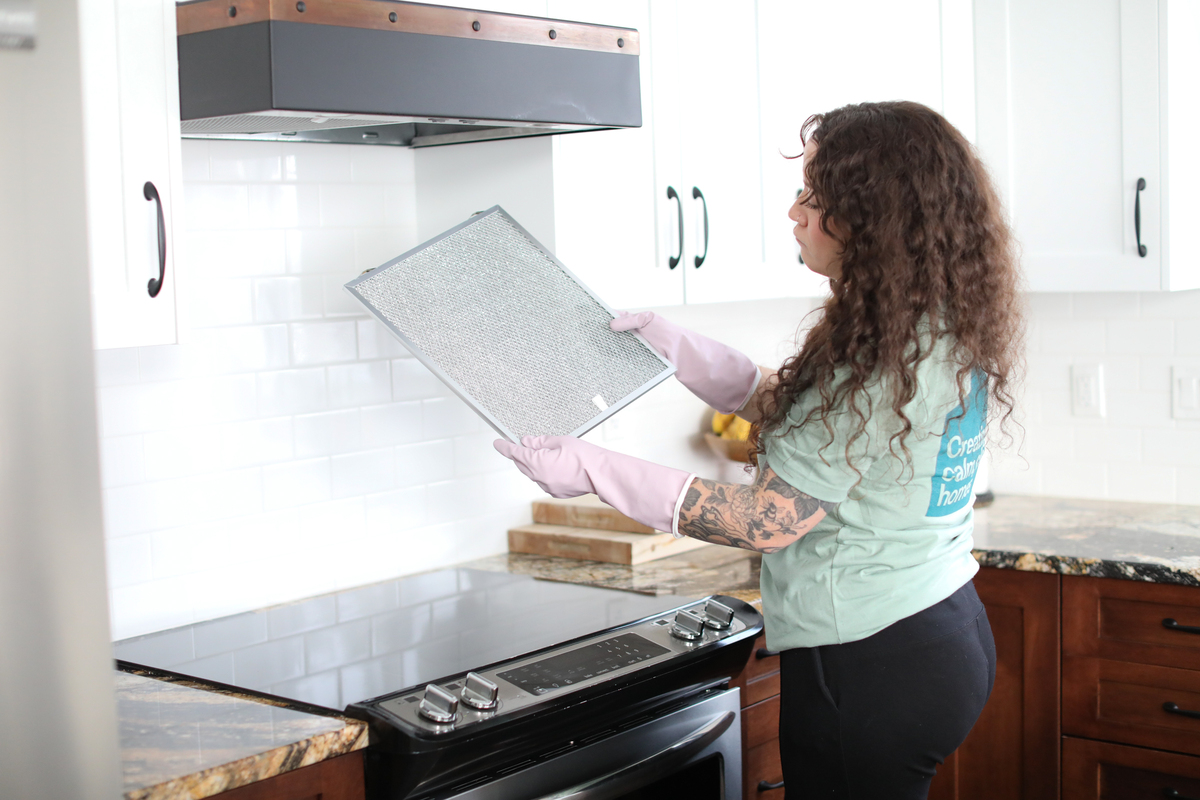
Small grease buildup can be handled with DIY cleaning. Use warm water, mild soap, and a soft brush to scrub the hood filters. Regular wiping prevents heavy grease from sticking. If you notice smoke or odors, it might be time to clean the vents yourself. DIY cleaning works well for light maintenance every few weeks.
Limitations Of Diy Cleaning
Deep grease and dirt inside the vent ducts can be hard to reach. Tools and chemicals needed for thorough cleaning may not be available at home. DIY cleaning risks damaging delicate parts of the hood. Improper cleaning may leave grease that causes fires. Time and effort required can be more than expected. Some areas require special equipment for safety and efficiency.
Benefits Of Hiring Experts
Professionals have tools that reach deep inside vents. They use strong, safe chemicals to remove tough grease. Experts follow safety rules to avoid fire hazards. Hiring them saves time and energy. Regular professional cleaning improves air quality. They also inspect for damage and repair minor issues. Experts keep your kitchen hood vents working well longer.

Credit: www.reddit.com
Tools And Techniques Used By Experts
Cleaning kitchen hood vents requires more than just elbow grease; experts rely on specialized tools and techniques to get the job done efficiently and safely. These tools help break down tough grease, remove stubborn grime, and maintain the ventilation system's performance. Understanding what professionals use can help you appreciate the complexity of this task and maybe even tackle some parts yourself.
Degreasers And Cleaning Agents
Professionals use powerful degreasers designed specifically for kitchen environments. These cleaning agents dissolve thick layers of grease that ordinary soap can't handle. Some contain enzymes or biodegradable formulas, making them safer for your kitchen and the environment.
Have you ever tried scrubbing off grease with just water? It rarely works well. Experts choose degreasers that break down oil molecules fast, saving time and effort.
Pressure Washing Methods
Pressure washing is a favorite technique for deep cleaning hood vents. Experts use high-pressure water jets to blast away grease from hard-to-reach spots inside the vents. This method reduces manual scrubbing and ensures every corner is spotless.
But pressure washing needs skill. Too much pressure can damage delicate parts, while too little leaves grease behind. Proper training helps professionals find the right balance.
Inspection And Maintenance Tools
Cleaning isn’t just about scrubbing; inspection tools help experts spot problems early. Flashlights, mirrors, and borescopes allow them to see inside vents without disassembling everything. This helps catch issues like blockages or damaged filters before they become serious.
Regular maintenance tools like screwdrivers and brushes are also on hand to tighten loose parts and remove debris. Would you know where to look if your kitchen hood suddenly stops working effectively? Experts do, thanks to these tools.
Frequency Of Cleaning For Different Kitchens
Cleaning kitchen hood vents is crucial for maintaining a safe and efficient cooking environment. Yet, the frequency of cleaning can vary significantly based on the type of kitchen. Are you aware of how often your kitchen hood vents need cleaning?
Residential Kitchens
In residential kitchens, hood vents often require cleaning every three to six months. The primary factor here is how frequently you cook. If you’re an avid home chef who enjoys frying or grilling, monthly cleaning might be more appropriate to prevent grease buildup.
Neglecting this can lead to unpleasant odors and even potential fire hazards. Have you ever noticed a greasy film on your kitchen walls? That's a sign it might be time to roll up your sleeves!
Small Restaurants
Small restaurants typically need to clean their kitchen hood vents monthly. This is because they handle more cooking than a typical household. The type of cuisine also plays a role; deep-fried or greasy foods can accelerate grime accumulation.
Consider a small family-owned diner. They may not be as busy as a high-volume commercial kitchen, but consistent cooking throughout the day can lead to substantial grease deposits. Regular cleaning helps maintain a pleasant dining atmosphere and ensures the kitchen remains up to code.
High-volume Commercial Kitchens
In high-volume commercial kitchens, hood vents should be cleaned every week. The constant flow of food preparation leads to rapid grease buildup. This is especially true in establishments that operate 24/7 or serve fried foods frequently.
Have you ever dined in a bustling restaurant with an open kitchen? The chefs are often working tirelessly, and so are the hood vents. Ensuring they’re clean not only prevents fire hazards but also keeps the kitchen running smoothly.
Understanding the cleaning needs of your specific kitchen type is essential. How often do you clean your kitchen hood vents, and do you think it's enough?
Signs Your Kitchen Hood Needs Cleaning
Keeping kitchen hood vents clean is vital for safety and air quality. Dirt and grease buildup reduce efficiency and increase fire risk. Watch for clear signs to know when cleaning is necessary. Early detection helps avoid costly repairs and health hazards.
Visible Grease Buildup
Grease collects on hood surfaces and filters over time. Look for thick, sticky layers of grease. These layers appear shiny or dark and attract dust. Heavy buildup blocks airflow and worsens kitchen air quality. Regular checks prevent grease from becoming a fire hazard.
Unusual Odors
Persistent smells of burnt food or smoke signal a dirty hood vent. Grease and grime trap odors inside your kitchen. These smells linger even after cooking ends. A clean hood vent removes bad smells quickly and keeps air fresh.
Reduced Ventilation Performance
Notice slower air movement or poor smoke removal? Clogged filters or vents reduce airflow. Your kitchen feels hotter and smellier during cooking. The hood may sound louder or struggle to work. Cleaning restores proper ventilation and improves kitchen comfort.
Costs And Scheduling For Hood Vent Cleaning
Understanding the costs and scheduling involved in kitchen hood vent cleaning helps you keep your kitchen safe and efficient without breaking the bank. Knowing what affects pricing and how often you should schedule cleanings ensures you get the best value and avoid unexpected fire hazards. Let's break down what influences the cost, how to pick the right service, and how to plan your cleanings.
Typical Pricing Factors
Several factors impact the price of hood vent cleaning. The size and complexity of your kitchen hood system play a big role—larger hoods or those with multiple filters usually cost more to clean.
Location also matters. Services in big cities or high-demand areas often charge higher rates.
The level of grease buildup affects pricing too. A heavily clogged vent takes more time and effort, which can increase the cost.
- Size of the hood and ductwork
- Accessibility of the vent system
- Degree of grease and grime accumulation
- Frequency of previous cleanings
- Local labor and service rates
How To Choose A Service Provider
Picking the right cleaning service is more than just comparing prices. Look for companies with good reviews and proper certifications, like those from the National Fire Protection Association (NFPA).
Ask about their cleaning process and what guarantees they offer. A clear and thorough approach usually signals professionalism.
Check if they provide a before-and-after inspection report. This can help you verify the quality of their work and protect your investment.
Scheduling Regular Cleanings
How often should you clean your kitchen hood vents? The answer depends on how often you cook and the type of food you prepare.
Restaurants cooking greasy or fried foods may need monthly cleanings, while home kitchens might only need it every 6 to 12 months.
Setting a regular cleaning schedule helps prevent buildup and avoids emergency cleanings that can disrupt your routine.
Ask yourself: Is your kitchen due for a cleaning soon? Keeping track can save you money and reduce fire risks.

Credit: mfstradeschool.com
Credit: www.housework.com
Frequently Asked Questions
Who Is Responsible For Cleaning Kitchen Hood Vents?
Professional cleaning services or restaurant maintenance staff usually clean kitchen hood vents. Homeowners can also clean them if trained and equipped properly.
How Often Should Kitchen Hood Vents Be Cleaned?
Kitchen hood vents should be cleaned every 3 to 6 months. More frequent cleaning is needed in commercial kitchens due to heavy use.
What Tools Are Used To Clean Hood Vents?
Cleaning hood vents involves degreasers, scrub brushes, and sometimes pressure washers. Professionals use specialized tools for thorough and safe cleaning.
Why Is Professional Hood Vent Cleaning Important?
Professional cleaning prevents grease buildup, reducing fire risks and improving ventilation. Experts ensure compliance with health and safety standards.
Conclusion
Cleaning kitchen hood vents keeps your kitchen safe and fresh. Regular cleaning stops grease buildup that can cause fires. Professionals know how to clean vents deeply and safely. They remove dirt from hard-to-reach spots you might miss. Clean vents also help your kitchen smell better.
Keeping vents clean improves air flow and saves energy. Trust experts to do the job right and on time. Don’t wait for problems; clean vents protect your home. Simple steps make your kitchen cleaner and safer every day.