

You might think cleaning your kitchen is as simple as wiping down surfaces. But do you really know the difference between cleaning and sanitizing?
Understanding this can make a huge impact on your health and safety. When you clean, you remove dirt and grime. When you sanitize, you kill harmful germs that can cause illness. Knowing how and when to do both can protect you and your loved ones from foodborne illnesses.
Keep reading to discover what cleaning and sanitizing in the kitchen really mean—and how you can easily master both to keep your kitchen safe and spotless.
Cleaning Vs Sanitizing
Cleaning and sanitizing are often mentioned together in kitchen care. Both are essential but serve different purposes. Understanding their differences helps keep kitchens safe and healthy.
Key Differences
- Cleaningremoves dirt, food, and grease from surfaces.
- It uses soap or detergent and water to wash away visible mess.
- Sanitizinglowers the number of germs to a safe level.
- It uses chemicals or heat to kill bacteria and viruses.
- Cleaning is the first step before sanitizing can be effective.
- Sanitizing does not remove dirt but focuses on killing germs.
Why Both Matter
Cleaning alone does not kill harmful germs that cause illness. Sanitizing alone will not work well on dirty surfaces. Together, they prevent food contamination and illness.
In kitchens, germs spread easily on unclean surfaces. Cleaning removes the dirt where germs hide. Sanitizing then reduces germs to safe levels.
Regular cleaning and sanitizing protect families and customers from sickness. They keep food preparation areas safe and hygienic.

Credit: www.provisioneronline.com
Common Kitchen Contaminants
The kitchen is a hotspot for various contaminants. These tiny invaders can cause health issues. Understanding common kitchen contaminants is vital for a healthy environment.
Types Of Germs And Bacteria
Kitchens host a variety of germs and bacteria. E. coli, Salmonella, and Listeria are common culprits. They thrive on surfaces, utensils, and food items.
E. coli can cause severe stomach issues. Salmonella leads to food poisoning. Listeria is dangerous for pregnant women and newborns.
Sources Of Contamination
Food is a primary source of contamination. Raw meat and poultry often carry harmful bacteria. Unwashed fruits and vegetables can harbor germs.
Surfaces and utensils are also culprits. Cutting boards, knives, and countertops can spread bacteria. Improper cleaning increases the risk of contamination.
Even your hands can transfer germs. Touching food without washing hands spreads bacteria quickly.
Effective Cleaning Techniques
Effective cleaning techniques keep kitchens safe and healthy. They remove dirt, grease, and germs from surfaces. This helps stop food contamination and illness. Using proper methods saves time and effort. It also protects kitchen tools and appliances from damage.
Choosing The Right Cleaning Agents
Select cleaning agents based on the surface type and level of dirt. Mild detergents work well on most kitchen surfaces. Stronger cleaners may be needed for tough grease or stains. Always check labels for safety instructions and ingredients. Avoid harsh chemicals on food contact surfaces. Use food-safe sanitizers to kill bacteria after cleaning.
Proper Cleaning Tools
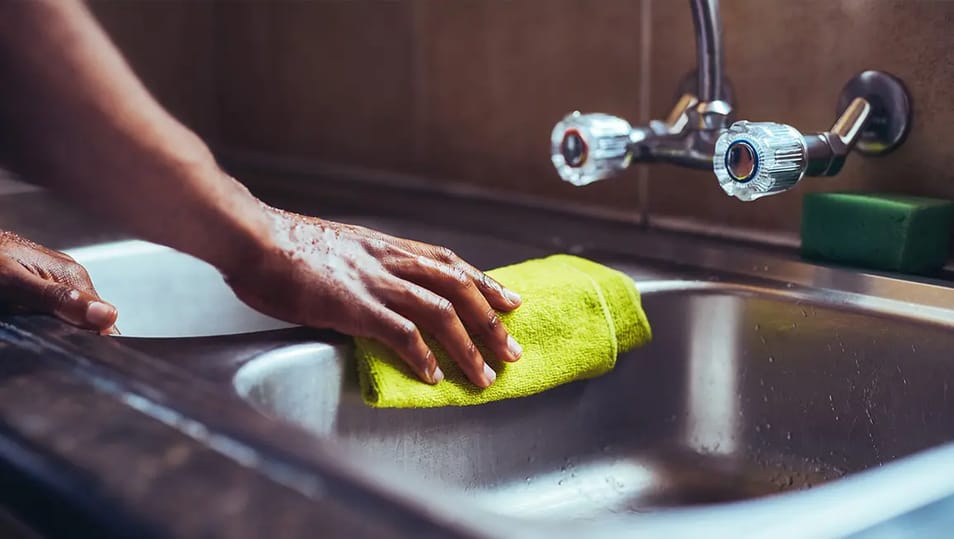
Use tools designed for kitchen cleaning to achieve the best results. Soft cloths and sponges clean without scratching surfaces. Brushes with stiff bristles remove stuck-on food from pots and pans. Microfiber towels absorb moisture and pick up dust effectively. Replace sponges and cloths often to prevent bacteria growth. Keep tools clean and dry after each use for hygiene.
Sanitizing Methods
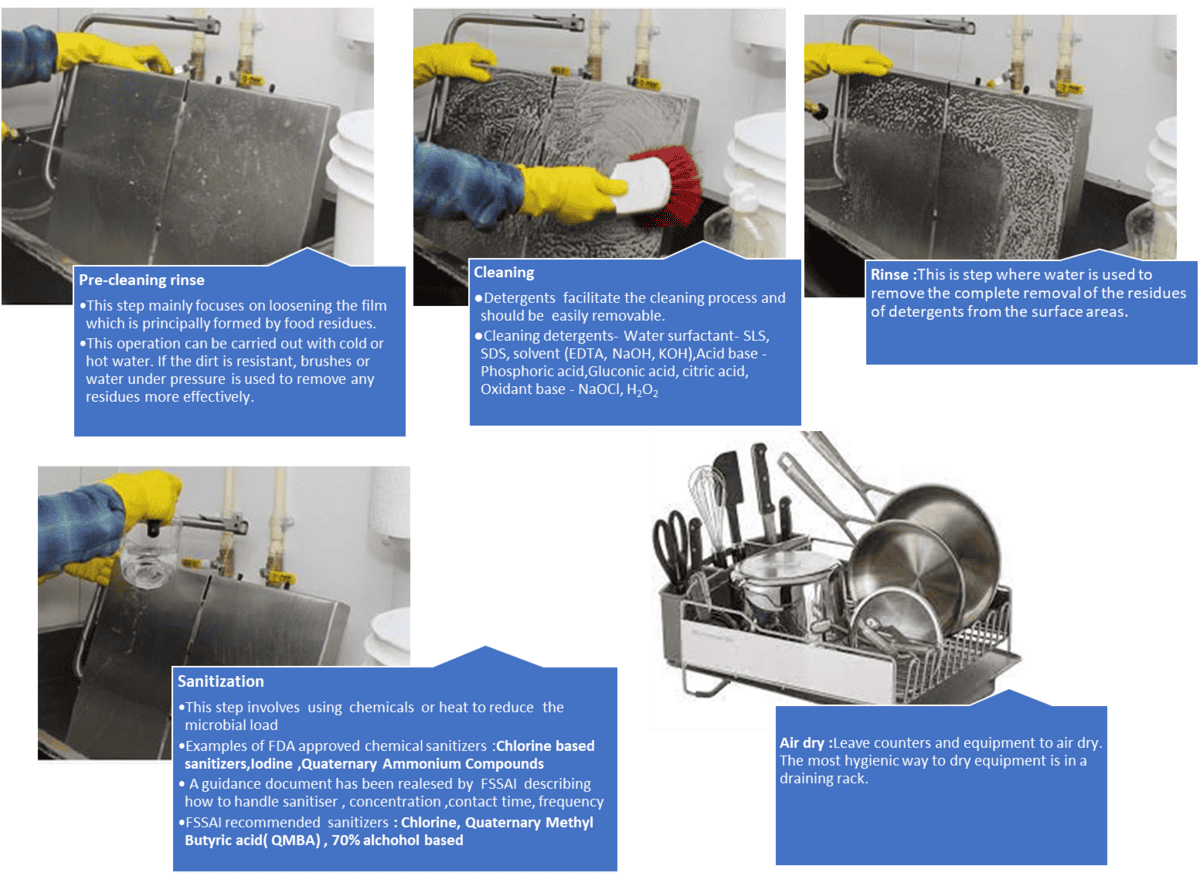
Sanitizing in the kitchen is key to keeping surfaces and tools safe. It lowers germs to a safe level. Different methods work for sanitizing, each with its own benefits. Choosing the right method helps stop illness and keeps food safe.
Chemical Sanitizers
Chemical sanitizers use special solutions to kill germs. Common types include chlorine, iodine, and quaternary ammonium compounds.
- Chlorine solutions are fast and effective. They work well on many surfaces.
- Iodine is good for food-contact surfaces. It leaves less odor.
- Quaternary ammonium compounds are gentle and safe for many materials.
Always follow instructions for mixing and use. Too strong or weak solutions reduce effectiveness. Proper contact time is needed to kill germs.
Heat Sanitizing Options
Heat kills germs by using high temperatures. This method is chemical-free and safe for many items.
- Hot water sanitizing uses water at 171°F or higher. It must touch the surface for at least 30 seconds.
- Steam sanitizing applies steam to surfaces. It cleans and kills germs quickly.
- Dishwashers often use heat to sanitize dishes and utensils.
Heat methods work well on durable items. Avoid heat on heat-sensitive materials to prevent damage.
Safety Tips For Kitchen Hygiene
Keeping your kitchen safe and hygienic goes beyond just cleaning surfaces. It involves habits that prevent germs from spreading and keep your food safe to eat. Paying attention to safety tips can protect you and your loved ones from foodborne illnesses.
Personal Hygiene Practices
Your hands are the main carriers of germs in the kitchen. Always wash your hands with soap and warm water before handling food, after touching raw meat, or after using the restroom. Keep your nails short and avoid wearing jewelry that can trap dirt or bacteria.
Wearing clean clothes and tying back long hair can also reduce the risk of contamination. Have you ever noticed how a stray hair or dirty sleeve can accidentally touch your food? Small habits like these make a big difference in kitchen hygiene.
Safe Food Handling
Handling food safely means preventing cross-contamination at every step. Use separate cutting boards and knives for raw meat, vegetables, and ready-to-eat foods. This stops harmful bacteria from spreading between items.
Always store raw meat below other foods in the fridge to avoid drips and contamination. Check food temperatures regularly; cooking meat to the right temperature kills dangerous bacteria. Are you sure your fridge is cold enough or your leftovers are reheated properly?
Credit: www.lysol.com
Maintaining A Clean Kitchen Environment
Maintaining a clean kitchen environment is essential for your health and the quality of your meals. It goes beyond just wiping surfaces; it’s about creating a space where food is prepared safely and efficiently. A well-kept kitchen reduces the risk of contamination and keeps your cooking experience enjoyable.
Routine Cleaning Schedules
Setting up a regular cleaning routine helps keep dirt and germs from piling up. You don’t need to clean everything every day, but knowing what needs daily attention versus weekly or monthly tasks makes a big difference.
- Daily tasks:Wipe countertops, wash dishes, clean spills immediately, and sweep floors.
- Weekly tasks:Deep clean appliances like the microwave and refrigerator shelves, mop floors, and sanitize cutting boards.
- Monthly tasks:Check and clean behind appliances, wash curtains or blinds, and clean inside cabinets.
I once ignored a weekly cleaning task and found my cutting board stained and harder to clean. Keeping up with the schedule prevents these small problems from growing.
Storage And Waste Management
Proper storage protects your food from contamination and spoilage. Use airtight containers and label leftovers with dates to avoid confusion and waste.
Managing waste effectively means emptying trash regularly and separating recyclables. A smelly bin can attract pests and spread bacteria quickly.
- Store raw meat separately to prevent cross-contamination.
- Keep fruits and vegetables in clean, dry areas.
- Use separate bins for organic waste and recyclables to make disposal easier.
Have you ever found mold growing in your fridge because you forgot about leftovers? Taking a few extra minutes to organize storage can save you from wasting food and money.
Credit: foodsafetyworks.com
Frequently Asked Questions
What Is The Difference Between Cleaning And Sanitizing?
Cleaning removes dirt and food particles from surfaces. Sanitizing reduces harmful germs to safe levels. Both are essential for kitchen hygiene but serve different purposes.
Why Is Sanitizing Important In The Kitchen?
Sanitizing kills bacteria and viruses that cause foodborne illnesses. It protects your health and ensures safe food preparation. Regular sanitizing prevents contamination and cross-infection.
How Often Should Kitchen Surfaces Be Cleaned And Sanitized?
Clean kitchen surfaces after each use to remove debris. Sanitize high-touch areas daily or after handling raw food. Frequent cleaning and sanitizing maintain a safe cooking environment.
Can I Use The Same Products For Cleaning And Sanitizing?
No, cleaning and sanitizing require different products. Cleaners remove dirt, while sanitizers kill germs. Using the right products ensures effective kitchen hygiene and safety.
Conclusion
Cleaning and sanitizing keep kitchens safe and healthy. Cleaning removes dirt and food bits from surfaces. Sanitizing lowers germs to prevent sickness. Both steps are important for good kitchen care. Use the right tools and follow clear steps. Stay consistent to avoid problems and keep food safe.
A clean kitchen means a safer place to cook and eat. Simple habits make a big difference every day.