
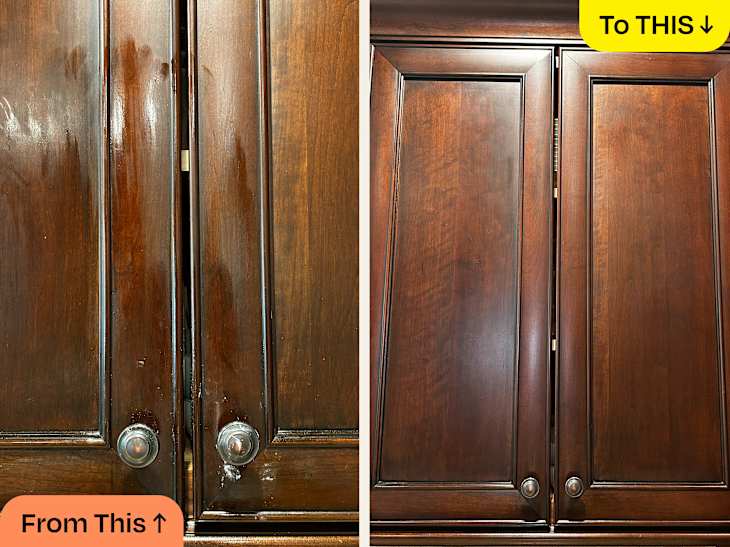
Can You Use Furniture Polish on Kitchen Cabinets. Are your kitchen cabinets looking dull or sticky, and you’re wondering if furniture polish can bring back their shine? You might think using the same polish you use on your living room furniture will work perfectly in the kitchen.
But before you grab that can, it’s important to know if furniture polish is really the right choice for your kitchen cabinets. Keep reading to discover the surprising truth and learn the best way to make your cabinets look fresh and clean without causing damage.
Your kitchen deserves the best care, and we’re here to help you give it just that.

Credit: www.amazon.com
Types Of Furniture Polish
Furniture polish comes in various types, each designed to suit different surfaces and needs. Choosing the right type for your kitchen cabinets can affect their shine, protection, and longevity. Understanding these types helps you decide if furniture polish is a good match for your cabinets.
Wax-based Polishes
Wax-based polishes create a protective layer that adds a soft shine to wood surfaces. They can fill in minor scratches and give your cabinets a smooth finish. However, wax can build up over time, so you might need to clean the surface thoroughly before reapplying.
If you prefer a natural look and don’t mind occasional maintenance, wax-based polish might be a good option for your kitchen cabinets. Keep in mind that it can attract dust more easily than other polishes.
Silicone-based Polishes
Silicone-based polishes are popular for their quick shine and water resistance. They leave a slick surface that repels moisture and dirt, which sounds great for kitchen use. But be cautious—silicone can sometimes create a buildup that’s tough to remove and might affect future refinishing.
Ask yourself if you want a product that offers instant shine or one that supports long-term care. Silicone-based options give fast results but may complicate future repairs or repainting of your cabinets.
Oil-based Polishes
Oil-based polishes nourish wood by penetrating deep into the surface, enhancing the natural grain and color. They provide a rich, lasting shine without leaving a thick residue. This type often contains ingredients like lemon oil or tung oil, which can also help protect against drying and cracking.
If your cabinets are made of solid wood, oil-based polish can bring out their best qualities. Consider how much time you want to spend on upkeep; oil-based options often require less frequent application than wax or silicone.
Credit: www.kraftmaid.com
Materials Of Kitchen Cabinets
Kitchen cabinets come in various materials, each needing specific care. Using the right polish depends on the cabinet type. Understanding the material helps protect and maintain the cabinets’ appearance.
Wood Cabinets
Wood cabinets are classic and add warmth to kitchens. They can be solid wood or veneer over plywood. Wood absorbs polish well but needs gentle products. Harsh chemicals can damage the finish or dry out the wood. Use polish made for natural wood to keep cabinets shiny and healthy.
Laminate Cabinets
Laminate cabinets have a plastic coating on particleboard or MDF. They resist stains and scratches better than wood. Avoid oily or waxy polishes, as they can leave a sticky film. A mild cleaner or polish designed for laminate surfaces works best. This keeps laminate smooth without damage.
Painted Cabinets
Painted cabinets have a layer of paint that can chip or fade. Polishing needs care to avoid stripping the paint. Choose a gentle polish without abrasives or solvents. Some polishes can enhance the shine without harming the paint. Test polish on a small area first to check compatibility.
Effects Of Furniture Polish On Cabinets
Using furniture polish on kitchen cabinets can change their look and feel. It can make cabinets appear brighter and newer. But it also carries risks that might harm the wood or finish. Knowing the effects helps you decide if it suits your cabinets.
Enhancing Shine And Appearance
Furniture polish adds a glossy layer to cabinet surfaces. It highlights wood grain and hides minor scratches. The polish creates a smoother feel and a fresh look. This boost in shine can make kitchens feel cleaner and more inviting.
Potential Damage Risks
Not all polishes fit every cabinet type. Some contain chemicals that can weaken wood over time. Oils in polish might attract dust and dirt faster. Using polish too often can cause buildup, making cabinets sticky. Harsh ingredients may strip away protective coatings.
Impact On Cabinet Finish
Furniture polish can alter the cabinet's original finish. It may cause discoloration or dullness on painted surfaces. On varnished wood, polish might create uneven patches. Cabinets with delicate finishes need gentle, specific care products. Testing polish on a small spot first is wise.
Safe Alternatives To Furniture Polish
Furniture polish can sometimes damage kitchen cabinet finishes. Gentle alternatives like mild soap and water or vinegar solutions clean cabinets safely. These options protect surfaces without harmful chemicals or sticky residues.
When it comes to maintaining the pristine look of your kitchen cabinets, using furniture polish might seem like a quick fix. However, it may not always be the safest option. Instead, there are several alternatives that ensure your cabinets remain clean and undamaged. Let's explore some safe and effective solutions that can replace furniture polish.
Mild Soap Solutions
A simple and gentle solution of mild soap and warm water can do wonders for your cabinets. Simply mix a few drops of dish soap into a bowl of warm water. Use a soft cloth to apply the solution, gently wiping down the cabinets to remove grease and grime. Avoid soaking the wood, as excess water can damage it. Rinse with a clean damp cloth to remove any soap residue and dry thoroughly. This method is not only effective but also budget-friendly and safe for most cabinet surfaces.
Vinegar And Water Mix
Vinegar is a natural cleaning agent known for its ability to cut through grease. Create a solution by mixing equal parts of white vinegar and water in a spray bottle. Lightly spray the mixture onto the cabinets and wipe it off with a soft cloth. This method is particularly effective for tackling tough stains and sticky spots. However, test it on a small area first, as vinegar can be harsh on some finishes. Its natural properties make it a great alternative to chemical-laden polishes.
Specialized Cabinet Cleaners
If you prefer a product specifically designed for the job, consider using specialized cabinet cleaners. These products are formulated to clean without harming the finish. They often contain natural oils that condition the wood, enhancing its appearance. Check the label to ensure the cleaner is suitable for your cabinet type. Many of these products are available in eco-friendly options, aligning with a more sustainable cleaning routine. Investing in a good quality cabinet cleaner can save you from costly repairs down the line. Choosing the right cleaning method for your kitchen cabinets can extend their lifespan and keep them looking beautiful. Which of these safe alternatives will you try first?
Application Tips For Kitchen Cabinets
Applying furniture polish on kitchen cabinets can enhance their shine and protect the surface. Proper application helps avoid sticky buildup or streaks. Follow these tips to polish your cabinets safely and effectively.
Proper Cleaning Before Polishing
Remove dust and grease from cabinet surfaces first. Use a mild soap solution and a soft cloth. Wipe gently to avoid scratching the finish. Dry completely with a clean towel before polishing. Clean cabinets allow the polish to work better and last longer.
Test Spot Method
Try the polish on a small, hidden area first. This test shows how the polish reacts with your cabinet’s finish. Wait a few minutes to check for discoloration or damage. If safe, continue polishing the rest of the cabinets. Testing avoids costly mistakes and keeps cabinets looking fresh.
Correct Amount And Technique
Use a small amount of polish to avoid buildup. Apply polish with a soft, lint-free cloth or a foam applicator. Spread it evenly in circular motions to cover the surface. Buff gently with a dry cloth for a smooth finish. Too much polish can cause sticky spots or attract dust.
Maintenance Tips For Cabinet Longevity
Keeping your kitchen cabinets looking great and lasting longer requires more than occasional cleaning. Paying attention to daily care and quick fixes can save you from costly replacements. Let’s talk about some practical maintenance tips that help preserve your cabinets’ beauty and durability over time.
Regular Dusting
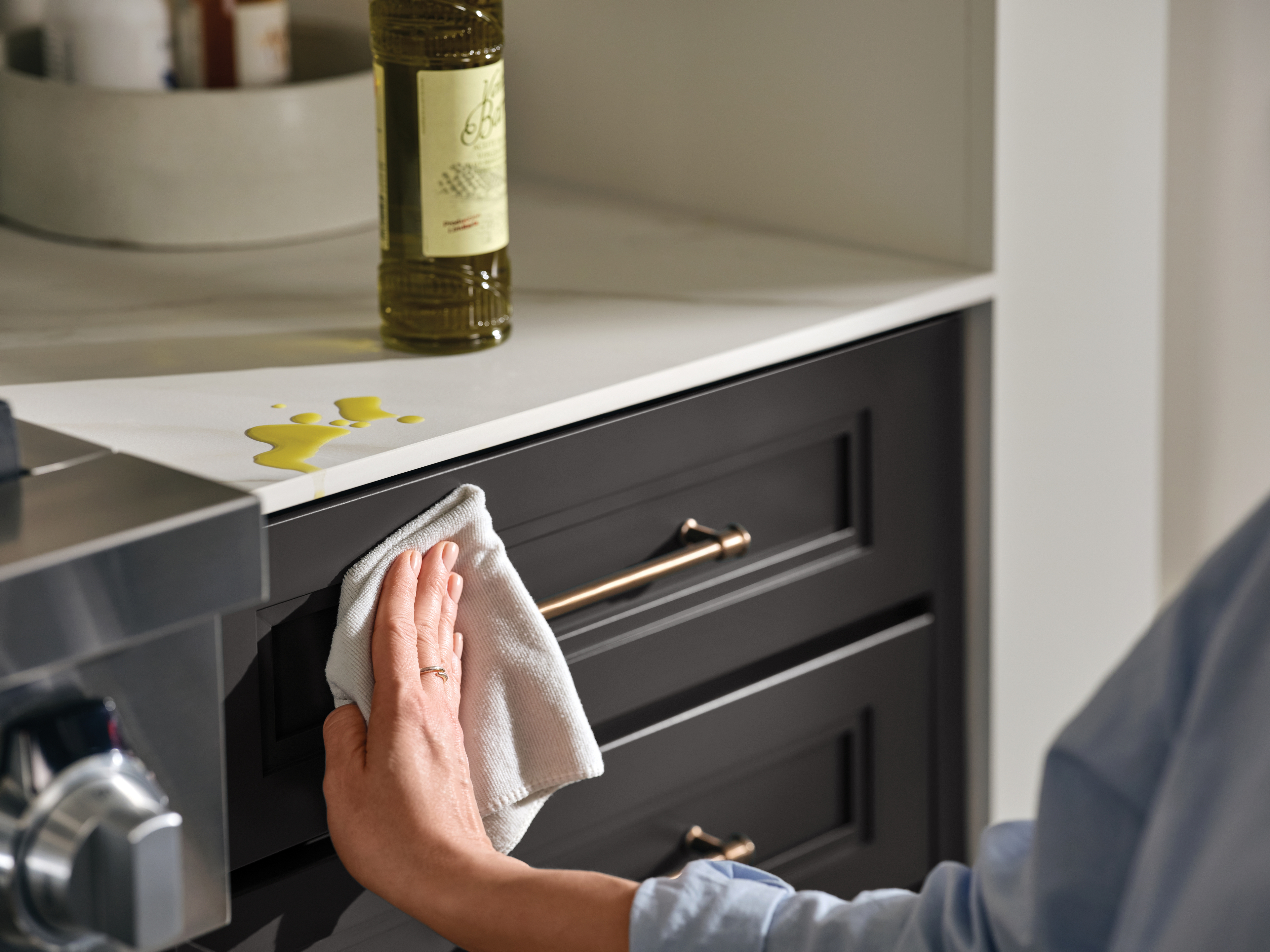
Dust might seem harmless, but it can build up and dull the finish on your cabinets. Use a soft, dry microfiber cloth to gently wipe down surfaces at least once a week. This simple habit prevents dirt from scratching the wood or settling into crevices.
Have you noticed how a quick dusting can instantly brighten a room? Keeping dust off also makes it easier to spot any stains or damage early on.
Avoiding Excess Moisture
Water and wood cabinets don’t mix well. Excess moisture can cause warping, swelling, or paint peeling. After cooking or cleaning, always wipe up any spills or steam quickly with a dry cloth.
Be careful when using cleaning sprays too—spray them onto your cloth, not directly on the cabinet surface. This prevents moisture from seeping into joints or finishes where it can cause damage.
Timely Repairs And Touch-ups
Small scratches, chips, or loose hinges might seem minor but ignoring them can lead to bigger problems. Fixing these issues as soon as you notice them keeps your cabinets in top shape.
Keep a small repair kit handy with touch-up markers, wood filler, and a screwdriver. Have you ever found that quick repair saves you from a full cabinet replacement later? Taking action early protects your investment and keeps your kitchen looking fresh.
Credit: www.fabuwood.com
Frequently Asked Questions
Can Furniture Polish Damage Kitchen Cabinet Finishes?
Yes, some furniture polishes contain silicone or wax that can build up and damage cabinet finishes over time. Always test polish on a small area first to ensure it won't harm the surface.
Is Furniture Polish Safe For All Kitchen Cabinet Materials?
No, furniture polish is not suitable for all materials. Avoid using it on laminate or painted cabinets, as it may cause discoloration or damage.
How Often Should I Use Furniture Polish On Kitchen Cabinets?
Using furniture polish sparingly is best. Apply it once every few months to maintain shine and protect wood cabinets without causing buildup.
What Is The Best Alternative To Furniture Polish For Cabinets?
A mild soap and water solution or specialized cabinet cleaner is safer. These options clean effectively without risking damage or residue buildup.
Conclusion
Using furniture polish on kitchen cabinets can be tricky. Some polishes may leave a sticky residue or damage finishes. Choose a product made for kitchens or wood surfaces. Always test on a small, hidden spot first. Clean cabinets regularly with mild soap and water instead.
Keep cabinets looking fresh and protected with the right care. A little caution goes a long way in maintaining your kitchen’s beauty.