
What Colour Mop Bucket for Kitchen. Choosing the right colour mop bucket for your kitchen might seem like a small detail, but it can make a big difference in your cleaning routine. Have you ever wondered why some kitchens use specific colours for their mop buckets?
The colour you pick isn’t just about looks—it can help keep your kitchen safer and more organized. If you want to avoid cross-contamination and make your cleaning easier and more effective, understanding the best colour choices is key. Keep reading to discover how the right colour mop bucket can protect your kitchen and simplify your cleaning tasks.

Credit: www.amazon.co.uk
Color Coding In Cleaning
Color coding in cleaning is a simple yet powerful way to keep your kitchen hygienic and organized. It helps prevent cross-contamination by assigning specific colors to different cleaning tasks or areas. This system makes it easy for anyone to identify which mop bucket should be used where, reducing the risk of spreading germs.
Purpose Of Color Coding
The main goal of color coding is to create clear boundaries between cleaning zones and tools. It ensures that a mop used in the bathroom doesn’t accidentally end up in the kitchen. This method protects your food preparation areas from harmful bacteria and keeps your kitchen safer for everyone.
Have you ever wondered why some cleaning professionals insist on using colored buckets? It’s because color coding saves time and improves cleaning efficiency. You don’t have to guess which bucket to grab—colors do the work for you.
Common Color Standards
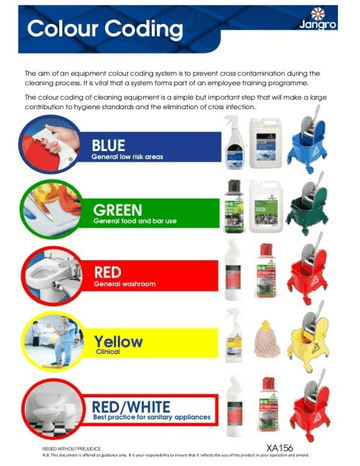
Different industries and facilities often follow widely accepted color codes to maintain consistency. Here’s a quick look at some standard colors and their typical uses:
| Color | Cleaning Area | Purpose |
|---|---|---|
| Red | Restrooms | High-risk contamination zones |
| Blue | General areas | Low-risk areas like dining rooms |
| Green | Food preparation areas | Kitchen and food zones |
| Yellow | Clinical areas | Isolation or special zones |
If you want your kitchen to stay clean and safe, using a green mop bucket is often recommended. It clearly signals that this bucket is dedicated to food areas. This small step can make a big difference in your cleaning routine.
Choosing Mop Bucket Colors For Kitchens
Choosing the right mop bucket color for your kitchen is more than just an aesthetic decision. It plays a crucial role in maintaining hygiene and preventing cross-contamination. The color you pick can help your cleaning staff easily identify the bucket’s purpose, ensuring food safety and a cleaner environment.
Hygiene And Cross-contamination Risks
Cross-contamination is a serious risk in kitchen areas. Using the same mop bucket for different zones, like food prep areas and waste zones, can spread bacteria quickly.
Color coding mop buckets helps you avoid this problem. When each bucket color is assigned to a specific task or area, your team can quickly spot and use the right one. This reduces the chances of germs moving from one place to another.
Have you noticed how confusion in cleaning tools can lead to health code violations? Clear color distinctions make it easier to train staff and keep your kitchen safe.
Recommended Colors For Kitchen Areas
Certain colors are commonly recommended for kitchen mop buckets to support hygiene standards. Here are some practical options:
- Red:Used for high-risk areas like restrooms to avoid any contact with food prep zones.
- Blue:Ideal for general kitchen floors and non-food prep areas.
- Green:Reserved for food preparation areas to maintain cleanliness where it matters most.
- Yellow:Often designated for cleaning waste areas or chemical spills.
Assigning these colors can help your kitchen team work smarter, not harder. It’s worth investing in a color-coded system to keep your environment safe and organized.
Popular Mop Bucket Colors And Their Uses
Choosing the right mop bucket color helps keep kitchens clean and safe. Colors guide workers to use the right tools in the right places. This reduces cross-contamination and keeps hygiene standards high. Different colors often mean different uses. Understanding these colors makes cleaning easier and more efficient.
Red Buckets For High-risk Zones
Red buckets mark high-risk cleaning areas. These zones include places with blood or body fluids. Using red buckets here prevents germs from spreading. Workers know red means extra caution. It helps protect everyone from contamination.
Blue Buckets For General Cleaning
Blue buckets are for everyday cleaning tasks. They are used in low-risk areas like dining rooms. Blue signals normal cleaning without special hazards. These buckets keep dirt and dust under control. They make general cleaning simple and organized.
Green Buckets For Food Preparation Areas
Green buckets serve food prep zones only. Cleanliness here is crucial to avoid food poisoning. Green signals safe cleaning tools for these sensitive areas. Staff uses green buckets to stop cross-contamination. It helps keep food safe and fresh.
Yellow Buckets For Restrooms
Yellow buckets are reserved for restroom cleaning. Bathrooms have many germs, so yellow warns of risk. Using yellow buckets here keeps cleaning tools separate. This practice reduces the spread of bacteria. It helps maintain a clean and healthy kitchen environment.
Materials And Features Of Mop Buckets
Choosing the right mop bucket for your kitchen is crucial for maintaining cleanliness and efficiency. The materials and features of mop buckets can significantly impact their performance. Let's delve into what makes a mop bucket ideal for your kitchen needs.
Durability And Safety
Durability is a key factor when selecting a mop bucket. You want something that will withstand frequent use without breaking down. Look for buckets made from high-quality, durable plastic or stainless steel to ensure longevity.
Safety should not be overlooked. Mop buckets with non-slip bases can prevent accidents in a wet kitchen. Consider features like splash guards to minimize spills, ensuring a safer cleaning experience.
Ease Of Identification
Color coding can play a significant role in maintaining hygiene. Having a specific color for your kitchen mop bucket helps prevent cross-contamination. For instance, you might choose a blue bucket specifically for kitchen use.
This method of identification can also streamline cleaning routines. When you or your family members know which bucket to use for which area, it reduces confusion and speeds up the process. How can a simple color choice impact your daily cleaning routine?
By choosing the right materials and features in your mop bucket, you're not just investing in a tool but enhancing your kitchen's cleanliness and safety. Which feature will you prioritize for your kitchen mop bucket?
Implementing A Color-coded Cleaning System
Implementing a color-coded cleaning system improves hygiene and safety in the kitchen. Using different colored mop buckets helps prevent cross-contamination. It makes cleaning tasks clearer and more organized. Staff can easily identify which bucket to use for specific areas. This system supports health standards and keeps the kitchen environment cleaner.
Training Staff
Teaching staff about the color-coded system is essential. Explain why each color is assigned to specific zones. Show examples of proper bucket use for kitchen floors, food prep areas, and restrooms. Use simple instructions and repeat key points for better understanding. Provide hands-on practice to build confidence. Regular refreshers keep the team sharp and aware.
Maintaining Consistency
Consistency keeps the color-coded system effective. Always use the same colors for the same tasks. Place labels on buckets to avoid confusion. Check the system regularly for proper use. Replace worn or faded buckets to maintain clarity. Encourage staff to report any issues immediately. Consistent use reduces contamination risks and improves cleaning quality.
Benefits Of Using Color-coded Mop Buckets
Using color-coded mop buckets in your kitchen isn’t just about adding a splash of color. It plays a crucial role in maintaining cleanliness and safety. These buckets help you organize your cleaning tasks better and avoid cross-contamination, making your kitchen a healthier place.
Improved Hygiene
Color-coded mop buckets reduce the risk of spreading germs between different areas. For example, using one color bucket for the floor near food prep areas and another for the restroom prevents bacteria transfer. This simple step protects your kitchen from harmful contamination.
Have you noticed how easily dirt can spread without clear boundaries? Assigning specific buckets to certain zones keeps cleaning tools dedicated and clean. It’s a small change that can have a big impact on your kitchen’s overall hygiene.
Efficiency In Cleaning Processes
Color coding speeds up your cleaning routine by making it obvious which bucket to use for each task. When staff or family members know exactly which bucket is for the kitchen floor or the dining area, it cuts down confusion. This clarity helps you clean faster and more effectively.
Imagine walking into a kitchen where all cleaning tools are mixed up—how much time would you waste figuring out what’s what? Clear color distinctions help you grab the right bucket immediately, saving you time and effort. Plus, it’s easier to train others on your cleaning system when everything is clearly marked.
Common Mistakes To Avoid
Choosing the right colour mop bucket for your kitchen involves more than just picking a shade. Many make mistakes that affect hygiene and safety. Avoiding these errors keeps your kitchen clean and safe.
Mixing Colors
Using mop buckets of different colors for the same cleaning task causes confusion. It leads to cross-contamination between areas like the kitchen and bathroom. Assign each colour a specific use and stick to it. This simple step improves hygiene and prevents germs from spreading.
Ignoring Staff Training
Having coloured mop buckets means little if staff don’t understand their purpose. Proper training ensures workers know which colour belongs to each area. Without clear instructions, workers may use buckets wrongly. Regular training sessions keep everyone aware and reduce mistakes.

Credit: thedustpanandbrushstore.co.uk

Credit: beldray.com
Frequently Asked Questions
What Colour Mop Bucket Is Best For Kitchen Use?
A red mop bucket is ideal for kitchens. It signals caution and prevents cross-contamination by designating kitchen-only cleaning tools.
Why Use Colour-coded Mop Buckets In Kitchens?
Colour-coded buckets help avoid cross-contamination. They ensure specific buckets are used only in designated areas, maintaining hygiene standards.
Can I Use Any Mop Bucket Colour In The Kitchen?
Using any colour can increase contamination risks. Sticking to recommended colours like red ensures cleanliness and safety in kitchen areas.
How Does Mop Bucket Colour Affect Kitchen Hygiene?
Colour-coded buckets separate cleaning zones. This reduces the spread of germs and maintains high hygiene levels in the kitchen environment.
Conclusion
Choosing the right colour mop bucket helps keep your kitchen clean and safe. Colour coding stops germs from spreading between areas. It also makes cleaning faster and easier. Pick a colour that matches your kitchen’s system or rules. This small step improves hygiene and helps everyone work better.
Clean floors mean a healthier kitchen for all. Remember, simple choices make a big difference every day.