
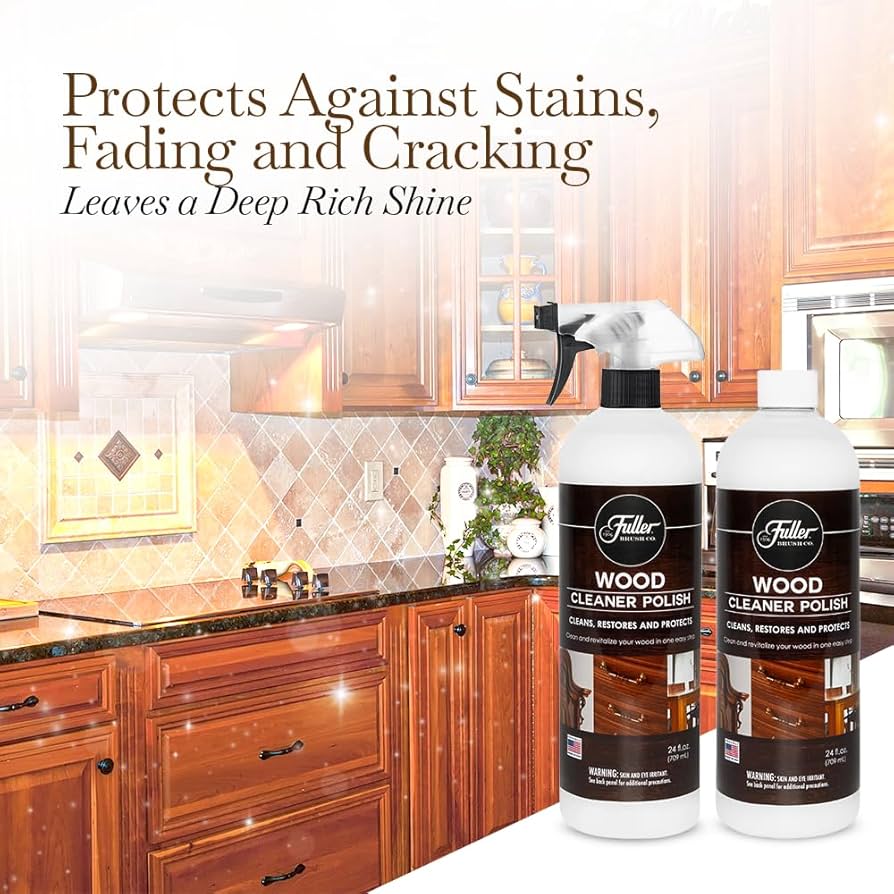
What is the Best Polish for Wood Kitchen Cabinets? Are your wood kitchen cabinets looking dull or worn out? You want them to shine like new, but choosing the right polish can be confusing.
What if the wrong product damages your cabinets or leaves a sticky residue? You deserve a finish that protects and enhances the natural beauty of your wood. You’ll discover the best polish options that bring out the rich colors and keep your cabinets lasting longer.
Keep reading to find the perfect solution for your kitchen!
Types Of Wood Polish
Choosing the right polish for your wood kitchen cabinets can significantly affect their appearance and durability. Different types of wood polishes offer various benefits, from enhancing the natural grain to protecting against moisture and wear. Understanding the options helps you pick a finish that matches your kitchen’s style and your maintenance preferences.
Oil-based Polishes
Oil-based polishes penetrate deep into the wood, nourishing it from within. They bring out a rich, warm glow that enhances the natural beauty of your cabinets. If you want a finish that ages gracefully and shows the wood’s character over time, oil-based polishes might be your best friend.
These polishes require reapplication every few months but offer excellent protection against drying and cracking. Have you noticed how some older cabinets have that timeless, glowing look? That’s often thanks to oil finishes.
Wax-based Polishes
Wax-based polishes create a soft, matte finish that feels smooth to the touch. They’re easy to apply and give your cabinets a subtle shine without looking overly glossy. This type of polish is great if you prefer a natural, understated look.
However, wax doesn’t provide as much protection as oils or varnishes, so you might need to reapply it more often, especially in busy kitchens. Do you enjoy the idea of regularly caring for your cabinets to keep them looking fresh? Wax can make that a satisfying routine.
Lacquer And Varnish Options
Lacquers and varnishes form a hard, protective layer on the surface of your cabinets. They come in a variety of finishes, from high gloss to satin, letting you tailor the look to your taste. This type of polish offers strong resistance to scratches, heat, and moisture.
If your kitchen sees a lot of action, a lacquer or varnish finish can keep your cabinets looking new for years. Are you willing to trade a bit of natural wood feel for long-lasting durability? This might be the polish for you.
Water-based Polishes
Water-based polishes are a newer option that’s gaining popularity for being eco-friendly and quick-drying. They provide a clear finish that doesn’t yellow over time, preserving the original color of your wood. These polishes are easy to clean up and have low odors, making them ideal for indoor use.
While they may not penetrate as deeply as oil-based options, water-based polishes offer good protection and maintain a fresh look. Could a fast-drying, low-smell polish make your kitchen upgrade less disruptive? It’s worth considering if you want convenience without sacrificing quality.

Credit: www.amazon.com
Factors To Consider
Choosing the best polish for your wood kitchen cabinets involves more than just picking a shiny finish. You need to think about several key factors that affect both the look and longevity of your cabinets. Understanding these can save you time, money, and frustration down the line.
Wood Type Compatibility
Different woods react differently to polishes. For example, softwoods like pine absorb polish faster, while hardwoods like oak may need a thicker, more protective coat.
If you use the wrong polish, you might end up with a sticky surface or uneven color. Ask yourself: does the polish enhance the wood’s natural grain without causing damage?
Durability And Protection
Your kitchen cabinets face constant wear from moisture, heat, and frequent cleaning. The polish you choose should protect against these challenges.
Look for polishes that offer water resistance and prevent staining. A polish that lasts longer means less frequent reapplications, saving you effort over time.
Ease Of Application
Not everyone has hours to spend on a complicated finishing process. Some polishes require multiple coats and drying times, while others go on smoothly in one step.
Consider how comfortable you are with applying polish. Would you prefer a quick spray or a slow brush-on method? Your choice should fit your schedule and skill level.
Safety And Environmental Impact
Your kitchen is a space where safety matters. Many traditional polishes contain harsh chemicals that can affect air quality and your health.
Look for non-toxic, low-VOC options. These are better for you, your family, and the environment—without sacrificing quality.
Top Polish Brands
Choosing the right polish for wood kitchen cabinets enhances their beauty and durability. Many brands offer unique formulas tailored to different finishes and needs. The best polish protects the wood while highlighting its natural charm or adding a sleek shine. Quality brands use ingredients that nourish and shield wood surfaces effectively.
Here is a guide to top polish brands categorized by finish type and other important features.
Best For Natural Finish
Polishes in this category maintain the wood's original look. They nourish without adding shine or gloss.
- Howard Feed-N-Wax: Deeply conditions with beeswax and orange oil.
- Minwax Paste Finishing Wax: Provides a soft, matte finish.
- Old English Lemon Oil: Cleans and protects while preserving wood’s natural tone.
Best For High Gloss
These polishes create a bright, reflective surface for a modern kitchen look.
- Guardsman High Gloss Polish: Enhances shine and adds a protective layer.
- Pledge High Gloss Finish: Easy to apply and leaves a smooth surface.
- Briwax Clear Paste Wax: Offers a durable, glossy coating.
Budget-friendly Choices
Affordable options that do not sacrifice quality or protection.
- Murphy Oil Soap: Cleans and polishes at a low cost.
- Rejuvenate Wood Polish: Affordable with good shine and protection.
- Scott's Liquid Gold: Popular for gentle cleaning and polishing.
Eco-friendly Products
Safe for the environment and free of harsh chemicals.
- Better Life Naturally Polishing Wax: Plant-based and biodegradable.
- Eco-Me Natural Wood Polish: Uses essential oils and no synthetic ingredients.
- Method Wood for Good Polish: Made with renewable ingredients and recyclable packaging.

Credit: www.amazon.com
Application Tips
Choose a polish that protects and enhances the natural wood grain. Apply evenly with a soft cloth to avoid streaks. Regular use keeps cabinets looking fresh and smooth.
Application Tips for Polishing Wood Kitchen Cabinets Applying polish to wood kitchen cabinets can enhance their beauty and longevity. Proper application ensures that the polish works effectively, giving your cabinets a fresh and shiny appearance. Here are some essential tips to follow for the best results.
Preparation And Cleaning
Before applying polish, clean your cabinets thoroughly. Dust and grime can interfere with polish effectiveness. Use a mild soap and water solution. Gently scrub the surface, then dry with a clean cloth.
Proper Polish Application
Choose a polish suitable for your wood type. Apply a small amount to a soft, lint-free cloth. Work in small sections, moving in the direction of the wood grain. Ensure even coverage without overloading any area.
Buffing Techniques
Buffing is crucial for a polished finish. Use a clean, dry cloth for buffing. Gently rub the surface in circular motions. This helps to distribute the polish evenly and enhances shine.
Frequency Of Polishing
Polish your cabinets every few months. This keeps them looking their best. Regular polishing also protects the wood from damage and wear. Adjust frequency based on usage and cabinet condition.
Common Mistakes To Avoid
Polishing wood kitchen cabinets can enhance their beauty and protect the surface. Avoiding common mistakes keeps cabinets looking fresh and lasting longer. Understanding these errors helps you maintain perfect cabinets.
Using The Wrong Product
Not all polishes suit wood cabinets. Some contain harsh chemicals that damage the finish. Avoid products meant for other surfaces like metal or plastic. Use a polish designed specifically for wood. Test on a small area before full application.
Over-polishing
Applying polish too often creates buildup and dullness. Excess polish traps dirt and dust, making cabinets sticky. Polish only when the wood looks dry or faded. Follow product instructions for frequency to avoid overdoing it.
Ignoring Surface Damage
Polish cannot fix scratches, dents, or cracks. Ignoring surface damage leads to worsening problems. Repair minor damage with wood filler or touch-up markers before polishing. Clean and smooth the surface for best results.
Poor Maintenance Practices
Skipping regular cleaning reduces polish effectiveness. Use a soft cloth and mild cleaner to remove grease and dirt. Avoid abrasive tools that scratch wood. Maintain a routine cleaning schedule to keep cabinets in top shape.
Diy Vs Professional Polishing
Deciding between DIY and professional polishing for your wood kitchen cabinets can feel overwhelming. Both options have their own benefits and drawbacks. Understanding when to take on the project yourself and when to call in experts will help you get the best shine without wasting time or money.
When To Diy
You should consider polishing your cabinets yourself if the damage is minor, like light scratches or dullness. DIY polishing is great for routine maintenance that keeps wood looking fresh without a full restoration. If you enjoy hands-on projects and have the right polish and tools, this can be a satisfying weekend task.
Keep in mind, DIY works best when you have time to work carefully and test products on a small cabinet area first. Are you ready to invest a few hours for potentially noticeable improvements? If yes, polishing your cabinets yourself can be very rewarding.
When To Hire Experts
Hiring a professional is advisable when cabinets have deep scratches, stains, or require sanding and refinishing. Experts bring specialized equipment and skills that deliver a flawless finish quickly. They can also advise on the best polish types for your wood variety and kitchen environment.
If your cabinets are antique or made from expensive hardwood, a professional can protect their value better than an amateur attempt. Think about whether your kitchen is a high-traffic area needing durable results. If so, professional polishing ensures long-lasting protection and beauty.
Cost Comparison
| Aspect | DIY Polishing | Professional Polishing |
|---|---|---|
| Materials Cost | $15 - $50 (polish, cloths, sandpaper) | Included in service fee |
| Labor Cost | Your time | $150 - $500 depending on cabinet size |
| Time Investment | Several hours to days | Usually 1 day or less |
| Risk of Mistakes | High if inexperienced | Low |
You must weigh these costs against your budget and expectations. Would you rather spend money or your free time? Sometimes, paying for a pro saves headaches and guarantees the look you want.
Expected Results
DIY polishing can bring a nice glow to your cabinets but often falls short of a showroom finish. Small imperfections might remain, and uneven application is common if you’re new to the process. However, you gain satisfaction from improving your kitchen with your own effort.
Professional polishing usually results in a smooth, even shine that enhances the wood’s natural beauty. The finish lasts longer and withstands daily wear better. Are you aiming for perfection or just a quick refresh? Your answer will guide your choice effectively.

Credit: www.amazon.com
Frequently Asked Questions
What Is The Best Polish For Wood Kitchen Cabinets?
The best polish for wood kitchen cabinets is a high-quality beeswax or oil-based polish. These enhance the wood’s natural shine and protect against moisture. They also nourish the wood, preventing cracking and fading over time. Avoid silicone-based polishes as they can cause buildup.
How Often Should I Polish Wood Kitchen Cabinets?
Polish your wood kitchen cabinets every 3 to 6 months. Regular polishing maintains their shine and protects the wood from damage. Too frequent polishing can cause buildup, while too little can leave cabinets dull and vulnerable.
Can I Use Furniture Polish On Kitchen Cabinets?
Yes, you can use furniture polish on kitchen cabinets if it’s safe for wood. Choose a non-toxic, oil-based or beeswax polish to nourish and protect the wood surface without harming finishes or hardware.
Does Polishing Wood Cabinets Protect Against Stains?
Yes, polishing wood cabinets adds a protective layer that helps repel stains and moisture. This layer prevents dirt and spills from penetrating the wood, making cleaning easier and preserving the cabinet’s appearance longer.
Conclusion
Choosing the right polish keeps wood kitchen cabinets looking fresh and bright. A good polish protects the wood from scratches and stains. It also makes cleaning easier and saves time. Natural oils or wax-based polishes often work best for wood.
Always test polish on a small spot first. Regular care helps cabinets last longer and stay beautiful. Remember, simple steps bring big results. Your kitchen will feel warm and inviting with well-polished cabinets. Keep your wood shining with the best polish you choose.