

What to Use to Mop Kitchen Floor? You want your kitchen floor to shine and stay clean, but choosing the right mop can feel confusing. With so many options out there, how do you know what to use to mop your kitchen floor effectively?
The wrong choice can leave streaks, waste your time, or even damage your floor. This guide will help you find the perfect mop that fits your kitchen’s needs and your lifestyle. Keep reading to discover simple tips that make mopping easier and your kitchen cleaner than ever.
Choosing The Right Mop
Choosing the right mop is key to keeping your kitchen floor clean and safe. The perfect mop makes cleaning easier and protects your floor's surface. Picking a mop depends on your floor type and cleaning needs. Understanding different mops helps you find the best fit for your kitchen.
Types Of Mops
- String mops: Classic design with absorbent strings for heavy spills.
- Sponge mops: Use a sponge head for smooth surfaces and light cleaning.
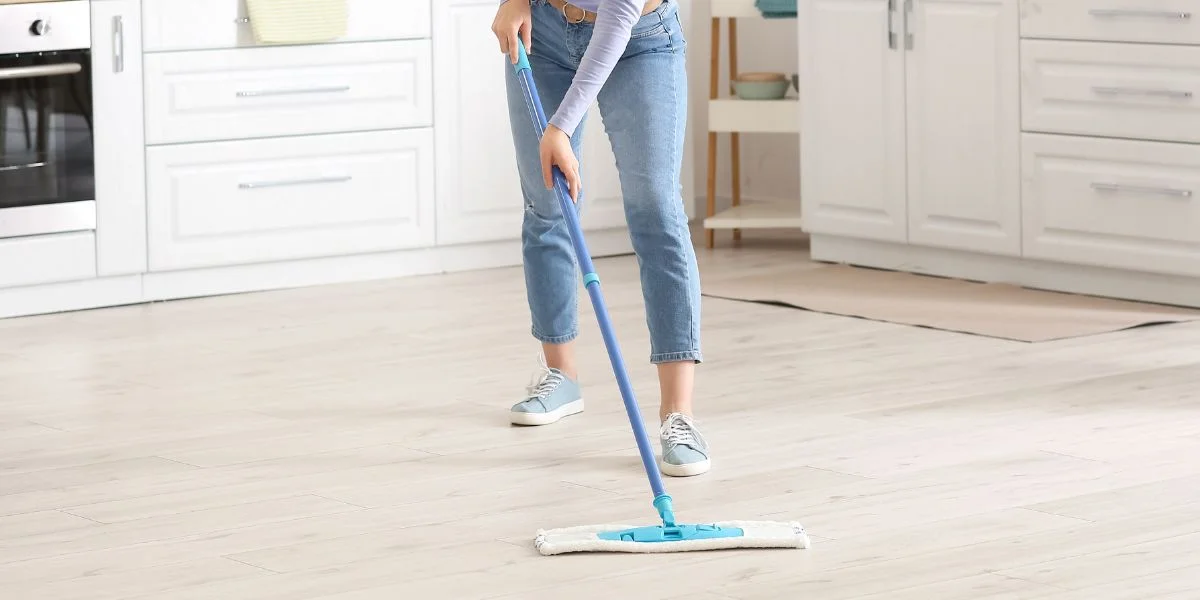
- Flat mops: Feature a flat head with removable pads, ideal for daily cleaning.
- Steam mops: Use steam to sanitize and clean without chemicals.
- Microfiber mops: Have microfiber pads that trap dirt and dust efficiently.
Materials And Features
Mop heads come in cotton, microfiber, sponge, and synthetic blends. Cotton absorbs well but takes longer to dry. Microfiber is quick-drying and traps tiny particles. Sponge heads are soft but may wear out fast. Some mops have adjustable handles for better reach. Wringer buckets help remove excess water easily. Lightweight mops reduce fatigue during cleaning.
Best Mops For Kitchen Floors
| Mop Type | Best For | Key Feature |
|---|---|---|
| Microfiber Flat Mop | Everyday cleaning | Easy to use, traps dust |
| String Mop | Heavy spills | Highly absorbent |
| Steam Mop | Sanitizing floors | Kills germs with steam |
| Sponge Mop | Light dirt | Soft and gentle on floors |
Essential Cleaning Solutions
Choosing the right cleaning solution for your kitchen floor is crucial. It affects not only the cleanliness but also the safety and longevity of your flooring. Using the proper cleaner ensures that dirt and grime are removed effectively without damaging the surface or leaving harmful residues.
Safe Kitchen Floor Cleaners
Look for cleaners specifically labeled safe for kitchen floors. These products are designed to cut through grease and food stains without harsh chemicals that can wear down your floor’s finish.
Many brands offer pH-balanced formulas that protect tile, wood, or vinyl. Some even include antibacterial properties, which help keep your kitchen healthier.
Have you checked the label for toxicity warnings or strong fumes? Choosing a low-odor, non-toxic cleaner makes your cleaning routine safer for you and your family.
Diy Cleaning Solutions
You don’t always need store-bought products to get a sparkling kitchen floor. Simple ingredients like vinegar, baking soda, and dish soap can create effective and affordable cleaning solutions.
Mix half a cup of white vinegar with a gallon of warm water for a natural, streak-free cleaner. Add a few drops of mild dish soap if you need extra grease-cutting power.
Using DIY solutions gives you control over what touches your floor. Plus, it’s a great way to avoid unnecessary chemicals while keeping your kitchen spotless.
Avoiding Harmful Chemicals
Some common floor cleaners contain harsh substances like ammonia, bleach, or strong acids. These can damage your floor’s finish and pose health risks through skin contact or inhalation.
Pay attention to ingredients such as phosphates and synthetic fragrances, which can linger and cause allergic reactions or respiratory issues.
Have you ever noticed your kitchen smelling overwhelmingly chemical after mopping? That’s a sign to switch to gentler alternatives.
Choosing safer products protects your floor, your family, and the environment. It’s a small change that makes a big difference.
Preparation Before Mopping
Preparation before mopping the kitchen floor ensures better cleaning results. It helps remove loose dirt and tough stains. A clean surface makes mopping easier and more effective.
Clearing The Floor
Remove all items from the floor. Chairs, mats, and trash should be moved aside. This frees up space and avoids wetting objects during mopping.
Sweeping And Vacuuming
Sweep the floor to gather dust, crumbs, and hair. Use a broom or vacuum cleaner for best results. This step prevents dirt from spreading when mopping.
Spot Cleaning Stains
Check for sticky spots or stains on the floor. Use a damp cloth or sponge with mild detergent to clean them. Removing stains first keeps the floor spotless after mopping.

Credit: www.amazon.ca
Effective Mopping Techniques
Mopping your kitchen floor effectively is more than just pushing a wet mop around. The right techniques can make your floor sparkle and last longer, while also saving you time and effort. Let’s dive into some practical tips that will help you mop smarter, not harder.
Proper Mopping Motion
Use a figure-eight or S-shaped motion when mopping. This technique covers more area efficiently and avoids pushing dirt back and forth. Straight back-and-forth strokes can leave streaks and miss spots.
Try to keep the mop flat on the floor to pick up grime instead of just moving water around. If your mop has a wringer, use it often to avoid soaking the floor excessively. Have you noticed how floors dry faster when you control the mop pressure?
Managing Water And Cleaner Amount
Too much water can damage your floor, especially if it’s wood or laminate. Dip the mop in the solution, then wring it out so it’s damp, not dripping. This keeps your floor cleaner and prevents water damage.
Use just enough cleaner to cut through grease and grime without leaving a residue. Often, less is more when it comes to cleaning products. If you see bubbles or streaks, it’s a sign you’re using too much soap.
Drying Tips
After mopping, dry the floor quickly to avoid slips and water marks. Use a dry microfiber cloth or mop to go over the floor again. This step also helps pick up any leftover dirt or cleaner.
Open windows or turn on fans to speed up drying time. Have you ever slipped on a wet kitchen floor? Drying promptly is a simple way to keep your kitchen safe and clean.
Maintaining Your Mop
Choose a gentle floor cleaner or a mix of warm water and mild soap to mop kitchen floors. Avoid harsh chemicals that can damage surfaces or leave residue. Rinse the mop well after use to keep it clean and ready for next time.
Maintaining your mop is crucial to ensuring that your kitchen floor remains clean and hygienic. A well-maintained mop not only enhances cleaning efficiency but also extends its life, saving you money in the long run. Let's delve into how you can keep your mop in top-notch condition with some straightforward practices.
Cleaning And Storing Mops
After each use, rinse your mop thoroughly with hot water to remove dirt and bacteria. It’s essential to let it dry completely before storing; a damp mop invites mold and unpleasant odors. Hang it in a well-ventilated area or place it in a mop holder to keep the fibers from getting tangled or damaged.
Replacing Mop Heads
Mop heads wear out over time. If you notice frayed fibers or a persistent odor, it's time for a replacement. Opt for detachable mop heads that make swapping a breeze and ensure you always have a backup ready.
Extending Mop Lifespan
Investing a bit of time in maintaining your mop can significantly extend its lifespan. Use gentle cleaning solutions that don't degrade the fibers. Additionally, avoid using your mop on rough surfaces that could cause unnecessary wear and tear. Is your mop ready for the next cleaning challenge? A little attention goes a long way in keeping it effective and ready to tackle those kitchen messes!
Credit: www.abt.com
Alternative Tools For Kitchen Floors
Choosing the right tool to mop your kitchen floor makes cleaning easier and faster. Traditional mops work well, but some alternative tools offer extra benefits. These options save time and improve hygiene. Explore these alternatives to find what suits your kitchen best.
Steam Mops
Steam mops use hot steam to clean and sanitize floors. They remove dirt without harsh chemicals. Steam kills many germs and bacteria, making floors safer. These mops dry quickly, reducing slip risks. They work well on sealed tiles and hardwood floors. Steam mops need little effort and save water.
Microfiber Pads
Microfiber pads attract dust and dirt like a magnet. They clean without chemicals or much water. These pads are soft, so they do not scratch floors. Microfiber pads are reusable and easy to wash. They fit on various mop types for easy use. These pads are lightweight and reduce cleaning time.
Robot Mops
Robot mops clean floors automatically. They move around the kitchen and mop without help. These devices save time for busy people. Robot mops use sensors to avoid obstacles and stairs. They work best on flat, smooth surfaces. Some models have wet and dry cleaning modes. Robot mops keep your floor clean daily.

Credit: www.goodhousekeeping.com
Frequently Asked Questions
What Is The Best Mop For Kitchen Floors?
The best mop for kitchen floors is a microfiber mop. It effectively cleans dirt and bacteria. It works well on all floor types and dries quickly.
Can I Use Vinegar To Mop Kitchen Floors?
Yes, vinegar is a natural cleaner. Mix one cup of vinegar with a gallon of warm water. It removes grease and disinfects floors without harmful chemicals.
How Often Should I Mop My Kitchen Floor?
Mop your kitchen floor at least twice a week. Frequent mopping prevents grime buildup and maintains a hygienic surface. High-traffic kitchens may need daily mopping.
Is It Safe To Use Bleach On Kitchen Floors?
Bleach can disinfect but may damage some floor finishes. Use diluted bleach sparingly and test on a small area first. Always ventilate the room during use.
Conclusion
Choosing the right mop and cleaner keeps your kitchen floor spotless. Soft microfiber mops work well on most surfaces. Use warm water with mild soap for safe cleaning. Avoid harsh chemicals that may damage the floor finish. Regular mopping prevents dirt buildup and keeps germs away.
Clean floors make your kitchen look fresh and inviting. Small efforts bring big results in floor care. Keep your tools clean and dry after use. This simple routine saves time and effort later. A clean kitchen floor feels good to walk on.