
Your kitchen tools are used every day to prepare meals for you and your loved ones. But have you ever stopped to think about how clean and safe those tools really are?
If germs and bacteria are left behind, they can cause foodborne illnesses and spoil the taste of your dishes. You want your kitchen to be a safe place, and that starts with knowing how to properly clean and sanitize your tools.
Keep reading, because mastering these simple steps will protect your health and make your cooking experience much better.
Importance Of Cleaning Kitchen Tools
Cleaning kitchen tools is essential for a safe and healthy cooking space. Dirty tools can spread germs and bacteria. This can cause food poisoning or other illnesses. Keeping tools clean protects your family and guests.
Proper cleaning also keeps kitchen tools in good condition. Food residues can cause rust or damage over time. Clean tools last longer and work better. This saves money by reducing replacements.
Sanitizing kitchen tools removes harmful microbes that regular cleaning might miss. It helps stop cross-contamination between raw and cooked foods. This step is vital for food safety and hygiene.
Prevents Foodborne Illnesses
Bacteria like Salmonella and E. coli grow on dirty tools. These bacteria cause serious sickness. Cleaning and sanitizing kill these germs. This lowers the risk of foodborne illnesses.
Maintains Kitchen Hygiene
A clean kitchen looks and feels better. It keeps pests away, like ants and cockroaches. Clean tools reduce bad smells and stains. This creates a pleasant cooking environment.
Extends Tool Lifespan
Food bits left on tools cause corrosion and wear. Regular cleaning removes these residues. This protects the surface and sharpness of knives. Clean tools stay functional for longer.
Improves Food Taste And Quality
Old food residues can affect taste and smell. Clean tools help keep flavors fresh and pure. This makes meals more enjoyable and appetizing.
Supports Safe Cooking Practices
Sanitizing tools reduces cross-contamination risks. It ensures raw meat juices do not touch ready-to-eat foods. Safe tools help maintain proper cooking standards.

Credit: www.youtube.com
Common Kitchen Tools That Need Cleaning
Keeping your kitchen tools clean and sanitized is crucial for safe food preparation. Certain items can harbor bacteria more easily, so knowing which tools need extra attention helps you maintain a healthy kitchen. Let’s look at some common kitchen tools that require regular cleaning to keep your meals safe and delicious.
Knives And Cutting Boards
Knives and cutting boards are in constant contact with raw foods, especially meat, which can transfer harmful bacteria. You should wash knives immediately after use with hot, soapy water, and dry them thoroughly to prevent rust and contamination.
Cutting boards, especially wooden ones, need special care. Use separate boards for raw meat and vegetables to avoid cross-contamination. After washing, sanitize them with a vinegar solution or dilute bleach to kill lingering germs.
Utensils And Gadgets
Spoons, spatulas, peelers, and other small gadgets often get overlooked in cleaning routines. These tools can trap food particles in crevices, creating a breeding ground for bacteria.
Make sure to scrub all surfaces, including handles and joints, with warm soapy water. For gadgets with detachable parts, disassemble them for a thorough clean. Have you checked recently if your can opener or garlic press is still spotless?
Pots, Pans, And Bakeware
Grease and food residue build up quickly on pots, pans, and bakeware, which can affect the taste of your dishes and promote bacteria growth. Use hot water and a good dish soap to break down oils and stuck-on food.
For stubborn stains, soak your cookware before scrubbing. Non-stick pans need gentle cleaning to avoid damage, but never skip sanitizing them after cooking raw meat or eggs.
Small Appliances
Blenders, food processors, and mixers are kitchen workhorses that often get dirty inside and out. Food particles can hide in blades, seals, and crevices, so it’s important to clean them after every use.
Unplug the appliance before cleaning. Remove detachable parts and wash them separately with hot soapy water. Wipe down the motor base with a damp cloth—never immerse it in water.
Step-by-step Cleaning Process
Cleaning and sanitizing kitchen tools properly is essential to keep your cooking safe and your tools in great condition. A clear, step-by-step process helps you avoid missed spots and ensures every tool is hygienic. Let’s walk through the essential stages that make cleaning both effective and straightforward.
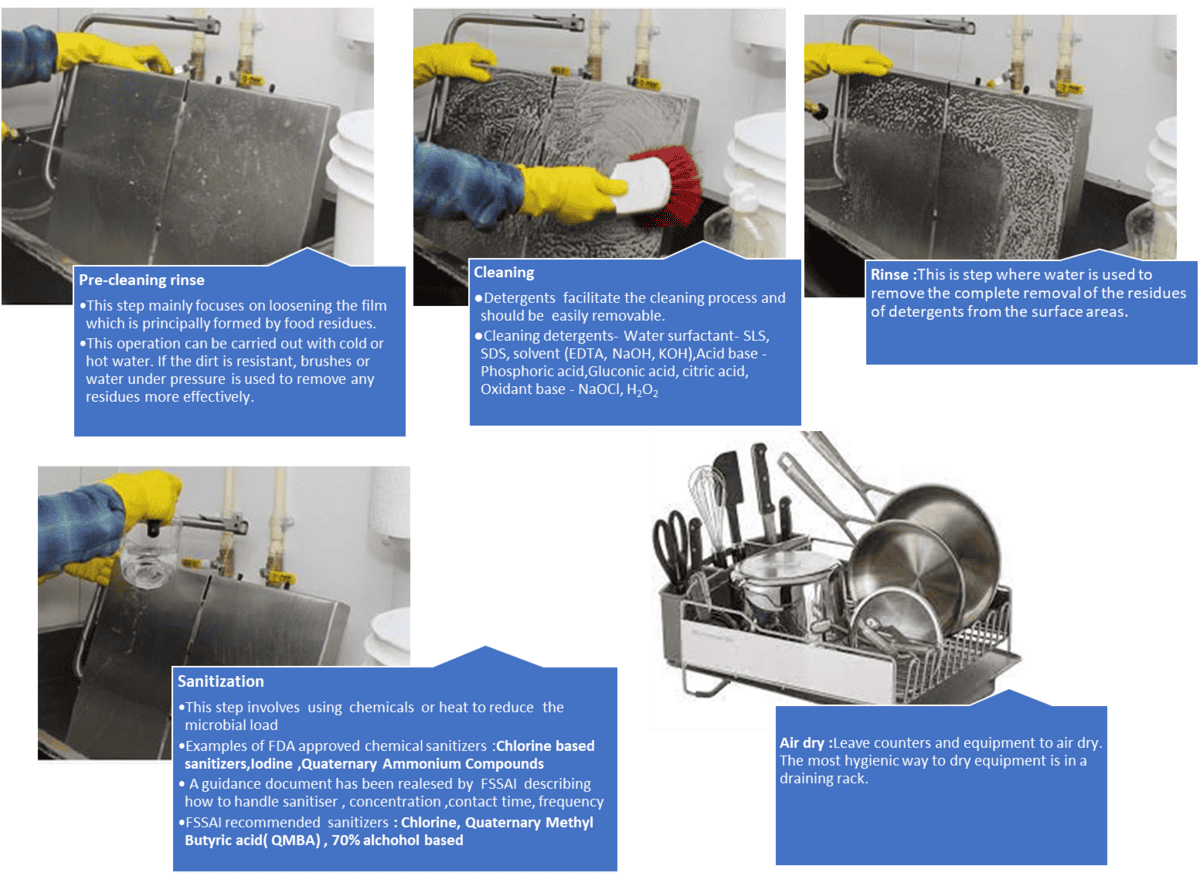
Pre-rinsing And Scraping
Start by removing any leftover food particles from your kitchen tools. Scrape off stuck-on bits with a spatula or a brush—this helps prevent clogging your sink and makes washing easier. Rinsing under warm water loosens grime, preparing your tools for a deeper clean.
Have you noticed how skipping this step often leaves residue behind? Taking a moment here makes a big difference in cleanliness.
Washing With Soap And Water
Use warm water combined with a good dish soap to wash your tools thoroughly. Scrub every surface, paying special attention to handles, crevices, and joints where dirt hides. A soft sponge or brush works well; avoid abrasive materials that might damage your tools.
Don’t rush this part—effective washing removes oils and bacteria that water alone can’t handle. Think of it as giving your tools a fresh start before rinsing.
Rinsing Thoroughly
Rinse each tool under warm running water to wash away soap and loosened debris. Make sure no soap residue remains, as it can affect taste and safety in future food preparation. Inspect your tools closely—clean surfaces should look spotless and feel smooth.
What if you miss a spot? Leftover soap or grime can harbor bacteria, so take your time here. A clean rinse is the final step that guarantees your kitchen tools are ready for use or storage.
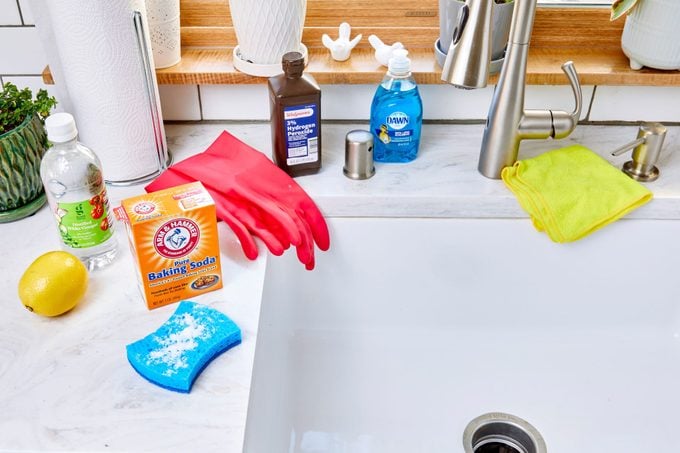
Credit: www.rd.com
Effective Sanitizing Techniques
Clean kitchen tools with warm, soapy water to remove food and dirt. Rinse well, then use a sanitizer or a bleach solution to kill germs effectively. Dry tools completely before storing to keep them safe and ready for use.
Effective sanitizing techniques are essential for maintaining a clean and safe kitchen environment. Whether you're preparing a family meal or hosting a dinner party, ensuring your kitchen tools are free from harmful bacteria is crucial. Let's explore some practical methods for sanitizing your kitchen tools effectively.
Using Bleach Solutions
One of the most reliable methods for sanitizing kitchen tools involves using a bleach solution. A simple mixture of one tablespoon of bleach per gallon of water can effectively kill germs. Soak your tools for at least two minutes, then rinse thoroughly with clean water. Tip: Ensure the bleach solution is fresh. Its effectiveness diminishes over time.
Vinegar And Natural Alternatives
If you're leaning towards natural options, vinegar is a fantastic choice. White vinegar, with its acidic nature, can help eliminate bacteria. Simply fill a spray bottle with equal parts water and vinegar, spray your tools, and let them sit for a few minutes before rinsing. Bonus: Adding a few drops of essential oil can mask the vinegar smell and add an extra layer of antibacterial properties.
Heat Sanitizing Methods
Heat is a powerful ally in killing bacteria. Dishwashers with a sanitize setting are excellent for this purpose, reaching temperatures that can effectively sanitize your kitchen tools. Alternatively, boiling tools in water for a few minutes is another effective method. Remember: Not all materials can withstand high temperatures. Check your tools' instructions to avoid damage. How do these techniques fit into your daily kitchen routine? Consider trying a combination to find what suits your lifestyle best. Maintaining a clean kitchen is not just about cleanliness but peace of mind.
Drying And Storing Kitchen Tools Safely
Drying and storing kitchen tools safely is key to keeping your cooking space hygienic and extending the life of your utensils. Water left on tools can breed bacteria and cause rust, while improper storage can lead to damage or contamination. Paying attention to how you dry and where you store your tools helps maintain their quality and ensures your kitchen stays clean.
Air Drying Vs. Towel Drying
Air drying is the safest way to let your kitchen tools dry completely without introducing bacteria from towels. Simply place your tools on a clean rack or mat and allow them to dry naturally. It might take longer, but it reduces the risk of transferring germs or lint onto your utensils.
Towel drying can be faster, especially when you need your tools ready quickly. However, it’s important to use a clean, dry towel to avoid spreading bacteria. Have you ever grabbed a damp towel only to realize it left streaks or lint on your knife? That’s a sign you might need to switch towels more often.
Consider combining both methods: air dry most tools, and towel dry those that need to be put away quickly. This balance can keep your kitchen tools clean and ready for use.
Proper Storage Tips
Storing your kitchen tools properly prevents damage and keeps them sanitary. Always store knives separately in a block or magnetic strip to avoid dulling blades or accidents. Utensils with wooden handles should be kept dry and away from direct sunlight to prevent cracking.
Use containers or drawers lined with a clean liner to keep tools organized and off potentially dirty surfaces. Avoid piling tools on top of each other, as this can cause scratches or harbor bacteria. Think about your storage layout: does it allow air circulation and easy access?
Have you checked the condition of your storage spots lately? A quick wipe and rearrangement can make a big difference in how safe and clean your kitchen tools stay.
Credit: foodsafetyworks.com
Preventing Cross-contamination
Preventing cross-contamination is essential for keeping your kitchen safe and your meals healthy. It happens when harmful bacteria transfer from one surface or food item to another, often through kitchen tools. Understanding how to properly clean and separate your tools can protect you and your family from foodborne illnesses.
Separating Raw And Cooked Food Tools
Using different tools for raw and cooked foods is one of the simplest ways to avoid contamination. For example, never use the same cutting board or knife for raw chicken and then for chopping vegetables without washing them first.
You can color-code your kitchen tools—like red for raw meat and green for vegetables—to make this easier. This small step can save you from accidental mix-ups and keep bacteria from spreading.
Have you noticed how often we handle raw food without thinking twice? Taking a moment to separate tools could be the difference between a safe meal and a trip to the doctor.
Regular Cleaning Schedule
Cleaning your kitchen tools right after use is crucial, but sticking to a regular deep-cleaning schedule is just as important. Set specific days to thoroughly sanitize your cutting boards, knives, and other utensils.
Dishwashers are great, but some tools need hand washing with hot soapy water followed by a sanitizing rinse. Using a solution of one tablespoon of bleach per gallon of water can effectively kill bacteria.
What’s your current cleaning routine? Adjusting it to include scheduled sanitizing can lower risks and give you peace of mind every time you cook.
Maintaining And Replacing Kitchen Tools
Maintaining and replacing kitchen tools keeps your cooking safe and efficient. Clean tools work better and last longer. Regular care prevents damage and stops bacteria growth. Knowing when to replace tools avoids health risks and poor performance. Simple steps can extend the life of your kitchen tools.
When To Replace Worn Tools
Replace tools showing cracks, rust, or deep scratches. Dull blades or bent handles reduce safety and function. Tools with loose parts or broken pieces need replacement. If cleaning does not remove stains or odors, consider new ones. Worn tools can cause accidents or food contamination.
Tips For Prolonging Tool Life
- Wash tools immediately after use with warm soapy water.
- Dry tools completely to prevent rust and mold.
- Store tools in a dry, safe place away from moisture.
- Sharpen knives regularly to keep them effective.
- Use tools only for their intended purpose.
- Avoid harsh cleaners that can damage surfaces.
Frequently Asked Questions
How Often Should I Clean Kitchen Tools?
Clean kitchen tools after every use to prevent bacteria buildup. Regular cleaning keeps tools safe and extends their lifespan. Sanitizing occasionally adds extra protection against germs and foodborne illnesses.
What Is The Best Method To Sanitize Kitchen Tools?
Use a solution of one tablespoon bleach per gallon of water. Soak tools for at least one minute, then air dry. This method effectively kills most bacteria and viruses on kitchen tools.
Can Dishwasher Sanitize Kitchen Tools Effectively?
Yes, most modern dishwashers have a sanitizing cycle. High temperatures and detergent kill germs and bacteria. Always check manufacturer guidelines to ensure tools are dishwasher safe.
Should Wooden Kitchen Tools Be Sanitized Differently?
Yes, avoid soaking wooden tools in water or bleach. Use hot soapy water and wipe with vinegar to sanitize. Dry thoroughly to prevent cracking and bacteria growth.
Conclusion
Keeping kitchen tools clean and sanitized protects your health. Wash tools with warm, soapy water after each use. Use disinfectants to kill harmful germs and bacteria. Dry tools completely to prevent mold and rust. Store tools in a clean, dry place for safety.
Regular cleaning helps food taste better and stay safe. Simple steps make your kitchen safer every day. Clean tools mean safer meals for your family. Stay consistent and enjoy a healthier cooking space.