
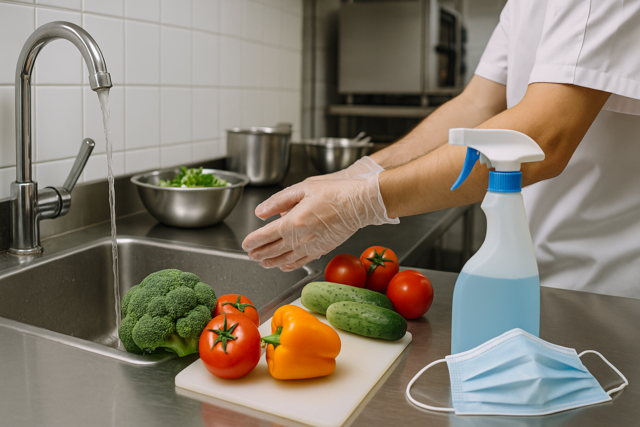
You’ve just finished cleaning and sanitizing your kitchen, but do you know why this step is so important? Keeping your kitchen spotless isn’t just about looks—it’s about keeping your food safe and your family healthy.
When you clean and sanitize properly, you stop harmful germs from spreading and ruining your meals. You’ll discover the key reasons why thorough kitchen cleaning matters and simple tips to make sure you’re doing it right every time. Ready to make your kitchen a safer place?
Let’s dive in.
Cleaning Vs Sanitizing
Cleaning and sanitizing are two essential tasks in any kitchen. They help keep the space safe and healthy for food preparation. Understanding the difference between these tasks can improve kitchen hygiene.
Key Differences
Cleaning removes dirt, grease, and food residue from surfaces. It uses soap or detergent with water to wash away visible grime.
Sanitizing reduces harmful germs and bacteria on cleaned surfaces. It uses chemicals or heat to kill these invisible threats.
Cleaning prepares the surface, while sanitizing ensures it is safe.
Why Both Matter
Cleaning alone does not kill germs. Germs can still cause illness if not sanitized.
Sanitizing alone cannot remove dirt or grease. Dirt can protect germs from sanitizers.
Using both keeps kitchens free from dirt and harmful microbes. This protects food workers and customers from sickness.

Credit: www.foodengineeringmag.com
Proper Cleaning Techniques
Proper cleaning techniques are essential for maintaining a safe and hygienic kitchen environment. They ensure that all surfaces are free from harmful bacteria and contaminants, protecting both the food and those who consume it. Mastering these techniques helps you work efficiently while meeting health standards.
Removing Debris And Residue
Start by clearing away visible debris and food particles from all surfaces. Use a scraper or disposable cloth to lift off stuck-on residue before applying any cleaning solution.
Skipping this step can make your cleaning less effective because dirt and grease trap bacteria underneath. You want to remove as much physical dirt as possible first to allow your cleaning agents to work properly.
Ask yourself: Have you checked every corner and crevice? Food particles hiding in small spaces can easily be overlooked but cause contamination later.
Using Appropriate Cleaning Agents
Choose cleaning agents that match the type of dirt and surface you are tackling. For example, use degreasers for greasy stovetops and mild detergents for countertops.
Always follow the product instructions on dilution and contact time to maximize effectiveness. Too little or too much can reduce the cleaning power or even damage surfaces.
Remember, using a sanitizer after cleaning is crucial to kill any remaining germs. Are you confident your cleaning products are strong enough to keep your kitchen safe?
Effective Sanitizing Methods
Effective sanitizing methods are essential for keeping kitchens safe and clean. Proper sanitizing kills germs that cause foodborne illnesses. It also helps maintain a healthy environment for food preparation. Using the right techniques ensures surfaces are free from harmful bacteria.
Choosing The Right Sanitizer
Pick a sanitizer approved for food contact surfaces. Check the label for safety and effectiveness. Common sanitizers include chlorine, quaternary ammonium compounds, and iodine. Each type works best under specific conditions like temperature and contact time. Always follow the manufacturer’s instructions. Avoid mixing different sanitizers to prevent dangerous chemical reactions.
Correct Application Procedures
Clean surfaces before sanitizing to remove dirt and food residue. Apply sanitizer evenly using a spray, wipe, or soak method. Allow the sanitizer to sit for the recommended contact time. This time is crucial to kill germs effectively. Rinse surfaces if the sanitizer requires it. Let surfaces air dry to avoid recontamination. Regular training ensures food workers apply sanitizers properly every time.
Post-cleaning Inspection
After cleaning and sanitizing, a post-cleaning inspection ensures everything is spotless. This step verifies the thoroughness of the cleaning process. A clean kitchen prevents contamination and upholds food safety standards.
Visual Checks
Begin with a detailed visual inspection. Look at all surfaces. Check for any remaining food particles. Inspect countertops, cutting boards, and shelves. Ensure they shine and are free from stains. Pay attention to corners and hard-to-reach areas. They often hide grime and dirt.
Using Test Kits
Use test kits to confirm cleanliness. They detect invisible contaminants. Swab surfaces and place samples in the kit. Follow the instructions carefully. These kits often show results within minutes. They help ensure all bacteria and pathogens are eliminated. This step is crucial for maintaining a safe kitchen.
Personal Hygiene After Cleaning
After finishing the cleaning and sanitizing of the kitchen, your personal hygiene plays a crucial role in maintaining a safe food environment. Even the cleanest surfaces can be compromised if you don’t properly care for yourself immediately afterward. Taking the right steps ensures you don’t transfer germs back onto utensils, food, or other kitchen areas.
Handwashing Practices
Washing your hands thoroughly after cleaning is not just a routine; it's essential. Use warm water and soap, rubbing your hands together for at least 20 seconds. Don’t forget to clean under your nails and between your fingers, areas where bacteria often hide.
Dry your hands with a clean towel or air dryer to avoid contamination from dirty cloths. Have you ever noticed how many times your hands touch different surfaces during a shift? Each contact can undo your cleaning efforts if you don’t wash properly.
Changing Protective Gear
Protective gear like gloves, aprons, and hairnets can carry contaminants after cleaning. Always replace gloves with a fresh pair before handling food again. Reusing gloves can spread germs from cleaned surfaces back onto food.
Aprons and uniforms should be cleaned regularly to avoid buildup of bacteria. Consider keeping an extra set of protective gear handy to switch into after cleaning tasks. How often do you change your gear during a busy shift? It might be more frequent than you think.
Storing Cleaning Supplies
Storing cleaning supplies correctly is vital after finishing kitchen cleaning and sanitizing. Proper storage keeps the kitchen safe and organized. It also prevents accidents and contamination. Every food worker should follow clear rules for storing these materials.
Safe Storage Locations
Cleaning supplies must be stored away from food areas. Choose a dry, cool place with good ventilation. Avoid spots near heat or direct sunlight. Lock cabinets or storage rooms to keep chemicals out of reach of children and pets. This prevents accidental contact and spills.
Labeling And Organization
Clear labeling helps identify each product quickly. Use waterproof labels with big, easy-to-read fonts. Group similar items together for faster access. Store liquids upright to avoid leaks. Keep shelves clean and dry to maintain order. Regularly check expiration dates and remove old supplies.
Documenting Cleaning Activities
Documenting cleaning activities is a vital part of kitchen hygiene. It ensures all tasks are tracked and completed properly. Clear records help maintain safety and quality standards. They also provide proof for inspections and audits.
Accurate documentation supports team communication. Everyone knows what has been done and what needs attention next. It also helps identify patterns or recurring issues quickly.
Log Maintenance
Keeping a detailed cleaning log is essential. Record each cleaning task with the date and time. Note the worker responsible for the job. Include the type of cleaning performed and the areas covered.
Use simple forms or digital tools for easy updates. Regularly review the logs to ensure consistency. Logs serve as a reference for future cleaning schedules and training.
Reporting Issues
Report any problems found during cleaning immediately. This includes broken equipment, pest sightings, or sanitation failures. Use a clear format to describe the issue and its location.
Timely reports allow quick fixes and prevent bigger problems. Keep records of reported issues and follow-up actions. This builds accountability and keeps the kitchen safe.
Credit: www.food-safety.com
Preventing Cross-contamination
Preventing cross-contamination is key in any kitchen. It stops harmful germs from spreading between surfaces and food. Clean and sanitized kitchens reduce the risk of foodborne illness. Every food worker should follow simple but effective steps to keep areas safe. These steps protect both customers and staff.
Separating Clean And Dirty Areas
Keep clean and dirty areas apart to avoid germ transfer. Store raw foods away from cooked foods. Use separate sinks for washing hands and cleaning dishes. Mark clean zones clearly to remind workers. This separation stops bacteria from moving across surfaces.
Using Color-coded Tools
Color-coded tools help identify their use quickly. Use different colors for cutting boards, knives, and cloths. For example:
- Red for raw meat
- Green for vegetables
- Blue for seafood
- Yellow for cooked foods
This system reduces mistakes and keeps food safe. Make sure all staff know the color codes well.
Safety Precautions During Cleaning
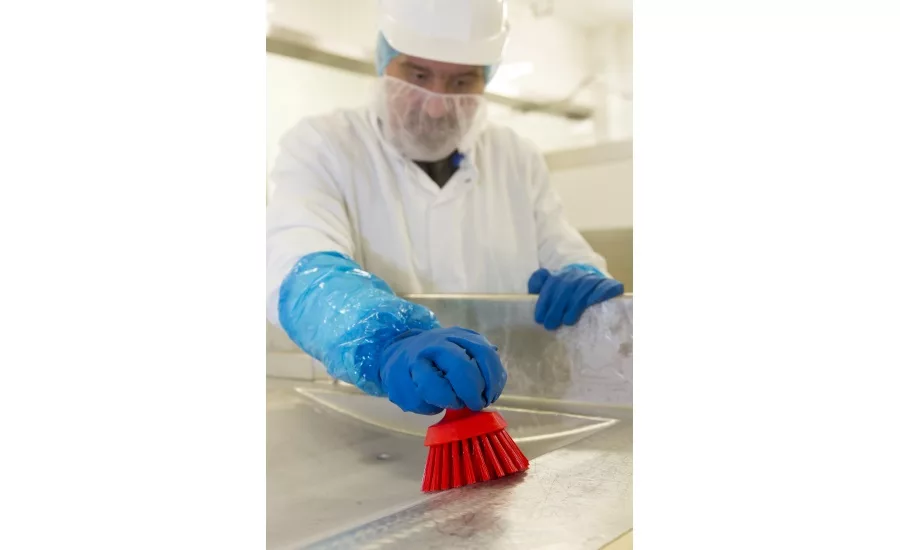
A food worker finishes cleaning by carefully sanitizing all surfaces to kill germs. Wearing gloves and using safe cleaning products helps protect both the worker and food safety. Proper ventilation and avoiding cross-contamination keep the kitchen safe and clean.
Cleaning and sanitizing a kitchen is crucial for any food worker, but it’s just as important to ensure safety during the process. Without the right precautions, you might be putting yourself at risk. Whether you’re scrubbing surfaces or handling chemicals, safety should always be your top priority.
Using Protective Equipment
Wearing the right protective gear can make all the difference. Gloves are essential to protect your hands from harsh chemicals and hot water. Don’t forget about your eyes—goggles can prevent splashes from causing irritation or injury. Consider wearing a mask if you’re dealing with fumes or strong odors. This simple step can protect your lungs and make cleaning less of a chore. Remember, proper gear not only keeps you safe but can also make you more efficient.
Handling Chemicals Safely
Reading labels might seem tedious, but it’s vital for safety. Different chemicals have specific uses and mixing them can be dangerous. Stick to the recommended guidelines for each product to avoid accidents. Always store cleaning agents in their original containers. This prevents mix-ups and ensures you’re using the right product for each task. When diluting chemicals, always add them to water, never the other way around, to minimize splashing and reactions. Have you ever thought about how a small splash could lead to a big problem? Taking these precautions might feel like extra steps, but they’re a small price to pay for your safety and peace of mind.

Credit: www.yahoo.com
Frequently Asked Questions
What Are The Steps For Cleaning And Sanitizing A Kitchen?
Cleaning removes dirt and food residue. Sanitizing kills harmful bacteria. Both steps ensure a safe and hygienic kitchen environment.
Why Is Sanitizing Important After Cleaning The Kitchen?
Sanitizing reduces germs left after cleaning. It prevents cross-contamination and foodborne illnesses. Proper sanitizing keeps the kitchen safe for food preparation.
How Long Should Sanitizing Solutions Stay On Surfaces?
Sanitizers need 1 to 10 minutes contact time. This ensures effective germ elimination. Always follow product instructions for best results.
Can Cleaning And Sanitizing Prevent Food Contamination?
Yes, thorough cleaning and sanitizing reduce bacteria risks. This process minimizes contamination chances. It is essential for food safety compliance.
Conclusion
A food worker cleaning and sanitizing the kitchen keeps everyone safe. Clean surfaces stop germs from spreading. It helps food stay fresh and tasty. This work shows care and responsibility. A clean kitchen means a healthy place to cook. It also meets health rules and keeps customers happy.
Small actions make a big difference every day. Clean and safe kitchens create trust and quality food.