

When you spend time cooking in your kitchen, comfort and safety matter a lot. The right kitchen mat can protect your feet, prevent slips, and keep your floor clean.
But with so many options out there, how do you know which mat is best for your kitchen? Choosing the wrong one could make your cooking space less comfortable or even risky. You’ll discover exactly what type of mats work best in the kitchen and why they matter for your daily routine.
Keep reading to find the perfect mat that fits your needs and makes your kitchen a safer, more comfortable place to be.

Credit: www.amazon.com
Benefits Of Kitchen Mats
Kitchen mats bring many benefits that enhance daily cooking and cleaning. They improve safety, protect floors, and offer comfort during long hours in the kitchen. Choosing the right mat adds value to your kitchen space and makes tasks easier.
Safety And Comfort
Kitchen mats reduce the risk of slipping on wet or greasy floors. They create a stable surface to stand on. This helps prevent accidents and injuries. Mats with non-slip backing stay in place during busy cooking times. Soft mats cushion your feet, making standing more comfortable.
Protecting Floors
Kitchens often see spills, stains, and heavy foot traffic. Mats protect floors from damage caused by water, oil, and dropped utensils. They prevent scratches and wear on hardwood or tile surfaces. Mats are easy to clean, preserving your floor’s look for longer.
Reducing Fatigue
Standing for long periods causes tired legs and feet. Mats with cushioning reduce pressure on joints and muscles. This helps you stay comfortable while cooking or washing dishes. Soft mats improve posture and reduce overall fatigue in the kitchen.
Common Kitchen Mat Materials
Kitchen mats come in various materials, each offering unique benefits. Choosing the right material affects comfort, safety, and durability. Some mats provide cushioning, while others focus on grip or easy cleaning.
Understanding common kitchen mat materials helps pick the best fit for your needs. Below are popular types used in kitchens.
Rubber Mats
Rubber mats are known for their excellent grip. They prevent slipping on wet or oily floors. Rubber is durable and easy to clean with water and soap. These mats resist stains and do not absorb liquids. They work well in busy kitchens where spills happen often.
Foam Mats
Foam mats provide soft cushioning for long standing periods. They reduce foot and leg fatigue by absorbing pressure. Foam mats are lightweight and easy to move. They come in various thicknesses and sizes. Cleaning foam mats usually requires gentle wiping or vacuuming.
Gel Mats
Gel mats combine comfort with support. They have a soft gel layer inside to reduce stress on joints. Gel mats are ideal for people who spend hours cooking or washing dishes. They often come with a non-slip backing for safety. Gel mats are simple to clean and maintain.
Vinyl Mats
Vinyl mats are waterproof and resistant to stains. They are easy to wipe clean with a damp cloth. Vinyl mats come in many colors and designs to match kitchen decor. They offer moderate cushioning and can handle heavy foot traffic. These mats last long and stay looking new.
Choosing Mats By Kitchen Area
Choosing the right mats for different kitchen areas can change how you feel and work in the space. Each zone in your kitchen has unique needs, so the mats you pick should match those demands. This approach not only boosts comfort but also keeps your kitchen cleaner and safer.
Mats For Cooking Zones
Cooking zones get the most foot traffic and heat exposure. You want mats that can handle spills, drops, and constant standing. Look for mats with heat resistance and easy-to-clean surfaces.
I once used a gel cushion mat near my stove, and it made a huge difference in reducing foot fatigue during long cooking sessions. Plus, a textured surface prevents slips even when oil splatters happen.
Mats For Sink Areas
Sink areas are prone to water spills and can get slippery fast. Choose waterproof mats with quick-dry features to avoid mold and mildew buildup. Anti-slip backing is a must here to keep the mat securely in place.
Soft, cushioned mats also protect your knees if you spend time washing dishes by hand. Consider mats made of rubber or vinyl—they hold up well against constant moisture.
Mats For Entryways
Entryways in the kitchen deal with dirt and debris from outside. Mats here should be durable and easy to clean. A coarse texture helps trap dirt before it spreads across your floors.
Think about mats with removable covers or those you can hose off quickly. This keeps your kitchen cleaner and reduces the time you spend tidying up after guests or busy days.
Water Resistance And Durability
Water-resistant mats are ideal for kitchens, offering protection against spills and stains. Durable materials like rubber or vinyl ensure longevity, even in high-traffic areas. These mats are easy to clean and maintain, making them a practical choice for busy kitchens.
Water Resistance and Durability Selecting the right kitchen mat is crucial for both comfort and functionality. Water resistance and durability are key factors to consider. A reliable mat can withstand spills and heavy foot traffic, ensuring safety and longevity in your kitchen.
Handling Spills
In a busy kitchen, spills are inevitable. A water-resistant mat is your first line of defense against potential hazards. Look for mats made from materials like rubber or PVC that repel water, keeping your floor dry and reducing slip risks. Imagine cooking a feast and accidentally spilling water. A water-resistant mat absorbs the shock, leaving you with more time to focus on cooking rather than cleaning. It’s a small investment that saves you from potential accidents.
Cleaning And Maintenance
Ease of cleaning is a must for any kitchen mat. Those with water-resistant properties are typically easier to clean. Simply wipe them down with a damp cloth or sponge, and they’re good as new. Durable mats can withstand frequent cleaning without losing their shape or color. This means less time worrying about wear and tear, and more time enjoying your culinary adventures.
Longevity Of Different Mats
Not all mats are created equal when it comes to longevity. Rubber mats, for instance, are known for their durability and ability to handle high traffic areas. They resist wear and tear better than textile mats. If you’ve ever replaced a mat within a year of buying it, you know how important durability is. Investing in a high-quality mat might seem like a bigger upfront cost, but it pays off in the long run. Which type of mat do you think will last the longest in your kitchen?
Size And Thickness Considerations
Choosing the right size and thickness for kitchen mats can make a huge difference in your daily cooking experience. These factors affect comfort, safety, and how well the mat fits your kitchen space. Think about how much time you spend standing in one spot and where you need the most cushioning or coverage.
Optimal Thickness For Comfort
Thickness plays a key role in comfort, especially if you stand for long periods. Mats that are too thin might not provide enough support, leading to foot and back pain. On the other hand, very thick mats can feel unstable or create a tripping hazard.
A thickness between ¾ inch and 1 inch is usually ideal for kitchen use. This range offers enough cushion to reduce fatigue without compromising stability. I once switched from a thin mat to one with about an inch of thickness and noticed less discomfort during meal prep.
Consider the mat material too—memory foam tends to be thicker and softer, while rubber mats may be thinner but offer better grip. Your choice should balance softness with safety.
Selecting The Right Size
The size of your kitchen mat should match the area where you spend the most time standing. Too small, and it won’t protect your feet effectively; too large, and it might get in the way or look out of place.
Measure the space carefully before buying. Common sizes range from 20"x32" for smaller spots to 24"x48" or even larger for wider areas. If you cook at multiple stations, using two smaller mats might work better than one big one.
Think about doorways and cabinet clearance too. A mat that blocks a door or drawers will cause frustration. What part of your kitchen feels most tiring when standing? That’s the spot to cover first.

Credit: www.amazon.ca
Non-slip Features And Safety
Safety in the kitchen is more than just handling knives carefully—your choice of mats plays a big role too. Non-slip features are essential to prevent slips and falls, especially in areas prone to spills or grease. Choosing mats with the right safety features can keep you and your family secure while working or cooking.
Slip Resistance Technologies
Look for mats that use advanced slip resistance technologies. Many mats have rubber or latex backing designed to grip the floor firmly. This stops the mat from moving under your feet, even if the floor is wet.
Some mats feature textured surfaces or raised patterns that increase friction. These textures help your shoes or bare feet stay steady. Others use special coatings that repel liquids, reducing slippery spots.
Think about the flooring type in your kitchen too. Mats made for tile floors might have stronger grips compared to those for hardwood. Matching the mat’s technology to your floor can improve safety dramatically.
Placement Tips To Prevent Accidents
Where you place your mats is just as important as the mat itself. Place mats in areas where spills happen most often, such as in front of the sink or stove. This helps catch drips before they cause slippery floors.
Make sure mats lie flat without curling edges. Edges that lift can trip you up and cause falls. Check your mats regularly and replace them if they become worn or lose their grip.
Have you noticed that a small mat near your kitchen door can stop wet shoes from spreading water? Think about your kitchen’s traffic flow and put mats where people walk the most. This simple step can reduce slip risks significantly.
Eco-friendly And Stylish Options
Choosing mats for the kitchen means balancing style with care for the planet. Eco-friendly mats offer both durability and a smaller environmental footprint. These mats enhance comfort and safety while keeping your kitchen green.
Sustainable Materials
Mats made from natural fibers are great eco-friendly choices. Materials like jute, coir, and bamboo come from renewable sources. They break down easily and do not pollute the earth.
Recycled rubber and cork mats also help reduce waste. These materials provide good grip and cushioning. They resist water and stains, making them practical for kitchen use.
Designs To Match Kitchen Decor
Eco-friendly mats come in many styles and colors. You can find patterns that suit modern, rustic, or classic kitchens. Simple, neutral tones work well in any setting.
Look for mats with textures and shapes that add character. Some have geometric patterns or leaf designs. These mats add charm without harming the environment.
Budget And Value
Choosing the right kitchen mat depends a lot on budget and value. It is important to balance cost with durability and comfort. A good mat should last long and protect your floors without breaking the bank. Spending a little more can save money later by avoiding frequent replacements. Quality mats also improve kitchen safety and comfort while you cook.
Cost Vs. Quality
Cheap mats may look good but often wear out fast. They might lose cushioning or slip easily. High-quality mats cost more but offer better support and last longer. Consider what you need:
- Basic mats for light use
- Heavy-duty mats for busy kitchens
- Anti-fatigue mats to reduce foot pain
Choose mats made from durable materials like rubber or gel foam for better value. Avoid very cheap mats that flatten or tear quickly.
Long-term Investment
A quality kitchen mat is a smart long-term buy. It protects your floors from spills and scratches. Anti-fatigue mats ease pressure on your feet, reducing fatigue. This is valuable if you stand long while cooking.
Think of a mat as an investment in comfort and safety. It reduces the risk of slipping and falling. A durable mat means fewer replacements and less waste.
Spend a bit more upfront to get a mat that will serve you well for years.
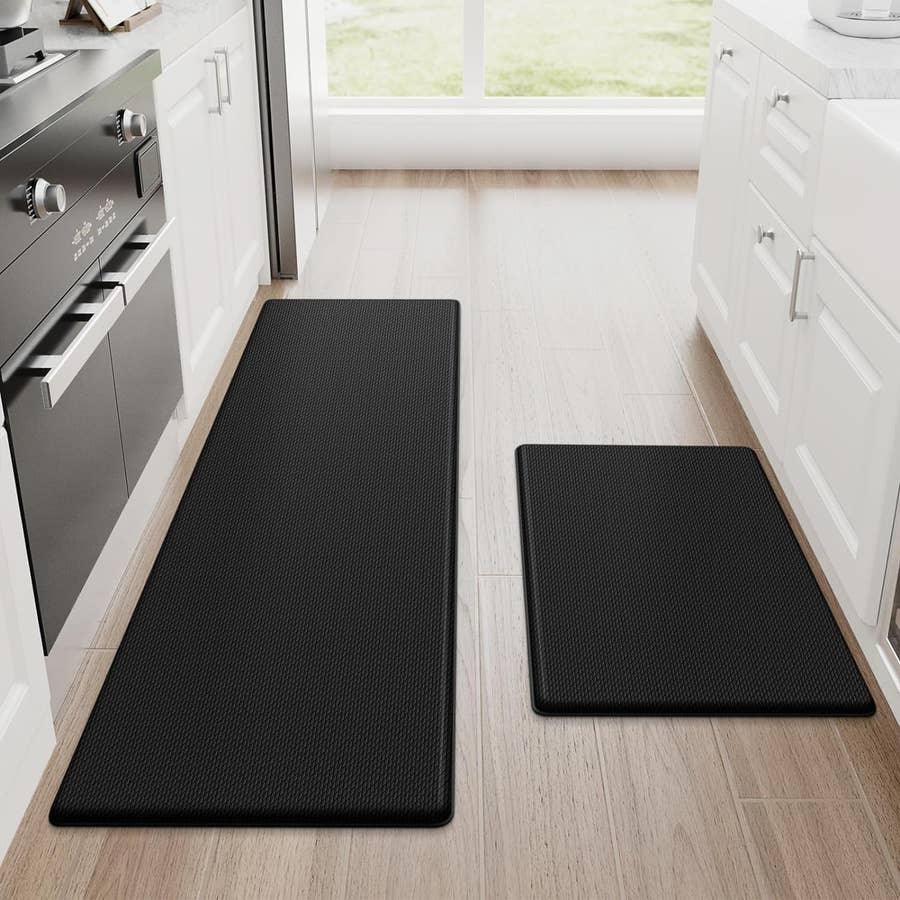
Credit: www.buzzfeed.com
Frequently Asked Questions
What Are The Best Mats For Kitchen Floors?
The best kitchen mats are anti-fatigue and non-slip mats. They provide comfort during long cooking sessions and prevent slips. Look for water-resistant and easy-to-clean materials for durability and hygiene.
Why Use Anti-fatigue Mats In The Kitchen?
Anti-fatigue mats reduce strain on feet and legs while standing long. They improve comfort and prevent fatigue, making cooking or washing dishes easier and safer.
Are Non-slip Mats Necessary For Kitchens?
Yes, non-slip mats prevent accidents caused by wet or greasy floors. They enhance safety, especially in busy kitchens where spills are common.
Which Materials Are Ideal For Kitchen Mats?
Materials like rubber, vinyl, and foam are ideal. They offer durability, water resistance, and easy cleaning, making them perfect for kitchen environments.
Conclusion
Choosing the right kitchen mat makes a big difference. It keeps you safe from slips and falls. Comfort matters too, especially during long cooking times. Easy cleaning saves time and effort. Think about material and size before buying. A good mat lasts longer and feels better.
Your kitchen becomes safer and more pleasant. Small changes can improve your daily routine. Select mats that fit your needs well. Enjoy cooking with a secure and comfy floor beneath you.