
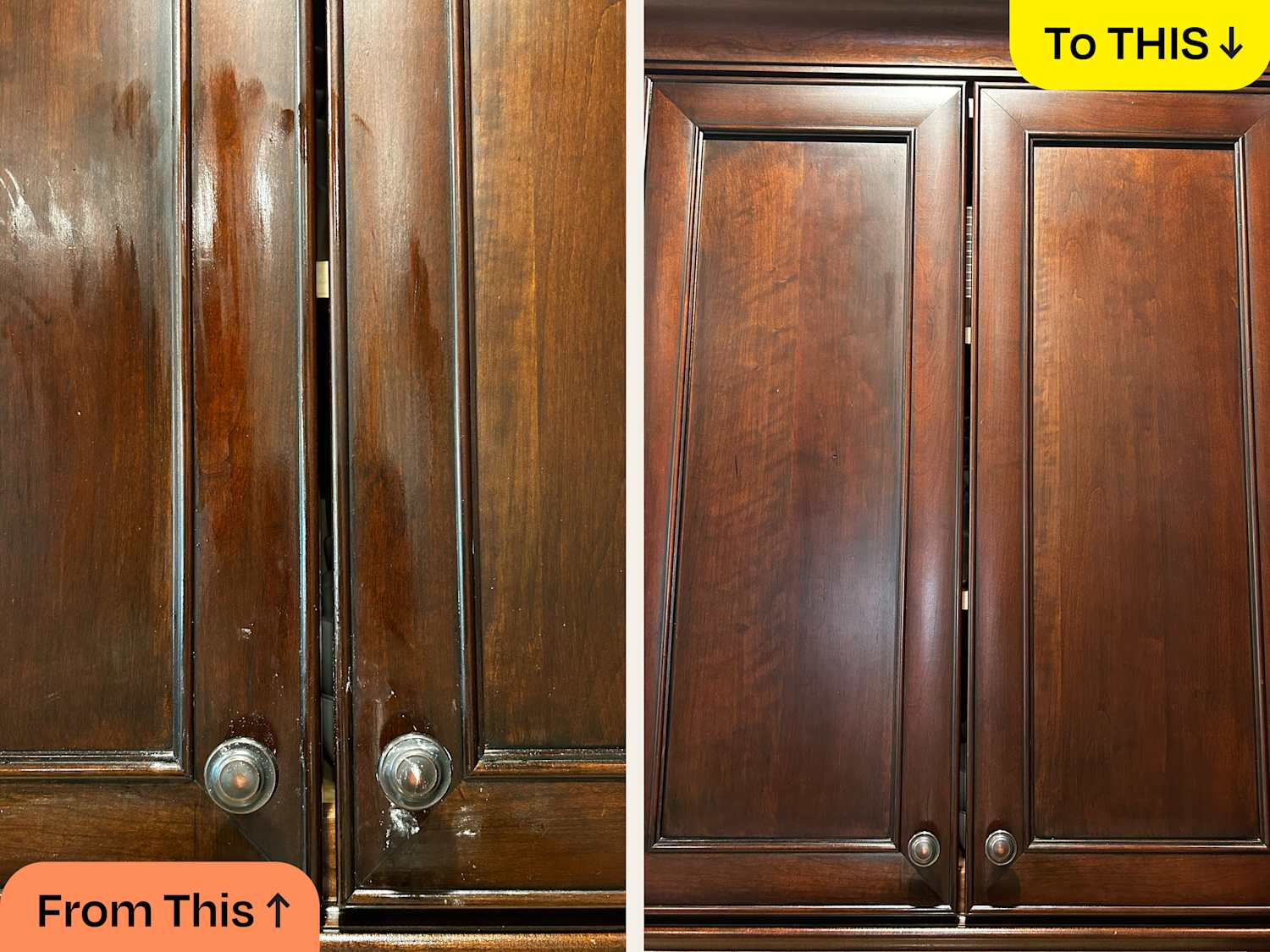
Are your kitchen cabinets looking dull or sticky from everyday use? You might be wondering if the dish soap you use for your dishes can also clean your cabinets without causing damage.
The idea sounds simple and convenient—just grab what’s already in your sink—but is it really the best choice for your kitchen surfaces? If you want to keep your cabinets looking fresh and avoid costly mistakes, you need to know the truth about using dish soap for cleaning them.
Keep reading to discover the right way to clean your cabinets safely and effectively.

Credit: www.aol.com
Dish Soap For Cabinets
Using dish soap to clean your kitchen cabinets is a simple and effective approach that many homeowners overlook. Dish soap is gentle yet capable of cutting through grease and grime, which makes it a practical choice for maintaining your cabinets’ appearance. But not all dish soaps are created equal, and knowing which types work best can make a big difference in your cleaning results.
Why Choose Dish Soap
Dish soap offers a balanced cleaning power that removes kitchen grease without damaging cabinet finishes. Its mild formulation ensures that delicate wood, laminate, or painted surfaces stay intact after repeated cleaning.
Have you ever tried harsh cleaners only to find your cabinets looking dull afterward? Dish soap avoids that problem by being safe and effective at the same time.
Additionally, dish soap is easy to find and budget-friendly. You don’t need specialty products to keep your cabinets looking fresh and clean.
Types Of Dish Soap Suitable For Cabinets
Not every dish soap is ideal for cabinet cleaning. Here are some types you should consider:
- Gentle, Dye-Free Formulas:These reduce the risk of staining or discoloration on sensitive surfaces.
- Unscented or Mildly Scented Soaps:Strong fragrances can linger and may irritate if you have allergies or sensitivities.
- Eco-Friendly or Biodegradable Options:These are less likely to contain harsh chemicals that could damage finishes or harm the environment.
When choosing a dish soap, think about your cabinet material and any previous cleaning issues you’ve faced. Trying a small test patch with your chosen soap can save you from unwanted surprises.
Preparing For Cleaning
Preparing your kitchen cabinets for cleaning helps achieve the best results. Taking time to prepare protects the cabinets and surrounding areas. It also makes the cleaning process smoother and faster.
Gathering Supplies
Start by collecting all needed cleaning items. Use mild dish soap for gentle cleaning. Have a bucket or bowl for mixing soap and water. Soft sponges or microfiber cloths work well for wiping. Keep a dry towel nearby for drying surfaces. Avoid harsh brushes or abrasive pads that can scratch cabinets.
Protecting Surrounding Areas
Cover countertops and floors near cabinets to avoid water damage. Use old towels or plastic sheets to catch drips. Remove fragile or decorative items from cabinet tops. Close cabinet doors to prevent cleaning solution from entering. Work in small sections to control water and soap use.
Cleaning Process
Cleaning kitchen cabinets with dish soap is simple and effective. The process requires careful preparation and gentle techniques. This helps protect your cabinets while removing dirt and grease. Follow these steps for a fresh, clean kitchen look.
Diluting Dish Soap Properly
Mix a small amount of dish soap with warm water. Use about one teaspoon of soap per cup of water. This creates a mild cleaning solution that won’t harm cabinet surfaces. Avoid using too much soap to prevent sticky residue.
Wiping Techniques
Dip a soft cloth or sponge into the solution and wring out excess water. Wipe the cabinet surfaces gently in small sections. Use circular motions to lift dirt and grease. Rinse the cloth often and change the water if it becomes dirty.
Handling Stubborn Stains
For tough stains, apply a slightly stronger soap mixture. Let it sit on the stain for a few minutes. Then, gently scrub with a soft-bristled brush or sponge. Avoid harsh scrubbing to protect the cabinet finish. Rinse the area with clean water and dry with a soft cloth.
Credit: www.lisabronner.com
Safety Tips
Cleaning your kitchen cabinets with dish soap is a common and effective method, but it's essential to prioritize safety. Dish soap can be gentle yet powerful enough to cut through grease and grime. However, ensuring that you don't accidentally damage your cabinet finish is crucial.
Avoiding Damage To Cabinet Finish
Before you start scrubbing away, consider the type of finish your cabinets have. Different materials react differently to cleaning agents. Solid wood, for instance, might absorb water and swell if too much moisture is used.
Use a soft, damp cloth instead of a scouring pad to minimize abrasiveness. When wiping, follow the grain of the wood to prevent scratches. It's tempting to use a lot of soap for stubborn grime, but a small amount usually does the trick.
Remember to dry the cabinets thoroughly after cleaning. Excess moisture can lead to warping or peeling over time. If you've ever experienced the frustration of a warped cabinet door, you'll know it's best to avoid it altogether.
Testing In Hidden Areas
Always test your cleaning solution on a small, hidden area first. This step ensures that the dish soap won't discolor or damage your cabinets. Choose a spot that's not easily visible, like the inside edge of a door.
Apply a small amount of your soap mixture and let it sit for a few minutes. Wipe it away and check for any changes in color or texture. This precautionary measure can save you from a costly mistake.
Have you ever tried a new product on your cabinets and regretted it? Testing first can prevent such mishaps. It’s better to be safe than sorry when it comes to maintaining your kitchen's appearance.
Alternatives To Dish Soap
Dish soap is a common choice for cleaning kitchen cabinets, but it is not the only option. Some alternatives offer gentle yet effective cleaning without harming cabinet surfaces. These options can suit different cabinet materials and cleaning needs. They also help maintain the cabinets’ look and durability over time.
Natural Cleaning Solutions
Natural cleaners are safe and eco-friendly. They often use simple ingredients found at home. For example, white vinegar mixed with water can remove grease and dirt. Baking soda acts as a mild abrasive to scrub off stains.
- Lemon juice cuts through grime and leaves a fresh scent.
- Olive oil can polish wood cabinets and restore shine.
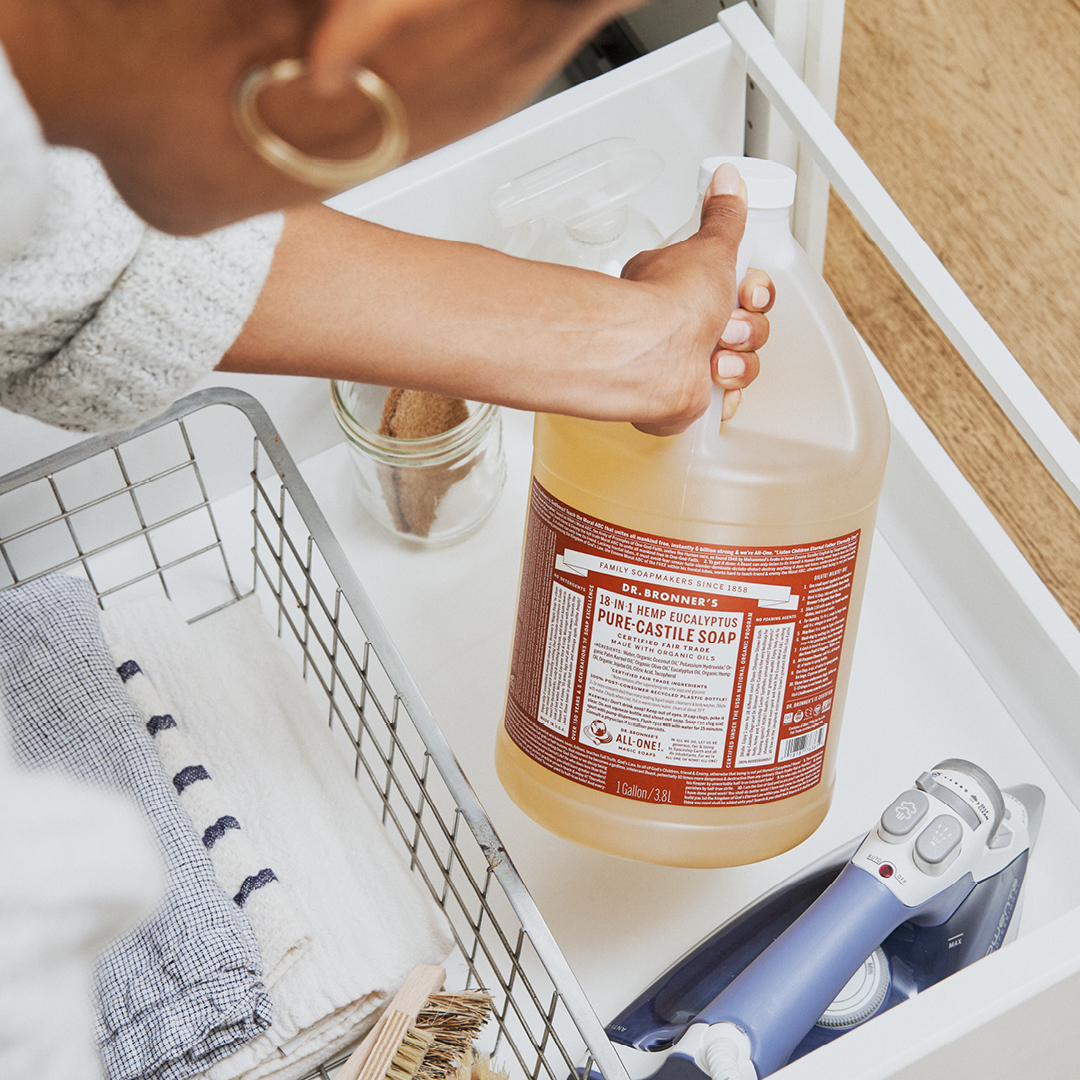
- Castile soap is gentle and works well on painted surfaces.
These solutions avoid harsh chemicals and protect cabinet finishes. They are easy to prepare and budget-friendly.
Commercial Cabinet Cleaners
Specialized cabinet cleaners are designed for kitchen surfaces. They remove grease, fingerprints, and sticky residues. Many formulas are safe for wood, laminate, or painted cabinets.
- Choose cleaners labeled for cabinets or wood surfaces.
- Test a small area before full use to avoid damage.
- Follow product instructions carefully for best results.
Commercial cleaners often contain ingredients that dissolve tough stains quickly. They can save time and effort in regular kitchen maintenance.

Credit: currently.att.yahoo.com
Maintenance Tips
Keeping your kitchen cabinets clean and fresh doesn’t have to be a chore. With simple maintenance tips, you can extend the life of your cabinets and keep them looking their best. Let’s dive into practical ways to care for your cabinets, especially if you’re using dish soap as a cleaning agent.
Regular Cleaning Schedule
Set a regular cleaning routine to avoid dirt and grime buildup. Wiping down your cabinets once a week with a mild dish soap solution keeps them shiny and clean without damaging the finish.
Use a soft cloth or sponge dipped in warm, soapy water. Avoid soaking the cabinets; just a gentle wipe will do. Dry them immediately to prevent water damage.
Ask yourself: how often do you notice sticky spots or fingerprints? Adjust your cleaning frequency accordingly to keep your kitchen fresh without overdoing it.
Preventing Grease Build-up
Grease is the enemy of clean cabinets. It sticks to surfaces and becomes harder to remove over time. Using dish soap helps cut through grease effectively, but prevention is key.
- Keep a small spray bottle with diluted dish soap near your stove for quick cleanups.
- Wipe spills and splatters immediately after cooking to stop grease from settling.
- Consider using cabinet liners or mats inside to protect surfaces from stains and buildup.
Have you noticed how much easier cleaning is when you tackle grease early? Small daily habits can save you from scrubbing later.
Frequently Asked Questions
Can Dish Soap Effectively Clean Kitchen Cabinets?
Yes, dish soap is gentle yet effective for cleaning kitchen cabinets. It removes grease and dirt without damaging surfaces. Use diluted dish soap with warm water and a soft cloth for best results.
Is Dish Soap Safe For All Cabinet Materials?
Dish soap is generally safe for wood, laminate, and painted cabinets. Avoid harsh scrubbing to prevent surface damage. Always test on a small area first to ensure no discoloration or harm occurs.
How Often Should I Wash Kitchen Cabinets With Dish Soap?
Washing cabinets with dish soap once a month helps maintain cleanliness and shine. For greasy kitchens, clean more frequently to prevent buildup. Regular cleaning keeps cabinets looking fresh and extends their lifespan.
Can Dish Soap Remove Tough Grease From Cabinets?
Yes, dish soap is designed to break down grease effectively. For tough spots, apply undiluted dish soap, let sit briefly, then wipe clean. Repeat if necessary to remove stubborn grease and grime.
Conclusion
Washing kitchen cabinets with dish soap works well for regular cleaning. It removes grease, dirt, and stains gently. Avoid using too much soap to prevent sticky residue. Always rinse with clean water and dry with a soft cloth. This method keeps cabinets fresh without harsh chemicals.
Remember to test a small spot first to protect the finish. Simple and safe cleaning helps cabinets last longer. Clean cabinets make your kitchen look neat and welcoming. Try dish soap for easy, effective cabinet care today.