

Are you curious about where your Kitchen Aid refrigerator is made? Knowing the origin of your appliance can give you confidence in its quality and durability.
When you understand where these refrigerators come from, you’ll appreciate the craftsmanship behind every feature. Keep reading, and you’ll discover the surprising locations that bring your Kitchen Aid refrigerator to life—and why it matters for your kitchen and daily life.
Credit: www.costco.ca
Kitchenaid Brand History
Understanding where KitchenAid refrigerators are made begins with knowing the brand’s history. KitchenAid has built a reputation for quality and innovation over the years. Knowing the roots of the company helps you appreciate the craftsmanship behind each product.
Origins Of Kitchenaid
KitchenAid was founded in 1919. It started with the invention of the stand mixer, which quickly became a kitchen staple. This early success laid the groundwork for expanding into other appliances, including refrigerators.
Growth And Expansion
Over the decades, KitchenAid grew from a small company to a well-known brand in homes worldwide. The company focused on combining style with functionality. This approach helped KitchenAid stand out in a crowded market.
Kitchenaid Under Whirlpool
In 1986, Whirlpool Corporation acquired KitchenAid. This move provided KitchenAid access to advanced manufacturing facilities and research. It allowed the brand to improve quality while maintaining its unique design.
Many KitchenAid refrigerators are now made in the United States, specifically in Whirlpool’s factories. Some components may come from other countries, but assembly often happens domestically. This blend ensures strict quality control and supports local jobs.
Why Brand History Matters To You
Knowing the history behind KitchenAid helps you trust their products more. When you buy a KitchenAid refrigerator, you’re investing in decades of expertise. Have you ever thought about how a brand’s background influences your buying choices?
Manufacturing Locations
Understanding where KitchenAid refrigerators are made can give you insight into the brand’s commitment to quality and innovation. The manufacturing locations play a crucial role in ensuring each appliance meets high standards. Let’s look closely at the key production sites and international factories behind these popular refrigerators.
Primary Production Sites
The main production hub for KitchenAid refrigerators is in the United States. Specifically, a large manufacturing plant is located in Greenville, Ohio. This site handles the assembly of many models, ensuring strict quality control and attention to detail.
At Greenville, skilled workers use advanced equipment to build durable, energy-efficient refrigerators. This close-to-home production often means faster delivery times and easier access to customer support. Have you ever wondered how a product’s origin affects its reliability?
International Factories
KitchenAid also manufactures some refrigerator components and models overseas to meet global demand. Facilities in Mexico and China contribute to the production process, focusing on specific parts and models. This strategy helps maintain competitive pricing without sacrificing quality.
Despite being made in different locations, all KitchenAid refrigerators go through rigorous testing to meet the same standards. If you value both affordability and performance, knowing about these international factories might help you make a more informed choice.
Materials And Components
Understanding the materials and components of KitchenAid refrigerators sheds light on their quality and durability. Every part matters, from the outer shell to the cooling mechanisms inside. Knowing where these components come from and how they come together can give you confidence in your appliance choice.
Sourcing Of Parts
KitchenAid sources its parts from various suppliers, focusing on quality and reliability. Many components, like compressors and electronic controls, come from trusted manufacturers in the United States and other countries with strong manufacturing standards.
The steel used in the refrigerator’s body is often sourced domestically to ensure strength and longevity. Some specialized parts, such as sensors and insulation materials, might come from international suppliers known for innovation in those areas.
Have you ever wondered how using parts from different places affects your fridge’s performance? KitchenAid carefully selects each supplier to maintain consistent quality, no matter where the parts originate.
Assembly Process
KitchenAid refrigerators are primarily assembled in the United States, combining precision and skilled labor. The assembly lines blend automated machinery with hands-on craftsmanship to ensure each unit meets strict standards.
During assembly, technicians test key components multiple times, such as the cooling system and door seals, to catch any issues early. This hands-on approach means your refrigerator isn’t just built; it’s crafted.
Think about how much trust you place in your fridge daily. The assembly process makes sure that trust is well deserved, with every piece fitting perfectly to deliver reliable performance.
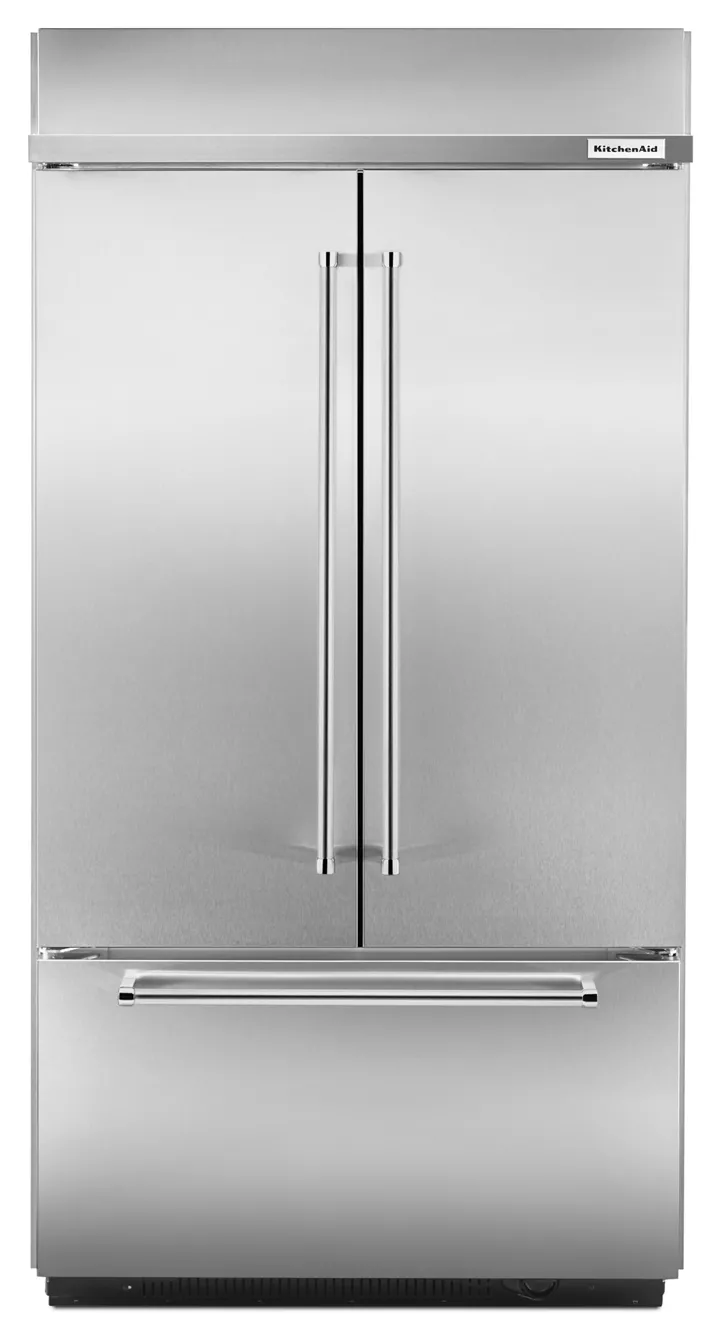
Credit: www.kitchenaid.com
Quality Standards
KitchenAid refrigerators are made in the United States, ensuring strong quality control. Their manufacturing process follows strict standards for durability and performance. This focus helps deliver reliable and long-lasting appliances to customers.
Quality standards are the backbone of every reliable appliance, and KitchenAid refrigerators are no exception. Made with precision and care, these refrigerators are designed to keep your food fresh while seamlessly blending into your kitchen aesthetic. But what truly sets them apart are the rigorous quality standards they adhere to, ensuring you get a product that stands the test of time.
Testing Procedures
Before a KitchenAid refrigerator makes its way to your home, it undergoes a series of stringent testing procedures. Each unit is put through temperature consistency trials to ensure your perishables are stored safely. Durability tests mimic years of use, proving the refrigerator can withstand the hustle and bustle of daily life.
Certifications And Compliance
KitchenAid refrigerators don't just meet industry standards—they aim to exceed them. They boast certifications from energy efficiency to environmental compliance, assuring you of their eco-friendly commitment. With compliance to global safety standards, you can rest easy knowing your refrigerator is as safe as it is efficient. Have you ever wondered how your refrigerator maintains its cool without a hitch? The secret lies in these meticulous quality standards that prioritize your convenience and peace of mind.
Impact Of Manufacturing Origins
The place where Kitchen Aid refrigerators are made affects many aspects of the product. Manufacturing origins influence quality, price, and how buyers see the brand. It shapes trust and expectations. Buyers often care about where a product comes from. It can affect their decision to buy or not.
Understanding these effects helps consumers make smart choices. It also explains price differences and product availability in stores. The impact of manufacturing origins is a key factor in the kitchen appliance market.
Consumer Perceptions
People often believe products made in certain countries are better. Kitchen Aid refrigerators made in the USA are seen as high quality. Buyers trust American-made appliances for durability and safety. Some customers prefer products made closer to home for support of local jobs. Others may worry about products made far away. They may doubt the quality or worry about service and repairs.
Brand reputation ties closely to where the refrigerators are made. Clear information about manufacturing builds trust. It helps buyers feel confident in their purchase.
Price And Availability
Manufacturing location affects the cost of Kitchen Aid refrigerators. Products made in the USA often cost more due to higher labor costs. Imported models can be cheaper but may have limited features. Shipping and import taxes also affect prices.
Availability depends on where the refrigerators are produced. Some models may be easier to find in certain regions. Local manufacturing can speed up delivery and reduce wait times. Imported refrigerators might take longer to reach stores.
Buyers should weigh price against quality and availability. The origin of the product plays a big role in these factors.
Future Manufacturing Trends
The future of Kitchen Aid refrigerator manufacturing focuses on innovation and care for the planet. Factories are changing how they build appliances. These shifts aim to reduce waste and energy use. New technologies help improve product quality and efficiency. Customers receive better, eco-friendlier refrigerators made with smart methods.
Sustainability Initiatives
Kitchen Aid is moving toward greener manufacturing processes. Factories use less water and energy in production. Recycled materials are becoming common in refrigerator parts. Waste reduction programs keep scraps out of landfills. Packaging now involves biodegradable or recyclable materials. These efforts help lower the carbon footprint of each fridge.
Technological Innovations
Advanced machines speed up assembly with precision. Robotics assist in tasks that need accuracy and safety. Sensors monitor quality in real time during production. Smart manufacturing systems reduce errors and defects. Digital tools track every step, ensuring consistency. These innovations create reliable, durable refrigerators that last longer.
Frequently Asked Questions
Where Are Kitchen Aid Refrigerators Manufactured?
Kitchen Aid refrigerators are primarily made in the United States. Their main manufacturing facility is in Greenville, Ohio. This location focuses on producing high-quality, durable kitchen appliances. Kitchen Aid emphasizes local production to ensure quality control and support American jobs.
Are Kitchen Aid Refrigerators Made In The Usa?
Yes, most Kitchen Aid refrigerators are made in the USA. The company prides itself on American manufacturing. This helps maintain high standards and reliable customer service. It also appeals to buyers who prefer products made domestically.
Does Kitchen Aid Outsource Refrigerator Production Abroad?
Kitchen Aid largely manufactures refrigerators domestically but may source some parts internationally. Key assembly and quality checks happen in the U. S. This ensures product consistency and adherence to strict quality standards.
How Does Kitchen Aid Ensure Refrigerator Quality?
Kitchen Aid uses rigorous testing and quality control in its Ohio factory. Each refrigerator undergoes multiple inspections before shipment. This process guarantees durability, energy efficiency, and customer satisfaction.
Conclusion
KitchenAid refrigerators are mostly made in the United States. The company focuses on quality and durability. Many parts come from different countries. The final assembly happens in their U. S. Factories. This helps maintain high standards and reliable products. Choosing KitchenAid means trusting American craftsmanship.
It also supports local jobs and communities. Overall, KitchenAid blends global resources with strong U. S. Manufacturing. This mix creates refrigerators you can depend on every day.