
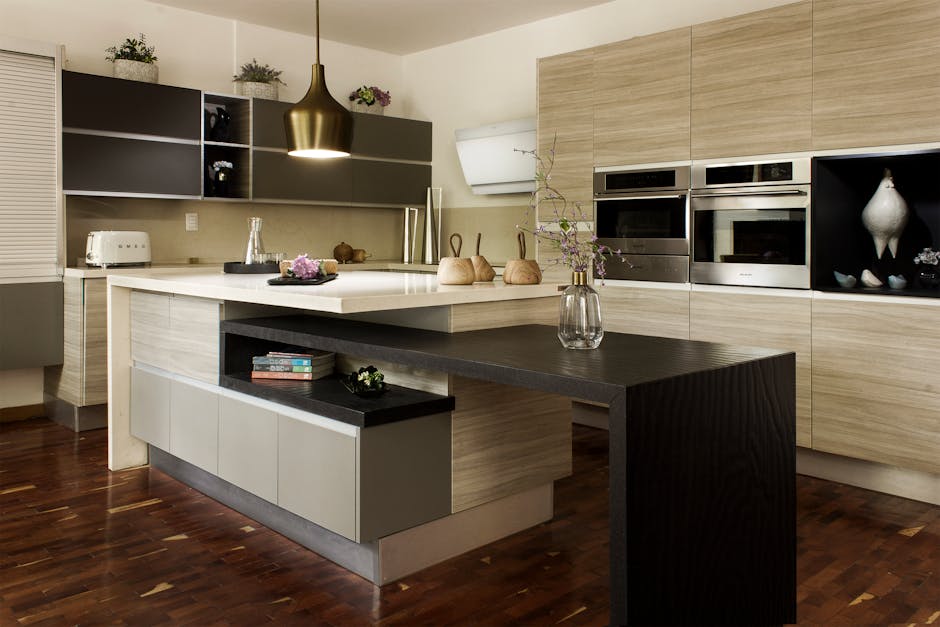
Are you thinking about adding an oven to your kitchen island but aren’t sure if it’s a good idea? You’re not alone.
Many homeowners wonder if this setup is practical, safe, and stylish. Imagine having your oven right in the center of your kitchen, making cooking more convenient and your space more inviting. But is it really possible? You’ll discover the key benefits, important considerations, and clever design tips to help you decide if an oven in your kitchen island is the perfect fit for your home.
Keep reading to unlock the secrets that could transform your kitchen!
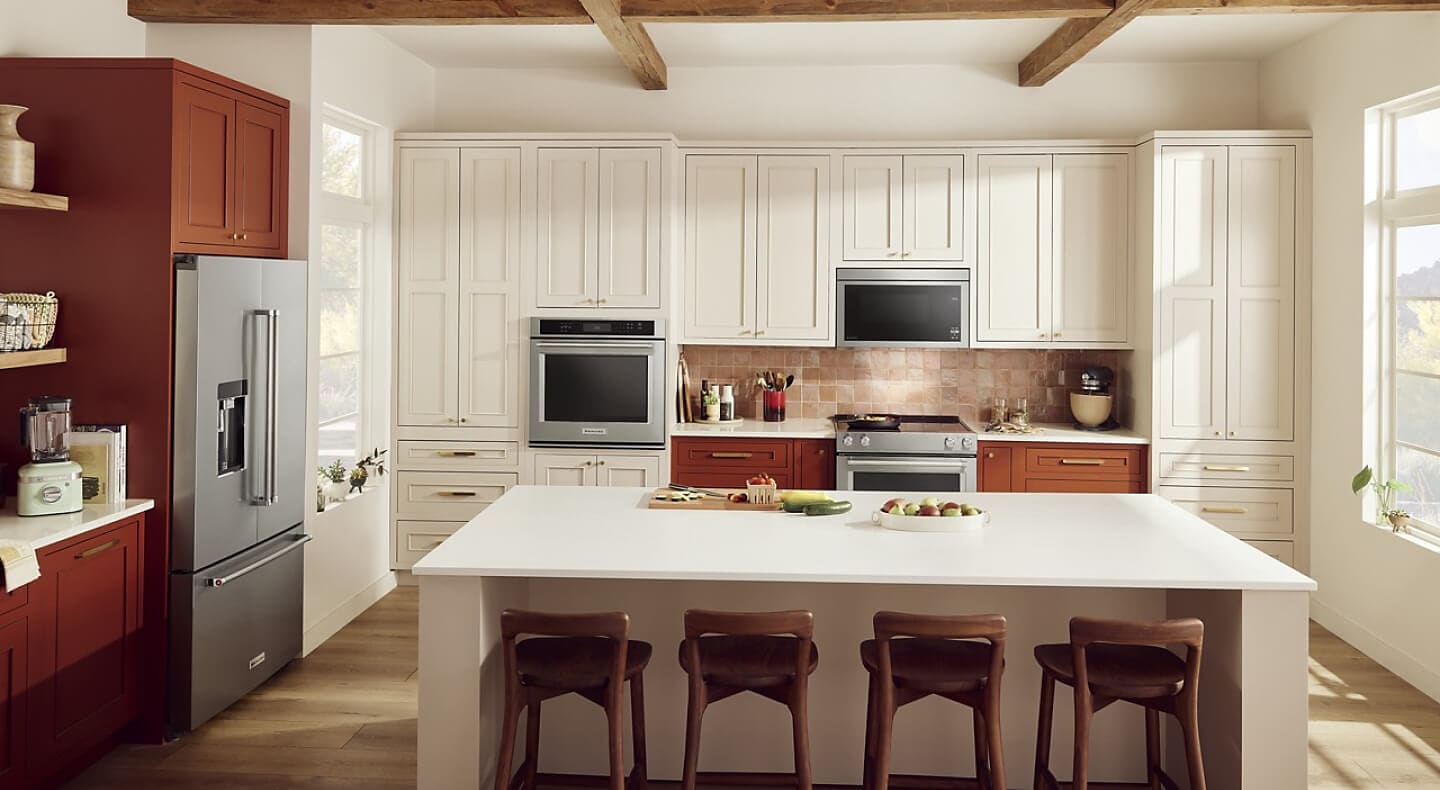
Credit: www.kitchenaid.com
Benefits Of An Oven In The Island
Installing an oven in a kitchen island offers several practical benefits. It changes the way you use your kitchen, making the space more efficient and enjoyable. This setup blends style with function, providing a modern cooking experience.
Maximizing Kitchen Space
Ovens in kitchen islands free up wall space for cabinets or other appliances. This design helps keep countertops clear for food prep. It creates more room for storage, making the kitchen feel less crowded. Small kitchens especially gain valuable space with this layout.
Enhancing Social Interaction
Placing the oven in the island brings the cook closer to guests. It allows more face-to-face time while preparing meals. The open layout encourages conversation and connection during cooking. Family and friends stay involved rather than isolated in the kitchen.
Improving Workflow
Island ovens create a smooth cooking flow with easy access to prep areas. Moving between the oven, sink, and fridge becomes quicker and simpler. It reduces walking and saves time during meal prep. This setup supports multitasking and keeps the kitchen organized.
Types Of Ovens Suitable For Islands
Choosing the right oven for a kitchen island requires careful thought. The oven must fit the space and meet cooking needs. Some ovens work better in islands than others. Here are common types that suit kitchen islands well.
Wall Ovens
Wall ovens fit neatly into kitchen islands. They save counter space and offer easy access. These ovens come in various sizes, including compact models. They provide a sleek, built-in look that blends with island cabinetry. Wall ovens often feature advanced settings for precise cooking. They are ideal for baking, roasting, and broiling.
Microwave Ovens
Microwave ovens are popular in kitchen islands for quick heating. They come in built-in versions designed for islands. These ovens heat food fast and save space. Some models include convection features to bake and roast. A microwave oven in the island keeps countertops clear and clutter-free. They are perfect for reheating and simple cooking tasks.
Combination Ovens
Combination ovens mix microwave and convection cooking. They offer flexibility in one unit and fit well in islands. These ovens cook food faster and more evenly. Some models include steam cooking for moist meals. Combination ovens suit busy kitchens needing versatile appliances. They reduce the need for multiple ovens and save island space.
Design Considerations
Adding an oven to your kitchen island can transform the heart of your home, but it requires careful planning to avoid common pitfalls. You must consider several design factors to ensure your setup is safe, functional, and comfortable. Paying attention to these details will help you create a kitchen island that truly works for your cooking style and space.
Ventilation Needs
Ovens produce heat and sometimes smoke, which means proper ventilation is crucial. Without good airflow, your kitchen can become uncomfortably hot, and lingering odors may stick around longer than you want. Consider installing a built-in vent hood or downdraft ventilation in the island itself to keep your kitchen fresh and safe.
Think about the layout: Is there enough space above or around the island for effective ventilation? If your island is centrally located, venting through the ceiling might be trickier but still possible with the right system. Ignoring ventilation could lead to costly problems like moisture damage or poor air quality.
Electrical And Plumbing Requirements
Ovens need a dedicated power source that can handle their high energy demands. Before installation, check if your kitchen island can be wired properly without causing electrical overload. It’s important to work with a professional electrician to ensure all wiring meets safety codes.
Plumbing might come into play if your oven has steam functions or if you plan to add a sink nearby. Make sure water lines and drains are accessible or can be added without major remodeling. Planning these utilities ahead avoids surprises and extra expenses down the road.
Ergonomics And Accessibility
How easy is it for you to use the oven in your island? Placement affects comfort and safety. Position the oven at a height where you don’t have to bend too low or stretch too high, reducing strain and making cooking more enjoyable.
Also, consider the space around the oven for opening doors and moving hot dishes. You need enough clearance to avoid bumping into counters or stools. If you often cook with others, think about how the oven’s location fits with your kitchen flow and traffic patterns.
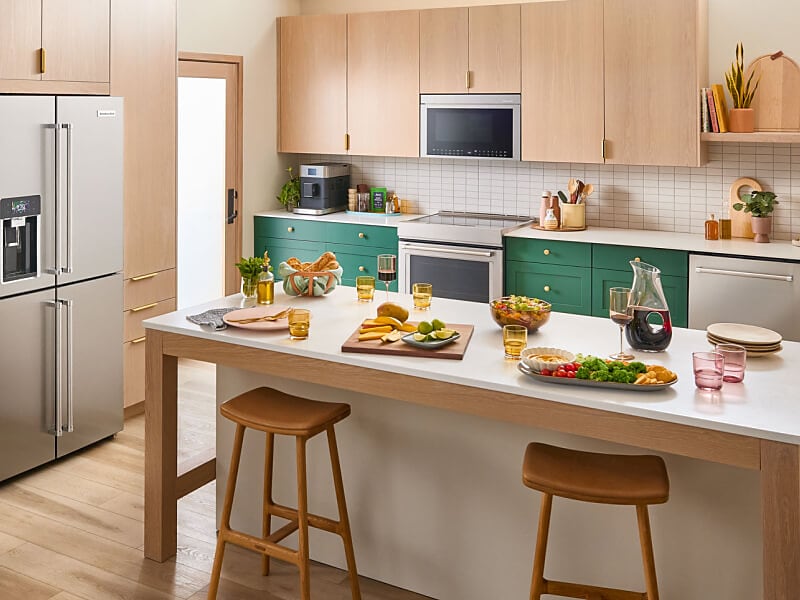
Credit: www.kitchenaid.com
Safety Tips For Island Ovens
Installing an oven in a kitchen island offers convenience and style. But safety is key. Follow essential guidelines to ensure safe use and peace of mind.
Heat Management
Ensure proper ventilation around the oven. Heat can build up without adequate airflow. Install vents to disperse heat effectively. Use heat-resistant materials for the island. They will protect against potential heat damage. Avoid placing flammable items near the oven.
Child Safety Measures
Install child-proof locks on the oven. Curious hands might reach for knobs. Educate children about the dangers of hot surfaces. Keep stools and chairs away to prevent climbing. Consider using an oven with a child lock feature. It provides extra security.
Proper Installation
Hire a professional for the installation. They ensure all safety standards are met. Check electrical connections regularly. Faulty wiring can be a hazard. Install the oven at a safe height. It minimizes risks of accidental burns. Use a certified installer for peace of mind.
Popular Layout Ideas
Popular layout ideas for placing an oven in a kitchen island focus on style and function. These layouts help save space and improve kitchen flow. Each design suits different cooking habits and kitchen sizes. Choose a layout that fits your needs and kitchen shape.
Single Oven Island
A single oven island keeps cooking simple and efficient. It fits well in small to medium kitchens. The oven is built into the island, freeing up wall space. This layout makes the oven easily accessible from all sides. It is perfect for everyday baking and roasting.
Double Oven Setup
Double ovens in a kitchen island offer extra cooking capacity. Great for big families or frequent entertainers. You can cook multiple dishes at different temperatures. This setup saves time and keeps meals fresh. It also adds a professional feel to your kitchen.
Integrated Cooking Stations
Integrated cooking stations combine ovens with cooktops or microwaves. This design creates a complete cooking zone in the island. It allows for seamless meal prep and cooking. Integrated stations improve kitchen workflow and keep everything within reach. Ideal for those who love to cook and entertain.
Material And Finish Choices
Choosing the right materials and finishes is key when adding an oven to a kitchen island. These choices affect the kitchen’s style, durability, and function. Materials must handle heat and daily use while matching the kitchen’s design. Finishes should protect surfaces and enhance the overall look.
Countertop Materials
Countertops near an oven need to resist heat and scratches. Popular options include:
- Granite – very durable and heat-resistant
- Quartz – non-porous, easy to clean, and strong
- Marble – elegant but softer, needs more care
- Concrete – modern look and heat tolerant
- Butcher block – warm and natural, but needs sealing
Choose a countertop that fits your cooking style and cleaning habits.
Cabinet Finishes
Cabinet finishes around the oven should resist heat and stains. Options include:
- Laminate – affordable and easy to clean
- Painted wood – customizable colors, but less heat-resistant
- Stained wood – classic look with natural grain
- Thermofoil – smooth, moisture-resistant, and budget-friendly
- Metal – modern and durable but may show fingerprints
Pick a finish that matches your kitchen’s style and lasts over time.
Oven Door Styles
The oven door style impacts usability and design. Common styles include:
- Drop-down door – classic and easy to access
- Side-opening door – saves space and looks modern
- Double doors – offer wide access for large dishes
- Glass-front doors – allow you to see food while cooking
Consider how you use the oven and what fits your island space best.
Maintenance And Cleaning Tips
Keeping an oven in a kitchen island clean and well-maintained is key to its long life. Simple habits help prevent dirt buildup and costly repairs. Regular care also keeps your cooking space looking fresh and inviting. Follow these easy tips to maintain your oven and its surrounding surfaces.
Easy-to-clean Surfaces
Choose kitchen island materials that resist stains and heat. Smooth surfaces like quartz or sealed granite wipe clean quickly. Avoid porous materials that trap grease and crumbs.
Use gentle cleaners that do not damage finishes. A soft cloth and mild soap work best. Clean spills immediately to prevent stains from setting.
Regular Oven Care
Wipe the oven door and control panel after each use. Remove crumbs and food residue inside the oven weekly. Use the self-cleaning feature if available, following the manual instructions carefully.
Check oven seals for cracks or wear. Replace damaged seals to keep heat inside and save energy. Clean or replace oven racks regularly to prevent rust and buildup.
Avoiding Common Issues
- Do not use abrasive cleaners or steel wool inside the oven.
- Keep vents and fans free from blockages to avoid overheating.
- Avoid slamming the oven door to prevent damage to hinges and seals.
- Test oven temperature periodically to ensure accurate cooking results.
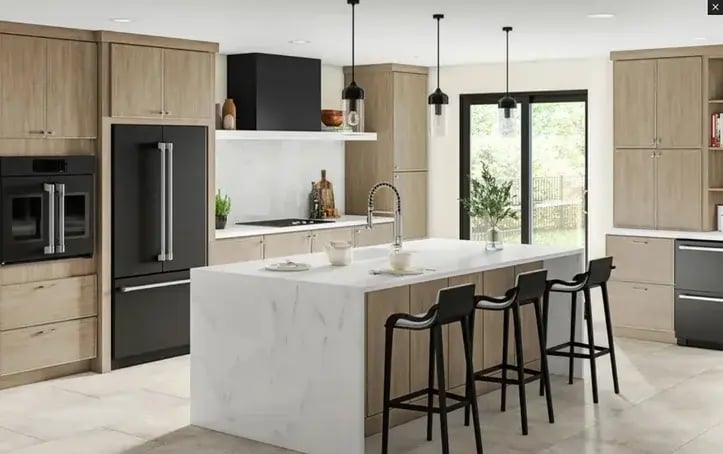
Credit: blog.kitchenmagic.com
Frequently Asked Questions
Can You Install An Oven In A Kitchen Island?
Yes, you can install an oven in a kitchen island. Ensure proper ventilation, electrical connections, and sufficient space are planned. This setup offers convenience and a modern kitchen design.
What Are The Benefits Of An Island Oven?
An island oven improves kitchen workflow by centralizing cooking. It enhances social interaction by keeping the cook engaged with guests. It also saves wall space and adds a sleek, contemporary look.
Are There Any Challenges With Island Oven Installation?
Challenges include ensuring proper ventilation and electrical access. It may require custom cabinetry and ventilation systems. Planning for safety and heat dissipation is essential to avoid kitchen hazards.
What Types Of Ovens Suit Kitchen Islands Best?
Compact wall ovens and built-in convection ovens work best in kitchen islands. They save space and integrate seamlessly into island cabinetry, providing efficient cooking without overpowering the design.
Conclusion
An oven in a kitchen island can save space and add style. It makes cooking easier by keeping everything within reach. Think about your kitchen size and layout first. Ventilation and safety matter a lot. Choose the right oven model that fits your needs.
This setup can make your kitchen feel modern and open. Planning well helps avoid problems later. Your kitchen island can be both useful and beautiful. Just take time to design it carefully.