
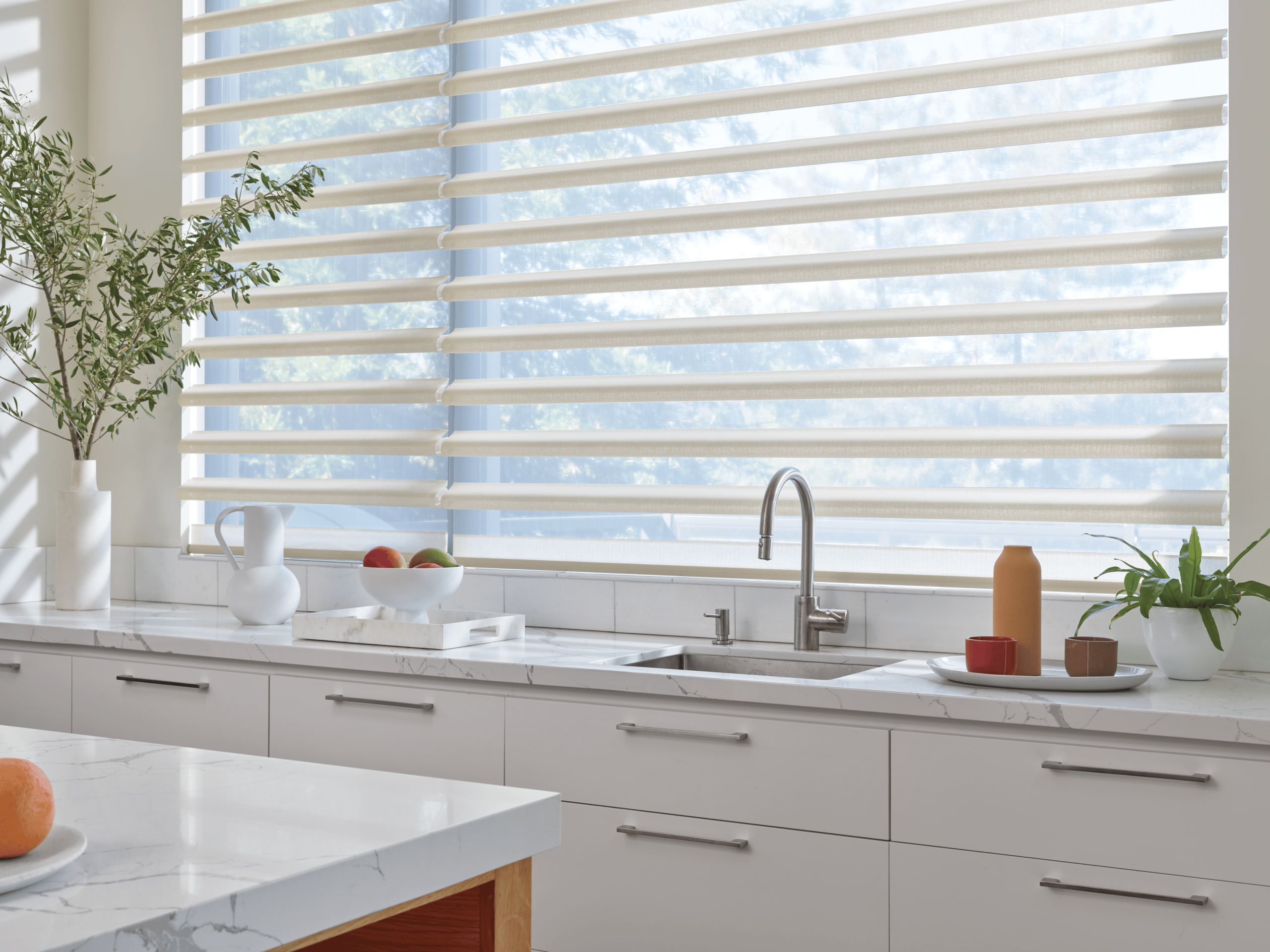
Have you ever wondered if your kitchen counter can cover part of a window? It’s a question many homeowners face when trying to maximize space or create a unique kitchen design.
You might worry about losing natural light or making your kitchen feel cramped. But what if covering part of your window with a counter could actually work in your favor? You’ll discover the pros and cons, practical tips, and design ideas that can help you decide if this layout is right for your home.
Keep reading to find out how you can make your kitchen both functional and stylish, without sacrificing the light and view you love.
Design Considerations
Designing a kitchen counter that covers part of a window requires careful thought. You want to keep the natural light flowing while making sure your counter serves its purpose. Balancing these needs can be tricky but rewarding when done right.
Balancing Light And Function
Natural light is a key element in any kitchen. When a counter covers part of a window, it can block sunlight and change the room's feel. You need to decide how much light you’re willing to sacrifice for extra counter space.
Think about how you use your kitchen during the day. If you often work near that window, losing light might slow you down. But if the extra surface helps with meal prep or storage, it might be worth it.
Consider adding under-cabinet lighting or using reflective surfaces to keep the area bright. Would you prefer a smaller counter with full light, or a bigger counter with some shade?
Aesthetic Impact
The look of your kitchen changes when a counter covers part of a window. It can add a modern twist or feel awkward if not planned well. Visual balance is key to avoid making the space feel cramped or cluttered.
Try to match the counter material and style with your window frame and surrounding cabinetry. This creates a seamless look that feels intentional. Have you thought about how the counter edge meets the window trim? Smooth transitions can prevent a jarring effect.
Adding plants or decorative items on the counter can soften the impact and bring life to the area. What kind of vibe do you want your kitchen to have, bright and open or cozy and functional?
Material Choices
Choosing the right material is critical when your counter covers a window. It must withstand sunlight exposure without fading or warping. Durable materials like quartz, granite, or sealed wood work well.
Consider how moisture and temperature changes near the window might affect your counter. Using water-resistant materials can save you headaches later. Have you checked how your chosen material reacts to direct sunlight?
Also, think about ease of cleaning and maintenance. Counters that cover part of a window might collect dust and water spots more quickly. Selecting a finish that’s easy to wipe down keeps your kitchen looking fresh.
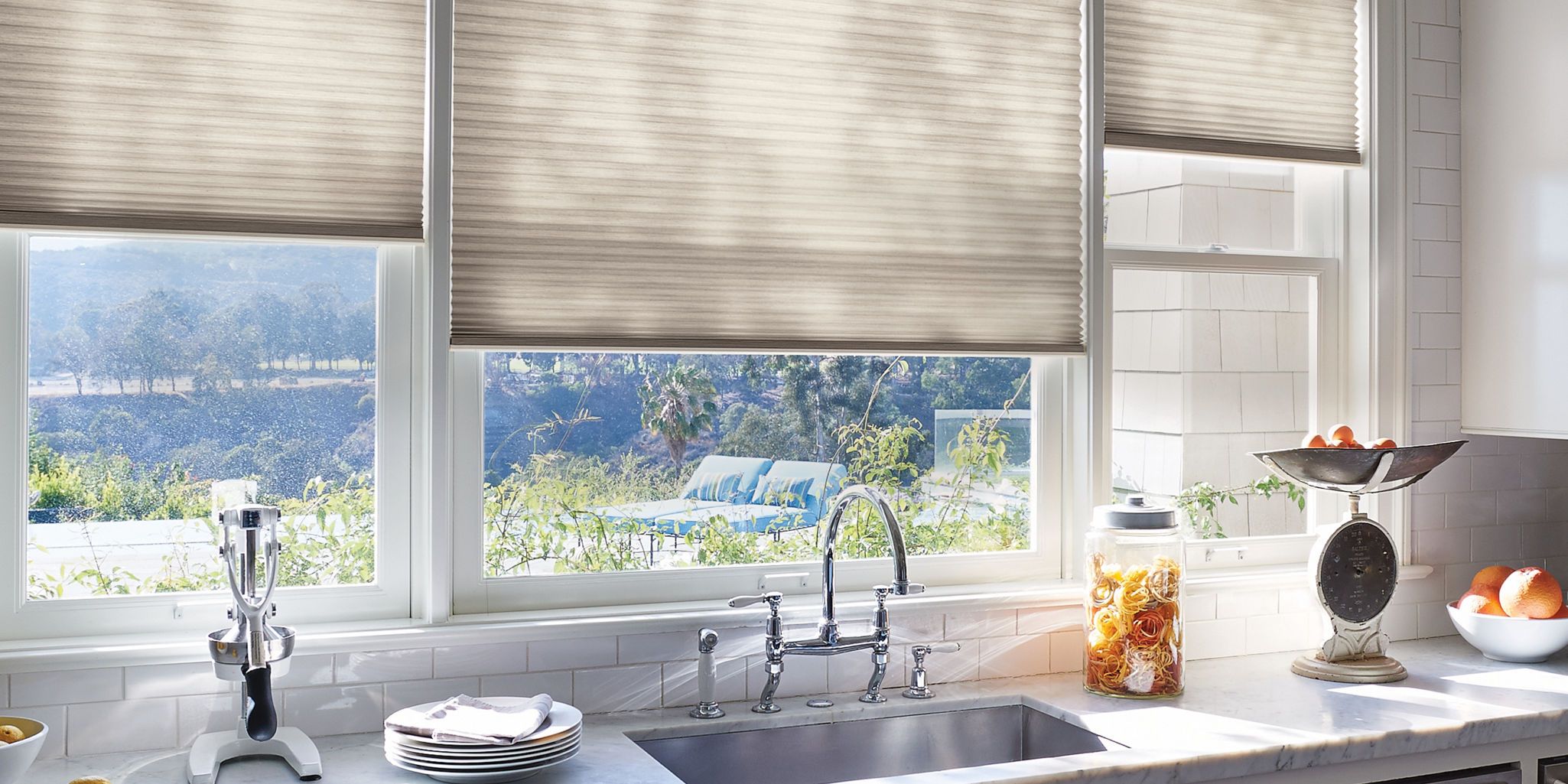
Credit: www.hunterdouglas.com
Practical Benefits
Covering part of a kitchen window with a countertop can seem like an unusual choice at first. However, it brings several practical benefits that can enhance how you use your kitchen space daily. These advantages range from increasing your available work area to improving storage and even adding privacy without sacrificing natural light.
Extra Workspace
Extending a counter over part of a window creates more flat surface for meal prep, cooking, or setting down groceries. If you often find your kitchen counters crowded, this can be a real game changer.
Imagine slicing vegetables or mixing ingredients right next to a sunny window. The natural light helps you see better and makes cooking more enjoyable.
Storage Solutions
With a counter covering part of a window, you can add shelves or drawers underneath without blocking the entire view. This setup offers clever storage options for utensils, spices, or small appliances.
It’s an efficient way to keep your kitchen tidy, especially if you have limited cabinet space. Could reorganizing your storage here free up room elsewhere?
Privacy Enhancement
Partial window coverage allows you to block lower sightlines from outside while still letting in sunlight from above. This balance is perfect if your kitchen window faces a busy street or a neighbor’s house.
You get to enjoy bright daylight without feeling exposed. Have you ever wished for a little more privacy without closing off your kitchen completely?
Potential Challenges
Covering part of a window with a kitchen counter may reduce natural light and limit outdoor views. It could also affect ventilation and window access for cleaning or emergency exits. Careful planning helps avoid these common issues.
When considering whether a kitchen counter can cover part of a window, it's essential to weigh the potential challenges. While this design choice might seem like an innovative use of space, it can lead to several practical issues. Understanding these challenges can help you make a more informed decision about your kitchen layout.
Obstructed Views
Covering part of a window with a kitchen counter can significantly obstruct your view. Imagine trying to enjoy your morning coffee but being unable to fully appreciate the garden view outside. It's vital to consider whether the loss of visibility outweighs the benefits of extra counter space.
Reduced Natural Light
Natural light is a valuable asset in any kitchen, offering warmth and energy efficiency. Covering a window with a counter can reduce the amount of sunlight streaming in, making the space feel dimmer. Ask yourself if the trade-off between extra counter space and the ambiance of natural light is worth it.
Ventilation Issues
Good ventilation is crucial for maintaining a fresh and odor-free kitchen environment. A partially covered window might hinder airflow, leading to potential ventilation problems. Consider whether the placement of a counter will impact your kitchen's ability to stay well-ventilated, especially during cooking. These challenges highlight the need for careful planning when designing your kitchen layout. How will your choices affect the overall feel and functionality of your space?
Installation Tips
Installing a kitchen counter that covers part of a window requires careful thought and planning. This project affects light, view, and kitchen usability. Proper preparation ensures the counter fits well and looks great. Follow these installation tips for a smooth process and a functional space.
Measuring And Planning
Measure the window height and width accurately. Note how much of the window the counter will cover. Consider the window sill and any trim around it. Plan for space to open windows if needed. Mark the counter area on the wall before cutting or installing. Take into account plumbing and electrical outlets nearby.
Choosing The Right Counter Height
Select a counter height that suits your kitchen tasks and window position. Standard counter height is around 36 inches. Lower counters can cover more of the window but may block more light. Higher counters keep the window more visible but might limit workspace. Think about stools or chairs if you want a bar-style counter near the window.
Professional Vs Diy
Decide if you want to hire a professional or do the job yourself. Professionals bring experience and tools for a precise fit. DIY saves money but requires skill and patience. Small errors in measurement or installation can cause problems. If unsure, consult with a contractor or kitchen specialist. Always follow safety guidelines during installation.
Legal And Safety Aspects
Covering part of a window with a kitchen counter involves more than design choices. Legal and safety rules guide these decisions. Ignoring these can cause problems with inspections or create hazards. Understanding these aspects helps keep your kitchen safe and compliant.
Building Codes
Building codes regulate how much of a window can be covered. These codes vary by location but often require a minimum clear window area. This ensures natural light and ventilation are not blocked. Local authorities enforce these rules during inspections. Always check local codes before altering window space.
Fire Safety
Windows often serve as emergency exits in kitchens. Covering them partially can block escape routes. Fire codes may require clear access to these exits. Materials used for counters near windows should be fire-resistant. This reduces fire risks and helps protect your home and family.
Window Accessibility
Windows need to open fully for ventilation and cleaning. A counter covering part of a window can limit this function. This can cause poor air circulation and make window cleaning difficult. Design counters to allow full window operation. Accessibility is key for comfort and maintenance.
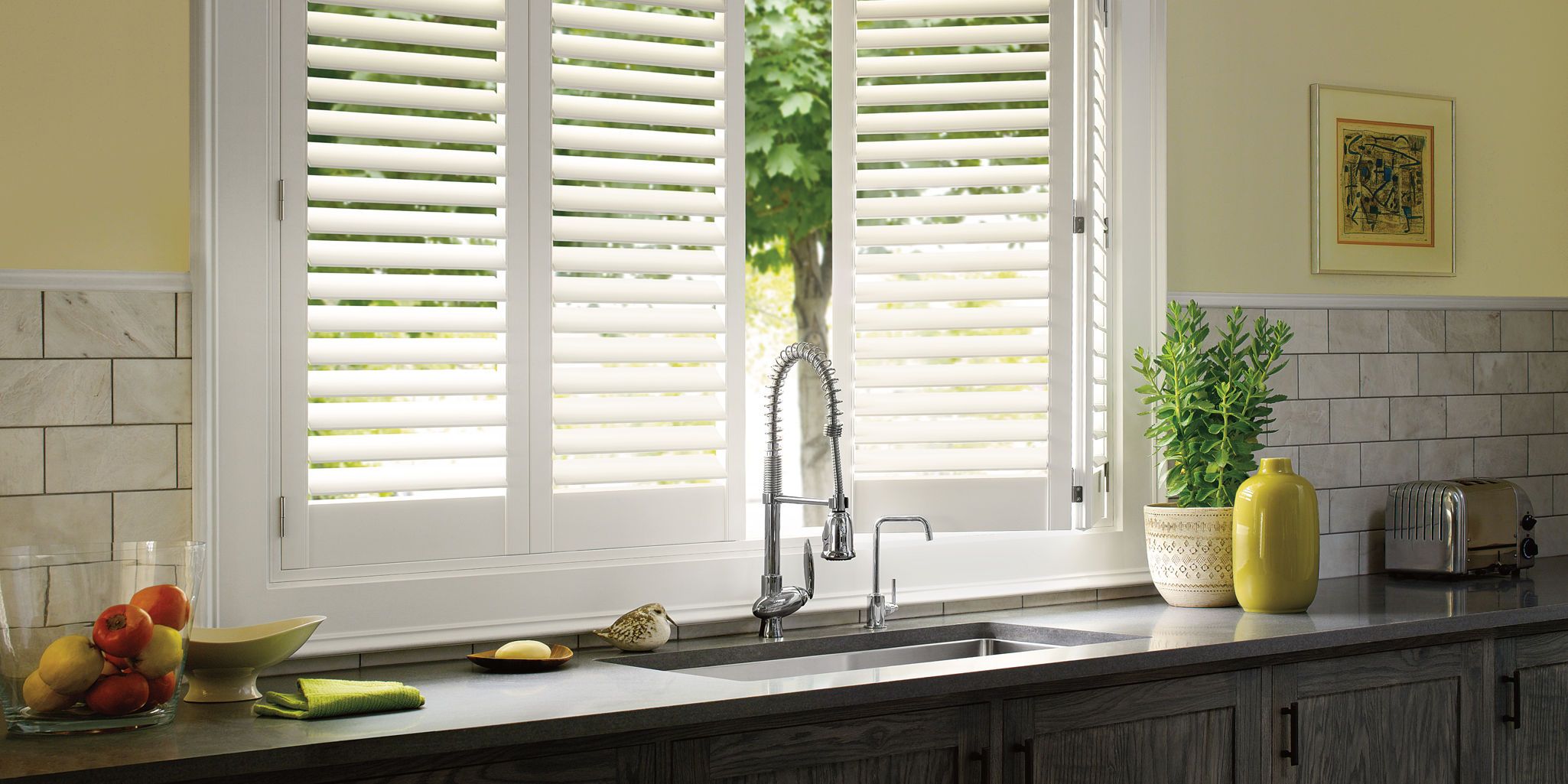
Credit: www.hunterdouglas.com
Expert Opinions
Experts offer valuable perspectives when considering whether a kitchen counter can cover part of a window. Their insights help you weigh design, functionality, and structural factors. Let’s look at what interior designers, contractors, and homeowners have to say about this unique design choice.
Interior Designer Insights
Interior designers often see kitchen counters extending into window spaces as a creative way to maximize space and light. They point out that a partial window cover can create a cozy breakfast nook or extra prep area without sacrificing natural light entirely.
However, they caution that the window’s height and placement matter. If the counter blocks too much of the window, it can make the kitchen feel cramped or dark. Designers suggest using transparent or reflective materials near the window to keep the space bright.
Contractor Recommendations
Contractors focus on safety and practicality. They recommend ensuring the counter’s installation does not interfere with window operation, like opening or closing. You should also check local building codes to avoid compliance issues.
They highlight the importance of proper sealing to prevent water damage if the counter meets the window frame. Using durable materials that can handle potential moisture near the window is key. Contractors often advise consulting a professional before altering window areas to avoid structural problems.
Homeowner Experiences
Many homeowners share that covering part of a window with a counter can work well if planned carefully. One homeowner turned the space into a charming coffee bar that uses the window light but still offers counter space.
Others mention challenges like glare on screens or difficulty cleaning the window behind the counter. Some found that adding adjustable blinds or shades helps control light and privacy.
What would you want to gain from your kitchen window space? Would extra counter space or full window visibility suit your daily needs better?
Alternative Solutions
Finding ways to cover part of a window with a kitchen counter can be tricky. Alternative solutions offer smart ideas without blocking all the natural light. These options help keep your kitchen bright and functional.
Partial Window Covers
Partial window covers protect privacy while letting light in. Frosted glass or decorative films work well on the lower window area. Curtains or blinds that stop halfway provide control without closing off the view. These covers create a balance between light and privacy.
Open Shelving Options
Open shelves installed in front of windows add storage and style. They don’t block all the light because they have gaps between shelves. Use plants, jars, or small kitchen tools to decorate. Open shelving keeps the kitchen airy and practical.
Adjustable Counter Designs
Adjustable counters can extend over part of a window when needed. They slide or fold back to allow full light. This design is perfect for small kitchens needing extra workspace. It offers flexibility without permanent coverage.
Frequently Asked Questions
Can A Kitchen Counter Cover Part Of A Window?
Yes, a kitchen counter can cover part of a window if designed carefully. It should not block natural light or ventilation.
Will Covering A Window Affect Kitchen Lighting?
Covering a window partially may reduce natural light. Use bright artificial lights to maintain kitchen brightness.
Is It Practical To Place A Counter Under A Window?
Placing a counter under a window is practical for added workspace and view. Ensure the window remains accessible.
How To Design A Counter Covering Part Of A Window?
Design counters with lower height or cutouts to avoid blocking window views and light while maximizing space.
Conclusion
A kitchen counter can cover part of a window, but plan carefully. Make sure enough light still enters the room. Choose materials that resist water and heat near the window. Think about how the cover affects ventilation and cleaning. Small changes can create a cozy, practical kitchen space.
Always balance style with function for best results.