
Can You Use Kitchen Aid As Food Processor: Are you wondering if your KitchenAid mixer can double as a food processor? You’re not alone.
Many home cooks want to save space and money by using one appliance for multiple tasks. But can your KitchenAid really handle chopping, slicing, and shredding like a dedicated food processor? Keep reading to discover the truth behind this common question and learn how to get the most out of your KitchenAid in the kitchen.
You might be surprised by what it can—and can’t—do.
Credit: www.kitchenaid.com
Kitchenaid Mixer Vs Food Processor
The KitchenAid mixer and food processor are common kitchen tools. Both help prepare food but serve different purposes. Understanding their differences helps choose the right one for your cooking needs.
Key Differences In Design
The KitchenAid mixer features a large, heavy base with a mixing bowl. It has attachments for beating, whisking, and kneading dough. The design focuses on mixing and whipping tasks.
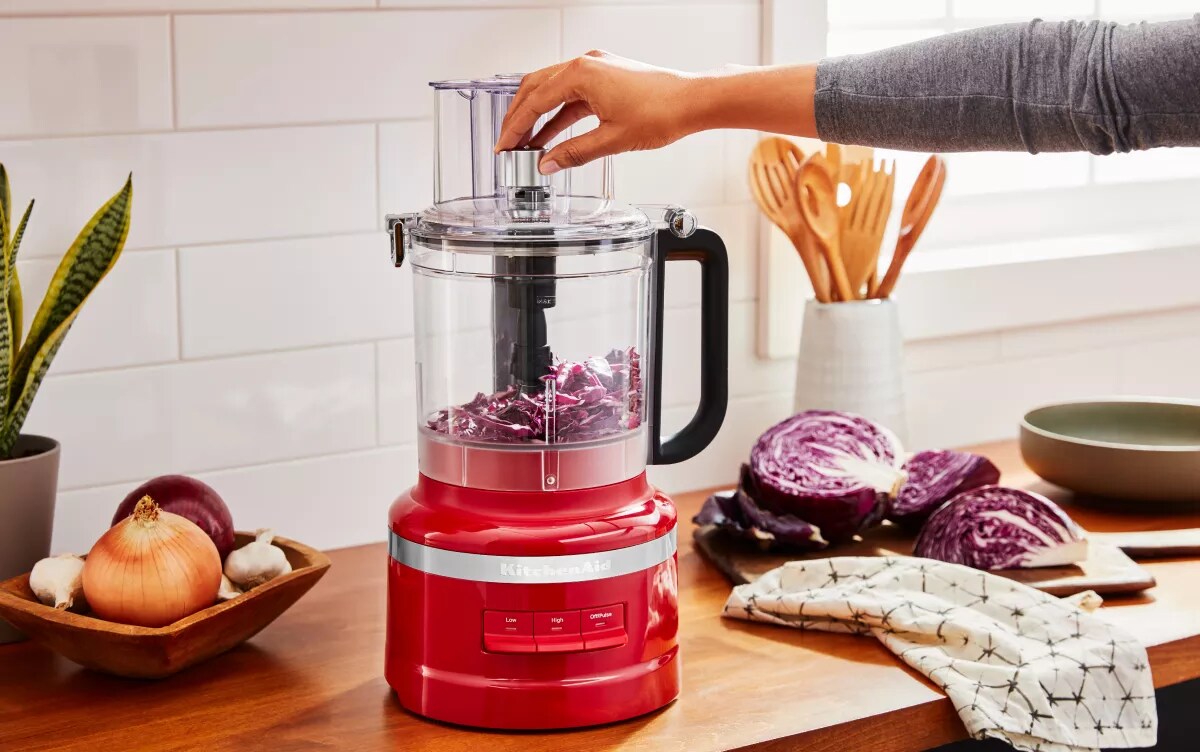
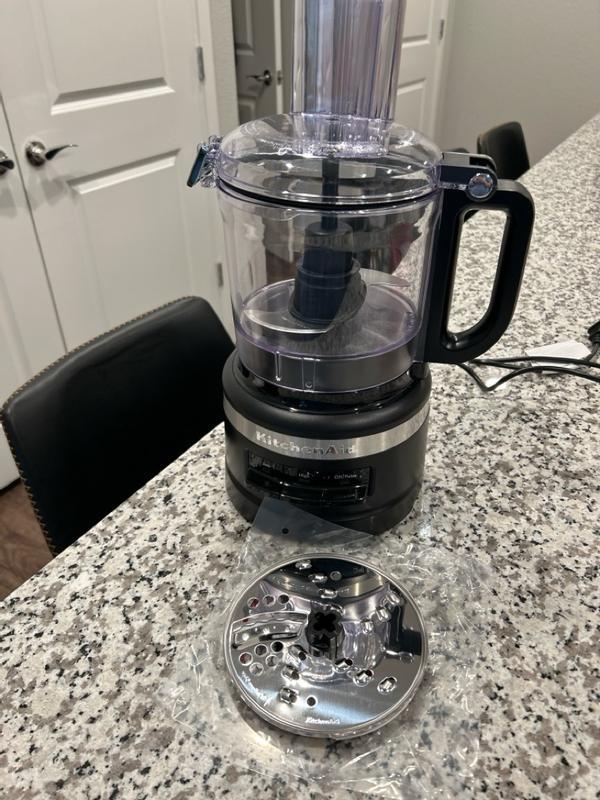
The food processor has a wide, shallow bowl with a lid. It includes sharp blades for chopping, slicing, and shredding. The design is for quick, precise cutting and mixing.
- KitchenAid mixer: heavy, stationary, with various attachments
- Food processor: compact, with sharp blades and multiple speed settings
- KitchenAid mixer bowl is deeper; food processor bowl is wider
Functional Capabilities Compared
The KitchenAid mixer excels at mixing dough, batters, and whipping cream. It can handle heavy mixtures like bread dough with ease.
The food processor quickly chops vegetables, slices fruits, and grates cheese. It also purees foods and makes dough but with less power.
| Function | KitchenAid Mixer | Food Processor |
|---|---|---|
| Mixing dough | Excellent | Good |
| Chopping vegetables | Limited (with attachments) | Excellent |
| Whipping cream | Excellent | Not suitable |
| Slicing & shredding | Not designed for | Excellent |
| Pureeing | Limited | Good |
Credit: www.kitchenaid.com
Using Kitchenaid Attachments
Using KitchenAid attachments can transform your stand mixer into a versatile kitchen tool. Instead of buying multiple appliances, you can add specific attachments designed for food processing tasks. This saves space, money, and keeps your kitchen setup streamlined.
Available Food Processing Attachments
KitchenAid offers several attachments that turn your mixer into a food processor. These include:
- Food Grinder Attachment:Perfect for grinding meats, vegetables, and even making breadcrumbs.
- Vegetable Sheet Cutter:Ideal for creating thin vegetable sheets for lasagna or salads.
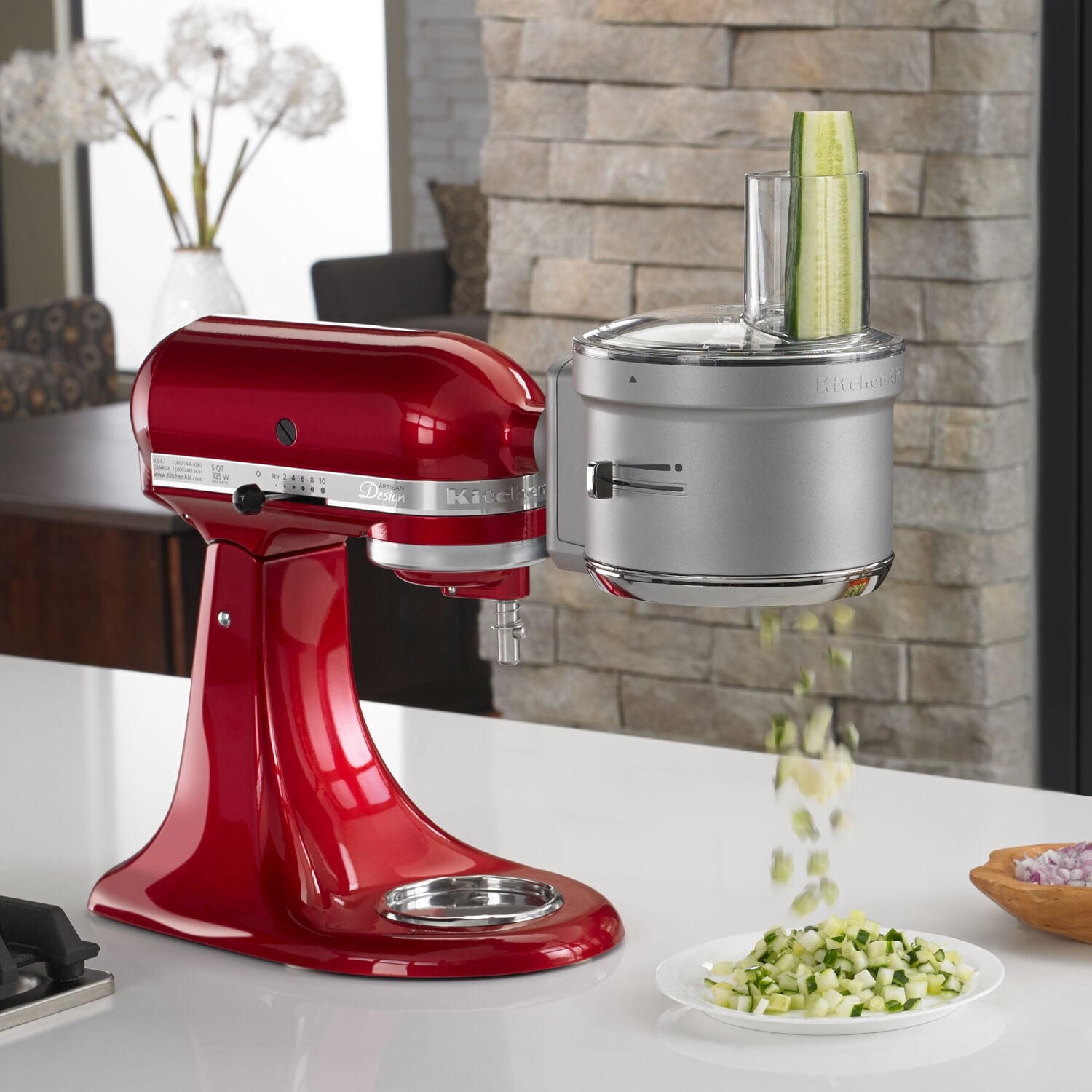
- Food Processor Attachment:A full-fledged processor with slicing, shredding, and chopping capabilities.
- Grain Mill Attachment:Allows you to grind grains into fresh flour for baking.
Each attachment is designed to fit your KitchenAid mixer seamlessly, ensuring solid performance for various food prep needs.
How Attachments Work
These attachments connect directly to the mixer's power hub at the front. You simply remove the hub cover and insert the attachment’s shaft, securing it tightly. When you turn on the mixer, the attachment uses the mixer's motor to operate.
This design means you don’t need separate motors or additional power sources. The mixer’s variable speed control allows you to adjust the processing speed for different tasks. For example, chopping vegetables requires a different speed than grinding meat.
Have you tried swapping attachments mid-recipe? It’s surprisingly easy and can save you time. Plus, cleaning one base unit instead of multiple appliances is a huge bonus.
Tasks Kitchenaid Can Handle
The KitchenAid stand mixer is a powerhouse appliance in many kitchens, but can it replace your food processor? Understanding the tasks KitchenAid can handle helps you decide if it fits your cooking needs. Let’s look closely at what this versatile machine does well.
Chopping And Slicing
With the right attachments, KitchenAid can chop vegetables and slice fruits efficiently. Its food processor attachments work well for tasks like dicing onions or slicing cucumbers for salads. However, the chopping might not be as fine or quick as a dedicated food processor, so consider the volume and texture you need.
Mixing And Kneading Dough
Mixing and kneading are where KitchenAid truly shines. It handles bread dough, pizza dough, and cookie batters with ease, saving your hands from tough kneading. If dough preparation is your main goal, KitchenAid can replace several appliances in your kitchen.
Shredding And Grating
Shredding cheese or grating vegetables is simple with KitchenAid’s shredding attachment. It performs consistently and speeds up meal prep, especially if you shred large amounts regularly. Just ensure you use the correct disc for fine or coarse shredding to get the best results.
Limitations To Consider
KitchenAid mixers lack some food processor features like chopping tough ingredients finely. They may not handle large quantities or certain textures well. Using the right attachment is essential for best results.
Considering using your KitchenAid mixer as a food processor might seem like a convenient idea. However, there are some limitations you need to think about before making this substitution. Understanding these constraints can help you decide whether your KitchenAid can meet your food processing needs.
Capacity Constraints
KitchenAid mixers typically come with a large bowl, which might seem advantageous. However, their design is optimized for mixing rather than chopping or slicing. This can limit the amount of food you can process efficiently. A traditional food processor often has multiple bowl sizes, allowing you to handle both small and large quantities with ease. With a KitchenAid, you might struggle to process smaller batches without ingredients getting stuck on the sides. Have you ever tried chopping just a handful of nuts, only to end up with uneven pieces? That's a common issue with using a mixer for processing.
Speed And Efficiency
Food processors are designed with specific blades and speeds for various tasks like chopping, slicing, and shredding. KitchenAid mixers, on the other hand, are primarily built for kneading dough and mixing batter. While your mixer may have speed settings, they don't offer the same precision or efficiency as a dedicated food processor. Imagine trying to slice vegetables uniformly; the results might be less than satisfactory. Wouldn't you prefer a gadget that handles this task swiftly and consistently?
Precision In Processing
When it comes to achieving that perfect texture or consistency, precision is key. Food processors come with a variety of blades and discs to ensure precise cuts and grinds. With a KitchenAid mixer, you are limited to the attachments available, which might not offer the precision required for certain recipes. Picture making pesto: a food processor can quickly blend the ingredients into a smooth paste, while a mixer might leave you with a chunky mixture. Is that what you're aiming for in your culinary creations? By understanding these limitations, you can better decide if your KitchenAid can stand in as a food processor or if investing in a dedicated appliance would better serve your culinary endeavors. Remember, each kitchen tool has its strengths, and selecting the right one can elevate your cooking experience.
When To Choose A Dedicated Food Processor
Choosing between a KitchenAid mixer and a dedicated food processor depends on your cooking needs. Both machines have their strengths, but some tasks need the power and design of a food processor. Knowing when to pick a food processor can save time and effort.
Heavy-duty Processing Needs
Food processors handle tough jobs better than mixers. They can chop large amounts of vegetables, nuts, or meat quickly. Their strong motors and sharp blades are built for heavy-duty use. KitchenAid mixers may struggle with large or dense ingredients.
Specialized Food Preparation
Food processors offer specific functions like slicing, shredding, and pureeing. These tasks require precise attachments and blade designs. Mixers do not provide the same variety of cutting options. For recipes needing exact cuts, a food processor is best.
Time-saving Benefits
Food processors speed up meal prep. They work fast and reduce manual chopping or blending time. Using a food processor helps complete cooking tasks in minutes. This saves effort and keeps your kitchen workflow smooth.
Maintenance And Safety Tips
Maintaining your KitchenAid when using it as a food processor is key to keeping it working smoothly and safely. Regular care not only extends the lifespan of your appliance but also ensures every dish you prepare is clean and safe to eat.
Cleaning Attachments Properly
Always detach the attachments before cleaning. Most KitchenAid food processor attachments are dishwasher safe, but check the manual to be sure.
Use warm, soapy water to clean blades and bowls thoroughly. Be extra careful with sharp blades—handle them by the dull edges to avoid cuts.
Dry all parts completely before reassembling or storing. Moisture can cause rust or damage the motor over time.
Safe Operation Practices
Never operate your KitchenAid without securely locking all attachments in place. This prevents accidents and keeps the machine stable during use.
Keep your fingers and utensils away from the blades while the processor is running. Use the provided pusher tool to feed ingredients safely.
Unplug the appliance before changing attachments or cleaning. This simple step can prevent unexpected starts and injuries.
Cost And Value Comparison
Comparing the cost and value of using a KitchenAid as a food processor helps decide if it fits your kitchen needs. Assessing both the initial price and long-term benefits gives a clearer picture of overall worth. This section breaks down these factors simply and clearly.
Initial Investment
Buying a KitchenAid stand mixer with food processor attachments costs more upfront than a basic food processor. The mixer alone is a bigger purchase, usually priced higher than most standalone food processors. Attachments add extra cost but offer multiple uses beyond food processing.
- The KitchenAid mixer ranges from mid to high price points.
- Food processor attachments add to total expense.
- Standalone food processors often cost less initially.
- KitchenAid offers multifunctionality, reducing need for multiple gadgets.
Long-term Usage Considerations
KitchenAid’s durability and versatility provide strong long-term value. The mixer can handle many kitchen tasks, making attachments useful beyond just chopping or slicing. Quality parts and strong motors mean fewer replacements or repairs over time.
- High durability lowers replacement frequency.
- Attachments allow for various food prep tasks.
- Space-saving by combining functions in one appliance.
- Initial cost spreads over many years of use.
Credit: www.bedbathandbeyond.com
Frequently Asked Questions
Can A Kitchen Aid Replace A Traditional Food Processor?
Yes, a Kitchen Aid with the food processor attachment can replace a traditional food processor. It performs chopping, slicing, and shredding efficiently. However, standalone food processors may offer more power and larger capacity.
What Tasks Can Kitchen Aid Food Processor Attachments Handle?
Kitchen Aid food processor attachments handle chopping, slicing, shredding, and mixing. They work well for vegetables, nuts, cheese, and dough preparation. These attachments add versatility to your Kitchen Aid stand mixer.
Is The Kitchen Aid Food Processor Suitable For Heavy-duty Use?
Kitchen Aid food processors are ideal for moderate kitchen tasks. For heavy-duty or large-volume processing, a dedicated food processor is better. Kitchen Aid attachments are best for small to medium food prep jobs.
How Easy Is It To Clean A Kitchen Aid Food Processor?
Cleaning a Kitchen Aid food processor attachment is simple. Most parts are dishwasher safe. The design allows for easy disassembly and quick rinsing, saving you time after food prep.
Conclusion
A Kitchen Aid can work like a food processor for many tasks. It chops, slices, and mixes with the right attachments. Still, it may not handle heavy-duty jobs as well. Choosing the right tool depends on your cooking needs. A Kitchen Aid offers versatility but has limits.
It’s a useful addition to most kitchens. Consider what you cook most before deciding. Either way, it can save time and effort. Simple, practical, and handy for everyday meals.