
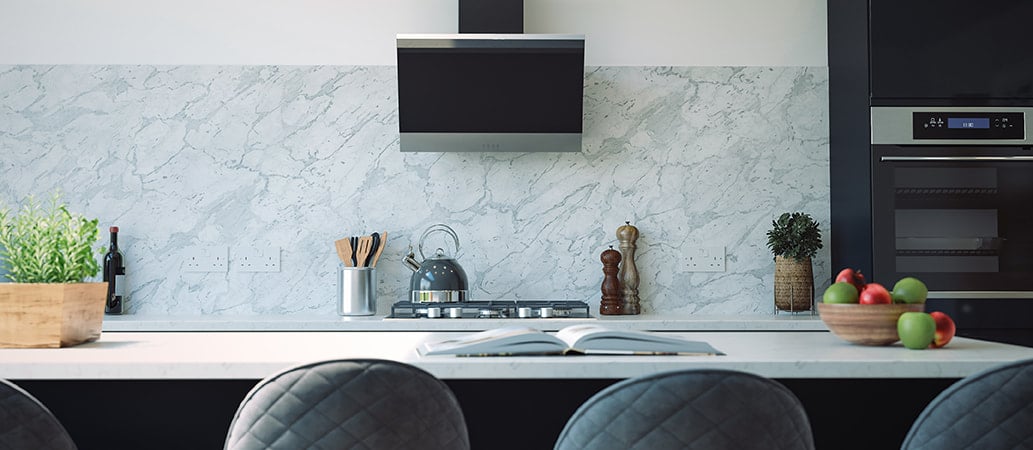
What Can I Use to Cover Kitchen Tiles. Are your kitchen tiles looking outdated or worn out? You might be wondering what you can use to cover kitchen tiles without the hassle of a full renovation.
Whether you want to refresh your space quickly or add a personal touch, there are simple and affordable options that can transform your kitchen. Keep reading to discover easy ways you can cover your kitchen tiles and give your space a fresh new look you’ll love.
Credit: www.amazon.com
Peel And Stick Tiles
Peel and stick tiles offer a quick and easy way to cover kitchen tiles. These tiles come with adhesive backing. You simply peel off the paper and stick them onto your existing tiles. This option saves time and effort compared to traditional tile replacement. It also allows you to refresh your kitchen’s look without a full renovation.
Benefits Of Peel And Stick
- Easy to install without special tools or skills
- Cost-effective compared to replacing tiles
- Water-resistant and easy to clean
- Temporary or permanent solution depending on adhesive type
- Lightweight, so they do not add extra weight to walls
- Can be removed without damaging original tiles
Popular Designs And Patterns
Peel and stick tiles come in many designs. Common choices include:
- Classic subway tile look for a clean style
- Marble patterns for an elegant touch
- Geometric shapes for modern kitchens
- Mosaic styles to add color and texture
- Wood-look tiles for a warm, natural feel
These options help match various kitchen themes easily.
Installation Tips
- Clean the surface thoroughly before applying tiles
- Make sure tiles are dry and free of grease
- Measure and plan tile placement before peeling backing
- Press firmly to remove air bubbles for a smooth finish
- Use a utility knife to trim tiles for edges and corners
- Work slowly to avoid mistakes and ensure alignment
Paint For Kitchen Tiles
Painting kitchen tiles is a smart way to give your space a fresh look without the cost or mess of a full renovation. It allows you to update colors, patterns, and styles quickly. But to get lasting results, you need to pick the right paint and prepare your tiles properly.
Choosing The Right Paint
Not all paints stick well to glossy tile surfaces. You want a paint specifically designed for tiles or one labeled as "high adhesion" and moisture resistant. Epoxy-based or enamel paints often work best because they create a hard, durable finish.
Consider the color carefully. Lighter shades can brighten small kitchens, while darker tones add warmth and depth. Remember, your choice affects how often you’ll need to touch up the tiles later.
Preparation Steps
Preparation makes or breaks your tile painting project. Start by cleaning the tiles thoroughly to remove grease, dirt, and soap scum. A solution of warm water and a mild detergent usually works well.
Next, sand the tile surface lightly with fine-grit sandpaper to help the paint stick better. Wipe away dust with a damp cloth before applying a primer designed for slick surfaces. Skipping these steps can lead to peeling or bubbling paint.
Maintenance And Durability
Painted tiles need gentle care to stay looking good. Avoid harsh scrubbing or abrasive cleaners that can damage the paint. Use soft sponges and mild detergents instead.
Even with proper care, painted tiles might require touch-ups after a year or two, especially in high-traffic areas. Think about whether you’re ready to commit to this upkeep before choosing paint over other tile covering options.
Tile Overlays
Tile overlays offer a smart way to refresh kitchen tiles without removing the old ones. They provide a smooth, new surface that can change the kitchen’s look quickly. Overlays cover existing tiles, saving time and reducing mess. This method is popular for its ease and cost-effectiveness. Understanding the materials, benefits, and installation steps helps decide if tile overlays suit your kitchen update.
Types Of Overlay Materials
- Thin-set tiles:New tiles set directly over old ones with thin-set mortar.
- Peel-and-stick tiles:Easy-to-apply vinyl or composite tiles with adhesive backs.
- Laminate panels:Large sheets that cover tile surfaces for a uniform look.
- Epoxy coatings:Liquid overlays that harden into a durable surface.
Pros And Cons
| Pros | Cons |
|---|---|
| Quick installation saves time and effort. | May add slight thickness to walls or floors. |
| Cost-effective compared to full tile replacement. | Some materials may not last as long. |
| Less mess and disruption in the kitchen. | Surface must be clean and even for best results. |
| Wide range of styles and colors available. | Peel-and-stick types can peel over time. |
Installation Process
Start by cleaning the existing tiles. Remove all grease and dirt to ensure good adhesion.
Check for loose or damaged tiles and fix them before overlaying.
Measure the area to buy the right amount of overlay material.
Apply adhesive or follow product instructions for peel-and-stick or epoxy overlays.
Lay the new tiles or panels carefully, pressing firmly to avoid air bubbles.
Allow time for drying or curing, depending on the material used.
Seal edges and grout lines if needed to protect the surface.

Credit: www.angi.com
Wallpaper For Tiles
Wallpaper for tiles offers a creative way to refresh your kitchen. It can transform the look without the need for a full renovation. This option is both stylish and practical. It provides a fresh aesthetic while being easy to maintain. Let's explore how to choose and apply this option effectively.
Selecting Waterproof Wallpaper
Choose wallpaper specifically designed for high-moisture areas. Look for waterproof or water-resistant labels. This ensures durability and longevity in kitchen environments. Vinyl wallpapers are a popular choice. They are tough and easy to clean. Also, check for mildew resistance to prevent mold growth.
Application Techniques
Proper application is crucial for a polished look. First, clean the tiles thoroughly to remove grease and dirt. Measure the area you wish to cover carefully. Cut the wallpaper slightly larger than needed. This allows for adjustments during application. Use a high-quality adhesive suitable for tiles. Smooth out air bubbles with a squeegee or cloth.
Longevity And Care
Regular maintenance keeps the wallpaper looking fresh. Wipe it with a damp cloth for routine cleaning. Avoid abrasive cleaners that might damage the surface. Inspect the edges for peeling and reapply adhesive if needed. With proper care, your wallpaper can last for years.
Fabric And Decals
Fabric and decals offer creative ways to cover kitchen tiles without heavy remodeling. Both options bring color and style to your kitchen walls. They allow easy updates and personalization. Ideal for renters or those avoiding permanent changes.
Creative Fabric Covers
Fabric covers add texture and warmth to tile surfaces. Choose durable, washable fabrics that resist stains and moisture. Attach fabric with spray adhesive or double-sided tape for a smooth finish. Patterns and colors can brighten dull kitchen walls. Fabric panels can be cut to tile size for a neat look.
Using Decals For Style
Decals are easy-to-apply stickers designed for smooth surfaces. They come in many designs, from simple shapes to intricate patterns. Decals stick directly on tiles and create a fresh look instantly. They are water-resistant and easy to clean. Use decals to add a splash of color or a unique motif.
Removal And Replacement
Fabric covers can be removed without damaging tiles. Peel off carefully to avoid residue. Wash or replace fabrics to keep the kitchen fresh. Decals peel off easily without leaving marks. Replace decals seasonally or to match new decor. Both options make updating your kitchen simple and affordable.
Alternative Cladding Materials
Looking for fresh ideas to cover your kitchen tiles? Alternative cladding materials offer a stylish and practical way to update your space without tearing out the old tiles. These options not only hide imperfections but also add texture and personality to your kitchen walls.
Wood Panels
Wood panels bring warmth and natural beauty to your kitchen. They come in various finishes, from smooth and polished to rustic and weathered, giving you plenty of choices to match your style.
Installing wood panels over tiles is straightforward and can be done with adhesive or screws, depending on the panel type. Plus, wood is easy to clean and maintain, but be sure to seal it properly to protect against kitchen moisture.
Have you considered mixing wood panels with your existing tiles for a unique, layered look? This contrast can make your kitchen feel cozy yet modern.
Metal Sheets
Metal sheets, like stainless steel or copper, create a sleek, industrial vibe. They are highly durable and heat-resistant, making them perfect around stoves and sinks.
Metal cladding is also easy to wipe clean, which is a huge plus when working with cooking splashes and grease. You can choose brushed, polished, or patterned finishes to add character.
Would a reflective metal surface help brighten your kitchen by bouncing light around? It’s a clever trick that also makes the space feel larger.
Glass Inserts
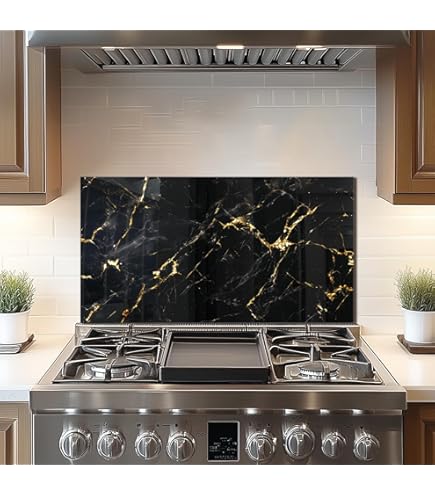
Glass inserts offer a modern, glossy finish that instantly upgrades your kitchen’s look. They come in clear, frosted, or colored options, allowing you to customize the brightness and mood.
Installing glass over tiles requires precision but results in a smooth, seamless surface that’s easy to clean. You can even place decorative elements or LED lighting behind the glass for a stunning effect.
Could glass inserts be the stylish focal point your kitchen needs? They blend practicality with elegance, making your walls both functional and eye-catching.
Cost And Budget Considerations
Covering kitchen tiles can refresh your space without the hassle of a full remodel. However, your choices will largely depend on your budget and how much you're willing to spend. Understanding cost factors upfront helps you pick the best option that fits your financial plan and style goals.
Affordable Options
If you’re on a tight budget, there are plenty of wallet-friendly ways to cover kitchen tiles. Peel-and-stick vinyl tiles or decals offer a quick, inexpensive facelift. These are easy to apply and remove, making them perfect for renters or those testing new looks.
Paint is another low-cost choice. Special tile paint can give your backsplash a fresh color without replacing tiles. You’ll need proper prep work like cleaning and priming, but it’s a budget-friendly way to transform your kitchen.
High-end Solutions
Higher-end options bring durability and style but come with a bigger price tag. Natural stone veneers or glass tile overlays add luxury and depth, making your kitchen stand out. These materials often require professional installation, which can increase costs.
Custom cabinetry or backlit glass panels are other premium ideas that cover tiles entirely. While expensive, they can increase your home’s value and last for years. Ask yourself if the investment matches your long-term plans for the space.
Diy Vs Professional Help
Doing it yourself saves money but demands time and skill. If you enjoy hands-on projects, covering your tiles with peel-and-stick options or painting can be manageable on your own. Remember, mistakes can be costly if you lack experience.
Hiring a professional ensures a polished finish, especially for complex or high-end materials. Pros can handle prep work, precise cuts, and secure installations that last. Consider how much time you have, your confidence level, and the complexity of the job when deciding.
What’s your budget comfort zone, and how much effort are you ready to invest? Balancing cost with your desired outcome will guide you to the best way to cover your kitchen tiles.
Maintenance And Cleaning Tips
Maintaining and cleaning covers for kitchen tiles keeps your space fresh and appealing. Proper care extends the life of the cover and protects the tiles underneath. Knowing the right cleaning methods helps avoid damage and preserves beauty.
Caring For Different Covers
Each cover type needs unique care. Vinyl and peel-and-stick covers clean easily with mild soap and water. Fabric or mesh covers may require gentle vacuuming or spot cleaning. Avoid harsh chemicals that can fade or damage surfaces.
Preventing Damage
- Use soft cloths or sponges to clean covers.
- Avoid abrasive scrubbers that scratch surfaces.
- Keep heat sources away from plastic or vinyl covers.
- Do not use bleach or strong detergents.
- Handle covers gently during cleaning and installation.
Regular Upkeep
Clean covers regularly to prevent dirt buildup. Wipe spills immediately to avoid stains. Check covers for peeling or wear and replace if needed. Routine care keeps the kitchen looking neat and tidy.
Credit: crystelmontenegrohome.com
Frequently Asked Questions
What Materials Can I Use To Cover Kitchen Tiles?
You can use peel-and-stick vinyl, tile paint, or tile stickers to cover kitchen tiles. These options are affordable and easy to apply. They offer a quick way to refresh your kitchen without removing old tiles.
Is Tile Paint A Good Option For Kitchen Tiles?
Yes, tile paint is a durable and cost-effective solution. It adheres well to tiles and can withstand kitchen moisture. Proper surface preparation ensures long-lasting results, making it ideal for updating tiled areas.
Can Peel-and-stick Tiles Be Applied Over Existing Kitchen Tiles?
Peel-and-stick tiles work great over clean, smooth kitchen tiles. They are easy to install and removable without damage. This option offers a stylish update without the mess of re-tiling.
How Long Does Covering Kitchen Tiles Usually Last?
The lifespan depends on the material used. Tile paint can last 5-10 years with proper care. Peel-and-stick tiles may last 3-7 years, depending on quality and kitchen traffic.
Conclusion
Covering kitchen tiles can change the room’s look quickly. Paint, peel-and-stick tiles, or vinyl sheets work well. Each option fits different styles and budgets. Choose what feels right for your space and skill. Small changes make a big difference in kitchens.
Try one method and see how it brightens the room. Simple updates keep your kitchen fresh and inviting. Ready to refresh your kitchen tiles? Now you know some easy ways to start.