
Can I Go to the Kitchen If I Have Covid? If you have Covid, you might be wondering, "Can I go to the kitchen?" It’s a simple question, but the answer matters a lot for your health and the safety of those around you.
You want to eat, stay nourished, and feel better, but you also don’t want to risk spreading the virus. This article will help you understand when it’s safe to visit the kitchen and how to do it without putting anyone in danger.
Keep reading to learn the smart steps you can take right now.
Risks Of Entering The Kitchen With Covid
Entering the kitchen while you have Covid carries several risks that you need to consider carefully. The kitchen is often a shared space where multiple people touch surfaces and handle food. This increases the chance of spreading the virus to others in your household or contaminating items that others will use.
How Covid Spreads In Shared Spaces
Covid mainly spreads through respiratory droplets when you cough, sneeze, or even talk. In a kitchen, the air can become a medium for these droplets, especially if ventilation is poor.
Think about how often you breathe close to others in the kitchen or touch shared items like fridge handles and utensils. Each interaction is a potential opportunity to pass the virus on.
Have you noticed how quickly germs spread in busy kitchens? Even brief moments inside can increase risk if you're not wearing a mask or keeping distance.
Contamination Risks On Surfaces
Surfaces in the kitchen can harbor the virus for hours or even days. Handles, countertops, and appliances are touched frequently, making them hotspots for contamination.
If you prepare food or touch items without washing your hands thoroughly, you could transfer the virus to these surfaces. This puts others at risk when they use the kitchen after you.
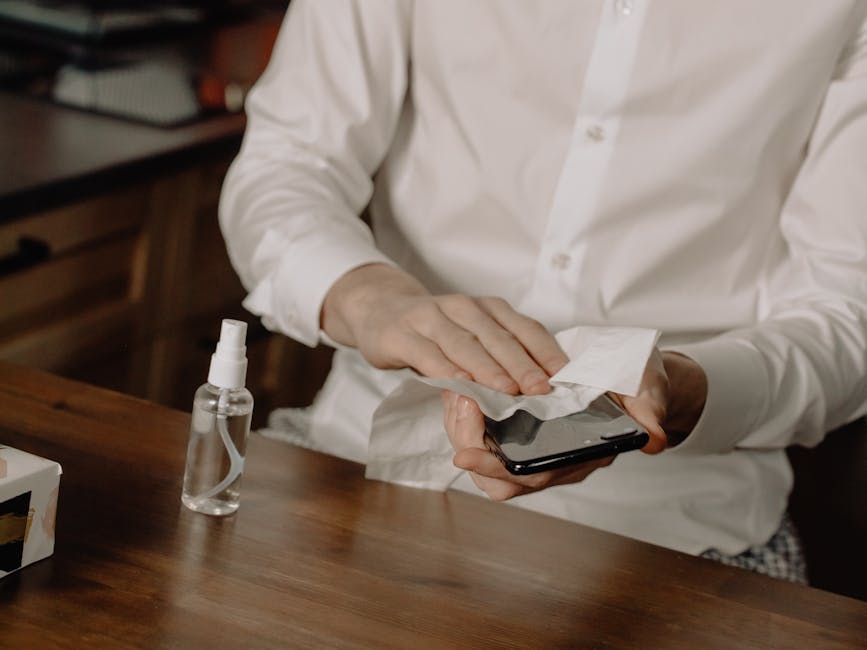
- Use disinfectants to wipe down surfaces regularly.
- Wash your hands before and after handling food or kitchen tools.
- Avoid sharing utensils or dishes while you are sick.
Have you considered how many surfaces you touch without thinking? Taking simple steps can drastically reduce the risk for everyone in your home.

Credit: www.politico.com
Preparing The Kitchen For Safe Use
Preparing the kitchen for safe use is vital when someone has Covid. The kitchen is a place where many surfaces get touched. This increases the risk of spreading the virus.
Taking steps to clean and organize the kitchen helps keep everyone safer. It reduces chances of contamination and protects family members.
Cleaning And Disinfecting Surfaces
Start by cleaning all kitchen surfaces with soap and water. Focus on counters, handles, and appliance buttons. After cleaning, use a disinfectant approved for viruses. Follow the instructions on the label carefully.
Use disposable cloths or clean towels for wiping. Avoid sharing sponges to prevent germs from spreading. Clean the sink and faucet areas often. Pay special attention to high-touch spots like light switches.
Setting Up Isolation Zones
Create a separate area in the kitchen for the person with Covid. Use a single counter space and keep it clear of others. Store their dishes, utensils, and food separately.
Mark the isolation zone with tape or signs to remind others. Limit movement in and out of this area. Use separate trash bins if possible. This helps contain the virus and protects other family members.
Personal Protection Measures
Personal protection measures are essential when moving around the kitchen with Covid. These steps reduce the risk of spreading the virus to others. Simple actions can keep you and your family safer during meal preparation and cleanup.
Wearing Masks And Gloves
Wearing a mask helps block virus droplets from spreading. Choose a mask that fits snugly over your nose and mouth. Replace the mask if it becomes damp or dirty.
Gloves provide a barrier between your hands and surfaces. Use disposable gloves when handling food or kitchen tools. Change gloves often, especially after touching your face or other objects.
Hand Hygiene Practices
Wash your hands thoroughly with soap and water for at least 20 seconds. This removes germs and reduces infection risk. Use hand sanitizer with at least 60% alcohol if soap is not available.
- Wash hands before and after touching food.
- Clean hands after removing gloves.
- Dry hands with a clean towel or paper towel.
Credit: www.goodrx.com
Safe Food Handling During Covid
People with Covid should avoid going to the kitchen to prevent spreading the virus. Use disposable gloves and clean surfaces often if handling food is necessary. Safe food handling protects others from infection during illness.
Safe food handling is crucial during Covid. Being careful in the kitchen helps protect others. This includes avoiding cross-contamination and ensuring proper food storage and preparation.
Avoiding Cross-contamination
Cross-contamination can spread germs. Always wash hands with soap for 20 seconds before touching food. Use separate cutting boards for raw meat and vegetables. Clean utensils and surfaces after use. This keeps harmful bacteria from spreading. Disinfect kitchen surfaces regularly. Keep raw and cooked foods apart.
Proper Food Storage And Preparation
Proper food storage prevents spoilage and illness. Store perishable items in the fridge. Keep the fridge temperature below 40°F. Use airtight containers for leftovers. Cook food to the right temperature. Check with a food thermometer. This ensures food is safe to eat. Keep a clean kitchen environment. This reduces the risk of germs.
Minimizing Contact With Others
Minimizing contact with others is crucial when you have COVID. It helps reduce the risk of spreading the virus within your household. Staying cautious in shared spaces like the kitchen can make a big difference in keeping everyone safe.
Using Separate Utensils And Appliances
Always use your own plates, cups, and utensils when preparing or eating food. Avoid sharing appliances like toasters, microwaves, or coffee makers without cleaning them thoroughly first.
Label your items or keep them in a designated area to prevent confusion. This small step can protect your family and remind you to stay careful.
Communicating With Household Members
Clear communication with those you live with is key. Let them know your schedule and when you’ll be in the kitchen to avoid accidental close contact.
Consider setting specific times for cooking or eating to reduce overlap. Ask others to keep distance and wear masks if they must be nearby.
When To Avoid The Kitchen Completely
Knowing when to avoid the kitchen completely during a Covid infection is important. It protects your health and helps stop the virus from spreading. If symptoms are strong or moving is hard, staying away from the kitchen is best. This keeps you safe and gives your body time to heal.
Severity Of Symptoms And Mobility Issues
Severe symptoms like high fever, weakness, or difficulty breathing make kitchen visits risky. Moving around can become dangerous and tiring. Avoid the kitchen if you feel dizzy or very tired. This helps prevent falls and accidents. Rest is more important than cooking in these moments.
Alternative Meal Arrangements
Choose easy meal options that need little or no cooking. Ask family members or friends to bring food to your room. Use delivery services for meals or groceries. Keep snacks and drinks within reach to reduce trips to the kitchen. These steps help you eat well without risking your health.

Credit: pentadocs.com
Frequently Asked Questions
Can I Enter The Kitchen If I Have Covid?
Yes, you can enter the kitchen if necessary. Wear a mask, wash hands often, and avoid close contact with others. Keep surfaces clean to reduce virus spread.
How To Safely Prepare Food With Covid?
Wash hands thoroughly before and after handling food. Wear a mask and disinfect kitchen surfaces regularly. Avoid sharing utensils and keep distance from others while cooking.
Should I Use Separate Utensils If Covid Positive?
Yes, use separate utensils, dishes, and towels to prevent spreading the virus to others. Clean them thoroughly after each use.
Can Covid Spread Through Kitchen Surfaces?
Covid can spread through contaminated surfaces. Clean and disinfect kitchen counters, handles, and appliances frequently to reduce infection risk.
Conclusion
Going to the kitchen while having Covid needs care and caution. Stay away from others to avoid spreading the virus. Clean your hands and surfaces often. Use a mask if you must leave your room. Rest and drink plenty of fluids.
Remember, your health and others’ safety matter most. Small steps help stop the virus. Take it slow and stay safe.