
Can You Use Oven Cleaner on Kitchen Countertops? Are you wondering if oven cleaner is safe to use on your kitchen countertops? It’s a common question because oven cleaners are powerful and designed to tackle tough grease and grime.
But before you spray that bottle on your counters, you need to know what could happen to your surfaces. Using the wrong cleaner might damage your countertops or leave harmful residues behind. Keep reading to discover the truth about oven cleaner and find out the safest way to keep your kitchen spotless and your counters looking great.

Credit: www.reddit.com
Oven Cleaner Ingredients
Understanding the ingredients in oven cleaners is crucial before you consider using them on your kitchen countertops. These products contain powerful chemicals designed to break down tough grease and burnt residues inside ovens. But what happens when these chemicals come into contact with different countertop materials? Knowing the ingredients helps you decide if it’s safe or if you risk damaging your surfaces.
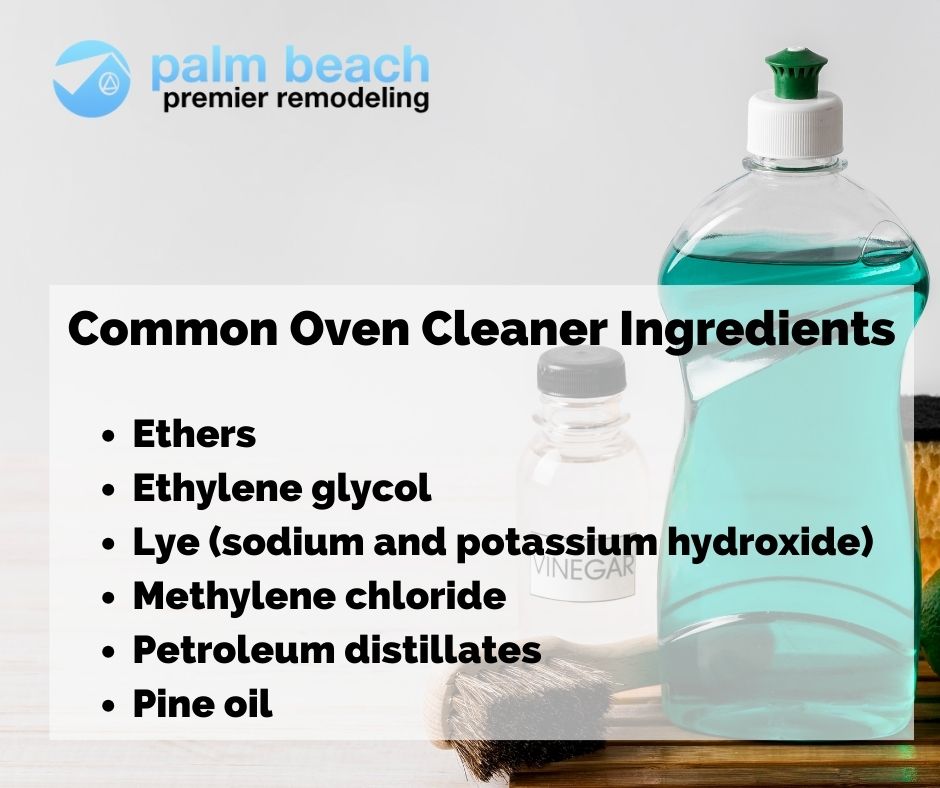
Common Chemicals In Oven Cleaners
- Sodium Hydroxide (Caustic Soda):This is the main active ingredient in many oven cleaners. It dissolves grease and burnt food by breaking down proteins and fats.
- Potassium Hydroxide:Similar to sodium hydroxide, it’s a strong alkaline agent that helps remove tough stains and residues.
- Surfactants:These help the cleaner spread evenly and lift dirt from surfaces.
- Organic solvents:Sometimes included to dissolve oily residues more effectively.
- Fragrances and dyes:Added to mask the harsh chemical smell and improve product appearance.
These chemicals are strong and effective, but they can be harsh on many materials. It’s important to know how they interact with your countertop.
How These Chemicals React With Surfaces
Oven cleaners are designed for metal and enamel surfaces inside ovens, which can withstand strong alkaline substances. But kitchen countertops are often made from materials like granite, marble, laminate, or quartz, which react differently.
Alkaline ingredients like sodium hydroxide can etch or discolor natural stone surfaces.For example, marble and granite might lose their shine or develop dull spots after contact. Laminate countertops may swell or peel when exposed to these harsh chemicals.
Have you ever noticed a strange discoloration or rough patch on your countertop after using a cleaner? That’s likely a chemical reaction damaging the surface. Using oven cleaner risks permanent damage to your countertops, so it’s best to check the product label or test a small hidden area first.
Countertop Materials
Kitchen countertops come in many materials, each with unique care needs. Choosing the right cleaner depends on the surface type. Oven cleaner is strong and can damage some countertops. Knowing your material helps protect your kitchen surfaces from harm.
Granite And Marble
Granite and marble are natural stones that need gentle care. Oven cleaner can eat away at their sealant and cause dull spots. Use a pH-neutral cleaner made for stone instead. Avoid harsh chemicals to keep their shine and strength.
Laminate And Wood
Laminate and wood countertops are more sensitive to strong cleaners. Oven cleaner may strip laminate’s protective layer and damage wood’s finish. Wood can also absorb chemicals, leading to stains and warping. Mild soap and water work best for these surfaces.
Quartz And Solid Surfaces
Quartz and solid surfaces are engineered for durability but still need safe cleaning. Oven cleaner’s harsh ingredients can cause discoloration and surface damage. Use a soft cloth with warm water and gentle detergent to maintain their look. Avoid abrasive or acidic cleaners.
Effects Of Oven Cleaner On Countertops
Oven cleaner contains strong chemicals made to clean tough oven grime. Using it on kitchen countertops can cause unwanted effects. These effects vary by countertop material and cleaner strength. Knowing these impacts helps protect your surfaces.
Potential Damage And Stains
Oven cleaner can cause discoloration on many countertop types. Porous materials like granite or marble may absorb chemicals. This leads to permanent stains or dull spots. Some countertops have protective coatings that oven cleaner can strip away. This damage leaves the surface more vulnerable to future stains.
Plastic and laminate countertops are also at risk. Oven cleaner can melt or warp their surface. This causes unsightly marks and rough textures. Always avoid harsh chemicals on these materials to maintain their look.
Chemical Reactions And Surface Erosion
The strong alkaline agents in oven cleaner can react with countertop surfaces. Stone countertops may undergo chemical changes that weaken their structure. This results in surface erosion, making them rough and uneven.
Metal elements in some countertops can corrode from these chemicals. The reaction can cause pitting and rust spots. These damages reduce the lifespan of the countertop and require costly repairs.
Safe Cleaning Alternatives
Choosing the right cleaning method for your kitchen countertops can be tricky. Using oven cleaner on them might seem like a quick solution, but it can cause more harm than good. Instead, consider safer alternatives that not only protect your surfaces but also provide a sparkling clean finish.
Recommended Cleaners For Different Materials
Different countertop materials require specific care. For granite, using a mild dish soap mixed with warm water is effective. Avoid acidic cleaners as they can damage the stone. On the other hand, laminate countertops can be cleaned with a mixture of vinegar and water, but be sure to dry them immediately to prevent warping.
If you have wooden countertops, gently wipe them with a damp cloth and a small amount of gentle soap. Ensure they are thoroughly dried to maintain their finish. Stainless steel counters benefit from a simple mix of water and baking soda to avoid streaks and scratches.
Diy Natural Cleaning Solutions
Why not try making your own cleaning solutions at home? A simple blend of baking soda and lemon juice works wonders on stubborn stains and provides a fresh scent. Baking soda is abrasive enough to tackle grime without scratching your surfaces.
For a natural disinfectant, combine equal parts of vinegar and water in a spray bottle. This solution is excellent for daily cleaning and is safe for most surfaces. Just remember to rinse well with water to remove any lingering vinegar smell.
Have you ever tried using essential oils in your cleaning routine? A few drops of tea tree oil in your cleaning mix can add antibacterial properties and a pleasant aroma. Test a small area first to ensure it doesn’t affect your countertop material.
Taking a few extra steps to use safe cleaning alternatives can make a big difference in maintaining the beauty and longevity of your kitchen countertops. What safe cleaning solutions do you swear by in your home?
Emergency Steps After Oven Cleaner Contact
Accidentally getting oven cleaner on your kitchen countertops can be alarming. These cleaners are strong and can damage surfaces quickly. Knowing what to do immediately can save your countertop from lasting harm and reduce health risks.
Immediate Actions To Take
First, wipe off the oven cleaner carefully using a damp cloth or paper towel. Avoid rubbing, as this can spread the cleaner further across the surface. Then, rinse the area thoroughly with plenty of water to dilute any remaining residue.
Make sure to ventilate the kitchen well by opening windows or turning on exhaust fans. If you feel any irritation on your skin or eyes, rinse the affected area with cool water right away. Wearing gloves during cleanup protects your hands from harsh chemicals.
Long-term Care Tips
After the initial cleanup, assess the countertop for any discoloration or damage. Some materials like granite or laminate may require special care products to restore their finish. You might want to apply a gentle surface polish or conditioner designed for your countertop type.
Keep an eye on the treated area over the next few days. Does the surface look dull or rough? If so, consult with a professional cleaner or consider refinishing options. Regular sealing of natural stone countertops can also prevent future damage from harsh chemicals.

Credit: www.reddit.com
Preventing Countertop Damage
Preventing countertop damage is crucial if you want your kitchen surfaces to stay beautiful and functional for years. Using harsh chemicals like oven cleaner can cause lasting harm, so it’s important to understand how to care for your countertops properly. Simple habits and protective measures can save you from costly repairs or replacements.
Proper Cleaning Habits
Cleaning your countertops regularly with mild soap and warm water is the safest approach. Avoid abrasive scrubbers or strong chemicals that can strip the surface or cause discoloration. Instead, use a soft cloth or sponge to gently wipe down the area.
Have you ever noticed stubborn stains that just won’t come off? Instead of reaching for heavy-duty cleaners immediately, try a paste made from baking soda and water. Apply it gently and rinse thoroughly to protect your countertop’s finish.
Using Protective Barriers
Placing cutting boards and trivets between hot pots or sharp knives and your countertop prevents scratches and heat damage. These simple barriers are a small step that can make a big difference over time.
Consider investing in protective mats or pads if you often prepare food directly on your counters. They are especially useful for delicate surfaces like marble or laminate. Would you be willing to add a little extra protection now to avoid costly repairs later?
Credit: pbphomerepair.com
Frequently Asked Questions
Can Oven Cleaner Damage Kitchen Countertops?
Yes, oven cleaner can damage many countertop materials. It contains harsh chemicals that may discolor or etch surfaces like granite, marble, and laminate. Always check your countertop type before use and consider safer alternatives for cleaning.
Is Oven Cleaner Safe For Granite Countertops?
No, oven cleaner is not safe for granite countertops. Its strong chemicals can erode the stone’s surface and strip its protective sealant. Use granite-specific cleaners to maintain your countertop’s integrity and appearance.
What Are Safer Alternatives To Oven Cleaner For Counters?
Mild dish soap, baking soda paste, or vinegar solutions are safer alternatives. These options clean effectively without harming countertop surfaces. Always test a small area first to ensure compatibility with your countertop material.
Can Oven Cleaner Remove Tough Stains On Countertops?
Oven cleaner may remove tough stains but risks damaging the countertop. It’s best to use products designed for your specific countertop type to avoid permanent damage while effectively cleaning stains.
Conclusion
Oven cleaner can harm many kitchen countertops. It often contains strong chemicals that damage surfaces. Using it may cause stains or dull finishes. Always check your countertop material first. Safer cleaners made for countertops work best. Protect your kitchen by choosing the right products.
Clean gently to keep counters looking new. Remember, not all cleaners suit every surface. Careful cleaning keeps your kitchen safe and fresh.