
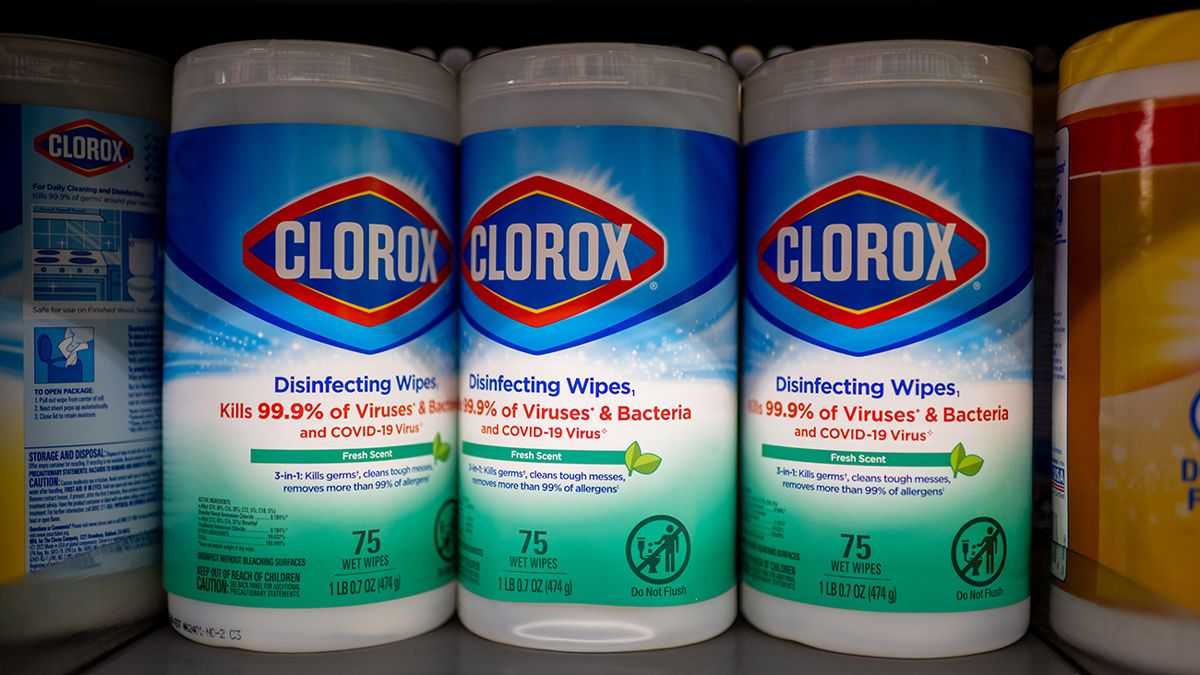
You want your kitchen to be clean and safe, especially the countertops where you prepare your food. But are Clorox wipes really safe to use on these surfaces?
You might be worried about chemicals, damage, or leftover residue. This article will clear up the confusion and help you make the best choice for your kitchen. Keep reading to find out how to protect your countertops while keeping your home germ-free.
Credit: www.grangecoop.com
Clorox Wipes Ingredients
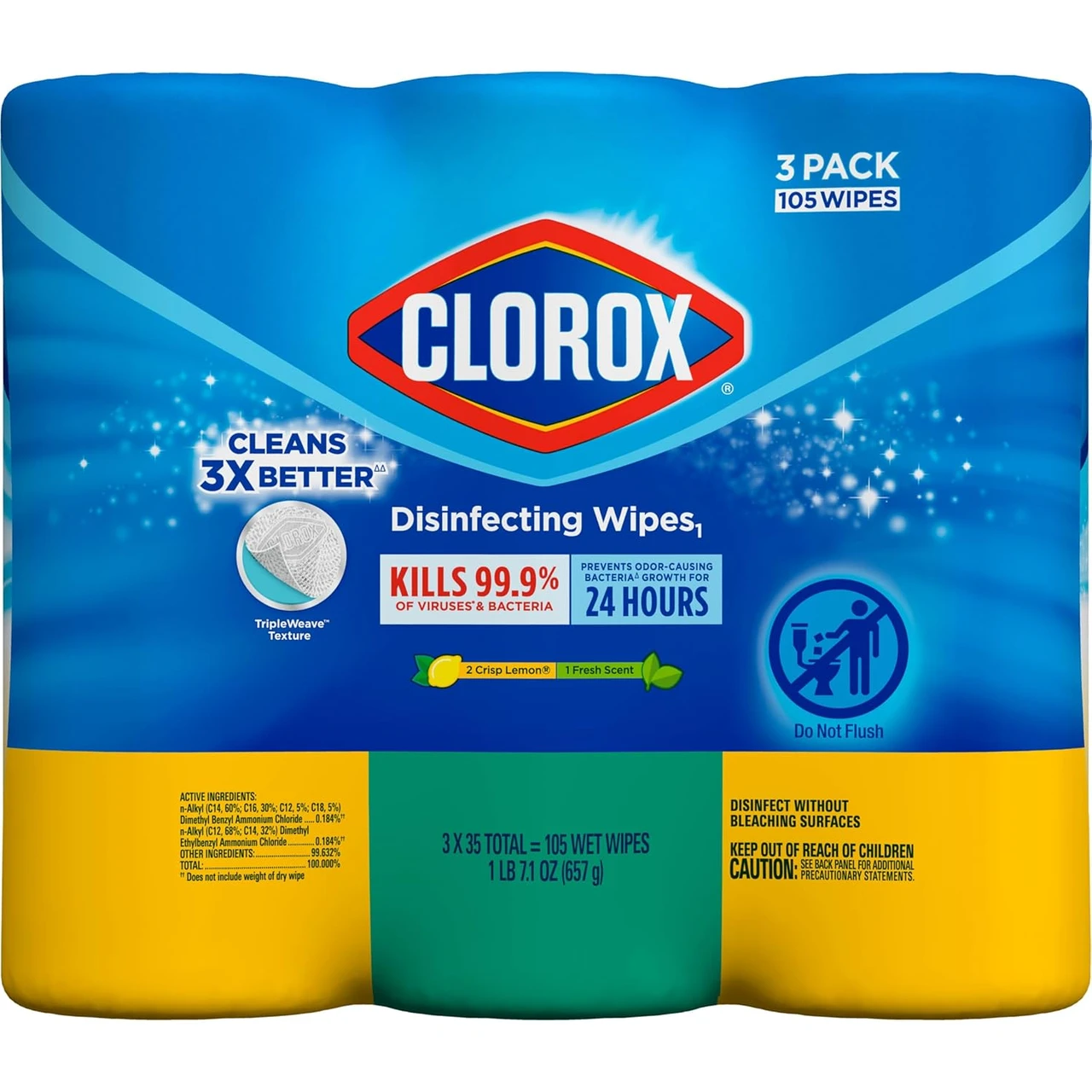
Clorox Wipes contain several ingredients designed to clean and disinfect surfaces. Understanding these ingredients helps assess their safety on kitchen countertops. Some chemicals actively kill germs, while others may cause irritation. Knowing what’s inside can guide safe use and proper handling.
Active Chemicals
Clorox Wipes use powerful agents to kill bacteria and viruses. The main active ingredient is sodium hypochlorite, a type of bleach. It destroys germs quickly but can be harsh on some surfaces. Other ingredients include:
- Alkyl dimethyl benzyl ammonium chloride – a disinfectant that targets bacteria.
- Surfactants – help remove dirt and oils from surfaces.
- Water – acts as a carrier for the chemicals.
These chemicals work together to clean thoroughly and disinfect effectively.
Potential Irritants
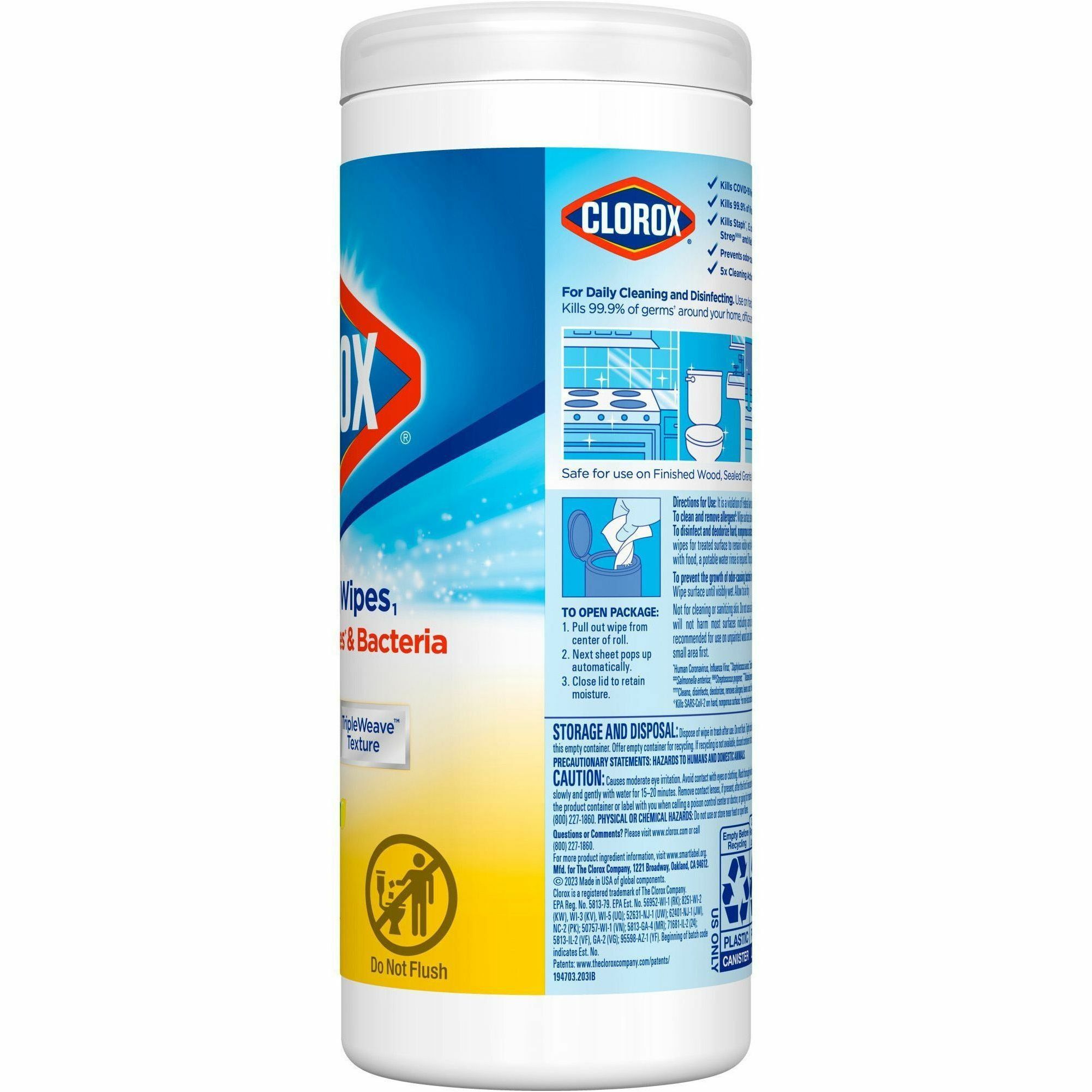
Some ingredients in Clorox Wipes may irritate skin or eyes. Sodium hypochlorite can cause redness or burning if it contacts skin for long. Fragrances and preservatives can also trigger allergies or sensitivities in some people.
Using gloves and ensuring good ventilation reduces irritation risk. Wiping surfaces with water after disinfecting can protect delicate countertop materials. Always follow label instructions for safe use.
Credit: www.aslegal.com
Compatibility With Countertop Materials
Clorox wipes are popular for quick cleaning. Understanding their compatibility with different countertop materials is important. Some materials react differently to cleaning products. Choosing the right wipe protects your surfaces and keeps them looking new.
Granite And Marble
Granite and marble are natural stones. They have a polished surface but can be sensitive. Clorox wipes may contain ingredients that dull their shine. Acidic cleaners can etch the stone’s surface. Use wipes sparingly and avoid heavy scrubbing. Always test on a small area first. For deep cleaning, use stone-specific cleaners.
Quartz Surfaces
Quartz is engineered stone and more durable. Clorox wipes are generally safe for quartz. They do not harm the resin or quartz particles. Wipes remove bacteria and light stains well. Avoid using abrasive tools with the wipes. Rinse the surface if residue is left behind. Regular cleaning with wipes keeps quartz surfaces fresh.
Laminate And Wood
Laminate counters have a protective layer. Clorox wipes work well on laminate without damage. Wood countertops need more care. Wipes can dry out wood or remove finish. Use wipes only for spot cleaning on wood. Dry wood thoroughly after cleaning. For full cleaning, choose wood-friendly products to protect the surface.
Effectiveness Against Kitchen Germs
Keeping kitchen countertops clean is vital for a healthy home. Germs can spread fast in food preparation areas. Clorox wipes offer a quick way to remove many harmful microbes. Their effectiveness depends on the type of germs present.
Common Kitchen Bacteria
Kitchen surfaces often harbor bacteria like Salmonella, E. coli, and Staphylococcus. These bacteria cause food poisoning and infections. Clorox wipes contain disinfectants that kill most common bacteria quickly. Wiping countertops with these wipes reduces bacterial presence effectively. Regular use helps maintain a safer kitchen environment.
Virus And Mold Protection
Viruses such as the flu and cold can live on kitchen surfaces. Mold can grow in damp areas and cause allergies. Clorox wipes target many viruses, reducing their spread. They also help prevent mold growth by cleaning moisture and spores. This makes them a practical choice for virus and mold control in kitchens.
Safety Precautions
Clorox wipes can clean kitchen countertops safely if used correctly. Always test on a small area first to avoid damage. Avoid using on unsealed or delicate surfaces to prevent discoloration.
Ensuring your kitchen countertops remain safe and clean when using Clorox wipes is crucial. While these wipes are convenient and effective, understanding the necessary safety precautions can help you avoid unintended consequences. Let's dive into the best practices to make sure your cleaning routine is both safe and efficient.
Proper Usage Tips
Use Clorox wipes on non-porous surfaces to prevent moisture damage. If your countertops are made of granite, marble, or any other porous material, they may absorb the chemicals. This can lead to discoloration or even surface damage over time. Always read the product label to understand its specific instructions. Keep in mind that not all Clorox wipes are created equal. Some are formulated for specific uses, so ensure you're using the right type for your kitchen surfaces.
Ventilation And Skin Contact
Ensure your kitchen is well-ventilated when using Clorox wipes. Open windows or switch on a fan to help dissipate any lingering fumes. This not only protects your lungs but also keeps your kitchen smelling fresh. Avoid prolonged skin contact with the wipes. While they are not immediately harmful, frequent exposure can lead to skin irritation. Consider wearing gloves if you plan to use them often. Have you ever felt a tingle on your skin after cleaning? That's a sign to consider protective measures. By following these safety measures, you'll maintain a clean and healthy kitchen environment without compromising your countertops or your health.
Alternatives To Clorox Wipes
Choosing the right cleaner for kitchen countertops matters for safety and hygiene. Clorox wipes are common but not the only option. Alternatives offer different benefits. Some are gentler, others more natural. Exploring these can help keep your kitchen clean without worry.
Natural Cleaners
Natural cleaners use simple ingredients. They avoid harsh chemicals. Vinegar and water mix works well for many surfaces. Lemon juice adds freshness and cleaning power. Baking soda is a gentle scrubber. These options reduce chemical exposure in your kitchen. They are safe for most countertops, including granite and marble.
- Mix equal parts vinegar and water in a spray bottle.
- Sprinkle baking soda on stains, then scrub gently.
- Use lemon juice to remove hard water spots.
Other Disinfecting Wipes
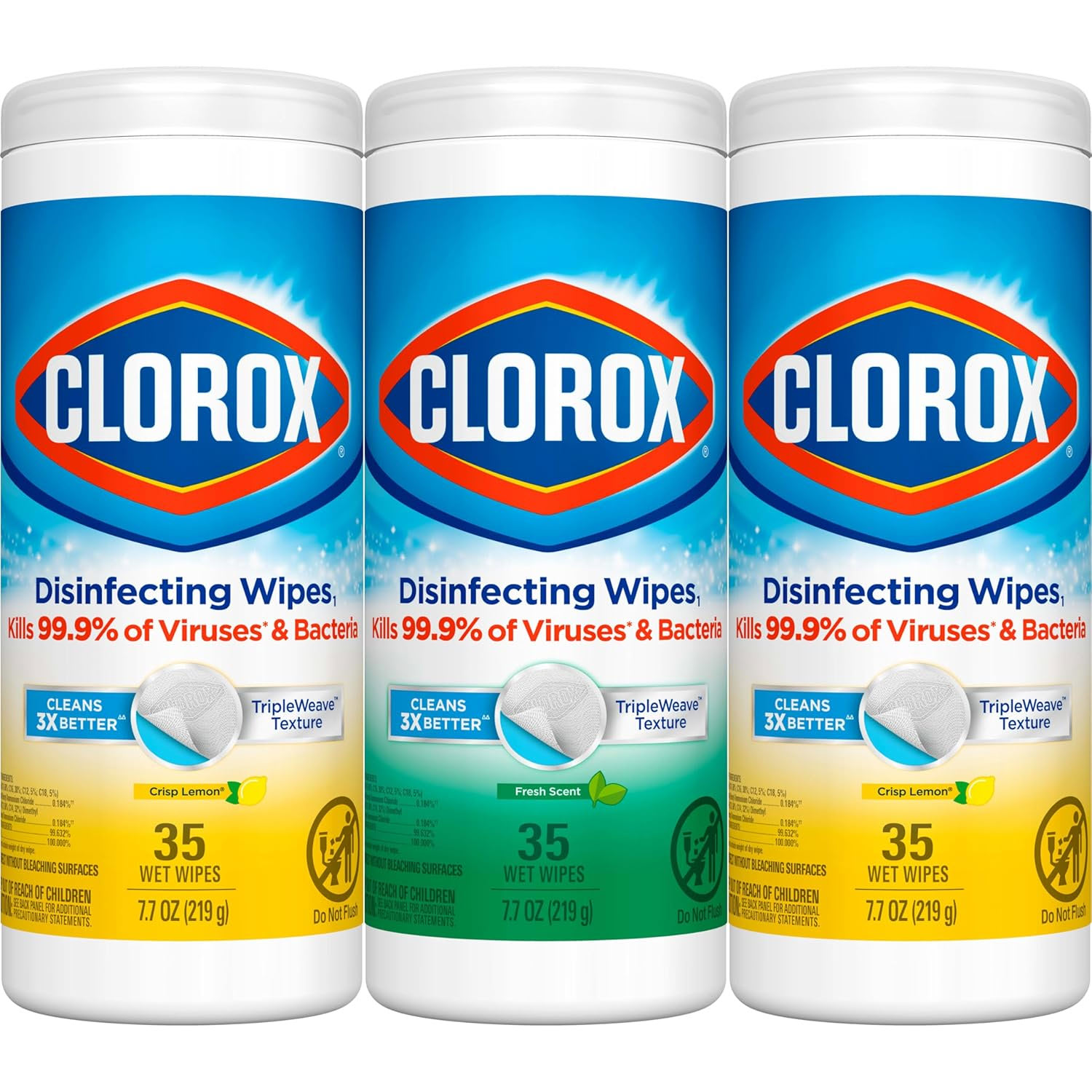
Not all disinfecting wipes are the same. Some brands use fewer chemicals and are designed for sensitive surfaces. Look for wipes labeled safe for kitchen use. They often contain plant-based ingredients. These wipes kill germs without damaging your countertops. Always check the label to ensure compatibility with your countertop type.
- Choose wipes with natural disinfectants like thymol or citric acid.
- Test a small area before regular use.
- Use wipes that are fragrance-free if you prefer milder scents.
Credit: www.grangecoop.com
Expert Recommendations
Experts agree that Clorox wipes can be safe for kitchen countertops if used properly. The key lies in understanding how often to clean and how to maintain the surface afterward. Your countertop's material plays a big role in determining the best approach.
Cleaning Frequency
Using Clorox wipes too often might wear down your countertop's finish, especially on sensitive surfaces like natural stone or wood. Many professionals suggest wiping down high-touch areas daily, but deep cleaning with disinfectants like Clorox wipes only a few times a week.
Think about your kitchen habits. Do you prepare raw meat or handle fresh produce regularly? In those cases, more frequent disinfecting makes sense. Otherwise, gentle cleaning with soap and water might be enough most days.
Best Practices For Longevity
- Test first:Always try the wipe on a small hidden spot before cleaning the entire surface.
- Avoid prolonged contact:Don’t let the wipe sit wet on the countertop for too long; wipe it dry afterward.
- Use sparingly:Don’t overuse disinfecting wipes—alternate with mild cleaners to protect the surface.
- Check materials:Avoid Clorox wipes on unsealed granite or marble, as the chemicals can etch the stone.
One user shared they ruined their butcher block countertop by wiping it down daily with disinfecting wipes. After switching to a mix of warm water and mild dish soap, their counter stayed safe and clean. Would you risk your countertop’s finish for quick disinfecting? Balancing cleanliness and care is worth the effort.
Frequently Asked Questions
Are Clorox Wipes Safe For All Kitchen Countertops?
Clorox Wipes are safe for most non-porous surfaces like granite and laminate. Avoid using them on unsealed stone or delicate materials to prevent damage.
Can Clorox Wipes Damage Kitchen Countertop Finishes?
Using Clorox Wipes occasionally won’t harm sealed countertops. Frequent use on sensitive surfaces may cause dullness or discoloration over time.
How To Use Clorox Wipes Safely On Countertops?
Wipe gently and avoid excessive scrubbing. Rinse the surface with water after disinfecting to remove residue and keep the countertop safe.
Do Clorox Wipes Kill Germs On Kitchen Surfaces?
Yes, Clorox Wipes effectively kill 99. 9% of bacteria and viruses on kitchen countertops, ensuring a hygienic cooking area.
Conclusion
Clorox wipes can clean kitchen countertops safely if used correctly. Always check the surface type before wiping. Avoid using them on delicate materials like wood or granite. Wipe gently and do not leave residue behind. Rinse the surface with water after cleaning.
This keeps your countertop safe and free from chemicals. Regular cleaning helps stop germs and bacteria. Choose the right cleaning product for your countertop’s material. Stay safe and keep your kitchen clean every day. Simple steps make a big difference in home hygiene.