
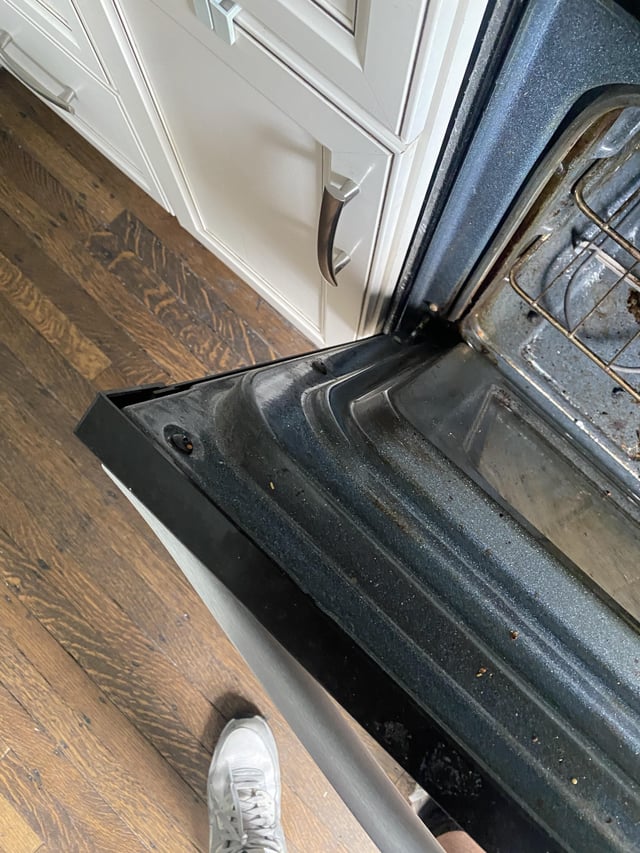
Have you ever wondered if your kitchen oven door can be taken off? Whether you’re trying to clean hard-to-reach spots, fix a stubborn hinge, or simply want to make your oven easier to use, knowing how and when to remove the door can save you time and frustration.
But is it safe? And is it something you can do yourself? Keep reading to find out everything you need to know about taking off your oven door, step by step. Your kitchen tasks might just get a whole lot easier.
Credit: www.familyhandyman.com
Reasons To Remove Oven Door
Removing your kitchen oven door might seem like an unusual task, but it actually serves several important purposes. Whether you want to keep your oven spotless, fix a problem, or upgrade your appliance, taking off the door can make the job easier and more effective. Let’s look at the main reasons why you might want to remove your oven door.
Cleaning Purposes
Oven doors can get greasy and dirty, especially around the edges and the glass. Removing the door lets you access hard-to-reach spots that are impossible to clean properly otherwise.
Have you ever tried scrubbing through the narrow gap between the oven frame and the door? It’s frustrating and rarely gets the job done. Taking the door off gives you full access to clean both sides thoroughly, making your oven look and smell fresh again.
Repair And Maintenance
Sometimes, the oven door itself can have issues like broken hinges, faulty glass, or sealing problems. Removing the door allows you to inspect and repair these parts safely without risking damage to the rest of the oven.
If your oven isn’t heating properly, a loose or damaged door seal could be the cause. Taking off the door helps you check the seal and replace it if needed, improving your oven’s efficiency and saving energy.
Upgrading Or Replacement
Thinking about upgrading your oven or replacing a damaged door? Removing the old door is the first step to installing a new one. It’s often easier and safer to handle the door separately rather than trying to move the entire oven.
Replacing just the door can be a cost-effective way to give your oven a fresh look or fix minor damages without buying a new appliance. Have you considered whether a new door could make your oven feel brand new again?
Types Of Oven Doors
Oven doors come in different styles, each designed for specific kitchen setups and user preferences. Knowing the type of door your oven has can help you decide if and how it can be removed safely. It also makes maintenance tasks like cleaning or repairs easier and less intimidating.
Drop-down Doors
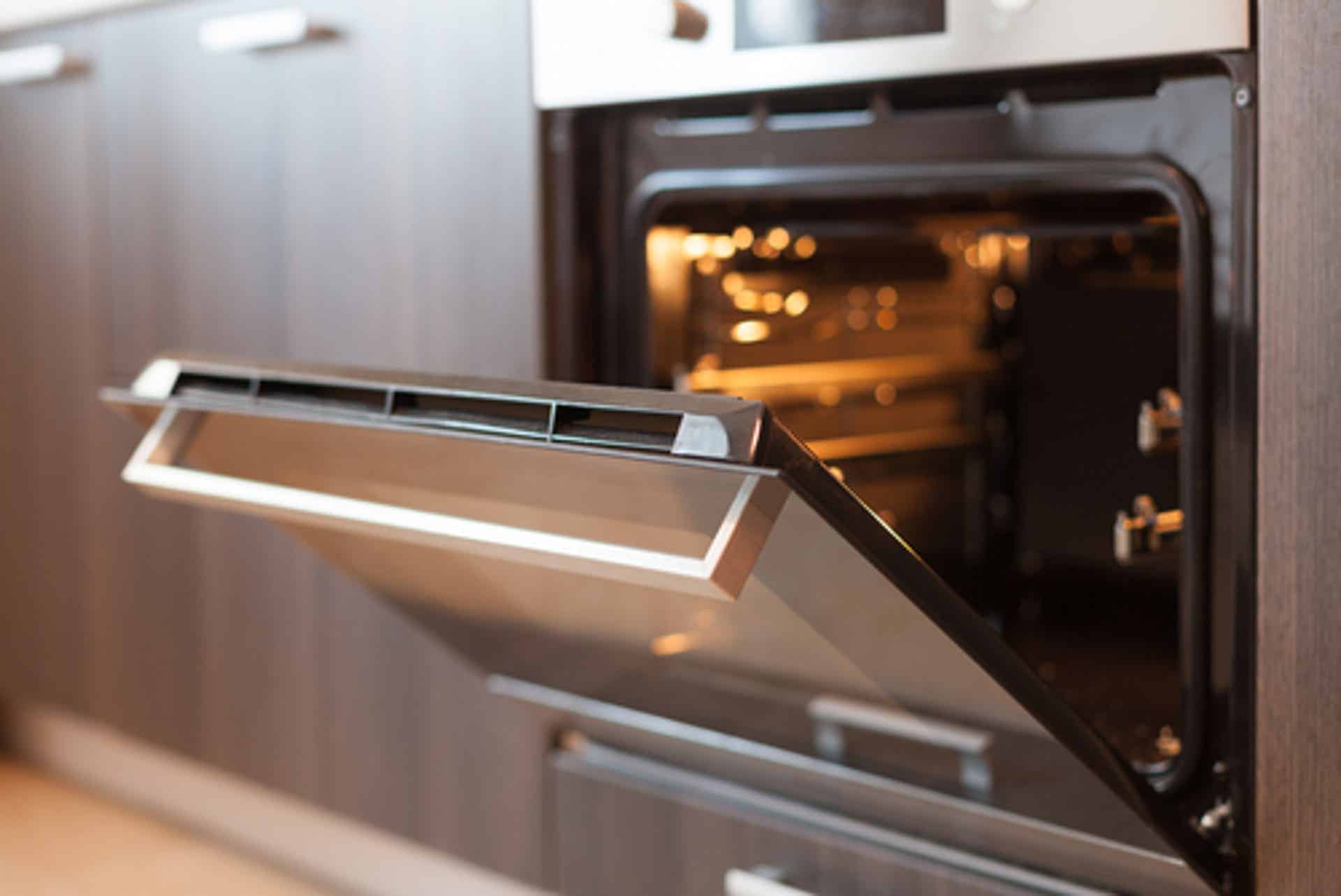
Drop-down doors are the most common in home ovens. They hinge at the bottom and open downward, creating a flat surface in front of the oven. This design makes it easy to slide heavy dishes in and out.
Removing a drop-down door usually involves lifting it off the hinges after opening it fully. You might find small latches or screws that need to be undone first. Knowing this helps prevent damage and keeps the door mechanism intact.
Side-hinged Doors
Side-hinged doors open like a regular door, swinging to the left or right. These are less common but preferred in some professional kitchens for easier access. They give you a clear view of the oven interior without leaning over it.
Taking off a side-hinged door often requires unscrewing the hinges or releasing a latch. If you have one, check the manufacturer's guide or look for visible screws along the hinge side. This type can be heavier, so having a helper is a good idea.
Slide-out Doors
Slide-out doors move horizontally, sliding under the oven cavity when opened. They save space and are great for tight kitchens where a swinging door could get in the way. This style is less common but growing in popularity.
Removing a slide-out door might be trickier because of the tracks and rollers involved. You usually need to lift the door slightly to unhook it from the rails. Understanding this can save you frustration and avoid damage to the sliding mechanism.
Tools Needed For Removal
Removing a kitchen oven door requires some basic and specialized tools. Having the right tools makes the process smoother and safer. It helps avoid damage to the door or oven. Prepare all tools before starting the removal. This saves time and prevents frustration.
Basic Household Tools
- Screwdriver (usually Phillips or flathead)
- Work gloves to protect your hands
- A soft cloth or towel to place the door on
- Flashlight for better visibility
- Small container to hold screws and small parts
Specialized Equipment
- Oven door hinge tool (for some models)
- Nut driver for stubborn fasteners
- Putty knife or flat pry tool to loosen seals
- Adjustable wrench for bolts
- Magnetic tray to keep screws from getting lost
Credit: www.servpro.com
Step-by-step Removal Process
Removing a kitchen oven door involves unlocking the hinges carefully. Lift the door gently to detach it without causing damage. This simple process makes cleaning or repairs easier.
When faced with the task of removing your kitchen oven door, you might wonder if it’s a complicated process. The good news is, with a few simple steps, you can safely remove the oven door for cleaning or repair. Following a step-by-step removal process ensures you handle the door without damage or injury.
Prepare The Oven
Begin by ensuring your oven is completely cool. This simple step prevents burns and gives you a clear view of the door mechanics. Safety first: disconnect the oven from its power source to avoid any electrical mishaps. Clear the area around your oven. This gives you ample room to maneuver and prevents tripping hazards.
Locate And Release Hinges
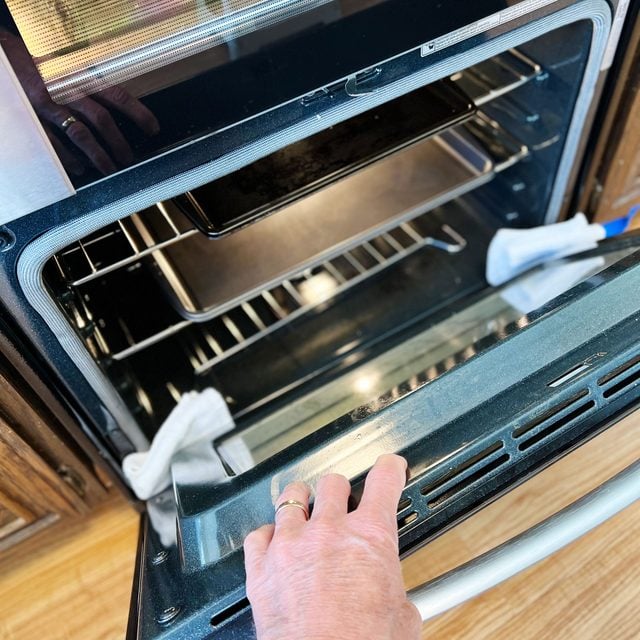
Open the oven door fully to expose the hinges. Most oven doors have hinge locks—these are small metal pieces that secure the door to the frame. Using a flat-head screwdriver, gently push these hinge locks towards the oven, releasing the door from its secure position. If your oven model differs, consult the manual or look for online videos specific to your oven brand for additional guidance.
Lift And Remove The Door Safely
Once the hinges are unlocked, slowly close the door until it is halfway shut. At this angle, the door should easily lift away from the oven. Grasp the sides of the door firmly. Be cautious: oven doors can be heavier than they appear. If needed, ask for assistance. After removing the door, place it on a flat, protected surface to prevent scratches or damage. Are you planning to clean those hard-to-reach spots? With the door out of the way, now’s the perfect time. Remember, reattaching the door follows the reverse order of these steps. Enjoy the ease of working with a door-free oven!
Safety Tips During Removal
Removing a kitchen oven door requires care and attention. Safety must be a top priority to avoid accidents and damage. Follow these safety tips to protect yourself and your oven during removal.
Avoiding Burns
Make sure the oven is completely cool before starting. Hot surfaces can cause serious burns. Wear heat-resistant gloves for extra protection. Avoid touching the metal parts directly. Keep children and pets away from the area during removal.
Handling Glass Panels
Oven doors often have glass panels that can break easily. Handle the door gently and avoid sudden movements. Use both hands to support the door evenly. Place the door on a soft, flat surface to prevent cracks. Do not lean the door against hard or sharp objects.
Preventing Door Damage
Check the hinges and screws before removal. Use the correct tools to avoid stripping screws. Keep all parts organized for easy reassembly. Avoid dropping or hitting the door against walls or floors. Take your time to prevent unnecessary force or damage.
Common Issues And Troubleshooting
Removing and handling a kitchen oven door can sometimes lead to unexpected challenges. Understanding common issues and how to troubleshoot them can save you time and frustration. Let’s look at some typical problems you might face and how to deal with them effectively.
Stuck Or Tight Hinges
Oven doors often become hard to remove because the hinges get stuck or too tight. This usually happens due to dirt buildup, rust, or lack of lubrication.
You can try gently tapping the hinges with a rubber mallet to loosen them. Applying a small amount of cooking oil or a lubricant designed for appliances can also help free up the hinges. Be cautious not to use too much oil, as it might drip into other parts of the oven.
Damaged Door Components
Sometimes the problem isn’t the hinges but damaged parts like the door seal, glass, or screws. A cracked glass panel or a broken hinge can make the door unsafe or difficult to remove.
If you notice any visible damage, it’s best to replace the faulty parts before attempting to remove the door again. Ignoring this can cause further damage or even injury. Check your oven’s manual or manufacturer’s website for the correct replacement parts.
Reattaching The Door
Once you’ve removed the door, putting it back correctly is crucial for safety and performance. Align the hinges carefully with the slots on the oven frame and push the door firmly into place.
Some oven models have hinge locks or clips that secure the door—make sure these are engaged. Double-check that the door opens and closes smoothly without gaps. If it feels loose or uneven, adjust the hinges before using the oven again.
When To Seek Professional Help
Sometimes, removing an oven door is not a simple DIY task. Some problems need expert care to avoid damage or injury. Knowing when to call a professional saves time and ensures safety.
Professionals have the right tools and skills to handle tricky oven doors. They can fix broken hinges, misaligned doors, or electrical issues safely. Avoid risking harm by trying complex repairs alone.
Signs Of A Broken Or Damaged Oven Door
Cracks, broken glass, or loose hinges need expert attention. A damaged door may not seal properly, affecting cooking and safety. Professionals can replace parts or the entire door correctly.
Difficulty Removing The Oven Door
Stuck or jammed doors often require special tools. Forcing the door can cause more damage. A technician can remove it without harming the oven or yourself.
Electrical Or Mechanical Issues
Some ovens have electrical components in the door. Faulty wiring or sensors should be handled by a professional. This prevents electrical shocks and ensures the oven works well.
Warranty And Safety Concerns
Opening the oven door improperly may void the warranty. Professionals know how to keep your warranty intact. They follow safety guidelines to protect you and your home.

Credit: www.youtube.com
Frequently Asked Questions
Can I Remove A Kitchen Oven Door For Cleaning?
Yes, many oven doors can be removed for deep cleaning. Check your oven manual for specific instructions and safety precautions.
How Do I Take Off A Kitchen Oven Door?
Typically, open the door fully, locate hinges, and lift or unclip the door carefully. Refer to your oven’s manual.
Is It Safe To Remove An Oven Door By Myself?
Yes, if you follow the manufacturer's instructions carefully. Always ensure the oven is off and cool before removal.
Why Would Someone Remove An Oven Door?
Removing the door helps with thorough cleaning, repairs, or replacing damaged parts. It also improves access to the oven interior.
Conclusion
Removing a kitchen oven door is possible and can help with cleaning or repairs. It takes only a few simple steps and some care. Always check your oven’s manual for specific instructions. Make sure the oven is cool before starting.
Handle the door gently to avoid damage. Taking off the door can make your work easier and safer. Keep these tips in mind for a smooth process. Now, you know how to remove an oven door confidently and safely.