
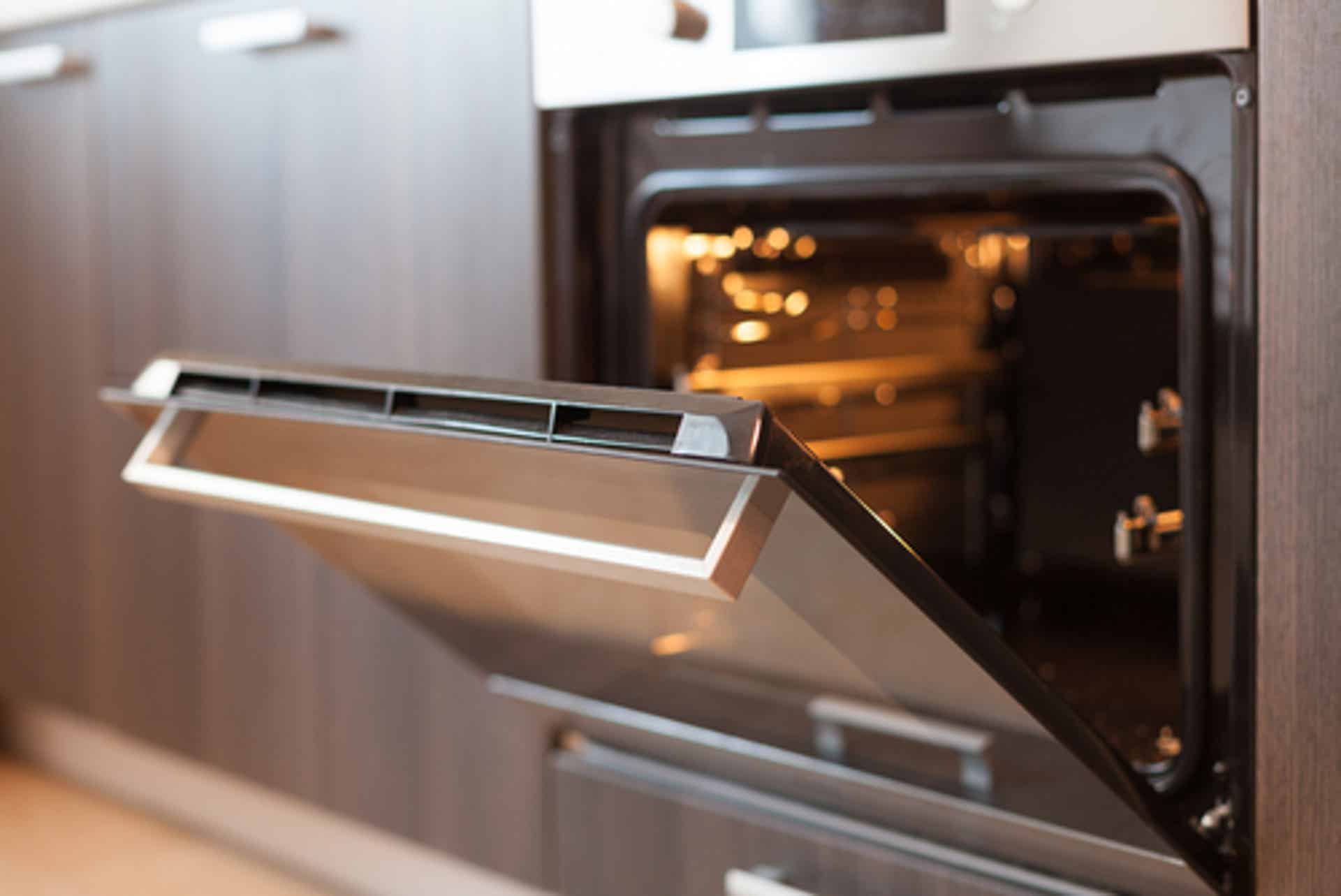
Have you ever wondered if turning on your oven could warm up your kitchen? When the cold sneaks in, it’s tempting to use every tool at your disposal to stay cozy.
But is your oven a good way to heat the room, or could it cause problems you haven’t thought about? If you want to know the truth behind this common question, keep reading. By the end, you’ll understand how your oven affects your kitchen’s temperature—and what’s really safe and smart for keeping warm.
Oven Heat Output
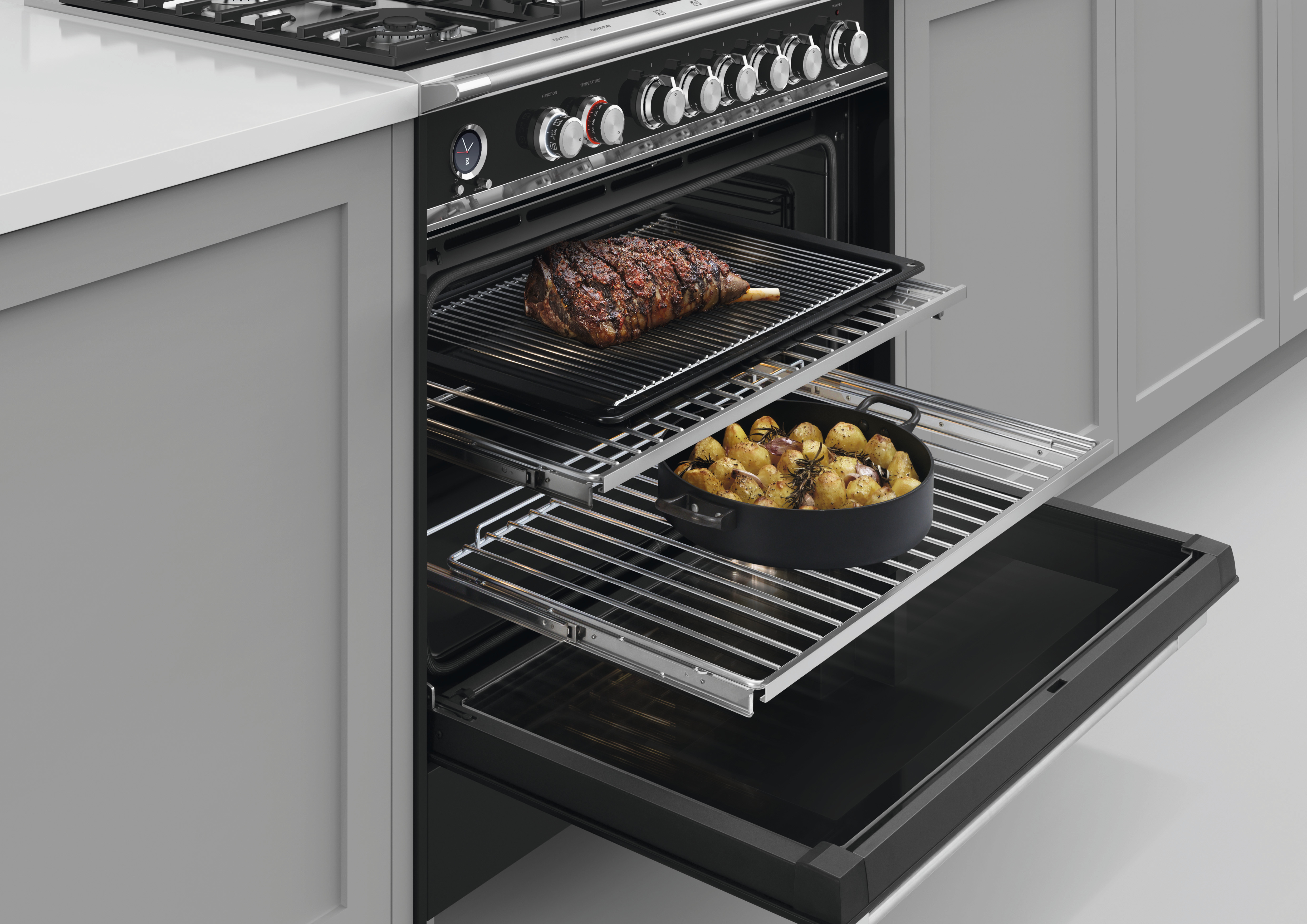
Understanding the oven heat output is essential if you're thinking about using your oven to warm up your kitchen. While ovens are designed to cook food efficiently, they also emit a significant amount of heat into the surrounding space. But how much heat does an oven really produce, and does that heat spread evenly throughout your kitchen?
How Much Heat Does An Oven Produce
Most household ovens typically generate between 2,000 and 5,000 watts of heat when turned on. This amount of heat can raise the temperature inside the oven to around 350-500°F (175-260°C), which is quite hot. However, the heat that escapes into your kitchen depends on how well your oven is insulated and how long it runs.
While this might sound like a good source of warmth, ovens are designed to keep heat inside to cook food efficiently. Only a small portion of the heat leaks out, which might warm your kitchen slightly but not enough to replace a dedicated heating system. Have you ever noticed your oven door getting warm? That’s the heat escaping, but it’s usually minimal.
Factors Affecting Oven Heat Distribution
Several factors influence how heat from your oven spreads around your kitchen:
- Oven insulation:Well-insulated ovens trap most of the heat inside, limiting warmth in the kitchen.
- Kitchen size:Larger kitchens require more heat to feel warmer, and oven heat can get lost quickly in open spaces.
- Ventilation and airflow:Good airflow can help distribute heat, but strong kitchen vents may also pull warm air away.
- Oven door position:Leaving the oven door open increases heat output but can be unsafe and waste energy.
Think about your own kitchen setup—do you have a small, enclosed kitchen or a large open plan? This can make a big difference in how effective your oven heat might be at warming the space.
Credit: www.rangecookers.co.uk
Heating Efficiency
Heating efficiency matters when using an oven to warm your kitchen. Ovens are designed to cook food, not to heat rooms. This affects how well they use energy to produce warmth. Understanding heating efficiency helps decide if the oven is a smart choice to heat the kitchen.
Energy Consumption Compared To Heaters
Ovens use a lot of electricity or gas to cook food quickly. Using an oven to heat a room consumes more energy than a space heater. Space heaters are built to convert energy into heat efficiently. They use less power and warm up spaces faster. Running an oven for heat can increase your utility bills significantly.
Heat Retention In Kitchen Spaces
Kitchens often have poor heat retention. Hard surfaces like tiles and countertops absorb heat quickly. Heat from the oven escapes through vents and open doors. This means the warmth does not stay long in the kitchen. Unlike heaters, ovens do not distribute heat evenly. The kitchen may feel warm near the oven but cold elsewhere.
Safety Considerations
Heating your kitchen by turning on the oven might seem easy and quick. Safety considerations must guide this choice. Ovens are designed for cooking, not heating spaces. Misuse can lead to hazards and health risks. Understanding these dangers helps protect your home and family.
Risks Of Leaving Oven On Unattended
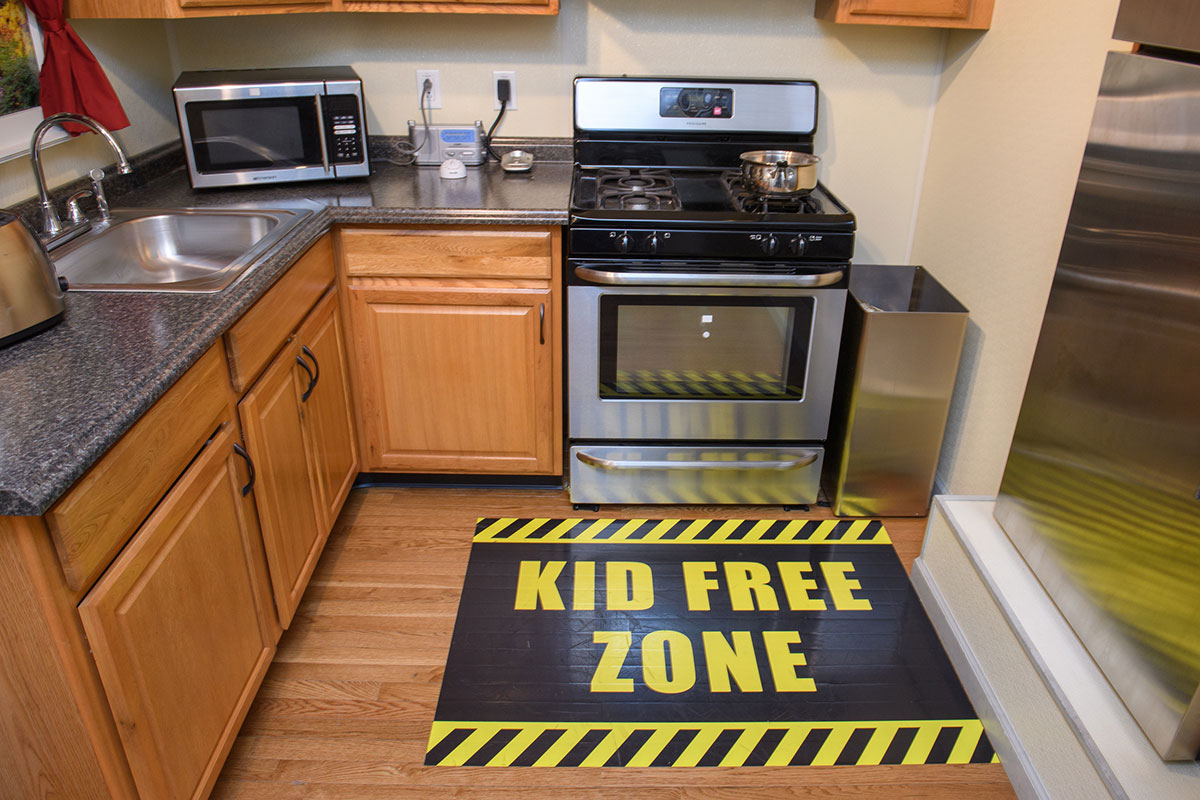
Leaving the oven on without supervision can cause serious problems. The oven can overheat, creating fire hazards. Flammable items near the oven increase this risk. Electrical faults may also cause sparks or short circuits. These risks make unattended ovens unsafe for heating rooms.
Gas ovens pose extra danger. Gas leaks can start fires or explosions. Always monitor the oven if it is on for long periods. Never leave children or pets near a running oven.
Ventilation And Carbon Monoxide Concerns
Proper ventilation is crucial when using a gas oven. Burning gas produces carbon monoxide, a colorless and odorless gas. It can cause headaches, dizziness, or worse health effects. Poor ventilation traps this gas inside your home.
Electric ovens do not produce carbon monoxide but still need good airflow. This prevents overheating and reduces humidity buildup. Open windows or use exhaust fans to keep air moving. Avoid using the oven as a heater in small, closed spaces.
Credit: www.calgary.ca
Smart Heating Alternatives
Turning on the oven can warm the kitchen but uses a lot of energy. It’s not the safest or most efficient heating method. Smart heating options offer better warmth and save power.
Heating your kitchen by simply turning on the oven might seem like a quick fix. However, it’s not the most efficient or safe solution. There are smarter alternatives that can keep you warm without compromising safety or energy bills. Let's explore some practical options that offer warmth and efficiency.
Using Space Heaters Safely
Space heaters can be a great way to warm up specific areas in your home, including the kitchen. They are portable and can be moved to wherever warmth is needed. However, safety is paramount when using space heaters. - Keep a safe distance: Ensure the heater is at least three feet away from any flammable materials. - Watch the wattage: Opt for energy-efficient models to avoid skyrocketing electricity bills. - Stay vigilant: Never leave a space heater unattended, especially in a room with pets or children. Have you ever noticed how quickly a room can heat up with a space heater? It's a convenient tool, but always prioritize safety to prevent accidents.
Programmable Thermostats And Smart Controls
Programmable thermostats offer a modern approach to home heating. They allow you to set specific temperatures for different times of the day, ensuring warmth when you need it most. - Save energy: By lowering the temperature when you're not home, you can significantly cut down on energy costs. - Increase comfort: Schedule the thermostat to warm your kitchen before you wake up, ensuring a cozy start to your day. - Smart features: Many smart thermostats can be controlled via smartphone, offering flexibility and control from anywhere. Imagine waking up to a perfectly warm kitchen without lifting a finger. With programmable thermostats, this dream is a reality, making them a smart alternative to turning on the oven for heat. By considering these options, you can enjoy a warm kitchen while maintaining safety and efficiency. Which solution will you try first?
Maximizing Kitchen Warmth
Maximizing warmth in the kitchen makes the space more cozy and comfortable. Small changes help keep heat inside and reduce cold drafts. Using the oven and other cooking heat adds to the room’s temperature naturally. These ideas help make the kitchen warm without extra heating costs.
Sealing Drafts And Insulating Windows
Cold air sneaks in through cracks and gaps around windows and doors. Sealing these drafts stops the chill and keeps warmth trapped inside. Use weather stripping or caulk to close small openings.
- Check window frames for gaps
- Apply foam tape or silicone sealant
- Use heavy curtains or thermal blinds at night
- Cover single-pane windows with plastic film for insulation
These simple steps block cold air and save energy. The kitchen stays warmer without extra effort.
Utilizing Heat From Cooking Activities
Cooking creates heat that can warm the kitchen naturally. The oven, stove, and hot water add warmth to the air. Keep the oven door open briefly after cooking to let heat spread.
- Cook multiple dishes at once to use oven heat efficiently
- Leave the oven door slightly open after baking
- Use the stove’s residual heat by turning off early
- Boil water or simmer soups to add moisture and warmth
These habits make the kitchen warmer without extra energy bills. Using cooking heat wisely helps keep the room cozy.
Credit: www.maytag.com
Cost Implications
Heating your kitchen by turning on the oven might seem like a quick fix during chilly days. But have you thought about what this means for your energy bill? Understanding the cost implications helps you decide if this practice is truly worth it.
Comparing Oven Use Vs Heating Systems
Ovens are designed for cooking, not heating large spaces. They consume a high amount of electricity or gas in a short period. Meanwhile, heating systems are built to warm your home efficiently over time.
To put it in perspective, running an oven for an hour can use roughly 2 to 5 kWh of energy. Central heating systems often use less energy per hour to heat the entire house effectively. So, using the oven as a heater may spike your energy costs quickly.
| Appliance | Average Energy Consumption (kWh/hour) | Purpose | Cost Efficiency for Heating |
|---|---|---|---|
| Oven | 2 - 5 | Cooking | Low |
| Electric Heater | 1 - 2 | Heating | High |
| Central Heating | Varies, generally 1 - 3 | Heating | High |
Have you noticed how your kitchen feels warm when the oven is on, but your energy bill jumps after? That’s because ovens waste a lot of heat energy by design.
Long-term Energy Savings Tips
Instead of relying on your oven, consider investing in energy-efficient space heaters. They use less power and heat rooms faster.
Seal gaps around doors and windows to keep heat inside. This reduces the need to turn on any heating appliance frequently.
- Use thermal curtains during cold months.
- Layer your clothing to stay warm indoors.
- Set your thermostat to an optimal temperature and avoid overheating.
I once tried heating my kitchen with the oven for a week. The energy bill was noticeably higher, and the warmth was uneven. Switching to a small electric heater and sealing windows cut my heating costs by almost 20% the next month.
What small changes can you make today to save on heating without sacrificing comfort? Your wallet will thank you.
Frequently Asked Questions
Can You Heat A Kitchen By Using The Oven?
Yes, the oven produces heat that can warm the kitchen. However, it’s inefficient and costly compared to heaters. It’s meant for cooking, not heating rooms.
Is It Safe To Use The Oven For Heating?
Using the oven to heat a kitchen is generally unsafe. It risks carbon monoxide buildup and fire hazards. Always ensure proper ventilation if you try it briefly.
How Long Does The Oven Heat The Kitchen Effectively?
The oven can raise kitchen temperature in about 10-15 minutes. But it won’t maintain heat efficiently and wastes energy over time.
What Are Better Alternatives To Heat A Kitchen?
Space heaters, central heating, or portable electric heaters are safer and more efficient. They provide controlled warmth without safety risks or high energy costs.
Conclusion
Using the oven to heat your kitchen works but is not the best choice. It can warm the space a bit but uses a lot of energy. The oven also creates heat unevenly and can be unsafe if left on too long.
A heater or proper insulation will do a better job. Think about safety and cost before turning on the oven just to warm the room. Small warmth is possible, but there are smarter ways to heat your kitchen.