
If you have Covid, you probably wonder, "Can I still use the kitchen?" Your health and the safety of those around you matter most right now.
But avoiding the kitchen completely might feel overwhelming, especially when you need to eat or prepare meals. You’ll discover simple, practical tips that help you use the kitchen safely without putting anyone at risk. Keep reading to learn how to protect yourself and others while managing daily life during Covid.
Credit: abcnews.go.com
Risk Of Using Kitchen With Covid
Using a shared kitchen while you have Covid carries real risks. The virus can linger on surfaces and spread through the air, putting others at risk even if you feel okay. Understanding these risks helps you make safer choices and protect everyone in your household.
How Covid Spreads In Shared Spaces
Covid spreads mainly through respiratory droplets when you cough, talk, or breathe. In a kitchen, these droplets can float in the air or settle on surfaces. Poor ventilation makes it easier for the virus to hang around longer, increasing the chance that others breathe it in.
Shared spaces like kitchens often have close contact and multiple people touching the same items. This creates an environment where the virus can move quickly from one person to another without much effort. Have you ever noticed how many times you touch the fridge handle or the microwave buttons in a short visit?
Common Kitchen Contamination Points
- Door handles and cabinet knobs:Everyone touches these, making them prime spots for germs.
- Appliance buttons and touchscreens:Microwaves, coffee makers, and dishwashers are often used by several people.
- Countertops and cutting boards:Food prep areas can get contaminated if you cough or sneeze nearby.
- Sink faucets and soap dispensers:Frequent handwashing means these spots get touched constantly.
- Shared utensils and dishware:Using the same items without proper cleaning spreads the virus easily.
Thinking about these common points, ask yourself: how often do you clean these surfaces if someone in your home is sick? Taking simple steps like wiping down handles regularly and using personal utensils can reduce the risk significantly.
Preparing The Kitchen For Safe Use
Preparing the kitchen for safe use during a Covid infection is crucial. It helps stop the virus from spreading to others. Careful cleaning and good airflow make the kitchen safer. Everyone in the home stays healthier with these simple steps.
Cleaning And Disinfecting Surfaces
Clean all kitchen surfaces before and after use. Use soap and water to remove dirt and grease. Then, apply a disinfectant that kills viruses. Focus on areas like counters, handles, and appliance buttons. Use disposable cloths or clean towels each time. Wash hands thoroughly after cleaning. Avoid sharing kitchen tools or utensils during illness.
Ventilation And Airflow Tips
Open windows to let fresh air in. Turn on exhaust fans to remove stale air. Keep doors open if possible to increase airflow. Use a small fan to help air move around. Avoid crowded spaces by limiting time spent in the kitchen. Better airflow lowers the chance of airborne virus particles.
Personal Hygiene In The Kitchen
Keeping personal hygiene in the kitchen is crucial if you have Covid. The kitchen is a common area where germs can easily spread, especially when handling food. Protecting yourself and others means paying close attention to how you wash your hands and whether you use masks or gloves.
Hand Washing Techniques
Washing your hands properly is the first line of defense against spreading the virus in the kitchen. Use warm water and soap, scrubbing every part of your hands for at least 20 seconds. Don't forget the backs of your hands, between your fingers, and under your nails.
Try humming a short song to keep time—this helps you avoid rushing. After washing, dry your hands with a clean towel or disposable paper. Have you noticed how often you touch your face? Clean hands reduce the risk of transferring the virus to your mouth or eyes.
Wearing Masks And Gloves
Wearing a mask in the kitchen limits the spread of droplets when you talk, cough, or breathe. Choose a mask that fits snugly over your nose and mouth without gaps. Change your mask if it becomes damp or soiled to keep it effective.
Gloves can add an extra layer of protection, but they’re only helpful if you use them correctly. Avoid touching your face while wearing gloves and change them frequently, especially after handling raw foods. Remember, gloves are not a substitute for hand washing—they work best together.
Minimizing Contact With Others
Minimizing contact with others is vital when using the kitchen during Covid. It helps reduce the risk of spreading the virus to family members or housemates. Careful planning and simple habits can keep everyone safer.
Sharing the kitchen space requires clear rules. Everyone should know when they can enter and use the kitchen. This avoids crowding and close contact. Clean surfaces and hands before and after using the kitchen.
Scheduling Kitchen Use
Create a kitchen schedule that allows only one person at a time. Set specific times for each person to prepare meals or snacks. Keep these times short to limit exposure.
- Use a shared calendar or note on the fridge.
- Stick to the schedule strictly.
- Wipe down surfaces before leaving the kitchen.
By scheduling, you avoid crossing paths and touching the same items simultaneously. This simple step lowers the chance of spreading germs.
Using Separate Utensils And Appliances
Assign separate utensils and appliances for the person with Covid. This helps prevent virus particles from spreading through shared items.
- Label or store personal items separately.
- Use disposable plates and cups if possible.
- Clean reusable utensils with hot, soapy water immediately after use.
Keep appliances like toasters, kettles, or microwaves dedicated to one person. This reduces the risk of contamination. Always sanitize handles and buttons after use.
Safe Food Handling Practices
Using the kitchen while having Covid requires extra care to avoid spreading the virus. Clean surfaces often and wash hands thoroughly before and after handling food. It’s best to limit kitchen use or have someone else prepare meals if possible.
Safe food handling practices are crucial if you have Covid. They help protect you and others from spreading the virus. Following basic guidelines keeps your kitchen environment safe.
Cooking Temperatures And Food Safety
Cooking food at the right temperature kills germs. Ensure meats reach safe internal temperatures. For poultry, aim for 165°F. Ground meats like beef should hit 160°F. Use a food thermometer for accuracy. This ensures bacteria and viruses are eliminated.
Avoiding Cross-contamination
Prevent cross-contamination by keeping surfaces clean. Use separate cutting boards for raw meat and vegetables. Wash your hands often, especially after touching raw foods. Disinfect kitchen surfaces regularly. Keep raw food away from ready-to-eat items. This simple practice reduces the risk of spreading germs. Following these practices ensures a safer kitchen environment for all.
Credit: www.lysol.com
Cleaning Up After Kitchen Use
Cleaning up after using the kitchen while having Covid is very important. Virus particles can stay on surfaces and spread easily. Taking extra care keeps others safe and stops the virus from spreading in your home.
Focus on cleaning every item and surface you touched. Use strong disinfectants and follow safety steps for waste. This helps keep the kitchen safe for everyone who uses it next.
Disinfecting Utensils And Surfaces
Wash all utensils and dishes with hot water and soap. Use a sponge or cloth dedicated to cleaning kitchen tools. After washing, soak items in a disinfectant solution or use a dishwasher on a hot cycle.
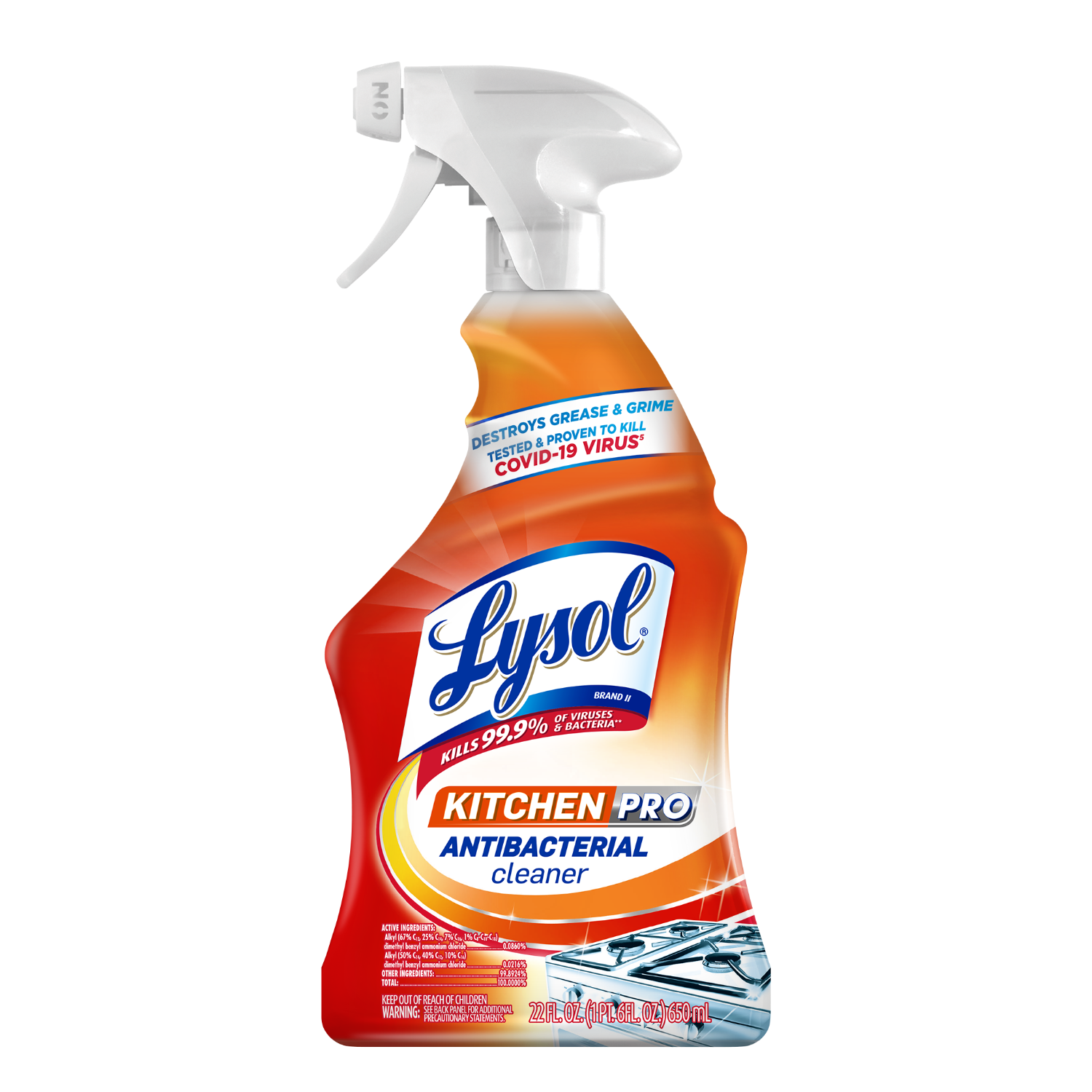
Clean all surfaces you touched including counters, handles, and faucets. Use disinfectant sprays or wipes that kill viruses. Let the surface stay wet for the time listed on the product label. This ensures the virus is killed.
Replace cleaning cloths and sponges often. Use disposable towels if possible. Wash your hands with soap after cleaning to avoid spreading germs.
Proper Waste Disposal
Put all used tissues, paper towels, and disposable gloves in a sealed plastic bag. Tie the bag tightly before putting it in the trash. This prevents virus particles from escaping.
Empty trash bins regularly and clean them with disinfectant. Avoid touching your face or other surfaces during trash handling. Always wash your hands well after taking out the garbage.
Use lined bins and keep lids closed to stop germs from spreading. If possible, keep waste separate from food waste until you can dispose of it safely.
When To Avoid Using The Kitchen
Knowing when to avoid using the kitchen during Covid is important. The kitchen is a common area where germs spread easily. Using it at the wrong time can put others at risk. Careful timing helps keep everyone safe and healthy.
Symptoms Worsening
Avoid the kitchen if your symptoms get worse. Severe coughing, fever, or fatigue mean your body needs rest. Moving around increases the chance of spreading the virus. Staying in bed helps you recover faster and protects others.
Presence Of High-risk Household Members
Do not use the kitchen if you live with high-risk people. Older adults, pregnant women, or those with weak immune systems face serious danger. Sharing the kitchen can spread the virus to them easily. Use separate spaces or ask for help to prepare food.

Credit: www.kidneyfund.org
Frequently Asked Questions
Can I Use The Kitchen If I Have Covid?
Yes, you can use the kitchen with Covid, but take precautions. Wear a mask, wash hands often, and disinfect surfaces after use to prevent virus spread.
How To Safely Share Kitchen During Covid Infection?
Limit kitchen use to one person at a time. Clean and disinfect all surfaces before and after use. Avoid sharing utensils and keep windows open for ventilation.
Is It Safe To Prepare Food While Covid Positive?
Preparing food is safe if you follow hygiene rules. Wash hands thoroughly, wear a mask, and disinfect counters frequently to reduce contamination risks.
Should I Avoid Common Kitchen Items When Infected?
Yes, avoid sharing dishes, utensils, and towels. Use disposable items or dedicated kitchenware for the infected person to minimize virus transmission.
Conclusion
Using the kitchen while having Covid needs careful thought. Keep distance from others to avoid spreading the virus. Clean all surfaces and utensils after use. Wear a mask and wash hands often. Use separate dishes and towels for safety. Rest and eat healthy food to help recovery.
Taking these steps protects your family and friends. Stay safe and listen to your body’s needs. Avoid sharing food or drinks during illness. Small actions make a big difference in stopping Covid.