
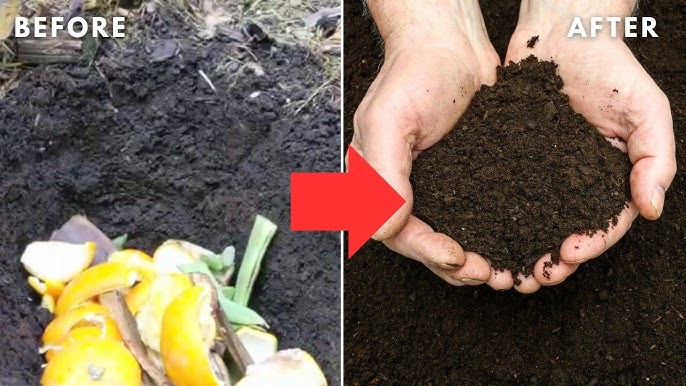
Have you ever wondered what to do with your kitchen scraps instead of tossing them in the trash? What if you could turn those leftovers into something that helps your garden grow?
Burying kitchen scraps in your garden might sound simple, but there’s more to it than just digging a hole. If you want to boost your soil’s health and reduce waste at the same time, understanding the right way to bury your scraps is key.
Keep reading to discover how this easy practice can transform your garden and save you money, while avoiding common mistakes that could harm your plants. Your garden—and the planet—will thank you!
Benefits Of Burying Kitchen Scraps
Burying kitchen scraps in your garden offers several clear benefits that go beyond just waste disposal. This simple practice can transform everyday food leftovers into valuable resources for your plants and soil. Understanding these benefits can help you decide if this method fits your gardening routine.
Improving Soil Health
When you bury kitchen scraps, you add essential nutrients directly into the soil. These nutrients, like nitrogen and phosphorus, feed your plants naturally. Over time, this enriches the soil, making it more fertile and better at retaining moisture.
I once buried vegetable peels and coffee grounds around my tomato plants. Within weeks, the plants looked greener and produced more fruit. This shows how simple scraps can boost your garden’s productivity without chemical fertilizers.
Reducing Waste
Throwing kitchen scraps in the trash means they end up in landfills, creating unnecessary waste. Burying them in your garden cuts down on the amount of garbage you produce. It’s an easy way to minimize your environmental footprint right from your kitchen.
Have you noticed how much food waste piles up each week? Try burying those scraps instead of tossing them. You’ll be surprised at how much less trash you generate.
Encouraging Microbial Activity
Burying scraps feeds the microbes living in your soil. These tiny organisms break down organic matter, making nutrients available to plants. Active microbial life also improves soil structure, helping roots grow stronger and deeper.
In my garden, spots where I buried kitchen scraps had noticeably richer soil texture after a few weeks. It felt softer and more crumbly, showing that the microbes were hard at work. Do you want your soil to support healthier plants? Feeding the microbes is key.
What Kitchen Scraps Can Be Buried
Knowing which kitchen scraps you can bury directly in your garden helps you enrich the soil naturally and reduce waste. Not all scraps are suitable for burial, so choosing the right ones ensures your plants benefit without attracting pests or causing odors. Let’s look at some common kitchen scraps that can safely return to the earth beneath your feet.
Vegetable And Fruit Peels
Vegetable and fruit peels are excellent for burying because they break down quickly and add vital nutrients to the soil. Peels from potatoes, carrots, apples, and bananas work well. Avoid citrus peels in large amounts, as they can make the soil too acidic.
Dig a small hole a few inches deep and bury the peels there. This helps speed up decomposition and keeps pests away. Have you noticed how your tomato plants love the extra boost after adding these scraps?
Coffee Grounds And Tea Bags
Coffee grounds and tea bags are another great addition to your garden soil. They add nitrogen and improve soil structure, making it more fertile. Just make sure the tea bags don’t contain synthetic materials; opt for natural fibers instead.
You can sprinkle coffee grounds around your plants or bury them lightly under the soil surface. These scraps also help deter some common garden pests. Have you tried mixing coffee grounds into your compost pile before?
Eggshells And Bread
Eggshells are rich in calcium, which strengthens plant cell walls and helps prevent diseases like blossom end rot. Crush them before burying to speed up decomposition. Bread, on the other hand, should be used sparingly and buried deeply to avoid attracting rodents.
Eggshells make a great soil amendment for tomatoes and peppers. If you decide to add bread, mix it well with other scraps to balance moisture and avoid mold. What’s your experience with using eggshells in your garden?
Scraps To Avoid Burying
Not all kitchen scraps are safe for burying in your garden. Some materials can attract pests, cause odors, or harm your plants. Knowing which scraps to avoid helps keep your garden healthy and clean.
Certain scraps break down poorly and create problems underground. Avoiding these items ensures your soil stays nutrient-rich and pest-free.
Meat And Dairy Products
Meat and dairy spoil quickly and attract unwanted animals. They can cause bad smells and spread disease. Burying these scraps may harm your garden's balance.
Oily Or Greasy Foods
Oily foods do not decompose well in soil. They can create a barrier that blocks water and air. This harms soil life and slows down composting.
Diseased Or Moldy Items
Scraps with disease or mold can spread infections to plants. Burying them risks contaminating your soil and harming future growth. Always discard these scraps safely.

Credit: www.youtube.com
Best Practices For Burying Scraps
Burying kitchen scraps in your garden is a natural way to enrich your soil and reduce waste. However, doing it right makes all the difference between a thriving garden and unwanted pests. Let’s dive into some practical tips to help you get the most out of this eco-friendly practice.
Choosing The Right Spot
Pick a location in your garden that isn’t too close to plant roots or areas where you frequently walk. Scraps need space to break down without disturbing your plants’ growth. Avoid spots that stay soggy or don’t drain well, as excess moisture can slow decomposition and attract pests.
Think about rotating spots throughout the garden. This way, you spread the nutrients evenly and prevent soil imbalance. Have you noticed certain areas of your garden performing better? Those might be perfect for burying scraps next.
Depth And Placement Tips
Scraps should be buried deep enough to discourage animals but shallow enough to allow microbes to work efficiently. A depth of about 6 to 8 inches usually works well. This places the scraps in the active soil layer where decomposition happens fastest.
Place scraps in small piles rather than one large heap. Mixing different types of scraps like vegetable peels, coffee grounds, and eggshells helps balance nutrients. Avoid burying meat, dairy, or oily foods as they attract pests and take longer to break down.
Covering And Protection Methods
After burying, cover the area with soil and add a layer of mulch or leaves on top. This keeps moisture in and deters animals from digging. Mulching also helps control odors that might attract unwanted visitors.
Consider using wire mesh or garden netting if you have persistent pest problems. It’s a simple barrier that protects your scraps without disrupting soil life. What small changes can you make to protect your buried scraps while nurturing your garden’s health?
How Burying Scraps Boosts Composting
Burying kitchen scraps in your garden speeds up composting by helping microbes break down food faster. It also adds nutrients directly to the soil, improving plant growth. This simple method reduces waste and enriches your garden naturally.
Burying kitchen scraps in your garden is a simple, sustainable practice that can transform your garden soil into a rich, nutrient-dense haven. This technique not only helps in waste reduction but also accelerates the composting process, enriching your garden without needing a traditional compost bin. Let's explore how this method works effectively to boost composting.
Natural Decomposition Process
Beneath the soil, kitchen scraps undergo a natural decomposition process. This process gradually breaks down organic matter into simpler compounds, releasing nutrients directly into the soil. By burying scraps, you ensure they decompose in a controlled manner, minimizing odors and pest problems.
Attracting Beneficial Organisms
When you bury kitchen scraps, you invite a host of beneficial organisms into your garden. Earthworms, bacteria, and fungi thrive in environments rich with organic material. These organisms play a crucial role in breaking down scraps and converting them into valuable nutrients for your plants.
Balancing Carbon And Nitrogen
Balancing the carbon and nitrogen ratio is key to successful composting. Kitchen scraps are typically high in nitrogen. By adding carbon-rich materials like dried leaves or straw when burying, you create an ideal environment for decomposition. This balance ensures the scraps break down efficiently, enriching your soil with essential nutrients. Imagine the satisfaction of turning everyday kitchen waste into a natural fertilizer. Have you tried burying scraps in your garden? The results might surprise you.
Alternative Composting Methods
If you’re wondering about better ways to manage your kitchen scraps besides just burying them in the garden, there are several alternative composting methods that can work well. These options help you turn waste into rich soil nutrients without attracting pests or causing unpleasant odors. Let’s look at some practical and easy-to-manage solutions that you can try at home.
Compost Bins And Piles
Compost bins and piles give you more control over the composting process. You can add kitchen scraps, garden waste, and dry materials like leaves or shredded paper. The key is to balance “greens” (wet, nitrogen-rich scraps) and “browns” (dry, carbon-rich materials) to keep it healthy.
Turn the pile regularly to speed up decomposition and avoid bad smells. You can find compost bins in various sizes, or build your own with wood or wire mesh. Have you considered how easy it is to manage compost in a bin compared to just burying scraps directly in your garden?
Vermicomposting
Vermicomposting uses worms to break down organic waste quickly and efficiently. Red wigglers are the most common worms used for this purpose. They eat kitchen scraps and produce nutrient-rich worm castings, which are excellent for your plants.
This method is perfect if you have limited space, like an apartment balcony or small backyard. You can start with a simple worm bin and feed the worms daily with fruit and vegetable scraps. Ever thought about how much richer your garden soil could get with worm castings?
Trench Composting
Trench composting is simple and requires no special equipment. Dig a trench or hole in your garden, add kitchen scraps directly into it, then cover with soil. The scraps decompose underground, enriching the soil around your plants.
This method takes longer but is great for gardeners who want a low-effort way to recycle waste. It also avoids pests since scraps are buried deep. Would you try this if you want to improve soil health without the hassle of turning compost piles?
Common Mistakes To Avoid
Burying kitchen scraps in your garden enriches the soil naturally. Yet, some mistakes can harm your plants and attract pests. Avoid these common errors to keep your garden healthy and thriving.
Overloading One Spot
Dumping too many scraps in one area slows decomposition. It creates bad smells and can drown plant roots. Spread scraps evenly to keep soil fresh and well-drained.
Ignoring Pest Control
Kitchen waste attracts rodents, insects, and other pests. Leaving scraps uncovered invites unwanted visitors. Cover scraps with soil or dry leaves to reduce pest problems.
Not Rotating Or Mixing
Putting scraps in the same spot causes nutrient imbalance. Mixing scraps with soil helps break them down faster. Rotate burial spots to spread nutrients evenly across the garden.

Credit: selfsufficientme.com
Signs Your Soil Is Ready For Planting
Knowing when your soil is ready for planting is key to a successful garden, especially after burying kitchen scraps. Healthy soil shows clear signs that it’s teeming with life and nutrients, making it perfect for your seeds or seedlings. Watch for changes that tell you the soil is alive and well, so your plants get the best start possible.
Texture And Smell Changes
After burying kitchen scraps, your soil’s texture should become crumbly and loose instead of hard or compacted. This means the organic material is breaking down and mixing well with the soil. Also, pay attention to the smell—healthy soil has a fresh, earthy scent, not a sour or rotten odor.
Have you noticed your soil becoming softer and easier to dig? That’s a strong sign it’s ready to support new plants.
Presence Of Earthworms
Earthworms are nature’s gardeners. Their presence indicates that your soil is rich in organic matter and well-aerated. When you spot wriggling earthworms after turning the soil, it shows the buried scraps have created a thriving environment.
Try digging a small hole and check for earthworms—seeing several means your soil is alive and ready for planting.
Improved Moisture Retention
Good soil holds moisture well but doesn’t stay soggy. After kitchen scraps decompose, the soil should feel damp longer after watering. This helps plants get steady hydration without drowning their roots.
Does your soil dry out quickly or stay too wet? Finding the right balance means your soil is ready to nurture seedlings and keep them healthy.
Credit: www.growveg.com
Frequently Asked Questions
Can You Bury All Kitchen Scraps In Garden Soil?
Not all kitchen scraps are safe to bury. Avoid meat, dairy, and oily foods as they attract pests. Vegetable peels, fruit scraps, eggshells, and coffee grounds decompose well and enrich garden soil when buried properly.
How Deep Should Kitchen Scraps Be Buried In Garden?
Bury kitchen scraps at least 6 to 8 inches deep. This depth prevents odors and deters animals from digging. It also promotes faster decomposition by keeping scraps moist and away from surface pests.
Will Burying Kitchen Scraps Improve Garden Soil Quality?
Yes, burying kitchen scraps adds organic matter and nutrients to the soil. It enhances soil structure and moisture retention. Over time, this natural composting process supports healthier plant growth and reduces the need for chemical fertilizers.
How Often Can You Bury Kitchen Scraps In Garden?
You can bury kitchen scraps every few weeks, depending on garden size. Avoid overloading one area to prevent odor and pest problems. Regularly rotating burial spots helps evenly enrich the soil.
Conclusion
Burying kitchen scraps in your garden can help enrich the soil. It adds valuable nutrients and supports plant growth naturally. Avoid placing large or oily scraps directly in the soil. Small, balanced amounts break down faster and keep pests away.
This simple habit reduces waste and improves your garden’s health over time. Try it and watch your plants thrive with natural care.