
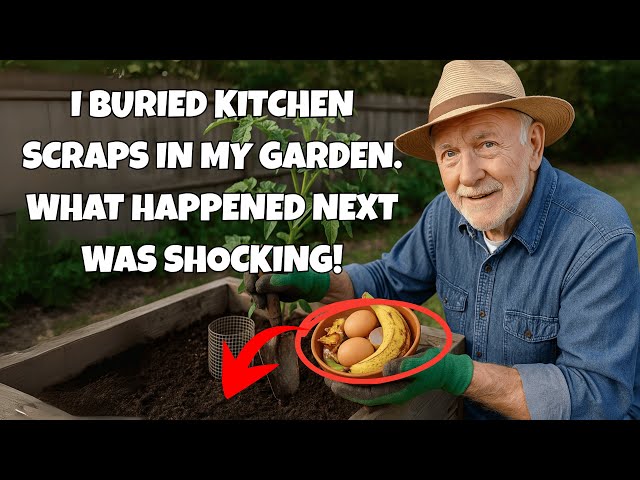
Have you ever wondered what really happens when you bury kitchen scraps in your garden? It might seem like a simple way to reduce waste, but there’s more going on beneath the surface than you think.
Your leftover peels, cores, and coffee grounds don’t just disappear—they actually play a powerful role in transforming your soil and helping your plants grow. Keep reading to discover the surprising benefits and important tips that will help you turn your kitchen scraps into garden gold.
You’ll never look at food waste the same way again.
Why Bury Kitchen Scraps
Burying kitchen scraps in your garden is more than just a clever way to reduce waste. It’s a simple act that transforms everyday leftovers into powerful resources for your soil and plants. You might wonder why this practice matters and how it benefits your garden’s health and productivity.
Natural Waste Recycling
When you bury kitchen scraps, you allow nature to do its own recycling. Food waste like vegetable peels, coffee grounds, and eggshells break down underground, feeding the microorganisms in the soil.
These tiny creatures thrive on organic matter, turning scraps into nutrients that plants can absorb. This process reduces the amount of waste sent to landfills and lowers your household’s environmental footprint.
Think about it—what if your leftover carrot tops could help grow the next batch of carrots? That’s the power of natural recycling happening right beneath your feet.
Soil Enrichment Basics
Adding kitchen scraps directly into the soil enriches it with essential nutrients like nitrogen, phosphorus, and potassium. These nutrients improve soil structure and boost its ability to retain water.
Healthy soil means healthier plants and better yields. You’ll notice your garden beds becoming more fertile and your plants growing stronger without relying heavily on chemical fertilizers.
Have you ever seen soil that looks rich and crumbly? That’s the kind of environment your kitchen scraps help create—full of life and ready to support vibrant growth.

Credit: www.youtube.com
Types Of Scraps To Bury
Knowing which kitchen scraps to bury in your garden can make a huge difference in how well your plants grow. Not all scraps break down the same way or add the same nutrients to the soil. Choosing the right scraps helps you feed your garden naturally and avoid attracting pests.
Vegetable And Fruit Peels
Vegetable and fruit peels are some of the best scraps to bury. They break down quickly and release important nutrients like potassium and nitrogen. You can bury peels from carrots, potatoes, apples, and citrus fruits right where you want to grow plants.
Have you noticed how your tomato plants seem happier after you bury peels nearby? That’s because these scraps improve soil texture and moisture retention, which supports strong roots.
Coffee Grounds And Tea Leaves
Coffee grounds and tea leaves add acidity to the soil, which some plants love. They’re rich in nitrogen, helping your garden grow lush and green. Sprinkle these scraps thinly and mix them into the soil to prevent clumping.
These scraps also attract earthworms, nature’s best gardeners. If your soil feels heavy or compacted, adding coffee grounds can help loosen it up and improve aeration.
Eggshells And Bread
Eggshells are a natural source of calcium, which strengthens plant cell walls. Crush them before burying to speed up decomposition. Adding eggshells can help prevent blossom end rot in tomatoes and peppers.
Bread breaks down quickly but should be buried deep to avoid attracting animals. It adds organic matter to the soil, but too much can create mold problems. Use small amounts mixed with other scraps for best results.
How To Bury Scraps Properly
Burying kitchen scraps in your garden enriches the soil naturally. Doing it properly avoids pests and speeds up decomposition. Follow simple steps for the best results.
Choosing The Right Spot
Pick a place away from your plant roots to avoid damage. Use a sunny area for faster decomposition. Avoid spots near pathways or patios to prevent unpleasant smells.
Depth And Layering Tips
Dig a hole at least 6 to 8 inches deep. Place scraps in the hole, then cover with soil completely. Layer with dry leaves or garden waste to balance moisture and air.
Avoiding Common Mistakes
- Do not bury meat, dairy, or oily foods to prevent pests.
- Avoid overfilling one spot to reduce bad odors.
- Do not leave scraps exposed on the surface.
- Turn soil occasionally to help breakdown and airflow.

Credit: growingorganic.com
Soil Health Improvements
Burying kitchen scraps in the garden can greatly improve soil health. It adds organic matter that feeds the soil. This process supports the growth of plants by making the soil richer and more fertile. Healthy soil is full of life and nutrients. It holds water better and allows roots to grow easily. These benefits come from natural changes in the soil caused by decomposing scraps.
Boosting Nutrient Levels
Kitchen scraps contain many nutrients plants need. These include nitrogen, phosphorus, and potassium. As scraps break down, they release these nutrients into the soil. This makes the soil more fertile without using chemical fertilizers. Nutrients from scraps are slow-release, feeding plants for a longer time. This natural nutrient boost helps plants grow stronger and healthier.
Enhancing Microbial Activity
Decomposing scraps attract beneficial microbes in the soil. These tiny organisms break down organic matter into useful nutrients. Healthy microbial life improves soil fertility and plant health. Microbes also help fight harmful pests and diseases. More microbes mean better nutrient cycling and soil renewal. Kitchen scraps create a lively environment for these helpful microbes.
Improving Soil Structure
Organic matter from kitchen scraps helps soil particles stick together. This creates a crumbly, loose soil texture. Good soil structure improves air and water movement. It prevents soil from becoming hard and compacted. Loose soil allows roots to grow deeper and access more nutrients. Burying scraps helps build strong, healthy soil that supports robust plant growth.
Plant Growth Benefits
Burying kitchen scraps in the garden enriches the soil with nutrients. This practice promotes healthier plant growth. It also reduces kitchen waste, benefiting the environment.
Planting kitchen scraps in your garden can be surprisingly beneficial. Not only does it reduce waste, but it also enriches the soil, enhancing plant growth. As the scraps decompose, they release vital nutrients that can transform your garden into a thriving ecosystem.
Stronger Roots And Stems
Burying kitchen scraps can boost the development of stronger roots and stems. When I started using banana peels and eggshells in my garden, I noticed my tomato plants were more robust and less prone to drooping. The potassium and calcium from these scraps provide essential nutrients that fortify plants from the ground up.
Better Yield And Quality
Imagine picking larger, juicier vegetables right from your garden. This is possible when you enrich your soil with kitchen scraps. When I added coffee grounds and vegetable peels, my carrot harvest was notably more abundant and flavorful. These scraps improve soil texture, allowing plants to absorb nutrients more effectively, resulting in higher yields.
Natural Pest Deterrence
Using kitchen scraps can naturally deter pests. Citrus peels, for example, can keep ants and slugs at bay. I placed orange peels around my lettuce patch, and it remarkably reduced pest activity. This method not only protects your plants but also minimizes the need for chemical pesticides, promoting a healthier garden environment. Have you ever tried using kitchen scraps in your garden? Consider the potential benefits and give it a go. Your plants might just thank you with a bountiful harvest!
Environmental Impact
Burying kitchen scraps in your garden has a significant environmental impact that goes beyond just enriching the soil. It changes how waste is managed and affects the carbon cycle in your backyard. Understanding these effects can inspire you to take more eco-friendly actions every day.
Reducing Landfill Waste
When you bury kitchen scraps, you keep them out of the landfill. Landfills are overflowing with organic waste that could be composted instead. By diverting these scraps, you reduce the volume of garbage that needs to be processed or burned.
I once started burying my veggie peels and coffee grounds directly in my garden beds. Over a few months, I noticed less trash going out with the weekly pickup. This simple habit can dramatically cut down the waste heading to landfills in your community.
Lowering Carbon Footprint
Organic waste in landfills produces methane, a greenhouse gas far more potent than carbon dioxide. Burying scraps in the soil helps them decompose naturally without releasing harmful gases. This lowers your household's overall carbon footprint.
Think about it: every peel or leftover you bury is a small step toward cleaner air. Would you rather contribute to methane emissions or enrich your garden’s soil? The choice is in your hands with every scrap.
Encouraging Sustainable Gardening
Burying kitchen scraps encourages a cycle of sustainability in your garden. As these materials break down, they add nutrients and improve soil structure. This reduces the need for chemical fertilizers and boosts plant health naturally.
By creating your own nutrient source, you save money and protect local ecosystems from harmful runoff. Have you tried planting directly over buried scraps to see how your plants respond? This hands-on approach connects you more closely with nature’s rhythms.
Potential Challenges
Burying kitchen scraps in the garden seems simple and eco-friendly. It helps reduce waste and can feed your soil. Yet, some challenges may arise that affect your plants and garden health. Knowing these issues can help you avoid common mistakes and keep your garden thriving.
Attracting Unwanted Pests
Kitchen scraps can attract pests like rodents, raccoons, and insects. These animals dig up buried scraps searching for food. This can disturb your plants and soil structure. Using deep burial and covering scraps well can reduce this problem. Avoid burying meat, dairy, or oily foods that attract more pests.
Odor Issues
Decomposing scraps can cause bad smells in your garden. This happens when scraps do not break down quickly or when buried too shallow. Odors can attract pests and annoy neighbors. Mixing scraps with soil and covering them deeply helps reduce smells. Regularly turning the soil speeds up decomposition and keeps the area fresh.
Balancing Scrap Types
Different kitchen scraps break down at different speeds. Greens like vegetable peels decay fast, while woody or fibrous scraps take longer. Too many slow-decomposing scraps can slow down the process and cause imbalance. Avoid burying large amounts of one type. Mixing green and brown scraps evenly helps maintain soil health and speed up decay.
Tips For Success
Burying kitchen scraps in your garden can boost soil health and reduce waste. To get the best results, follow some simple tips. These help scraps break down faster and keep your plants happy.
Regularly Rotating Scraps
Turn the soil where you bury scraps every few weeks. This adds oxygen and helps break down the waste quicker. Rotating scraps prevents bad smells and pests from gathering. It also spreads nutrients evenly through the soil.
Combining With Mulch
Cover buried scraps with mulch like leaves or straw. Mulch keeps moisture in and protects the scraps from animals. It also helps scraps decompose slowly and steadily. Mulch creates a healthy environment for worms and microbes.
Monitoring Soil Conditions
Check soil moisture often; it should be damp but not wet. Too much water slows decomposition and causes smells. Dry soil stops scraps from breaking down well. Watch your soil’s smell and texture to catch problems early.

Credit: www.youtube.com
Frequently Asked Questions
What Happens When You Bury Kitchen Scraps In Soil?
Burying kitchen scraps enriches soil with nutrients and organic matter. It improves soil structure and promotes healthy plant growth. Microbes break down scraps, releasing essential nutrients. This natural process supports sustainable gardening and reduces food waste effectively.
Can Burying Kitchen Scraps Attract Pests In The Garden?
Yes, burying scraps can attract pests like rodents and insects. To minimize this, bury scraps deep and avoid meat or oily foods. Using a compost bin is also a pest-safe alternative for recycling kitchen waste.
How Long Does It Take For Kitchen Scraps To Decompose Underground?
Kitchen scraps generally take 1 to 3 months to decompose underground. Decomposition speed depends on soil conditions, moisture, and type of scraps. Regularly turning soil can speed up the process and help nutrients release faster.
Is It Better To Bury Or Compost Kitchen Scraps?
Composting is better for controlled decomposition and pest prevention. Burying scraps directly enriches soil but risks pests if done improperly. Both methods recycle nutrients; choose based on space, time, and pest concerns.
Conclusion
Burying kitchen scraps helps improve soil health and plant growth. It adds nutrients naturally and reduces waste. Small scraps break down faster and feed the earth. Avoid burying meat or oily foods to keep pests away. Regularly adding scraps keeps your garden rich and alive.
Try this simple way to support your plants every season. A healthy garden starts with healthy soil. Give your garden a natural boost by using kitchen scraps today.