
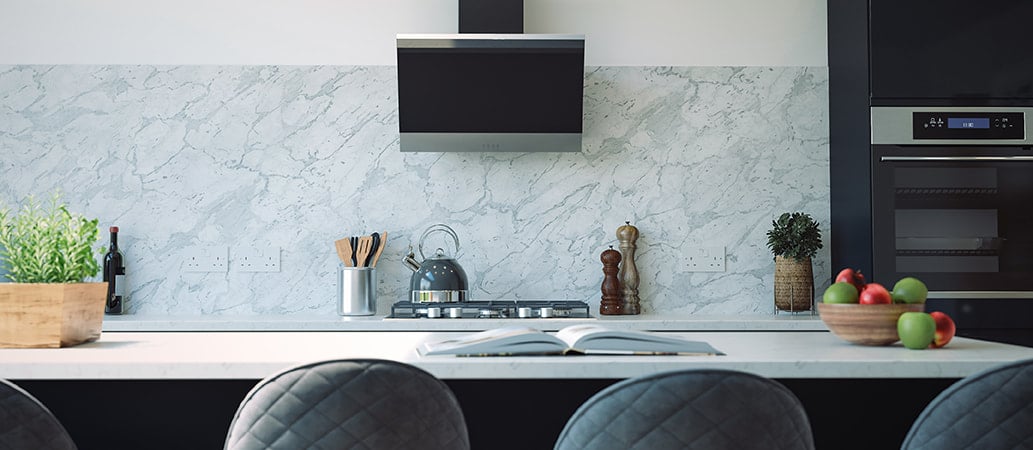
Are your kitchen tiles looking outdated or damaged? You might be wondering if there’s a simple way to refresh your space without tearing everything out.
The good news is—you can cover tiles in your kitchen, and it’s easier than you think. Whether you want a quick makeover or a long-term solution, this guide will help you explore the best options for transforming your kitchen tiles.
Keep reading to discover how you can give your kitchen a fresh new look without the hassle and cost of a full renovation.
Reasons To Cover Kitchen Tiles
Covering kitchen tiles offers practical and aesthetic benefits. It transforms the space without full renovation. Many homeowners choose this approach for several good reasons.
It allows easy change without removing old tiles. This saves time and effort during kitchen updates. Covering tiles can refresh the look to match new styles.
Updating Outdated Looks
Old tiles may look dull or out of style. Covering them provides a fresh, modern appearance quickly. You can choose new colors or patterns easily. This makes the kitchen feel more inviting and clean.
Cost-effective Renovation
Removing tiles can be costly and messy. Covering tiles is a cheaper way to update the kitchen. It reduces labor and material costs significantly. This method suits budget-friendly home improvements well.
Protecting Existing Tiles
Covering tiles adds a protective layer over them. It prevents damage from spills, heat, and daily use. This helps maintain the original tiles in good condition. The kitchen stays durable and easier to clean.

Credit: www.mineraltiles.com
Popular Tile Covering Options
If your kitchen tiles no longer match your style or have become a bit worn, you don’t have to tear them out to refresh your space. Covering existing tiles can save time, money, and the mess that comes with demolition. Several popular options let you update your kitchen quickly, with results that can look surprisingly professional.
Peel-and-stick Tiles
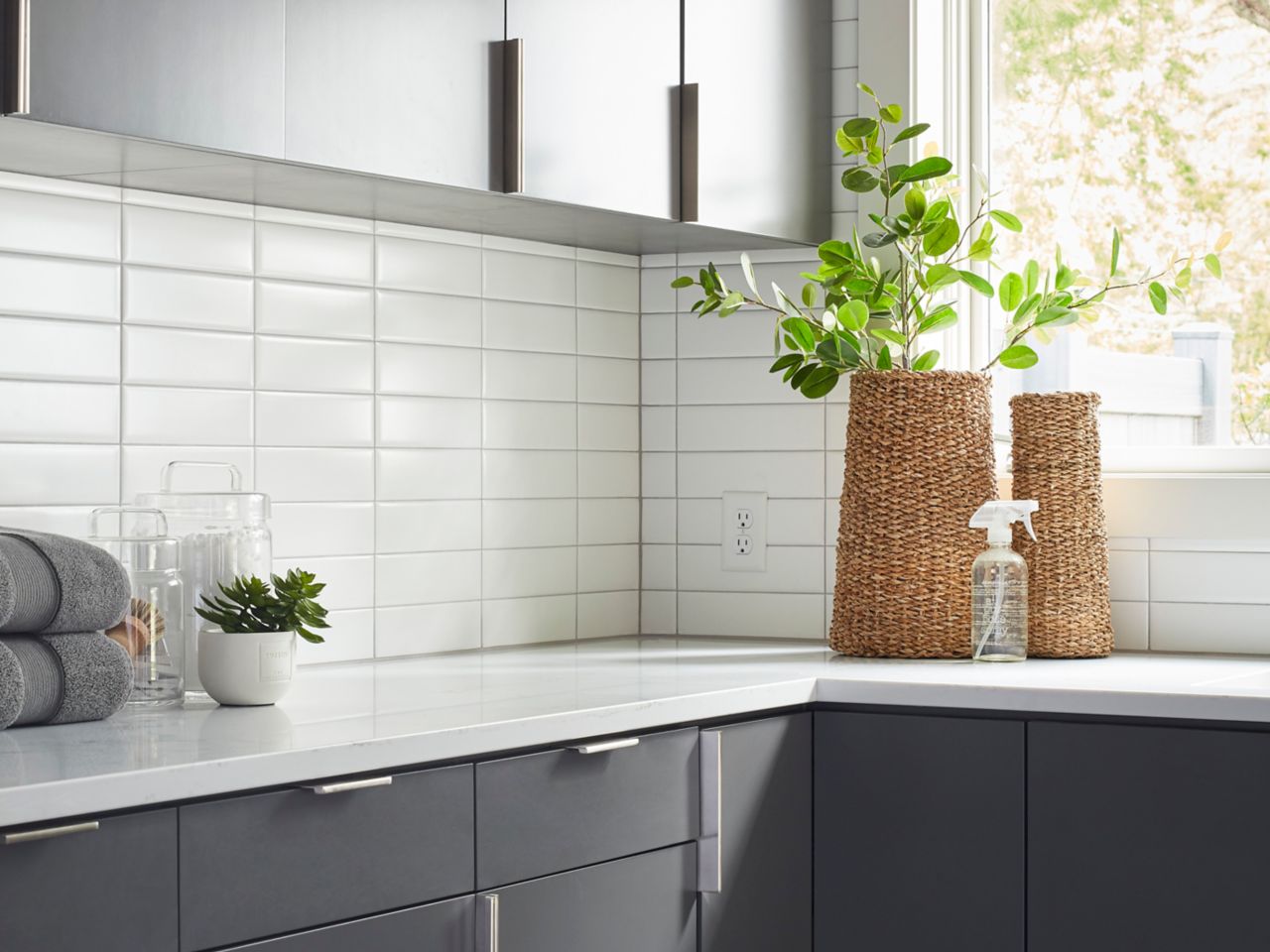
Peel-and-stick tiles offer a simple way to change the look of your kitchen tiles without heavy work. You just peel off the backing and stick the tile over your existing surface. These tiles come in various designs, including faux stone, wood, and classic subway styles, giving you plenty of choices.
They’re great for renters or anyone who wants a quick update. Just be sure your current tiles are clean and flat before applying. Have you tried peel-and-stick tiles in any room? They can transform your kitchen in a weekend.
Tile Paints And Coatings
Painting your tiles might sound risky, but with the right tile paints and coatings, it can be a cost-effective option. Special tile paints bond well to glazed surfaces and come in colors from bold to neutral. This method works well if you want a smooth, uniform look and don’t mind a little prep work.
You’ll need to clean and lightly sand the tiles before painting for the best results. A few coats of durable topcoat will protect your new finish from kitchen spills. Would you consider painting tiles to refresh your backsplash or floor?
Tile Overlays And Panels
Tile overlays and panels offer a more substantial change without removing old tiles. These are thin panels designed to cover existing tiles, often made of acrylic or composite materials. They fit over your old tiles and can mimic natural stone, marble, or other high-end looks.
This option is ideal if you want a durable, water-resistant surface that feels more permanent. Installation usually requires adhesive and sometimes grout, but it’s less disruptive than full tile replacement. Could tile overlays be the solution you need for a kitchen makeover?
Step-by-step Covering Process
Covering tiles in a kitchen is a smart way to update the space without full renovation. The process requires careful preparation and precise application. Following clear steps ensures a smooth and lasting finish.
Preparing The Surface
Start by cleaning the tiles thoroughly. Remove grease, dirt, and grime with a strong cleaner. Scrub the grout lines to eliminate residue. Allow the surface to dry completely before moving on.
Next, sand the tiles lightly. This roughens the surface to help the new material stick better. Wipe off dust with a damp cloth. Check for any loose or damaged tiles. Fix or replace them to avoid problems later.
Applying The Covering Material
Choose the right covering material for your kitchen tiles. Options include tile paint, adhesive vinyl, or peel-and-stick tiles. Follow the product instructions carefully for the best results.
Apply primer if needed. This step increases adhesion and durability. Use a brush or roller to spread paint evenly. For vinyl or peel-and-stick tiles, measure and cut pieces precisely. Press firmly to avoid air bubbles and gaps.
Sealing And Finishing Touches
Seal the covered tiles to protect them from moisture and wear. Use a clear sealer suitable for the material applied. Apply with a brush in thin, even coats.
Allow the sealer to dry fully between coats. Add two or three layers for better protection. Clean edges and corners carefully for a neat look. Wait at least 24 hours before using the kitchen surfaces.
Creative Design Ideas
Covering kitchen tiles offers a fresh look without removing old ones. Simple materials like paint or panels can transform your space quickly. This approach saves time and money while updating your kitchen’s style.
Creative Design Ideas for Covering Kitchen Tiles Tired of your kitchen tiles? Transform them with creative design ideas. These ideas add a fresh look to your kitchen space. Explore bold patterns, textured effects, and mixing materials.
Bold Patterns And Colors
Use bold patterns to make a statement. Choose vibrant colors for a lively feel. Geometric shapes or floral designs can enhance the kitchen's appeal. Consider removable tile stickers for easy updates. They offer flexibility and are cost-effective.
Textured And 3d Effects
Add depth with textured or 3D tiles. They create an eye-catching feature wall. Textured tiles offer a tactile experience, adding warmth. Use 3D tiles for a modern twist. These tiles can mimic natural materials like stone or wood. A great way to introduce visual interest.
Mixing Materials For Contrast
Combine different materials for contrast. Pair glossy tiles with matte finishes. Mix glass tiles with natural stone for a unique look. This creates a dynamic and engaging design. Use metal accents for a contemporary feel. Balance is key to achieve harmony in your kitchen.
Common Mistakes To Avoid
Covering kitchen tiles can refresh your space quickly. Avoiding common mistakes keeps the project smooth and successful. Many face issues that are easy to prevent with the right knowledge. Understanding these pitfalls saves time and money.
Ignoring Surface Preparation
Surface preparation is crucial for a lasting finish. Tiles must be clean, dry, and free from grease or dust. Skipping this step causes poor adhesion and peeling later. Rough or damaged tiles need repair before covering. Proper sanding or priming ensures materials stick well.
Choosing Incompatible Materials
Not all covering materials suit kitchen tiles. Some paints or adhesives fail on glossy or ceramic surfaces. Use products designed for tile application. Check labels for compatibility with your tile type. Using wrong materials leads to bubbling, cracking, or quick wear.
Overlooking Maintenance Needs
Maintenance varies by covering type. Some materials need sealing or regular cleaning to stay fresh. Ignoring this causes stains and damage over time. Know the care requirements before starting. Proper upkeep keeps your new look lasting longer.
Maintenance Tips For Covered Tiles
Maintaining covered tiles in your kitchen ensures they stay attractive and functional. Proper care prevents damage and keeps surfaces safe and clean. Follow simple steps to protect your investment and keep your kitchen looking fresh.
Cleaning Techniques
Use a soft cloth or mop to clean covered tiles daily. Avoid harsh chemicals that can damage the covering. A mild detergent mixed with warm water works well. Wipe spills immediately to prevent stains or water damage. For tough spots, use a gentle scrub brush without scratching the surface.
Repairing Damages
Check covered tiles regularly for cracks or peeling. Small damages can be fixed with tile repair kits available in stores. Match the repair material to your tile covering for a seamless look. For larger issues, contact a professional to avoid worsening the damage. Prompt repairs keep the covering intact and safe.
Extending Longevity
Place mats or rugs in high-traffic areas to reduce wear. Avoid dragging heavy items across covered tiles to prevent scratches. Maintain a consistent cleaning routine to remove dirt and grime. Use protective pads under furniture legs to avoid dents. Proper care extends the life of your covered tiles and keeps your kitchen stylish.
When To Call A Professional
Knowing when to call a professional can save you time, money, and frustration when covering kitchen tiles. Some projects look simple on the surface but hide challenges that only an expert can handle effectively. Understanding the signs that point to professional help ensures your kitchen remodel stays smooth and your results last.
Complex Tile Patterns
If your kitchen tiles have intricate designs or unusual shapes, covering them yourself might lead to uneven surfaces or poor adhesion. Professionals have the tools and experience to deal with patterns that require precise cutting and alignment. Have you ever tried matching a busy pattern only to end up with gaps or overlaps? That's where expert skills make a real difference.
Structural Concerns
Sometimes, tiles are cracked or the wall behind them has moisture damage or instability. These issues need a careful assessment before adding any new layer. A professional can identify hidden problems and suggest fixes to prevent future tile lifting or mold growth. Are you sure your walls can hold the extra weight of new coverings without repairs?
Ensuring Durable Results
Durability is key in a kitchen, where surfaces face heat, moisture, and heavy use. Professionals know which materials and methods work best to create a finish that won’t peel or crack over time. If you want your kitchen to look great for years, investing in expert installation is often worth it. Would you rather fix problems later or get it right the first time?
Credit: www.tileshop.com

Credit: www.reddit.com
Frequently Asked Questions
Can You Cover Kitchen Tiles Instead Of Removing Them?
Yes, you can cover kitchen tiles using materials like vinyl, plywood, or new tile overlays. This saves time and reduces mess.
What Materials Work Best To Cover Kitchen Tiles?
Vinyl planks, peel-and-stick tiles, and plywood panels are popular for covering kitchen tiles. They are easy to install and durable.
Will Covering Tiles Affect Kitchen Durability?
Properly installed coverings protect tiles and improve durability. However, choose moisture-resistant materials to avoid damage in kitchen environments.
How Does Covering Tiles Impact Kitchen Aesthetics?
Coverings can refresh the kitchen look quickly. They offer various styles, colors, and textures to match your design preferences.
Conclusion
Covering kitchen tiles can refresh your space without big work. Choose materials that stick well and resist heat and moisture. Easy steps make the process quick and cost-effective. Small changes bring a fresh look and feel to your kitchen. Think about durability and style before starting.
Enjoy a neat, updated kitchen without removing old tiles. Simple updates can make a big difference.