
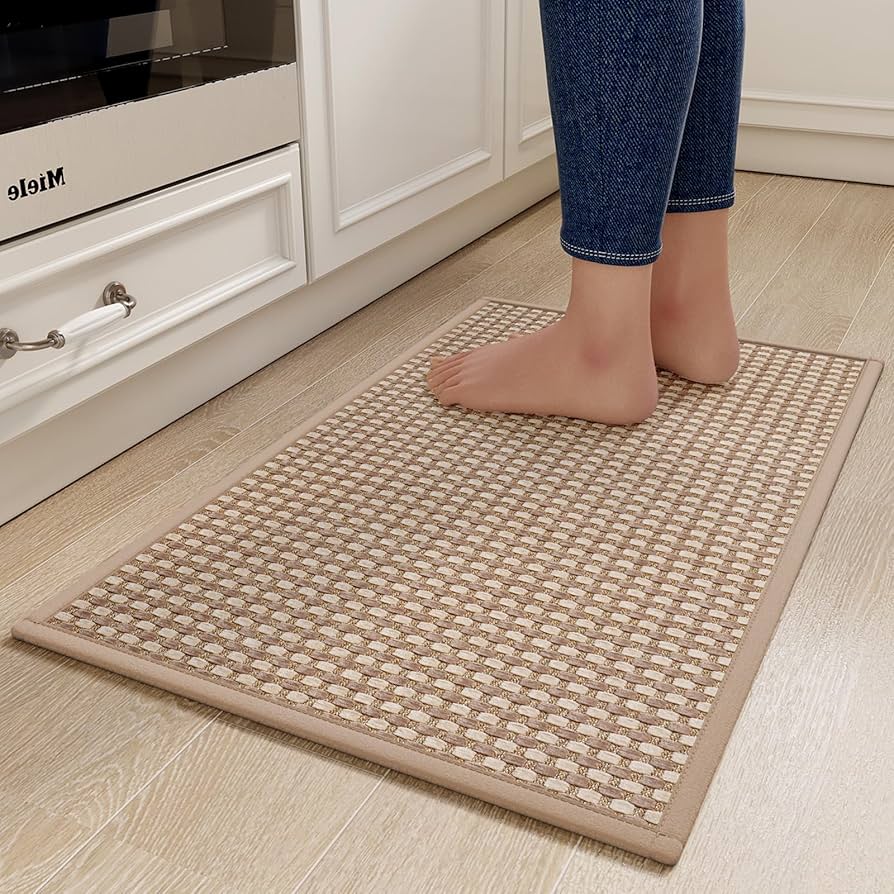
Have you ever wondered if you can wash your kitchen mat without ruining it? Your kitchen mat takes a lot of spills, stains, and dirt every day.
Keeping it clean is important, but you might be unsure about the best way to do it. What if washing it damages the material or causes it to lose its grip? You’ll discover simple, effective ways to clean your kitchen mat safely.
By the end, you’ll know exactly how to keep your mat fresh and lasting longer. Keep reading—you don’t want to miss these easy cleaning tips!
Types Of Kitchen Mats
Kitchen mats come in different materials, each offering unique benefits and care needs. Knowing the type of mat you have can help you decide the best way to keep it clean and in good shape. Let’s look at the common types of kitchen mats and what makes each one special.
Rubber Mats
Rubber mats are popular because they provide excellent grip and durability. They are water-resistant and often used near sinks or stoves where spills are frequent. Cleaning rubber mats is usually straightforward—you can hose them down or wipe them with a damp cloth.
Foam Mats
Foam mats are lightweight and soft, offering comfort when you stand for long periods. They can absorb liquids, so spills might soak in if you don’t clean them quickly. Foam mats often require gentle washing and air drying to maintain their cushioning.
Fabric Mats
Fabric mats add style and warmth to your kitchen floor. They come in various patterns and textures but can trap dirt and crumbs easily. Most fabric mats can be machine washed, but you should check the label for specific instructions to avoid shrinking or fading.
Gel Mats
Gel mats combine comfort with support, using a gel layer to reduce fatigue. They are usually covered with a vinyl or plastic surface, making them easy to wipe clean. However, avoid harsh chemicals that might damage the gel inside.
Which type of kitchen mat do you use? Knowing its material can save you time and effort when cleaning, keeping your kitchen both safe and inviting.
Credit: sokafa.com
When To Wash Your Kitchen Mat
Knowing when to wash your kitchen mat can save you from unpleasant smells and a messy kitchen floor. It’s easy to overlook this daily essential, but keeping it clean not only improves hygiene but also extends the mat’s life. Let’s break down the key signs that tell you it’s time to give your kitchen mat a good wash.
Signs Of Dirt And Stains
Have you noticed dark spots or sticky patches on your kitchen mat? These are clear signs dirt has built up over time. Food crumbs, spills, and grease can leave stubborn stains that affect both appearance and cleanliness.
Check the edges and corners, where grime tends to collect. If your mat looks dull or has visible stains, it’s time to clean it. Don’t wait for the stains to become permanent—regular spot checks can help you catch dirt early.
Odor Indicators
Does your kitchen mat smell musty or unpleasant? Odors often come from trapped moisture and bacteria growing under the surface. If you notice a sour or damp smell, it’s a strong signal that the mat needs washing.
Even if you can’t see any dirt, smell is a reliable way to tell if your mat is unhygienic. Pay attention to any changes in scent after cooking or spills. Your nose can be a great guide to when cleaning is overdue.
Routine Cleaning Frequency
How often should you wash your kitchen mat if it looks fine and smells fresh? A good rule is to clean it every one to two weeks. This routine keeps germs under control and prevents buildup before it starts.
If you cook daily or have kids and pets around, consider washing your mat more frequently. Setting a cleaning schedule can help you avoid waiting for visible signs or odors. What cleaning routine fits your kitchen habits best?
Preparation Before Washing
Before you toss your kitchen mat into the washing machine or scrub it by hand, taking a few preparation steps can make a big difference in the cleaning outcome. Proper preparation helps protect your mat's material and ensures you don’t make common mistakes that could damage it. Are you ready to get your kitchen mat truly clean without any surprises?
Shake Off Debris
Start by taking your kitchen mat outside and giving it a good shake. This simple action removes loose crumbs, dust, and small particles that can clog your washing machine or make cleaning less effective.
Try tapping the mat against a hard surface to dislodge stubborn dirt. It’s surprising how much grime falls off before even getting the mat wet.
Check Care Labels
Look for the care label attached to your kitchen mat. It holds valuable information about the material and specific washing instructions.
Ignoring this can lead to shrinking, color fading, or fabric damage. If the label says “hand wash only” or “no bleach,” make sure to follow those guidelines closely.
Spot Test Cleaning Solutions
Before applying any cleaning product to the entire mat, test it on a small hidden area first. This helps you avoid discoloration or fabric damage.
Use a mild detergent or a mix of vinegar and water, and wait a few minutes to see if the mat’s color or texture changes. If all looks good, you’re ready to clean with confidence.
Washing Methods
Kitchen mats collect dirt, spills, and stains over time. Keeping them clean is essential for hygiene. Various washing methods can help maintain your kitchen mats. Each method has its own advantages and considerations. Choose the one that suits your mat's material and your convenience.
Hand Washing Techniques
Hand washing is gentle on delicate mats. Fill a tub with warm water and mild detergent. Submerge the mat and scrub gently with a soft brush. Focus on stained areas without damaging the fabric. Rinse thoroughly with clean water to remove soap residue. Hang the mat to dry completely.
Machine Washing Tips
Check your mat's label for machine washability. Use a gentle cycle with cold water. Add mild detergent without bleach. Wash the mat alone or with a few soft items. Avoid using fabric softeners. They can leave residues. After washing, air dry the mat to prevent shrinkage.
Using Natural Cleaners
Natural cleaners are eco-friendly and safe. Create a mixture of baking soda and vinegar. Sprinkle baking soda on the mat. Spray vinegar over it. Let it sit for 10 minutes. Scrub gently with a brush. Rinse with water and dry. This method removes odors and stains naturally.
Avoiding Damage During Wash
Prevent damage by following care instructions. Avoid using harsh chemicals or hot water. They can weaken fibers. Do not use a dryer unless the label permits. High heat can warp the mat. Regularly clean mats to prevent deep-set stains. Proper care extends the mat's life.
Drying And Maintenance
Drying and maintaining your kitchen mat properly is just as important as washing it. Improper drying can cause lingering dampness, which invites mold and mildew. Keeping up with regular care extends your mat’s life and keeps your kitchen fresh and safe.
Air Drying Best Practices
After washing your kitchen mat, let it air dry completely before placing it back on the floor. Hang it outside or in a well-ventilated area where air can circulate freely around the mat. Avoid direct sunlight for long periods, as this can fade colors and weaken fibers.
Have you noticed how quickly a damp mat smells musty? That’s why air drying thoroughly is essential. If space is tight, drape the mat over a shower rod or a drying rack to ensure both sides dry evenly.
Preventing Mold And Mildew
Moisture trapped under a kitchen mat creates a perfect home for mold and mildew. To prevent this, always check that the floor underneath is dry before laying the mat down. Consider placing a moisture barrier, like a thin plastic sheet, if your kitchen floor tends to stay damp.
Also, lift and shake out your mat regularly to remove crumbs and debris that hold moisture. If you spot any dark spots or a musty smell, treat the area immediately with a mild vinegar solution to stop mold growth before it spreads.
Regular Upkeep Tips
- Shake out the mat daily to remove loose dirt and crumbs.
- Vacuum the mat weekly to pull out dust and tiny particles.
- Spot clean spills right away with a damp cloth and mild detergent.
- Rotate the mat occasionally to distribute wear evenly.
Keeping a consistent routine prevents buildup and keeps your kitchen mat looking fresh. How often do you check under your mat? Making it part of your kitchen cleanup can save you from bigger cleaning headaches later.

Credit: www.amazon.com
Alternative Cleaning Options
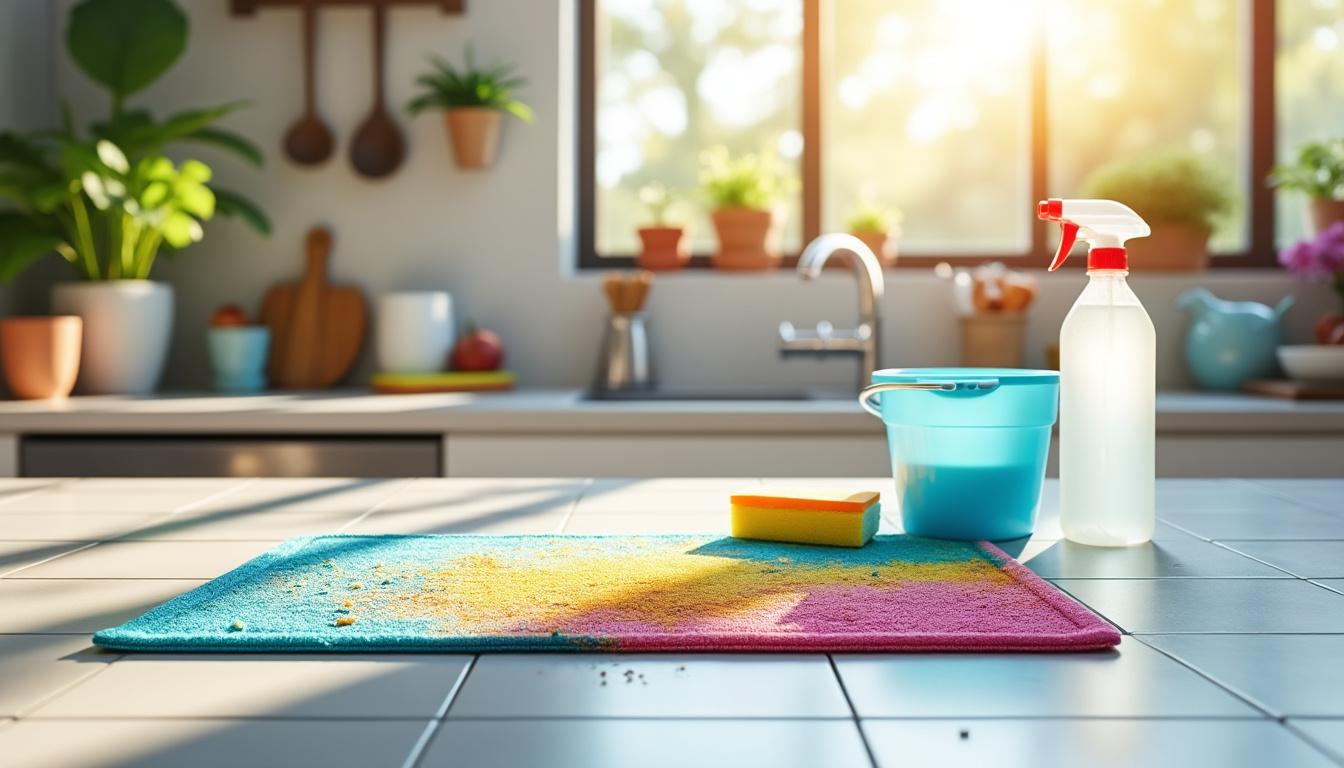
Cleaning your kitchen mat doesn't always mean a full wash cycle. Sometimes, quick and effective alternative methods can keep it fresh and extend its life. These options save time and effort while tackling everyday dirt and stains.
Vacuuming And Sweeping
Regular vacuuming removes crumbs, dust, and pet hair trapped in your kitchen mat. It’s a simple step that prevents buildup and keeps the mat looking clean longer.
If you don’t have a vacuum handy, sweeping with a stiff broom works well too. Try to get under the edges where dirt often hides.
Have you noticed how much debris collects after cooking? A quick sweep or vacuum after meal prep can make a big difference.
Spot Cleaning Solutions
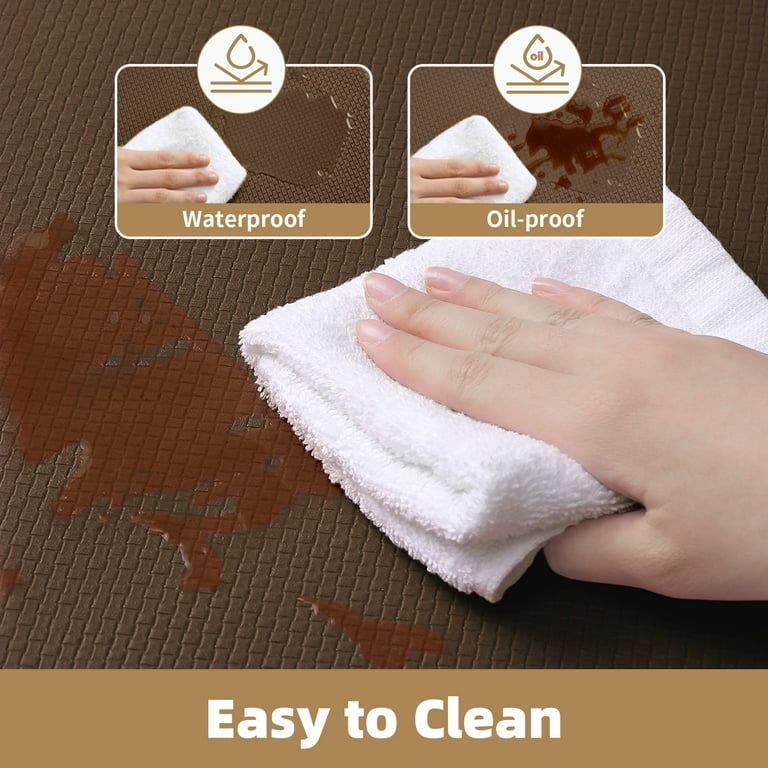
For small stains or spills, spot cleaning is your best friend. Use mild detergent mixed with water and a soft cloth to gently dab the affected area.
Be careful not to soak the mat, as excess moisture can cause mold or damage the backing. Test any cleaner on a small hidden patch before applying.
Have you tried natural options like vinegar or baking soda? They often work surprisingly well without harsh chemicals.
Professional Cleaning Services
If your kitchen mat is valuable or heavily soiled, professional cleaning might be worth considering. Experts have the right tools and knowledge to deep clean without damaging fibers.
This can be especially helpful for mats made from delicate materials or those with strong odors. Plus, professional services can save you time and hassle.
Would you trust your favorite kitchen mat to a cleaning specialist? Sometimes, investing in expert care keeps your home healthier and your mat lasting longer.
Common Mistakes To Avoid
Washing a kitchen mat might seem simple, but many make mistakes that damage it. Avoiding these errors helps keep your mat clean and long-lasting. Understanding common pitfalls ensures better care and saves money.
Using Harsh Chemicals
Strong detergents can ruin the mat’s material. They may cause colors to fade or fibers to weaken. Use mild soap or gentle cleaners instead. Harsh chemicals also leave harmful residues on the mat’s surface. These residues can irritate skin or cause allergies.
Ignoring Care Instructions
Every kitchen mat has specific washing guidelines. Ignoring these may lead to shrinking or warping. Some mats require hand washing, while others can go in the machine. Check the label carefully before cleaning. Following instructions preserves the mat’s shape and quality.
Overwashing The Mat
Frequent washing wears out the mat faster. Too much water and detergent can break down materials. Dirt and stains often come back if the mat is overwashed. Clean the mat only when necessary to maintain its durability. Spot cleaning helps extend the mat’s life.
Credit: www.walmart.com
Frequently Asked Questions
Can Kitchen Mats Be Machine Washed Safely?
Yes, many kitchen mats are machine washable. Check the care label first. Use gentle cycles and mild detergent for best results. Avoid high heat drying to prevent damage.
How Often Should You Wash A Kitchen Mat?
Washing a kitchen mat every 1-2 weeks is ideal. Regular cleaning removes dirt, bacteria, and food stains. This keeps your kitchen hygienic and fresh-smelling.
Can Washing Damage Non-slip Kitchen Mats?
Washing can reduce the mat’s grip if done improperly. Use gentle cycles and avoid harsh chemicals. Air dry flat to maintain non-slip backing effectiveness.
What Is The Best Method To Clean A Kitchen Mat?
Vacuum regularly and spot clean stains immediately. For deeper cleaning, hand wash or machine wash on gentle cycle. Always air dry to preserve mat quality.
Conclusion
Washing a kitchen mat keeps your space clean and fresh. Regular cleaning removes dirt and germs easily. Always check the mat’s care label first. Use gentle methods like hand washing or a mild machine cycle. Let it dry completely before using again.
Clean mats last longer and look nicer. A simple wash can improve your kitchen’s hygiene. Taking a little time helps maintain a healthy home. So, yes—you can wash a kitchen mat and should do it often.