
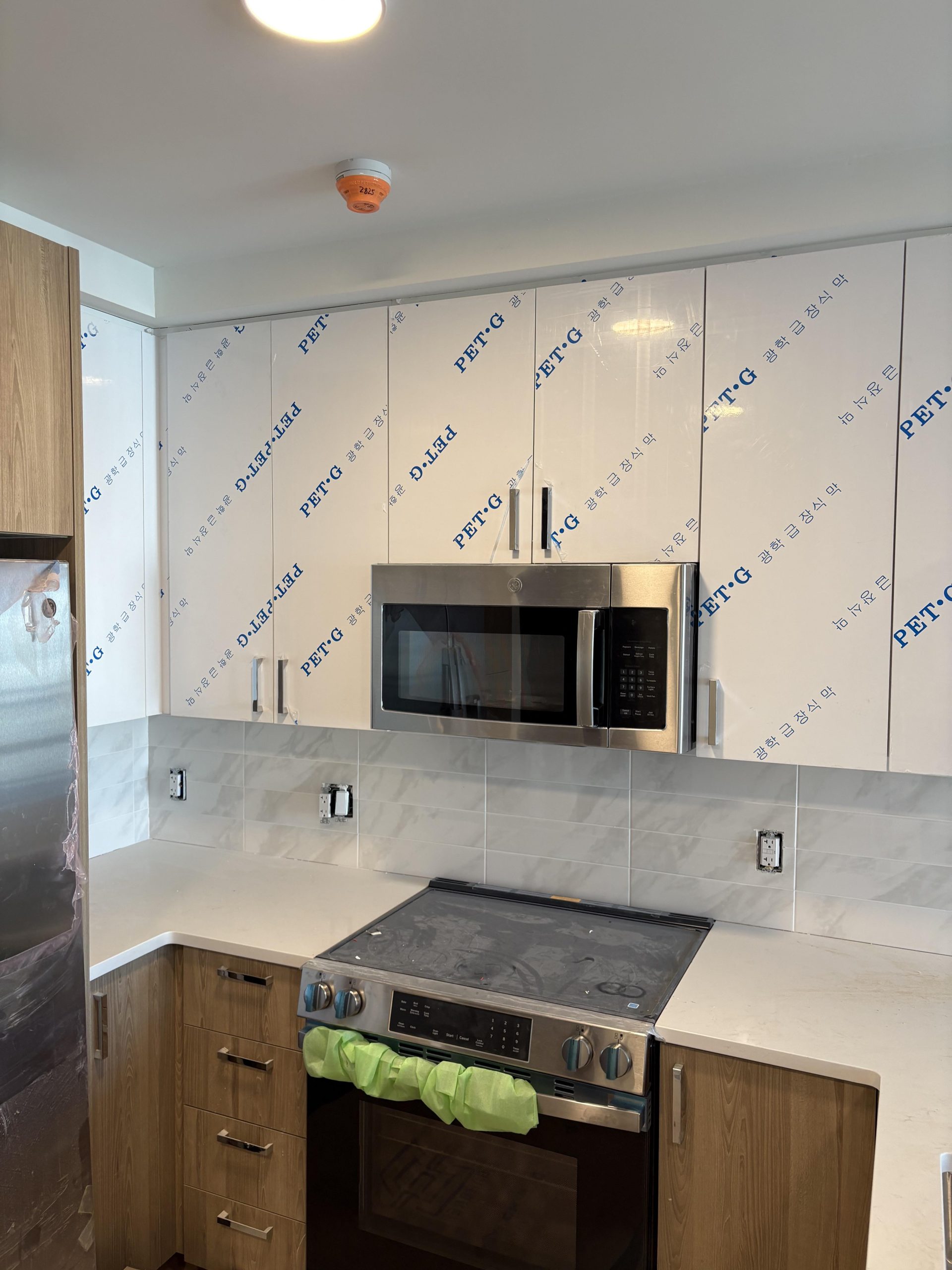
Where to Place Heat Detector in Kitchen. Have you ever wondered where to place a heat detector in your kitchen to keep your home safe? The kitchen is one of the most common places for fires to start, so choosing the right spot for your heat detector is crucial.
You want it to work perfectly without causing false alarms while giving you early warnings when it matters most. You’ll discover the best locations for your heat detector in the kitchen, simple tips to maximize its effectiveness, and common mistakes to avoid.
By the end, you’ll feel confident that your kitchen is protected the smart way. Keep reading to find out more!
Why Heat Detectors Matter In Kitchens
Kitchens are high-risk areas for fires. Heat detectors play a vital role in safety here. They sense rapid temperature rises and alert you early. This early warning helps prevent fire damage and injury.
Smoke detectors may cause false alarms in kitchens due to cooking fumes. Heat detectors avoid this problem by focusing on temperature changes. This makes them more reliable for kitchen safety.
How Heat Detectors Enhance Kitchen Safety
Heat detectors spot fires before they spread. They react quickly to sudden heat increases. This gives you time to act and reduce harm. Their design suits kitchens, where smoke alarms often fail.
Reducing False Alarms With Heat Detectors
Cooking produces steam and smoke that trigger smoke alarms. Heat detectors ignore small smoke or steam amounts. They only alarm when heat rises sharply. This reduces annoying false alarms in kitchens.
Choosing The Right Heat Detector Placement
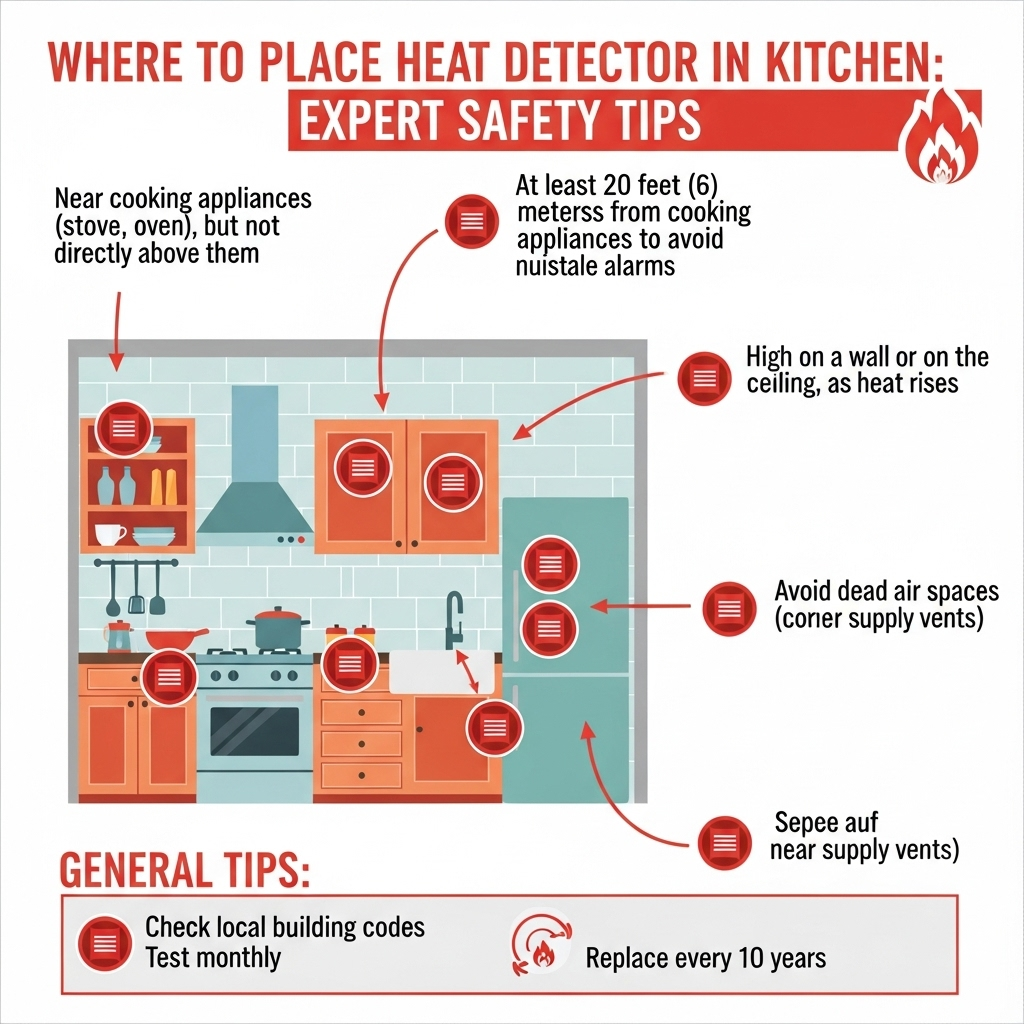
- Place detectors on the ceiling or high on walls.
- Avoid spots near cooking appliances to prevent false alarms.
- Ensure detectors cover the main cooking area effectively.
Types Of Heat Detectors Suitable For Kitchens
Choosing the right heat detector for a kitchen is important for safety and efficiency. Kitchens have steam, smoke, and heat from cooking. Not all heat detectors work well in this environment. Some types respond better to temperature changes without false alarms.
Different heat detectors use various sensing methods. Some detect a fixed temperature, while others sense a rise in temperature over time. Picking the right type helps avoid unnecessary alarms and keeps your kitchen safe.
Fixed Temperature Heat Detectors
These detectors trigger an alarm when the temperature reaches a set level. They work well in kitchens because they ignore small heat changes. Fixed temperature detectors avoid false alarms from cooking steam and smoke. They activate only when a real fire causes high heat.
Rate-of-rise Heat Detectors
Rate-of-rise detectors sense quick temperature increases. They notice when heat rises rapidly, not just a high temperature. This helps detect fires in early stages. These detectors are good for kitchens with sudden heat changes. They reduce false alarms from normal cooking heat.
Combination Heat Detectors
Combination detectors use both fixed temperature and rate-of-rise sensing. They provide extra protection by detecting both steady heat and rapid rises. These detectors are ideal for busy kitchens. They balance sensitivity with fewer false alarms.
Ideal Locations For Heat Detectors
Choosing the right spot for a heat detector in the kitchen is vital for safety. Heat detectors sense rapid rises in temperature, alerting you to fires early. Placing them correctly helps avoid false alarms and ensures quick detection. Here are the ideal locations to install heat detectors in your kitchen.
Ceiling Placement
The ceiling is the best spot for a heat detector. Heat naturally rises, so detectors on the ceiling catch fires early. Place the detector at least 4 inches away from walls or corners to avoid dead air space. Keep it away from vents or fans that may affect temperature readings. Center the detector in the kitchen or near cooking appliances for optimal coverage.
Wall Placement
Wall placement works if ceiling installation is impossible. Mount the detector 4 to 12 inches below the ceiling on a wall. Choose a spot away from windows, vents, or doors. Avoid placing it near cabinets or shelves that might block heat flow. Ensure it is near the cooking area but not too close to avoid heat from normal cooking.
Avoiding False Alarms
False alarms waste time and lower trust in detectors. Avoid placing detectors too close to ovens, stoves, or toaster ovens. Keep them away from steam sources like sinks or dishwashers. Do not install near open windows or air vents where drafts can cause temperature changes. Regularly clean detectors to prevent dust build-up, which can trigger false alerts.
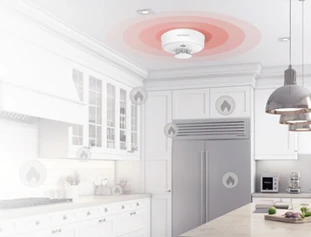
Credit: www.firedetectionshop.co.uk
Common Mistakes In Heat Detector Installation
Installing a heat detector in the kitchen is crucial for safety. But many make errors during installation. These mistakes can reduce the detector's effectiveness. Understanding common errors helps in proper placement.
Placing Near Cooking Appliances
One common mistake is placing the detector too close to stoves or ovens. This can trigger false alarms due to regular cooking activities. Maintain a safe distance to ensure reliable performance.
Installing On Poor Airflow Areas
Another mistake is installing detectors in areas with poor airflow. This can delay heat detection, compromising safety. Ensure the detector is in a spot with good air circulation.
Ignoring Manufacturer Guidelines
Disregarding the manufacturer's instructions is a frequent error. Each detector has specific placement guidelines. Following these ensures optimal performance and safety.
Placing In High Humidity Zones
Installing heat detectors in high humidity zones can cause malfunctions. Avoid areas like near sinks or dishwashers. This helps maintain the device's accuracy and lifespan.
Installing Too Low
Positioning the detector too low is another mistake. Heat rises, so place detectors near the ceiling. This ensures they detect heat quickly and effectively.
Safety Codes And Regulations To Follow
Following safety codes and regulations is crucial when placing heat detectors in the kitchen. These rules ensure the device works correctly and keeps your home safe. Ignoring them can lead to false alarms or missed warnings.
Building codes and fire safety standards guide the correct placement and installation of heat detectors. They specify distances from appliances and ceilings to avoid interference. Meeting these standards helps protect your home and family effectively.
National Fire Protection Association (nfpa) Guidelines
The NFPA provides clear rules for heat detector placement. They recommend installing detectors on the ceiling, at least 4 inches away from walls. Detectors should be near cooking appliances but not too close to avoid false alarms.
Local Building Codes
Local codes may have extra rules based on climate and construction. Check with local authorities before installation. Some areas require specific types of heat detectors or additional devices in kitchens.
Distance From Cooking Appliances
Heat detectors must be placed where normal cooking heat won’t trigger false alarms. Maintain a minimum distance of 3 feet from stoves and ovens. This prevents nuisance alarms while ensuring safety.
Height And Positioning Requirements
Install heat detectors on the ceiling or high on the wall. Avoid placing detectors near vents, fans, or windows. These can cause air currents that affect the detector’s performance.
Regular Inspection And Maintenance
Follow regulations for routine checks and cleaning. Replace batteries and test detectors regularly. Proper upkeep ensures the device remains reliable over time.
Maintenance Tips For Kitchen Heat Detectors
Maintaining kitchen heat detectors is vital for safety and efficient operation. Regular care keeps them responsive to heat changes and prevents false alarms. Simple maintenance routines extend their lifespan and reliability.
Check detectors often to ensure they work properly. Clean detectors carefully to avoid dust buildup. Replace batteries on time to keep detectors active. These steps protect your home from fire hazards.
Testing Your Heat Detector Regularly
Test your heat detector once a month. Use the test button on the device. Listen for a loud alarm sound. This confirms the detector is working well.
Cleaning Tips For Kitchen Heat Detectors
Turn off power before cleaning the detector. Use a soft brush or vacuum with a brush attachment. Gently remove dust and grease from the sensor. Avoid using water or cleaning sprays directly.
Battery Replacement Schedule
Change batteries at least once a year. Use fresh, high-quality batteries. Low batteries may cause false alarms or failure. Keep spare batteries nearby for quick replacement.
Check Detector Placement And Condition
Ensure the detector stays in the right place. Avoid moving it near stoves or ovens. Inspect for damage or wear every few months. Replace the detector if it shows signs of damage.
Integrating Heat Detectors With Home Safety Systems
Integrating heat detectors with home safety systems enhances kitchen fire protection. These detectors sense rapid temperature rises and alert the entire home. They work better when connected to alarms and smart devices. This integration improves response time and safety for the whole family.
Connecting Heat Detectors To Smoke Alarms
Pairing heat detectors with smoke alarms creates layered protection. Smoke alarms detect smoke early, while heat detectors sense high temperatures. This combination covers more fire risks in the kitchen. It reduces false alarms caused by cooking fumes.
Linking Heat Detectors With Smart Home Devices
Smart home devices receive signals from heat detectors instantly. They send alerts to phones or smart speakers. This allows quick action even when away from home. Some systems can trigger sprinklers or ventilation automatically.
Integrating Heat Detectors Into Security Systems
Security systems include heat detectors to detect fires during intrusions. This integration ensures alarms sound for both fire and break-ins. It provides comprehensive safety from multiple dangers. It also helps emergency services respond faster.
Positioning Heat Detectors For Optimal Integration
Place detectors near cooking areas but away from steam sources. Avoid placing them too close to ovens or stoves. This prevents false alarms and ensures accurate detection. Proper placement supports effective integration with home systems.
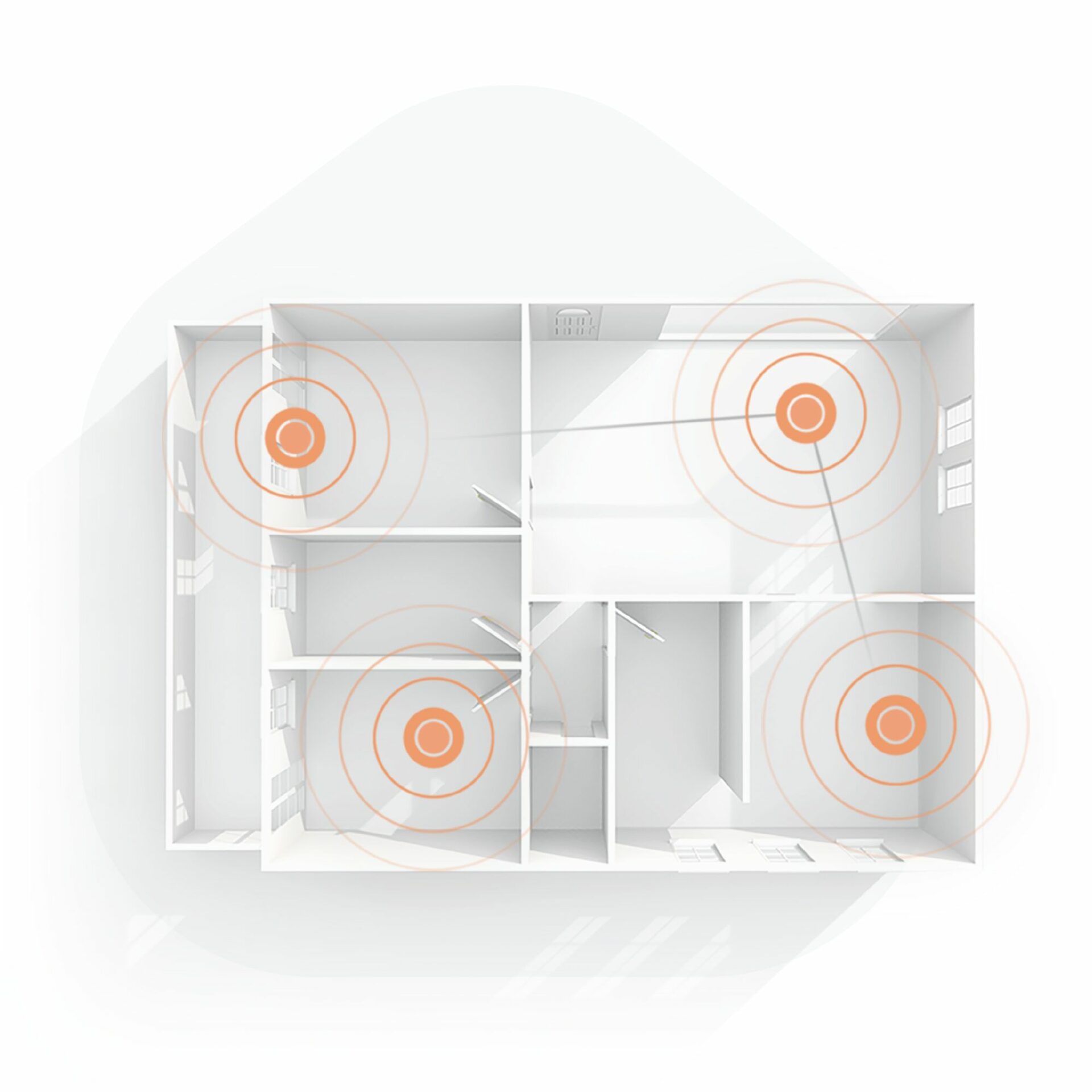
Credit: www.fireangel.co.uk
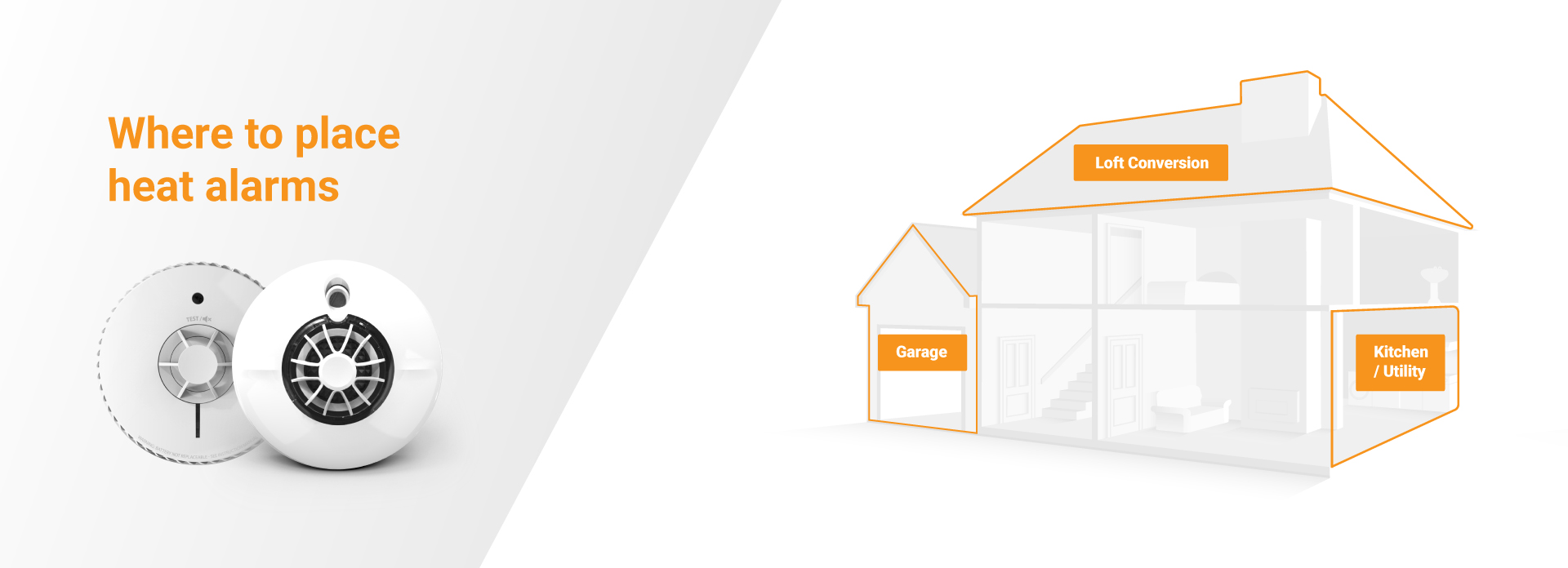
Credit: www.fireangel.co.uk
Frequently Asked Questions
Where Is The Best Location For A Kitchen Heat Detector?
Place the heat detector on the ceiling, at least 4 inches from walls. Avoid installing near cooking appliances to reduce false alarms. Position it where heat from a fire will rise quickly.
Can Heat Detectors Prevent False Alarms In Kitchens?
Yes, heat detectors respond to temperature changes, not smoke. This reduces false alarms caused by cooking smoke and steam. They are ideal for kitchens where smoke detectors often trigger unnecessarily.
How Far Should A Heat Detector Be From The Stove?
Install the heat detector at least 3 feet away from the stove. This placement prevents false alarms from normal cooking heat. It ensures the detector only activates during real fire conditions.
Are Heat Detectors Mandatory In Kitchen Safety Setups?
While not always legally required, heat detectors enhance kitchen safety. They provide early fire detection without false alarms. Many building codes recommend or require them in kitchen areas.
Conclusion
Placing a heat detector in the right kitchen spot keeps your home safer. Mount it on the ceiling, away from cooking appliances. Avoid areas with steam or smoke that trigger false alarms. Check local rules for proper installation height. Test the detector regularly to ensure it works well.
A good spot helps detect real fires fast. Protect your family with careful placement. Safety starts with smart choices in your kitchen.