
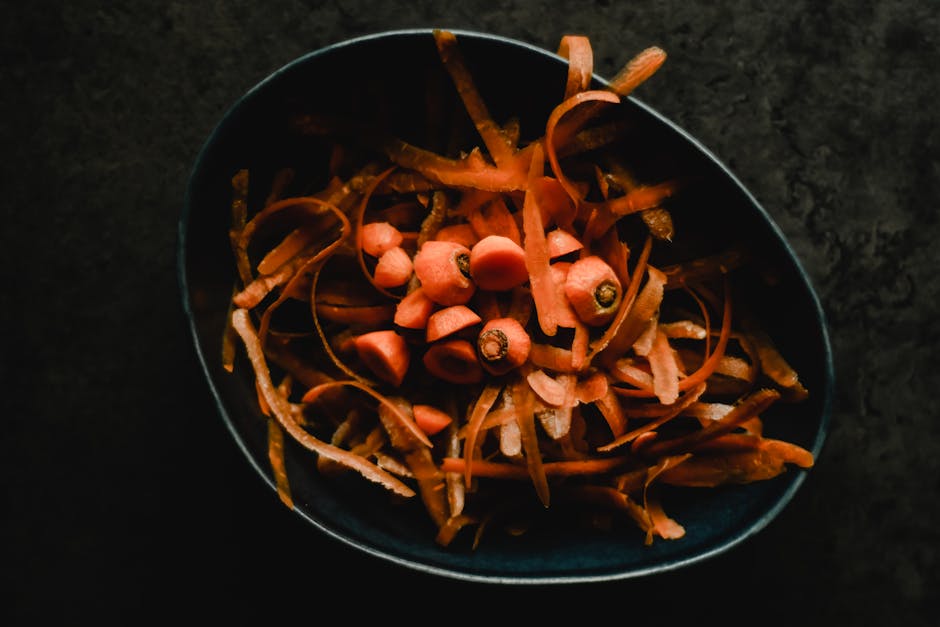
Have you ever wondered how long it takes for your kitchen scraps to turn into rich, healthy compost? If you’re eager to reduce waste and nourish your garden, knowing the composting timeline can make all the difference.
Understanding this process helps you plan better and stay motivated as you watch your food scraps transform. You’ll discover exactly how long composting takes and tips to speed it up, so you can start enjoying the benefits sooner. Keep reading to unlock the secrets of efficient composting right in your own home.

Credit: gracefulgardens.com
Compost Basics
Composting turns kitchen scraps into rich soil. It helps reduce waste and supports plants. The process needs the right materials, air, moisture, and time.
Understanding what you can compost speeds up the process. Some items break down fast. Others take longer or should be avoided.
What Can You Compost
- Fruit and vegetable peels
- Eggshells, crushed
- Coffee grounds and filters
- Tea bags (without plastic)
- Fresh grass clippings
- Dry leaves and small branches
- Paper towels and napkins (unbleached)
Avoid composting meat, dairy, oils, or pet waste. These attract pests and cause odors.
Types Of Kitchen Scraps
Kitchen scraps fall into two groups: green and brown.
| Green Scraps | Brown Scraps |
|---|---|
| Vegetable peels | Dry leaves |
| Fruit scraps | Paper |
| Coffee grounds | Cardboard |
| Fresh herbs | Egg cartons |
Green scraps provide nitrogen. Brown scraps add carbon. Both are needed for healthy compost.

Credit: www.yahoo.com
Factors Affecting Compost Time
Understanding the factors that affect how long it takes to compost kitchen scraps can make a big difference in your composting success. Composting isn’t just about tossing scraps into a pile and waiting; it's about creating the right environment for nature to break down materials efficiently. Let’s look at some key factors that can speed up or slow down this process, helping you get rich compost faster.
Moisture Levels
Moisture is like the lifeblood of compost. If your kitchen scraps are too dry, the microbes that break down the material won’t thrive. On the other hand, too much water creates a soggy mess that slows decomposition and smells bad.
Think of your compost as a wrung-out sponge—damp but not dripping. You can easily check moisture by squeezing a handful of compost; it should feel like a damp towel, not wet soil. Adjust moisture by adding dry materials like shredded paper if it’s too wet, or water if it’s too dry.
Temperature
Temperature plays a huge role in compost speed. Warm piles, ideally between 130°F and 160°F (54°C to 71°C), encourage fast microbial activity. When your pile heats up, it’s a sign decomposition is working well.
Have you ever noticed your compost getting cold in winter? That’s normal, but it also means the process slows down. To keep it warm, try insulating your pile or turning it more often to trap heat and oxygen.
Aeration
Air is essential for composting because most decomposers need oxygen. Without enough airflow, your pile can become compacted and smelly, slowing down the breakdown of scraps.
Turning your compost regularly introduces fresh oxygen and prevents clumps from forming. It’s like giving your pile a breath of fresh air. If you’re using a bin, consider one with ventilation or poke holes to keep air moving.
Scrap Size
The size of your kitchen scraps can drastically affect how fast they break down. Smaller pieces have more surface area for microbes to attack, speeding up decomposition.
Chopping or blending your scraps before adding them to the compost can cut down compost time by days or even weeks. Think about saving your food processor scraps instead of whole vegetable peels—they’ll compost much faster.
Average Composting Times
Composting kitchen scraps is an environmentally friendly way to reduce waste. The time it takes for scraps to turn into compost can vary. Factors like composting method and environmental conditions play a role. Understanding the average times helps manage expectations and plan gardening schedules.
Fast Composting Methods
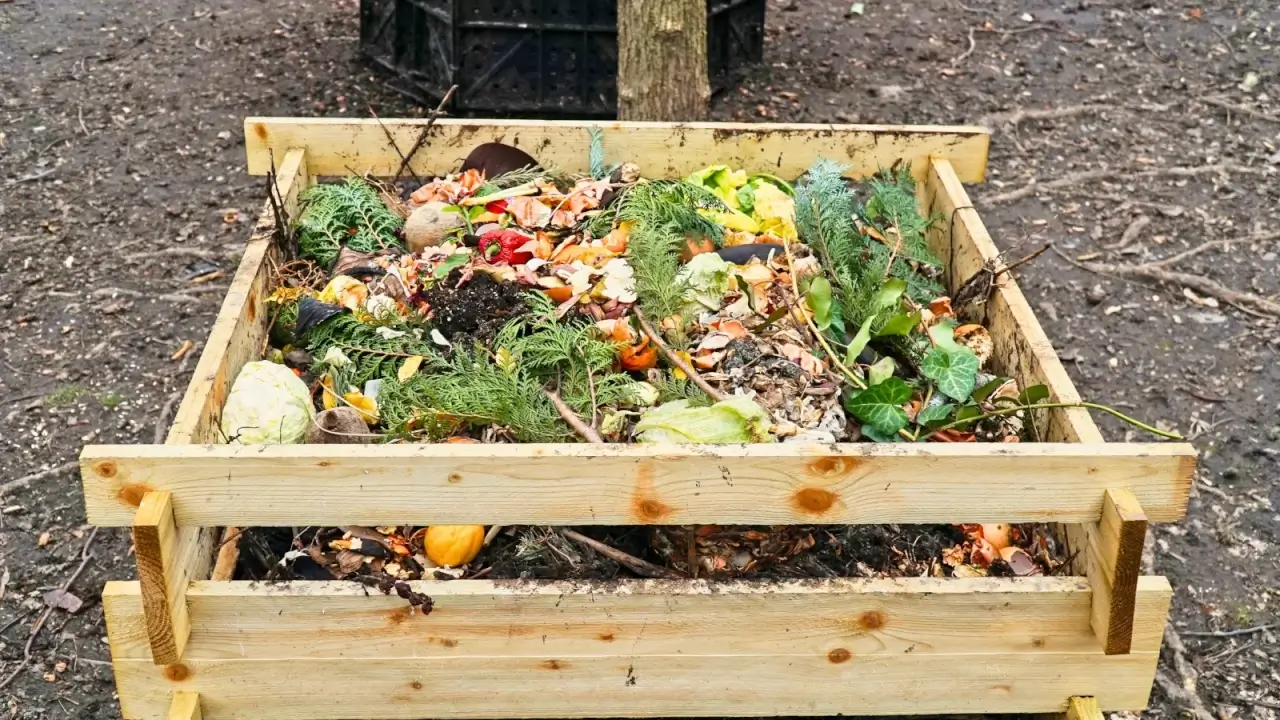
Fast composting methods can produce results in weeks. These methods require active management and the right conditions. Regular turning and moisture control speed up decomposition. Using smaller scraps also enhances the process. Examples include hot composting and compost tumblers.
Traditional Composting
Traditional composting is less intensive but takes longer. It can take several months to a year. The process is slower because it relies on nature. Piles are turned less frequently. This method is ideal for those with more patience and space.
Vermicomposting
Vermicomposting uses worms to break down scraps efficiently. It usually takes a few months to complete. This method is perfect for indoor composting. Worms work best at moderate temperatures. They thrive in well-maintained bins. This produces rich compost called worm castings.
Credit: modernfarmer.com
Tips To Speed Up Composting
Composting kitchen scraps can sometimes feel like a slow process, but there are practical ways to speed it up. Adjusting how you prepare and manage your compost pile can make a big difference. Here are some tips to help you get rich, dark compost faster and keep your kitchen waste working efficiently.
Chop Scraps Small
Cutting your kitchen scraps into smaller pieces increases the surface area for microbes to work on. This simple step can significantly reduce composting time because tiny bits break down faster than large chunks. Try chopping vegetable peels, fruit scraps, and coffee grounds before adding them to your pile.
Maintain Balance Of Greens And Browns
Compost needs a good mix of “greens” (nitrogen-rich materials like fruit scraps) and “browns” (carbon-rich materials like dry leaves or paper). Too many greens can make your pile smelly and slow down decomposition. Are you adding enough browns to absorb moisture and keep the pile aerated? Aim for about 2 to 3 parts browns to 1 part greens for the best results.
Turn The Pile Regularly
Flipping your compost pile every few days adds oxygen, which speeds up the breakdown process. I used to forget this step, and my compost took months longer. Once I started turning the pile weekly, I noticed the scraps decomposed much quicker and the pile stayed fresher without odors.
Common Composting Challenges
Composting kitchen scraps can be rewarding but comes with common challenges. These problems can slow down the process or create unwanted side effects. Understanding these issues helps keep your compost healthy and efficient.
Odor Issues
Bad smells often come from too much moisture or food that rots too fast. Avoid adding oily or dairy products. Turn your compost regularly to add air and reduce smell. Balance wet and dry materials to keep odors away.
Pest Problems
Pests like flies, rodents, and ants may visit your compost pile. They are attracted to food scraps left exposed. Cover scraps with brown materials such as leaves or shredded paper. Use a closed compost bin to prevent pest access.
Slow Decomposition
Slow breakdown happens when compost is too dry or lacks air. Small pieces of food scraps break down faster. Chop scraps before adding them. Keep your compost moist but not wet and turn it often to speed up decomposition.
Using Finished Compost
Using finished compost is a great way to enrich soil naturally. It improves soil texture, helps retain moisture, and provides nutrients for plants. Finished compost looks dark and crumbly and has an earthy smell. It supports healthy plant growth without chemical fertilizers.
Signs Compost Is Ready
- Dark brown or black color
- Crumbly texture, like soil
- Earthy, pleasant smell
- No visible food scraps or large materials
- Stable temperature, no heat inside
How To Use In Your Garden
- Mix compost with garden soil before planting
- Top-dress around plants to provide nutrients
- Use as mulch to reduce weeds and retain water
- Add to potting mixes for container plants
- Sprinkle on lawns to improve grass growth
Frequently Asked Questions
How Long Does Kitchen Scrap Composting Usually Take?
Composting kitchen scraps typically takes 2 to 6 months. This depends on factors like temperature, moisture, and aeration. Properly balanced scraps and regular turning speed up decomposition. Cold or dry conditions can slow the process significantly.
What Affects The Speed Of Composting Kitchen Scraps?
The speed depends on moisture, temperature, oxygen, and scrap types. High moisture and warmth accelerate composting. Turning the pile regularly adds oxygen, boosting breakdown. Harder materials like eggshells take longer to decompose than soft scraps.
Can I Compost All Kitchen Scraps At Home?
Most fruit and vegetable scraps compost well at home. Avoid meat, dairy, and oily foods as they attract pests and smell. Coffee grounds, eggshells, and bread are good compost materials. Balance green and brown scraps for best results.
How To Know When Kitchen Scrap Compost Is Ready?
Finished compost is dark, crumbly, and smells earthy. Scraps are no longer recognizable. The pile shrinks in size and feels warm initially but cools down. These signs indicate your kitchen scraps have fully decomposed.
Conclusion
Composting kitchen scraps takes time and patience. It usually needs a few weeks to several months. Factors like temperature, moisture, and materials affect speed. Chopping scraps smaller helps them break down faster. Turning the pile often also speeds up composting.
The result is rich soil for gardens and plants. Start composting today to reduce waste and help nature. Enjoy watching scraps turn into valuable compost over time.