
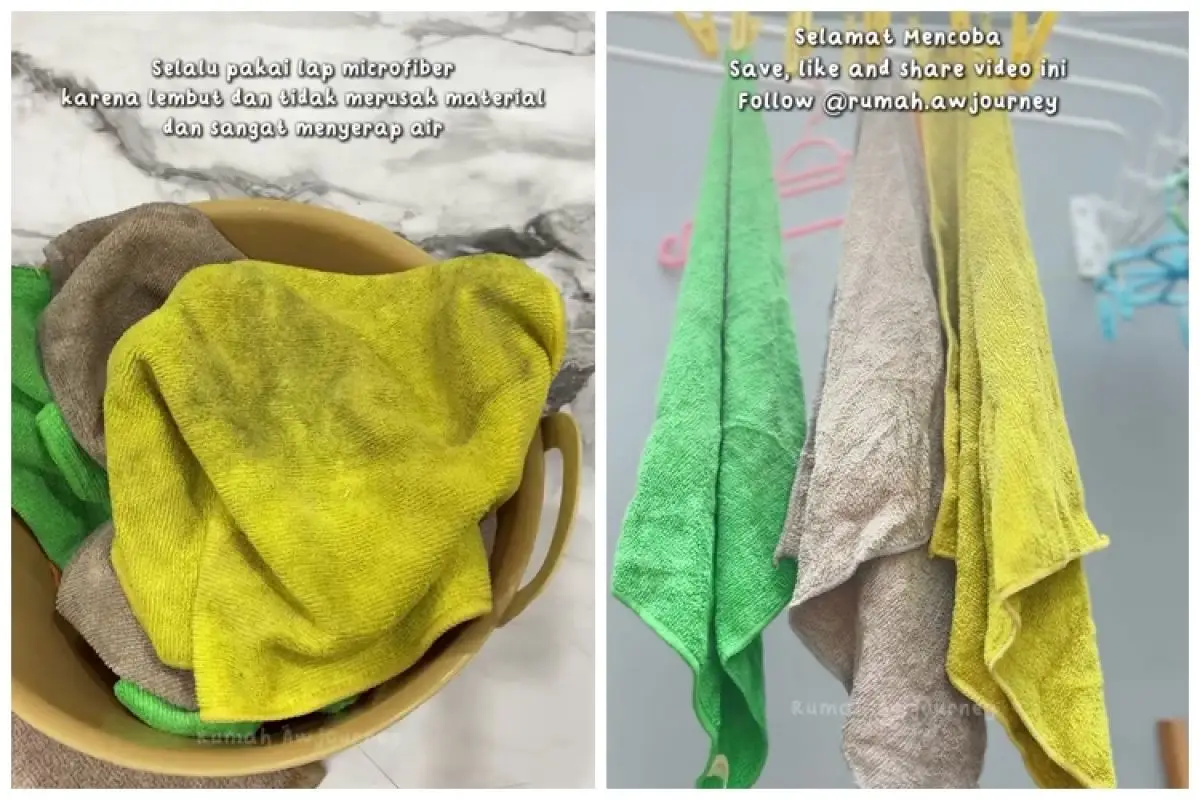
Your kitchen cloth works hard every day, soaking up spills and wiping away messes. But when was the last time you gave it a proper clean?
If your cloth feels grimy, smells unpleasant, or just doesn’t look fresh anymore, it’s time to take action. Cleaning your kitchen cloth the right way not only keeps your kitchen hygienic but also helps it last longer. Keep reading, and you’ll discover simple, effective methods to bring your dirty kitchen cloth back to life—quickly and easily.
Common Causes Of Dirty Kitchen Cloths
Dirty kitchen cloths don't just happen by chance. Understanding what causes them to get grimy can help you tackle the problem more effectively. Your cloths face a mix of food particles, moisture, and germs every day, all of which contribute to their dirty state.
Food Residue And Stains
Kitchen cloths often carry leftover bits of food, which stick to the fabric and cause stains. Grease from cooking oils and sauces can be especially stubborn, making your cloth look grimy quickly.
Have you ever noticed how wiping up a spill leaves a visible mark even after washing? That’s because some residues bond tightly with the fibers. Rinsing your cloth immediately after use can reduce these tough stains.
Bacterial Growth
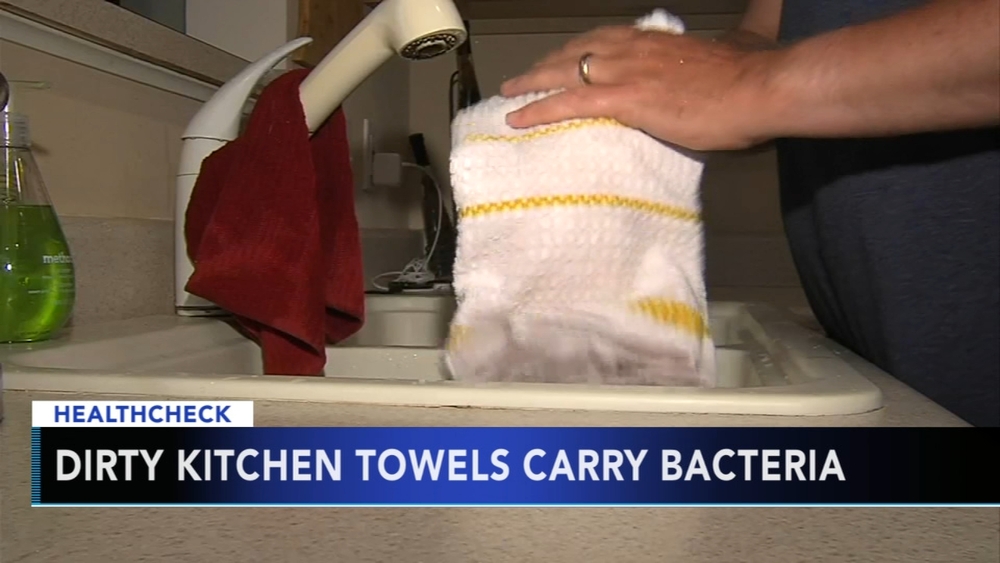
Moist environments are perfect breeding grounds for bacteria. When you leave a damp cloth in the sink or on the counter, germs multiply rapidly.
This bacterial growth doesn’t just make your cloth dirty; it can also spread illness. Regularly sanitizing your cloth can prevent this hidden buildup and keep your kitchen safer.
Odor Build-up
Have you ever pulled out a kitchen cloth only to be hit by a bad smell? Odors develop when food particles and bacteria break down over time.
Simply washing the cloth in cold water might not be enough to remove these smells. Using hot water or adding vinegar during washing can help eliminate persistent odors effectively.

Credit: en.brilio.net
Quick Daily Cleaning Tips
Keeping your kitchen cloth clean every day helps stop germs and bad smells. Quick daily cleaning takes little time but keeps your cloth fresh and ready. Simple habits make a big difference in hygiene and cloth life.
Rinsing After Use
Rinse your kitchen cloth with hot water after each use. This removes food bits and oils quickly. Avoid leaving the cloth wet or dirty on the sink. Clean cloths dry faster and stay fresher.
Air Drying Properly
Hang your kitchen cloth in a well-ventilated spot. Let it dry fully before the next use. Avoid folding or leaving it in a damp pile. Dry cloths prevent bacteria and bad odors from growing.
Using Vinegar Or Lemon
Use vinegar or lemon to remove tough smells and stains. Soak the cloth in a bowl with water and a cup of vinegar or lemon juice. Let it sit for 15-20 minutes, then rinse well. This natural method cleans and freshens without chemicals.
Deep Cleaning Methods
Dirty kitchen cloths can harbor bacteria and unpleasant odors if not cleaned thoroughly. Deep cleaning goes beyond a quick wash to ensure your cloths are hygienic and fresh. Let’s look at some effective ways to give your kitchen cloths a proper deep clean that you can trust.
Soaking In Baking Soda Solution
Baking soda is a natural cleaner and deodorizer. To deep clean your kitchen cloth, dissolve 3 tablespoons of baking soda in a bucket of warm water.
Soak the cloth in this solution for at least 30 minutes. This helps to break down grease and neutralize odors.
Have you noticed how stubborn smells disappear after this soak? It’s a simple step you might be overlooking.
Boiling For Sterilization
Boiling kitchen cloths kills germs and removes tough stains. Bring a pot of water to a rolling boil and submerge the cloths for 5 to 10 minutes.
Be careful not to burn yourself when handling hot cloths. This old-fashioned method is surprisingly effective for sterilizing without chemicals.
Try it next time your cloth feels grimy but isn’t visibly dirty—you might be surprised by how clean it gets.
Using Bleach Safely
Bleach can be powerful, but it requires caution. Always dilute bleach before use—about 1 tablespoon of bleach per quart of water is enough.
Soak the cloth for 5 minutes, then rinse thoroughly to avoid any residue. Make sure to wear gloves and work in a well-ventilated area.
Are you careful about the amount of bleach you use? Too much can damage fabric and irritate skin, so precision matters.
Credit: 6abc.com
Choosing The Right Detergents
Choosing a detergent with strong grease-cutting power helps remove tough stains from kitchen cloths. Look for mild formulas that protect fabric while cleaning deeply. This keeps cloths fresh and ready for daily use.
Choosing the right detergent is vital for cleaning dirty kitchen cloths. The detergent you choose affects how effectively stains are removed. It also impacts the longevity of your kitchen cloths. Let's explore the options.
Natural Vs Chemical Detergents
Natural detergents come from plant-based ingredients. They are gentle on fabric and skin. These detergents are eco-friendly and biodegradable. They often contain essential oils for fragrance. Chemical detergents, on the other hand, are synthetic. They are strong and effective against tough stains. These detergents may contain bleach or other harsh chemicals. Some people prefer them for their powerful cleaning action.
Detergents For Stubborn Stains
Stubborn stains need special attention. Use a detergent with enzymes for these stains. Enzymes break down proteins and grease effectively. Pre-treating stains with a stain remover can help. Rub the detergent directly onto the stain. Let it sit for a few minutes before washing. This method increases the chance of removing tough stains. Choose a detergent that suits your cleaning needs. Consider the environment and your health. Your kitchen cloths will thank you for it.
Preventing Future Dirt And Odor
Keeping kitchen cloths clean helps stop dirt and smell from building up. Clean cloths make your kitchen safer and more pleasant. Simple habits can keep your cloths fresh and ready to use.
Replacing Cloths Regularly
Old cloths hold bacteria and bad odors. Change your kitchen cloths often to avoid germs. A fresh cloth cleans better and smells good. Toss cloths that look worn or smell bad.
Proper Storage Practices
Store cloths in dry places to stop mold and smell. Hang cloths after use to let them dry fully. Avoid leaving damp cloths in a pile or sink. Clean storage stops bacteria from growing.
Using Multiple Cloths For Different Tasks
Use different cloths for dishes, counters, and spills. This stops germs from moving around your kitchen. Label or color-code cloths to keep tasks clear. Swap cloths often to keep each one clean.
Tips For Maintaining Kitchen Cloth Freshness
Keeping kitchen cloths fresh is essential for a clean and healthy kitchen. Fresh cloths prevent bad odors and reduce germs. Simple daily habits help maintain cleanliness. Follow these tips to keep your kitchen cloths smelling and looking great.
Frequent Washing Schedule
Wash kitchen cloths often to stop bacteria growth. Ideally, wash them after each day’s use. Use hot water and a good detergent. Avoid letting cloths sit wet for long. Dry them completely before reuse to prevent mold.
Avoiding Cross-contamination
Use separate cloths for different kitchen tasks. One for dishes, another for wiping counters. Keep raw meat spills away from cloths used on vegetables. Label cloths or use color codes to avoid mix-ups. This practice keeps germs from spreading.
Using Fabric Fresheners
Add fabric fresheners to washing cycles for extra freshness. Choose mild, non-toxic fresheners safe for kitchen use. Natural options like vinegar or baking soda help neutralize odors. Refresh cloths regularly to keep them smelling clean.
Frequently Asked Questions
How Often Should I Wash Kitchen Cloths?
Kitchen cloths should be washed after every use to prevent bacteria buildup. Regular washing keeps them hygienic and odor-free. Use hot water and detergent for effective cleaning.
What Is The Best Way To Remove Stains From Kitchen Cloths?
Pre-soak cloths in a mixture of warm water and baking soda or vinegar. Then wash with hot water and detergent. This method effectively removes stains and odors.
Can I Use Bleach To Clean Kitchen Cloths Safely?
Yes, bleach can disinfect and whiten kitchen cloths. Use diluted bleach and avoid mixing with other cleaners. Rinse thoroughly to prevent fabric damage.
How Do I Dry Kitchen Cloths Properly?
Air drying in sunlight is best as sunlight naturally disinfects. If using a dryer, select a high heat setting. Ensure cloths are completely dry to avoid mildew.
Conclusion
Cleaning your kitchen cloth regularly keeps it fresh and safe to use. Use hot water and soap to remove germs and stains. Avoid letting dirt build up, as it can cause bad smells and bacteria. Dry the cloth completely after washing to stop mold growth.
A clean cloth helps maintain a healthy kitchen and makes cooking more pleasant. Simple care steps save time and keep your cloth ready for any mess. Keep your kitchen cloth clean, and enjoy a fresher cooking space every day.