
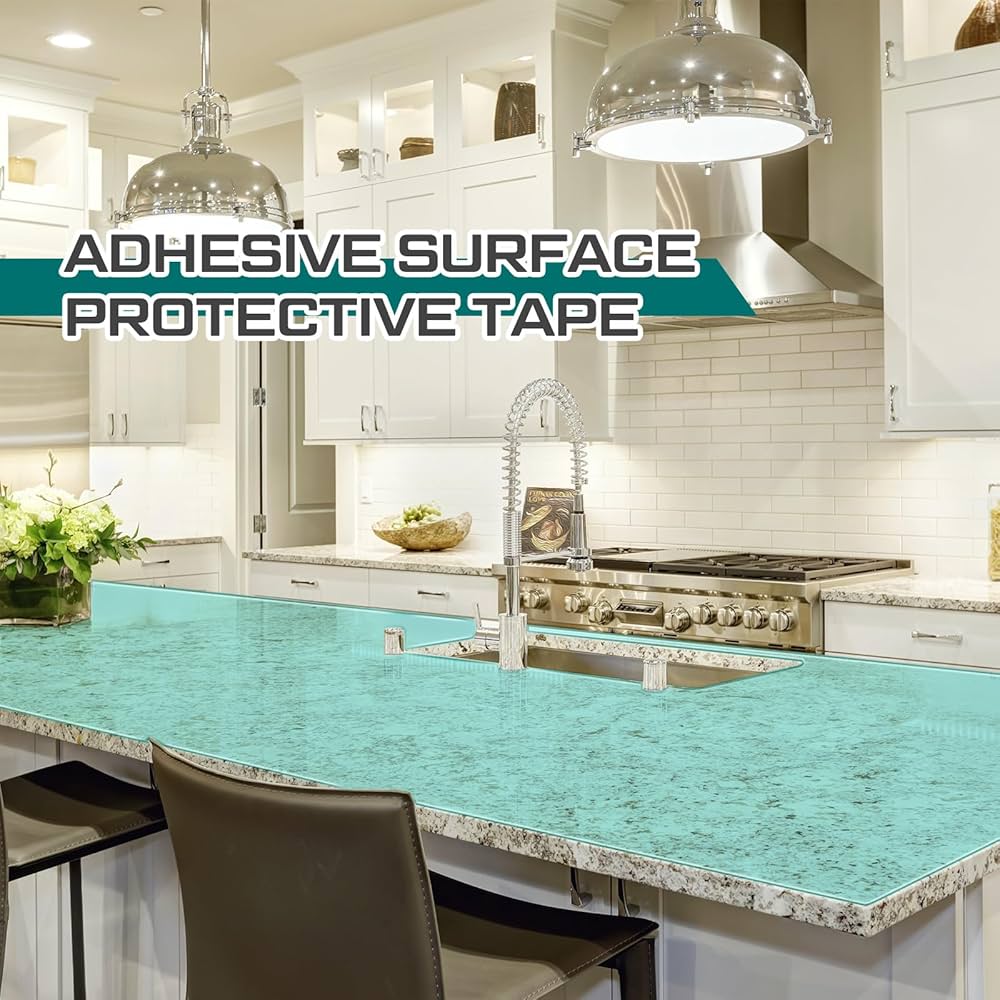
How to Cover Kitchen Counters. Your kitchen counters are more than just a workspace—they set the tone for your entire kitchen. If they’re worn out, stained, or just plain boring, it can make cooking and spending time in your kitchen less enjoyable.
But the good news? You don’t have to replace them to get a fresh, stylish look. You’ll discover simple, effective ways to cover your kitchen counters that fit your style and budget. Ready to transform your kitchen without the hassle or high cost?
Let’s dive in and find the perfect solution for your space.

Credit: www.amazon.com
Choosing The Right Material
Choosing the right material for your kitchen counters is crucial. It affects not only the look but also the durability and maintenance of your workspace. Think about how you use your kitchen and what qualities matter most to you before making a decision.
Natural Stone Options
Natural stones like granite, marble, and quartz add timeless beauty and strength to your kitchen. Granite resists heat well, making it perfect if you often place hot pots on your counters. Marble offers elegance but scratches easily, so it requires careful maintenance.
Quartz combines natural stone with resin, creating a durable, non-porous surface that resists stains. If you want a mix of beauty and low upkeep, quartz might be the best fit for your busy kitchen.
Laminate Surfaces
Laminate counters are budget-friendly and come in countless colors and patterns. They are easy to clean and install, ideal if you want a quick refresh without a big expense. However, they can chip or burn, so avoid cutting directly on the surface.
Consider laminate if you want style variety on a tight budget and can handle gentle care. Would you prefer a practical surface that looks good without breaking the bank?
Butcher Block Benefits
Butcher block counters bring warmth and natural texture to your kitchen. They are excellent for chopping and food prep but require regular oiling to stay in good shape. Small scratches and dents add character, making your kitchen feel inviting and lived-in.
If you enjoy cooking hands-on and want a surface that can handle wear, butcher block is worth considering. Can you commit to the maintenance it needs to keep looking great?
Concrete And Its Appeal
Concrete offers a modern, industrial vibe and can be customized with stains or finishes. It’s incredibly strong but can crack if not installed properly or if it experiences heavy impact. Sealing concrete counters is essential to prevent stains and water damage.
Think about concrete if you want a unique, sturdy surface and don’t mind occasional upkeep. Are you ready to invest in a statement piece that ages beautifully with use?
Recycled Materials
Recycled countertops made from glass, paper, or composite materials are eco-friendly and innovative. They often feature bold colors and patterns that stand out. These surfaces tend to be durable and easy to clean, perfect if you want something sustainable and stylish.
Choosing recycled materials can reduce your environmental footprint while giving your kitchen a fresh look. How important is sustainability in your home design choices?
Budget-friendly Upgrades
Updating your kitchen counters doesn't have to drain your wallet. Budget-friendly upgrades can transform your space with minimal cost and effort. These ideas let you refresh your counters quickly, giving your kitchen a fresh look without a full renovation.
Peel-and-stick Coverings
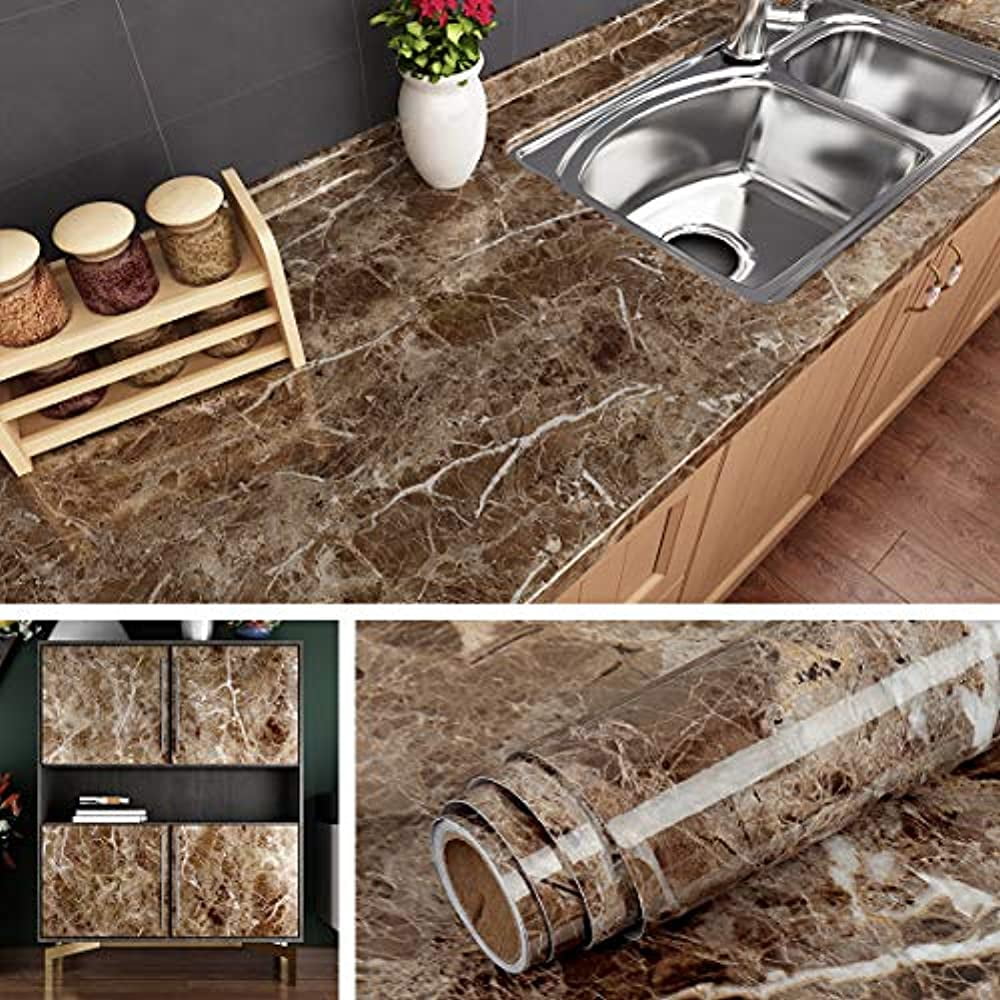
Peel-and-stick coverings are a game changer for budget-conscious kitchen makeovers. They come in various styles, from faux marble to wood grain, allowing you to mimic expensive materials easily.
Applying these coverings is straightforward—you simply clean the surface, peel off the backing, and stick them on. Have you tried this DIY trick? It saved me a lot of money and gave my counters an instant facelift.
They are also removable, which means you can change the look anytime without damage. Keep in mind, though, that their durability depends on the brand and the surface you apply them to.
Paint Techniques For Counters
Painting your counters is another cost-effective upgrade that offers a surprising amount of customization. Special countertop paints are designed to withstand wear and moisture, making them perfect for kitchen surfaces.
You can create patterns, add stencils, or even mimic stone textures with the right paint and techniques. Have you ever thought about using a sponge or rag to add texture to your counters? It’s easier than it sounds and adds unique character.
Proper preparation is key—clean and sand the surface before painting to ensure good adhesion. This method requires patience but results in a personalized look that stands out.
Using Contact Paper Creatively
Contact paper isn’t just for lining drawers—it's a versatile option for covering kitchen counters on a budget. With endless patterns and colors available, it’s easy to find something that matches your style.
Try layering different patterns or cutting shapes to create a custom design. Have you ever experimented with mixing textures or adding metallic accents with contact paper? It can turn a plain counter into a conversation piece.
Applying contact paper requires a steady hand to avoid bubbles, but the process is forgiving and reversible. Plus, it’s simple to replace when you want a new look.
Diy Installation Tips
Covering your kitchen counters yourself can save money and give your space a fresh look. But success depends on careful preparation and the right approach. Let’s dive into practical tips that will help you install your new countertop cover with confidence.
Preparing The Surface
Start by clearing everything off your counters. Clean the surface thoroughly with a degreaser to remove all grease and dirt. Any leftover grime can prevent the new cover from sticking properly.
Next, check for any damage like chips or cracks. Fill these with a suitable filler and sand smooth once dry. A flat, even surface makes all the difference in how your new counter will look and last.
Have you ever rushed this step only to find bubbles or peeling later? Taking your time here saves headaches down the road.
Tools You’ll Need
- Measuring tape:Accurate measurements prevent costly mistakes.
- Utility knife:For precise trimming of the covering material.
- Sanding block or electric sander:To smooth the surface.
- Adhesive:Choose one recommended for your covering type.
- Roller:Helps press the cover evenly, avoiding bubbles.
- Clamps or weights:Keep the cover in place while adhesive sets.
- Cleaning supplies:Rags, degreaser, and gloves.
Gathering these tools before you start means you won’t have to interrupt your flow by searching for something mid-project.
Step-by-step Application
Begin by cutting the cover material slightly larger than your counter dimensions. This leaves room for adjustments and trimming later. Lay the cover over the counter to check the fit.
Apply adhesive evenly on the counter surface according to the product instructions. Don’t skimp on adhesive—uneven coverage leads to lifting edges. Gently place the cover onto the adhesive.
Use a roller to press down, starting from the center and moving outward. This pushes out air bubbles and ensures a tight bond. If edges lift, use clamps or weights to hold them down until the adhesive fully cures.
Once dry, carefully trim any excess material with your utility knife. Smooth edges give a professional finish and prevent peeling over time.
Would you be surprised how much smoother this process goes with patience and the right tools? Your counters can look brand new without the price tag of a full replacement.
Creative Design Ideas
Creative design ideas for covering kitchen counters include using peel-and-stick tiles or decorative contact paper. These options are affordable, easy to install, and can quickly refresh your kitchen’s look. Choose patterns or colors that match your style for a personalized touch.
Transforming your kitchen counters into a masterpiece doesn’t have to be a monumental task. With a few creative design ideas, you can breathe new life into your kitchen, making it a space that reflects your personality and style. From mixing textures and colors to incorporating unique patterns, the possibilities are endless. Let's dive into some exciting ways to give your kitchen counters a fresh look.
Mixing Textures And Colors
Imagine the visual appeal of contrasting textures and colors on your kitchen counters. Combining materials like smooth granite with rustic wooden accents can create a stunning visual contrast. You could even layer different shades of the same color for a subtle yet sophisticated effect. Think about using a matte finish on your countertop paired with glossy tiles. This combination not only adds depth but also creates a tactile experience every time you step into your kitchen. Mixing textures and colors can transform a dull kitchen into a vibrant culinary space.
Incorporating Backsplash Patterns
Your backsplash can be more than just a protective layer—it can be a statement piece. Consider using geometric patterns or mosaic tiles to add an artistic flair to your counters. The design possibilities are vast, and a unique backsplash can tie your kitchen's look together seamlessly. Why not play with symmetry and asymmetry? A well-placed pattern can draw the eye and create a focal point in your kitchen. It’s a simple yet effective way to personalize your space and make it truly yours.
Adding Decorative Edges
Sometimes, it's the small details that make the biggest impact. Adding decorative edges to your countertops can elevate their look instantly. Whether you prefer a classic ogee edge or a modern waterfall design, the right edge can add character and style. Consider the overall theme of your kitchen when choosing an edge design. A sleek, straight edge might suit a minimalist kitchen, while a more intricate edge could complement a traditional setting. Decorative edges are a subtle yet effective way to enhance your kitchen's aesthetic.
Maintaining Your New Counters
Maintaining your new kitchen counters is essential to keep them looking fresh and lasting longer. Each material has its own care routine, and understanding these can save you from costly repairs or replacements. Taking a few simple steps regularly can make a significant difference in preserving your investment.
Cleaning Tips For Different Materials
Different counter materials need different cleaning approaches. For example, granite and quartz require gentle cleaners that won’t damage their surface, while laminate can handle mild soaps and water.
- Granite and Quartz:Use a pH-balanced cleaner or just warm water with a soft cloth. Avoid acidic or abrasive cleaners that can dull the surface.
- Marble:Wipe spills immediately to prevent etching. Use a mild dish soap with water and a soft sponge.
- Laminate:Clean with a mixture of warm water and dish soap. Avoid scouring pads which can scratch the surface.
- Butcher Block/Wood:Clean with mild soap and water, dry immediately, and oil regularly to prevent drying out.
Have you noticed how quickly water spots or stains can appear if you don’t clean your counters right away? Quick action is often the best protection.
Preventing Damage And Stains
Preventing damage starts with everyday habits. Avoid placing hot pots directly on the surface; use trivets or hot pads instead.
Always use cutting boards rather than cutting directly on the counter. This prevents scratches and dulls knives less often.
Be mindful of spills from acidic foods like lemon juice or wine, especially on natural stone counters. Wiping them up immediately stops stains and etching from setting in.
Think about the last time you accidentally left a coffee mug on your counter. Did you notice a ring? Preventing such marks is easier than removing them.
When To Reseal Or Replace
Natural stone counters like granite and marble need periodic resealing to maintain their stain resistance. Typically, resealing every 1-2 years works, but check your counter’s porosity to decide.
If water no longer beads up on the surface, it’s a sign resealing is needed. You can test this by dropping a few drops of water and watching if it absorbs quickly.
Replacement is necessary if your counters have deep cracks, severe discoloration, or damage that affects functionality. Small chips can sometimes be repaired, but large damage often requires a full replacement.
Have you ever ignored small cracks only to find them worsen over time? Catching issues early can save you from a full kitchen overhaul.
Credit: www.walmart.com

Credit: www.ebay.com
Frequently Asked Questions
What Materials Work Best To Cover Kitchen Counters?
Popular materials include laminate, granite, quartz, and butcher block. Each offers durability and style options. Choose based on budget, maintenance, and kitchen use.
How Do I Prepare Kitchen Counters Before Covering?
Clean counters thoroughly and remove debris. Sand rough surfaces if needed. Ensure counters are dry and smooth for proper material adhesion.
Can I Cover Kitchen Counters Myself Or Hire A Pro?
DIY is possible with laminate or peel-and-stick options. Complex materials like granite need professional installation for best results and durability.
How Long Does It Take To Cover Kitchen Counters?
Simple coverings like contact paper take a few hours. Stone or tile installations can take several days including curing time.
Conclusion
Covering kitchen counters can change your space quickly. Choose materials that fit your style and budget. Measure carefully to avoid mistakes during installation. Clean and maintain surfaces to keep them looking fresh. Small updates make a big difference in your kitchen’s feel.
Enjoy a new look without a full renovation. Simple steps lead to great results you will love.