
Are your kitchen gloves always wet and uncomfortable after use? Keeping them dry is key to staying safe and hygienic while cooking or cleaning.
If you’ve ever wondered how to dry kitchen gloves quickly and effectively, you’re in the right place. This simple yet essential step can save you from unpleasant smells, bacteria buildup, and even skin irritation. Keep reading to discover easy tricks that will make your gloves last longer and keep your hands fresh every time you wear them.
Why Drying Kitchen Gloves Matters
Drying kitchen gloves is essential for hygiene and longevity. Wet gloves trap moisture and bacteria inside. This creates a breeding ground for germs that can cause odors and infections. Keeping gloves dry prevents these issues.
Dry gloves also last longer. Water weakens the material, causing cracks and tears. Drying gloves properly keeps them flexible and durable. This saves money by reducing frequent replacements.
Comfort is another reason to dry gloves. Wet gloves feel sticky and unpleasant. Dry gloves keep hands comfortable and dry during work. This improves safety by maintaining a good grip on utensils and dishes.
Preventing Bacterial Growth
Moist environments encourage bacteria and mold growth. Dry gloves stop bacteria from multiplying. This reduces the risk of food contamination and skin problems.
Extending Glove Lifespan
Water damages glove material over time. Dry gloves maintain their strength and shape. This reduces wear and tear and extends glove usability.
Improving Comfort And Safety
Wet gloves feel slippery and uncomfortable. Dry gloves provide a secure grip. Dry hands inside gloves prevent skin irritation and discomfort.

Credit: aapkabazar.co
Common Causes Of Wet Gloves
Wet kitchen gloves can be frustrating and uncomfortable, especially when you need them dry to handle kitchen tasks safely. Understanding why your gloves stay wet is the first step to solving the problem effectively. Let's look at some common causes that might be keeping your gloves damp longer than they should.
Improper Cleaning Techniques
Washing your gloves with too much water or not rinsing them properly can leave excess moisture trapped inside. Sometimes, gloves are rinsed but not wrung out well, causing water to linger. Have you ever noticed your gloves dripping after a quick rinse? That’s a sign they need more thorough drying before storage.
Storage In Humid Or Enclosed Spaces
Storing gloves in a closed drawer or a plastic bag without ventilation keeps moisture inside. Humidity inside your kitchen or storage area can also prevent gloves from drying completely. Ask yourself, where do you usually keep your gloves? A spot with air circulation can make a big difference.
Using Gloves For Wet Tasks Without Drying
Using gloves repeatedly for washing dishes or cleaning floors without drying them in between leads to persistent dampness. Wet gloves can trap water inside, making your hands feel clammy and uncomfortable. Do you dry your gloves right after use, or do they sit wet for a while?
Material Of The Gloves
Some glove materials hold water more than others. For instance, latex gloves can trap moisture inside, while cotton-lined gloves absorb water and take longer to dry. Knowing your glove’s material helps you choose the best drying method and avoid soggy gloves.
Damage Or Wear And Tear
Small holes or tears in gloves can let water seep in and make drying difficult. Worn-out gloves lose their protective quality and often stay wet because water gets trapped in damaged areas. Check your gloves regularly for signs of wear to keep them dry and safe.
Quick Drying Methods
Drying kitchen gloves quickly can save you time and prevent unpleasant odors from developing. Whether you're rushing to clean up after a big meal or just want to keep your gloves fresh, these quick drying methods will help you get the job done efficiently. Each technique offers a practical way to speed up the drying process without damaging your gloves.
Air Drying Techniques
Air drying is the simplest and safest way to dry your kitchen gloves. Hang them in a well-ventilated area, ideally near an open window or a fan. You can also turn the gloves inside out to allow air to reach the inner lining faster.
Have you tried hanging gloves on a clothes hanger or using a mesh laundry bag? These tricks improve airflow and reduce drying time significantly.
Using A Towel Or Cloth
Pat your gloves dry with a clean towel or cloth to remove excess moisture before air drying. Press gently to avoid stretching the material.
This quick step can cut drying time by hours. It’s especially handy when you don’t have much time to wait.
Hair Dryer Tips
A hair dryer is a fast way to dry gloves, but use it carefully to avoid overheating. Set the dryer to a low or medium heat setting and keep it moving to prevent damage.
Focus on both the inside and outside, but don’t hold the dryer too close. Have you noticed how some gloves dry unevenly? Moving the dryer around helps with even drying.
Oven Or Radiator Drying
Placing gloves near a radiator or in a warm oven (below 100°C or 212°F) can speed up drying. Avoid direct contact with heating elements to prevent melting or burning.
If using an oven, leave the door slightly open to allow moisture to escape. Always check your gloves frequently to ensure they don’t overheat.

Credit: www.amazon.ca
Preventing Moisture Build-up
Moisture build-up inside kitchen gloves is more than just uncomfortable—it can lead to unpleasant odors and even bacteria growth. Keeping your gloves dry is essential for hygiene and longevity. You might wonder how small changes in your routine can make a big difference in preventing that damp feeling.
Proper Storage Solutions
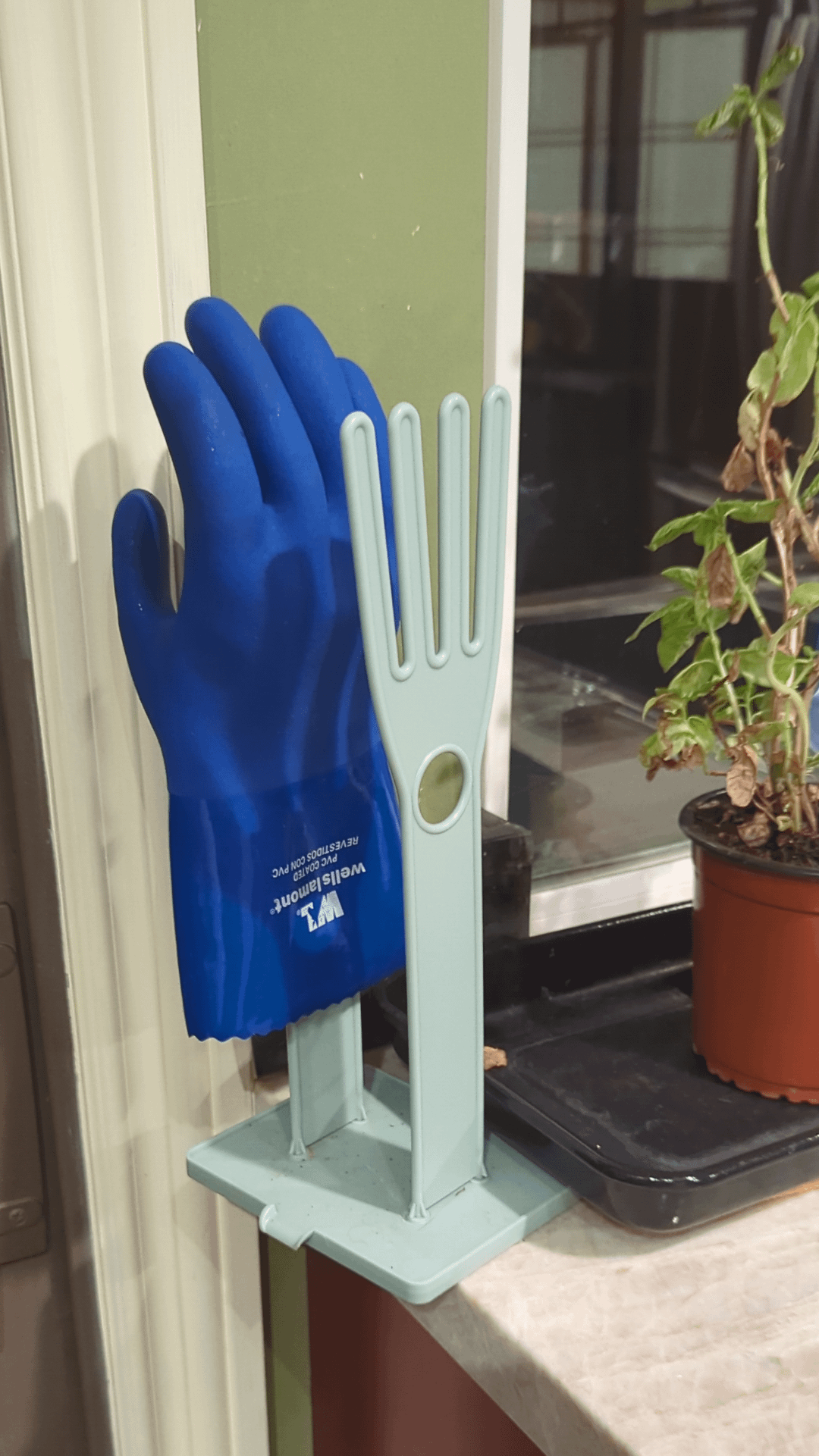
Where you keep your kitchen gloves affects how quickly they dry. Avoid stuffing them into closed drawers or cabinets right after use. Instead, hang them on a hook or place them on a rack where air circulates freely.
Consider using a dedicated drying stand or a ventilated container. This simple habit lets moisture escape and stops the gloves from staying wet for too long. Have you tried leaving your gloves in direct sunlight briefly? It’s an easy trick that speeds up drying naturally.
Choosing Breathable Gloves
Not all kitchen gloves are created equal when it comes to breathability. Gloves made from materials like cotton or those with mesh panels allow air to flow better, reducing sweat and moisture inside. If you’ve struggled with damp gloves, switching to breathable options might solve the problem.
Look for gloves labeled as “breathable” or “moisture-wicking.” These keep your hands dry even during long cooking sessions. What kind of gloves do you currently use, and could a material change help?
Regular Cleaning Habits
Dirt and food residue trapped inside gloves hold moisture and encourage bacterial growth. Cleaning your gloves regularly removes these moisture magnets. Wash them with mild soap after use and let them dry completely before storing.
If you use gloves often, schedule a weekly deep clean to keep them fresh. Avoid tossing damp gloves in the laundry basket; instead, give them time to dry first. How often do you clean your kitchen gloves, and does it impact their freshness?
Maintaining Glove Freshness
Dry kitchen gloves by turning them inside out to let air reach all areas. Hang them in a well-ventilated spot away from direct sunlight. This helps stop bacteria and keeps gloves fresh longer.
Maintaining fresh kitchen gloves is essential for hygiene and comfort. Proper care prevents odors and keeps gloves ready for use. Learn how to keep them fresh with these simple tips.
Deodorizing Tips
Unpleasant smells can cling to kitchen gloves. Regularly deodorize them for freshness. Sprinkle baking soda inside the gloves. Let them sit overnight. Shake out the powder the next day. Baking soda absorbs odors effectively. Alternatively, use a vinegar solution. Mix equal parts of vinegar and water. Spray the solution inside the gloves. Let them air dry completely. Vinegar helps neutralize strong smells.
Avoiding Mold And Mildew
Mold and mildew thrive in damp environments. Dry gloves thoroughly to prevent this. After washing, turn gloves inside out. Hang them in a well-ventilated area. Sunlight can help speed up drying. If possible, use a clean towel. Pat the gloves to remove excess moisture. Ensure gloves are completely dry before storing. Moisture invites unwanted growth, so keep them dry.
Credit: www.vevor.com
Frequently Asked Questions
How Do You Dry Kitchen Gloves Quickly?
To dry kitchen gloves quickly, wipe off excess water first. Then, place them in a well-ventilated area or near a fan. Avoid direct sunlight to prevent damage. Using a towel inside the gloves can also speed up drying by absorbing moisture efficiently.
Can I Dry Kitchen Gloves In A Dryer?
It is not recommended to dry kitchen gloves in a dryer. High heat can damage the material and reduce glove lifespan. Instead, air dry them naturally or use a fan. Always check the manufacturer's instructions for proper drying methods.
Why Is Drying Kitchen Gloves Important?
Drying kitchen gloves properly prevents bacteria and mold growth. Moisture inside gloves creates a breeding ground for germs. Dry gloves also last longer and maintain their grip and flexibility. Proper drying ensures hygiene and better glove performance in the kitchen.
How Often Should I Dry Kitchen Gloves?
You should dry kitchen gloves after every use. Immediate drying prevents moisture buildup and odor. Regular drying keeps gloves clean, safe, and ready for your next kitchen task. Make it a habit to air dry gloves right after washing.
Conclusion
Drying kitchen gloves properly keeps them clean and lasts longer. Always air dry gloves in a cool, ventilated spot. Avoid direct sunlight or heat sources that can damage material. Make sure gloves are fully dry before storing to stop mold and bad smells.
Regular care helps maintain glove safety and comfort. Follow these simple steps to keep your kitchen gloves ready for use every time. Clean, dry gloves protect your hands well and make cooking easier.