
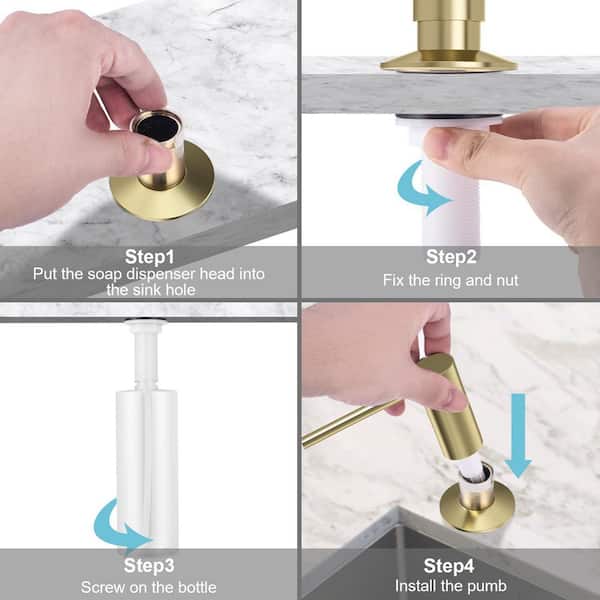
Is your kitchen soap dispenser stuck or not working like it used to? It’s frustrating when you need soap, but your dispenser won’t cooperate.
The good news is, you don’t have to call a plumber or buy a new one right away. With a few simple steps, you can fix your kitchen soap dispenser quickly and easily. Keep reading, and you’ll learn how to get it back to smooth, hassle-free use in no time.
Your sink area will feel cleaner and more organized, and you’ll save money too. Let’s dive in!

Credit: www.youtube.com
Common Soap Dispenser Issues
Kitchen soap dispensers often face common problems that stop them from working well. These issues can cause frustration during daily kitchen tasks. Understanding these problems helps fix the dispenser quickly and easily.
Common soap dispenser issues include blockages, mechanical faults, leaks, and soap delivery problems. Each problem has simple causes and solutions that anyone can try at home.
Clogged Nozzle
The nozzle can get clogged by dried soap or debris. This blockage stops soap from flowing smoothly. Cleaning the nozzle with warm water or a thin pin clears the clog. Regular cleaning prevents build-up and keeps the dispenser working.
Pump Mechanism Problems
The pump might stop working due to stuck parts or broken springs. This issue makes pressing the pump hard or useless. Gently pulling the pump out and checking for damage helps. Lubricating the moving parts can restore smooth action.
Leaking Dispenser
Leaks happen when seals or connections fail. Soap may drip from the pump base or bottle. Tightening loose parts or replacing worn seals stops leaks. Keeping the dispenser upright also reduces the chance of spills.
Soap Not Dispensing
The dispenser might not release soap despite pressing the pump. This issue can stem from empty soap, air bubbles, or clogs inside. Filling the dispenser and pumping several times removes air. Flushing the system with warm water clears any blockages.

Credit: www.amazon.com
Tools And Materials Needed
Fixing your kitchen soap dispenser becomes much easier when you have the right tools and materials at hand. Gathering everything before you start saves time and prevents frustration. It also helps you avoid unnecessary trips to the store halfway through the repair.
Essential Tools For Repairing Your Soap Dispenser
- Screwdrivers:Both flathead and Phillips screwdrivers are important for removing screws and opening the dispenser.
- Needle-nose Pliers:Great for gripping small parts and pulling out clogged pieces.
- Utility Knife:Useful for cutting seals or trimming damaged parts carefully.
- Funnel:Helps refill the soap reservoir without spills.
- Bucket or Bowl:To catch any soap or water that might spill during the repair.
Materials You’ll Need
- Replacement Parts:Such as new pump heads or tubes if the original ones are broken or clogged.
- Dish Soap or Cleaner:For cleaning out the dispenser before reassembly.
- Warm Water:To flush out clogs or soap build-up.
- Paper Towels or Cloth:For wiping up spills and drying parts.
- Lubricant (Optional):Food-safe lubricant can help if the pump mechanism feels stiff.
Why Prepare Properly Before You Start
Have you ever started fixing something only to realize you don’t have the right screwdriver? It’s frustrating and wastes time. By collecting your tools and materials first, you stay focused and finish the job faster.
Plus, having a clean workspace with all items ready helps you avoid misplacing small parts. It also keeps your kitchen tidy and prevents soap from making a mess. What’s one tool you think you might overlook but is actually essential for this fix?
Cleaning The Nozzle
Clogged nozzles often stop soap from coming out smoothly. Clean the nozzle by soaking it in warm water to remove blockages. Use a small brush or toothpick to clear any stuck soap inside.
Cleaning the nozzle of your kitchen soap dispenser can solve many issues. A blocked nozzle can prevent smooth soap flow. It can also cause leaks or drips. Regular cleaning ensures your dispenser works well. Let's dive into the steps.
Removing The Nozzle
First, detach the nozzle from the soap dispenser. Twist it gently to the left. Be careful not to use too much force. Excessive pressure can cause damage. Once loose, pull it off carefully.
Soaking And Scrubbing
Fill a bowl with warm water. Add a few drops of dish soap. Place the nozzle in the soapy water. Let it soak for 10 minutes. Use an old toothbrush to scrub the nozzle. Focus on any clogged areas. Rinse it under warm water after scrubbing.
Reassembling The Nozzle
Ensure the nozzle is dry. Align it with the dispenser opening. Push it gently until snug. Twist it to the right to secure it. Make sure it's tight to prevent leaks. Test the dispenser to ensure smooth operation.
Fixing The Pump Mechanism
The pump mechanism is the heart of your kitchen soap dispenser. When it stops working smoothly, soap won't come out, and frustration builds fast. Fixing the pump often restores full function without needing a full replacement.
Checking For Blockages
Soap residue and dried soap often clog the pump. Remove the dispenser head and run warm water through the pump tube. This can dissolve hardened soap and clear minor blockages.
If water alone doesn’t help, try soaking the pump parts in vinegar for about 15 minutes. Vinegar breaks down soap scum effectively. After soaking, rinse thoroughly and test the pump again.
Lubricating Moving Parts
Sometimes the pump feels stiff or sticky because the moving parts lack lubrication. Use a small amount of food-safe lubricant or petroleum jelly on the spring and plunger inside the pump. This reduces friction and helps the pump move smoothly.
Be careful not to add too much lubricant, as excess can mix with the soap and cause dispensing issues. Apply just enough to coat the surfaces lightly and work the pump a few times to spread it evenly.
Replacing Broken Components
If the pump still doesn’t work after cleaning and lubricating, a broken part might be the cause. Check for cracks in the spring, broken seals, or damaged plastic pieces. These parts wear out over time and stop the pump from functioning correctly.
Replacement parts are often inexpensive and available online or at hardware stores. Keep your dispenser model number handy to find the right parts. Swapping out a broken spring or seal can save you from buying a whole new dispenser.
Sealing Leaks
Sealing leaks in your kitchen soap dispenser is crucial to keep your sink area clean and avoid wasting soap. Leaks not only cause mess but can also damage the cabinet below. Tackling this issue early saves you time and frustration later.
Identifying Leak Sources
Start by examining the entire soap dispenser carefully. Check around the pump mechanism, bottle threads, and the base where it meets the sink. Look for any cracks, loose fittings, or worn-out seals that might be causing the leak.
Sometimes, a small crack in the plastic bottle is hard to spot but causes steady dripping. You can also try pressing the pump gently and watching where soap escapes. Pinpointing the exact source helps you choose the right fix.
Applying Waterproof Sealant
Once you find the leak, clean the area thoroughly to remove soap residue and dirt. Use a waterproof silicone sealant designed for kitchen use—these are safe around water and soap. Apply a thin, even layer around the crack or joint causing the leak.
Be careful not to block the pump or any moving parts. Let the sealant dry completely according to the instructions on the package—usually a few hours. This step often stops leaks caused by small cracks or loose seals.
Testing For Leaks
After the sealant dries, refill the dispenser with soap and pump a few times. Watch closely for any signs of dripping or wet spots forming. If you notice leaks, reapply sealant or check if a different area is causing the problem.
Testing your repair under normal use conditions ensures the fix holds up over time. Would you want to deal with another leak a week later? Taking time to test now prevents repeated hassle later.
Refilling And Testing
Refilling and testing your kitchen soap dispenser correctly can save you from frequent clogs and leaks. Paying attention to the type of soap and how you refill the dispenser ensures it works smoothly every time you use it. Testing after refilling confirms everything is in place and ready for action.
Choosing The Right Soap
Not all soaps work well in dispensers. Thick or gritty soaps can clog the pump quickly, causing frustration. Opt for liquid soaps labeled “for dispensers” or those with a thin consistency.
If you’ve ever used a foaming soap in a regular dispenser, you know it often doesn’t pump right. Using the right soap reduces wear and tear and keeps your dispenser running longer.
Proper Refilling Technique
Remove the dispenser pump carefully to avoid spills. Pour the soap slowly to prevent air bubbles, which can disrupt the pump’s suction. Fill the container about three-quarters full to leave room for the pump mechanism.
Wipe any soap drips around the opening to avoid sticky messes. A clean refill process helps maintain the dispenser’s mechanism and your countertop.
Ensuring Smooth Dispensing
After refilling, press the pump several times to prime it. This pushes soap into the tube and clears any air pockets. If the soap doesn’t come out smoothly, check for blockages or soap buildup around the nozzle.
Test the dispenser by pumping a few times; the flow should be steady and consistent. Have you noticed your dispenser working better after a quick clean and test? It’s often the simplest fix that makes the biggest difference.
Preventive Tips For Longevity
Keeping your kitchen soap dispenser in good shape saves time and money. Simple habits extend its life and keep it working smoothly. Follow these easy tips to avoid common problems and maintain your dispenser’s function.
Regular Cleaning Schedule
Clean the dispenser every week to stop soap build-up. Use warm water and a soft cloth to wipe the nozzle and pump. Remove any dried soap that may clog the parts. Regular cleaning prevents blockages and keeps soap flowing.
Using Suitable Soaps
Choose liquid soaps made for dispensers. Thick or gel soaps can clog the pump. Avoid soaps with added scrubs or large particles. Use soap with a smooth, runny texture for easy dispensing and less wear on the pump mechanism.
Avoiding Harsh Chemicals
Do not use bleach or strong cleaners on the dispenser. Harsh chemicals can damage plastic and seals. Stick to mild soap and water for cleaning. Gentle care protects the dispenser’s parts and prevents leaks or cracks.
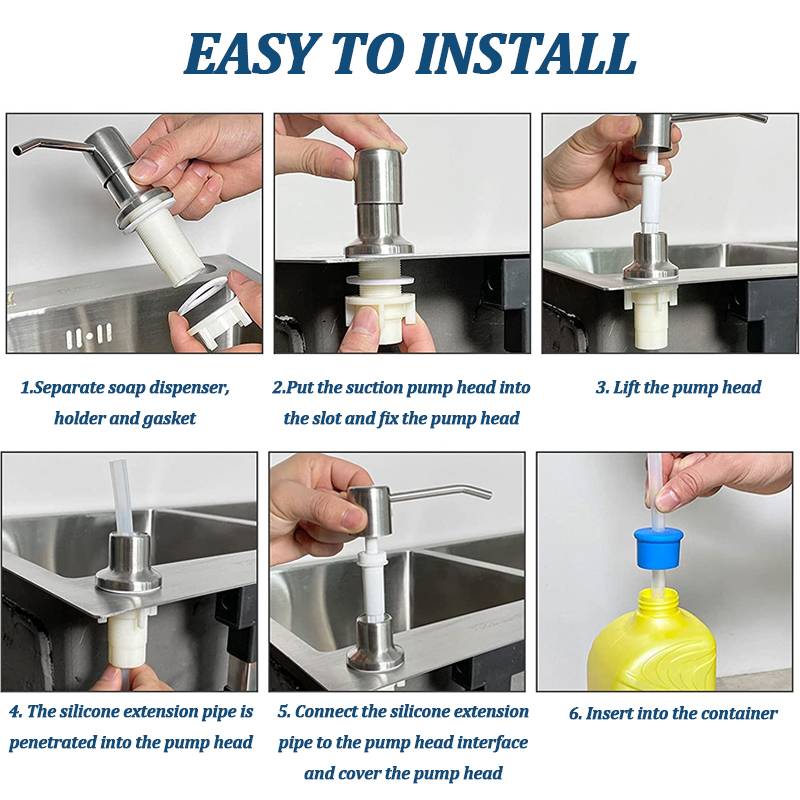
Credit: mpedia.ir
Frequently Asked Questions
How Do I Unclog A Kitchen Soap Dispenser?
To unclog a kitchen soap dispenser, remove the pump and soak it in warm water. Clean any soap residue with a thin brush. Rinse thoroughly and reassemble. This clears blockages and restores smooth dispensing.
Why Is My Soap Dispenser Not Pumping Soap?
Soap dispenser issues often occur due to dried soap or air bubbles. Clean the pump and refill soap if needed. Press the pump several times to release trapped air. This usually fixes common dispensing problems.
How Can I Fix A Leaking Soap Dispenser?
Check the dispenser’s base and pump for cracks or loose parts. Tighten connections carefully. Replace worn-out seals or parts if necessary. Proper assembly prevents leaks and maintains dispenser functionality.
What Soap Type Works Best For Dispensers?
Use liquid dish soap or hand soap with medium viscosity. Avoid thick or gel soaps as they may clog the dispenser. Proper soap consistency ensures smooth operation and prevents blockages.
Conclusion
Fixing your kitchen soap dispenser does not have to be hard. Check for clogs and clean parts regularly. Tighten any loose connections you find. Replace worn-out pieces if needed. Small steps can save time and money. Your kitchen stays neat and soap flows smoothly again.
Keep these tips handy for quick fixes next time. Simple care helps your dispenser last longer. Now, enjoy a clean sink with less hassle.