
Are your kitchen gloves always slipping out of reach or getting damaged too soon? How you store your gloves can make a big difference in how long they last and how ready they are when you need them.
If you want to keep your gloves clean, dry, and easy to find, this guide is just for you. Keep reading to discover simple, effective ways to store your kitchen gloves that will save you time and frustration every day.
Choosing The Right Gloves
Choosing the right kitchen gloves is more than just picking a color or style. The gloves you select affect your comfort, safety, and how long they last. Before you think about storing them, you need to understand what makes a glove suitable for your kitchen tasks.
Material Matters
Not all gloves are made equal. Different materials offer different benefits and protection levels.
- Latex:Flexible and great for detailed tasks, but watch out if you have allergies.
- Nitrile:Resistant to chemicals and punctures, ideal for tougher kitchen jobs.
- Vinyl:Budget-friendly and good for light tasks, but not as durable.
- Rubber:Often used for heavy-duty cleaning, providing excellent grip and protection.
Think about what you do most in the kitchen. Do you handle sharp knives or harsh cleaners? Your choice of material should match those tasks to keep your hands safe and comfortable.
Size And Fit
Gloves that don’t fit right can slow you down or even cause accidents. Too tight and they restrict movement; too loose and they slip off or reduce dexterity.
Try on different sizes if you can. Notice how the glove feels when you move your fingers and grip objects. You want a snug fit without cutting off circulation.
Have you ever struggled with gloves that felt like they were two sizes too big? That constant readjusting wastes time and patience. Investing a little time in finding the right fit pays off every time you cook or clean.
Credit: www.lazada.sg
Cleaning Gloves Properly
Proper cleaning of kitchen gloves keeps them safe and lasts longer. Dirt, oils, and bacteria can build up on gloves. Cleaning removes these and prevents bad smells. It helps maintain hygiene in the kitchen. Follow simple steps to clean gloves well. Use the right washing and drying techniques to avoid damage.
Washing Techniques
Start by rinsing gloves with warm water. This removes loose dirt and food particles. Use mild soap or detergent for cleaning. Avoid harsh chemicals that can weaken the material. Gently scrub the gloves inside and out with a soft brush or cloth. Pay attention to the fingertips and palm areas. Rinse thoroughly to remove all soap residue.
For deeper cleaning, soak gloves in warm soapy water for 10-15 minutes. This helps break down grease and stains. After soaking, scrub lightly and rinse well. Avoid using hot water as it can shrink or damage gloves. Check the care label for specific washing instructions.
Drying Methods
After washing, squeeze out excess water carefully. Do not twist or wring gloves as it can cause tears. Pat dry with a clean towel to remove moisture. Allow gloves to air dry completely before storing. Place them in a well-ventilated area away from direct sunlight or heat sources.
Drying gloves inside out speeds up the process and prevents bacteria growth. Avoid using a dryer or heater to speed drying. High heat can damage the material and reduce glove life. Proper drying keeps gloves fresh and ready for the next use.
Best Storage Spots
Finding the best storage spots for kitchen gloves can extend their life. Proper storage keeps them clean and ready for use. Consider these simple tips to keep your gloves in top condition.
Avoiding Moisture
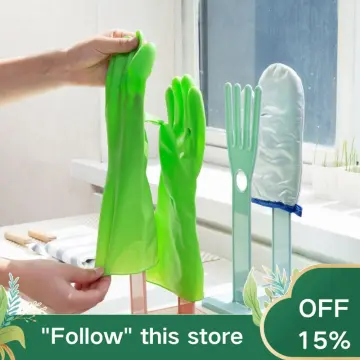
Moisture can damage kitchen gloves. Wet gloves can develop mold and unpleasant odors. Store them in a dry place away from sinks and stoves. A wall hook or drawer works well. Ensure the area has good air circulation. This helps keep gloves dry and fresh.
Using Airtight Containers
Airtight containers protect gloves from air and moisture. They maintain the gloves' texture and prevent dust accumulation. Choose a container that fits in your kitchen. Label it for easy identification. Make sure the container is clean and dry before placing gloves inside.
Credit: www.amazon.com
Maintaining Freshness
Keeping kitchen gloves fresh helps prevent bad smells and bacteria growth. Proper storage and care extend their life. Simple habits maintain cleanliness and freshness every time you use them. Pay attention to moisture and odors to avoid unpleasant experiences.
Using Deodorizers
Place small deodorizers near your stored gloves. Baking soda packets absorb moisture and neutralize smells. Activated charcoal works well to keep air fresh. Avoid strong scents that may irritate skin. Change deodorizers regularly for best results.
Regular Inspection
Check gloves often for dirt or damage. Look inside and outside for stains or tears. Wash gloves promptly if they smell or feel sticky. Dry gloves completely before storing to stop mold growth. Replace gloves if they become too worn or smelly.
Replacing Old Gloves
Replacing old kitchen gloves is key to keeping your hands safe and clean. Over time, gloves wear out and lose their protective power. Using damaged gloves can let dirt and germs reach your skin. Regular checks help you know when to swap them for new ones. This keeps your kitchen hygienic and your hands healthy.
Signs Of Wear
Look closely at your gloves before each use. Signs of wear include:
- Holes or tears in the material
- Cracks or thinning spots
- Stiff or sticky texture
- Discoloration or stains that won’t wash out
- Bad smell that does not go away
Gloves showing these signs should be replaced right away. Wearing damaged gloves reduces safety and comfort.
Disposal Tips
Dispose of old gloves responsibly. Follow these tips:
- Turn gloves inside out before throwing away
- Place used gloves in a sealed trash bag
- Do not reuse single-use gloves
- Recycle if the glove type allows
- Keep disposal area clean to avoid contamination
Proper disposal protects your health and the environment.

Credit: www.hgtv.com
Frequently Asked Questions
How Should I Dry Kitchen Gloves Before Storing?
Always dry kitchen gloves completely before storing. Moisture causes mold and bad odors. Hang gloves or air dry in a well-ventilated area for best results.
Where Is The Best Place To Store Kitchen Gloves?
Store kitchen gloves in a cool, dry place away from direct sunlight. Avoid damp cabinets or near heat sources to maintain glove quality.
Can I Store Kitchen Gloves Inside The Kitchen Drawer?
Yes, store gloves in a clean, dry drawer using a container or organizer. This keeps gloves accessible and prevents damage or contamination.
How Often Should I Clean Gloves Before Storing?
Clean kitchen gloves after every use with mild soap and water. Dry thoroughly before storing to prevent bacteria and maintain hygiene.
Conclusion
Storing kitchen gloves properly keeps them clean and ready to use. Dry them well before putting them away to stop mold growth. Choose a cool, dry spot that is easy to reach. Avoid folding or crushing gloves to keep their shape.
Regularly check gloves for damage and replace when needed. Good storage helps gloves last longer and stay safe. Simple steps make your kitchen more organized and hygienic. Keeping gloves in order saves time and effort daily. A small habit with big benefits.