
Keeping your kitchen spotless can sometimes feel like a never-ending task. But what if you could make cleaning faster, easier, and more effective?
That’s where the right kitchen cleaner comes in. Knowing how to use kitchen cleaner properly can transform your space, killing germs and leaving surfaces shining like new. You’ll discover simple steps to get the best results every time you clean.
Ready to make your kitchen cleaner and healthier? Let’s dive in.
Choosing The Right Cleaner
Choosing the right kitchen cleaner is essential for keeping your cooking space spotless without damaging surfaces or risking your health. The market offers a wide variety of cleaners, each designed for specific tasks. Understanding what to look for helps you pick a product that works effectively and safely.
Types Of Kitchen Cleaners
Kitchen cleaners come in many forms, such as sprays, gels, powders, and wipes. Some target grease, while others focus on disinfecting or removing stains.
- Degreasers:Perfect for tackling oily stovetops and counters.
- Disinfectants:Kill bacteria and viruses on cutting boards and sinks.
- Multi-surface cleaners:Convenient for quick cleanups on various kitchen surfaces.
- Natural cleaners:Use ingredients like vinegar or baking soda for a gentler clean.
Think about the types of messes you handle most often and choose a cleaner designed for those challenges.
Safe Ingredients To Look For
Choosing cleaners with safe ingredients can protect your family from harmful exposure. Look for products containing plant-based components or biodegradable substances.
- Citric acid:Breaks down grease without harsh chemicals.
- Essential oils:Add natural antibacterial properties and fresh scents.
- Sodium bicarbonate (baking soda):Gentle abrasive for scrubbing.
- Water-based formulas:Reduce chemical residue on surfaces.
Does your current cleaner contain any of these? Switching to safer options can improve indoor air quality and reduce skin irritation.
Avoiding Harmful Chemicals
Some kitchen cleaners contain ingredients that can be harmful if inhaled or absorbed through the skin. Avoid products with ammonia, chlorine bleach, and phthalates.
- Ammonia:Can cause respiratory issues and eye irritation.
- Chlorine bleach:Produces toxic fumes when mixed with other cleaners.
- Phthalates:Linked to hormone disruption and health risks.
Check labels carefully and steer clear of cleaners with vague terms like "fragrance" that may hide harmful chemicals. Would you want to cook on surfaces cleaned with harsh toxins? Choosing wisely protects both your health and your kitchen’s longevity.
Preparing Your Kitchen
Preparing your kitchen before using a kitchen cleaner is essential for effective cleaning. It helps the cleaner work better and ensures a hygienic space. Taking a few simple steps can make a big difference in the cleaning outcome.
Clearing Surfaces
Remove all items from countertops and tables. Put away appliances, dishes, and utensils. This gives the cleaner full access to surfaces. Clear spaces make cleaning faster and more thorough.
Removing Food Debris
Wipe away crumbs, spills, and stuck-on food pieces. Use a dry cloth or paper towel first. Then, rinse or wash off sticky spots with water. Removing debris helps the cleaner reach the surface better.
Ventilating The Area
Open windows or turn on fans before cleaning. Good air flow reduces strong smells from the cleaner. It also keeps the kitchen fresh and safe while you clean.
Applying Kitchen Cleaner
Applying kitchen cleaner correctly is key to a spotless and hygienic kitchen. Using the right amount and the best method ensures surfaces are clean without damage. Tough stains need special attention for full removal. Follow these simple tips for effective cleaning.
Correct Amount To Use
Use the amount suggested on the cleaner’s label. Too much cleaner can leave residue and waste product. Too little may not clean properly. For sprays, a few pumps usually suffice. For liquids, a small capful is often enough.
Best Application Methods
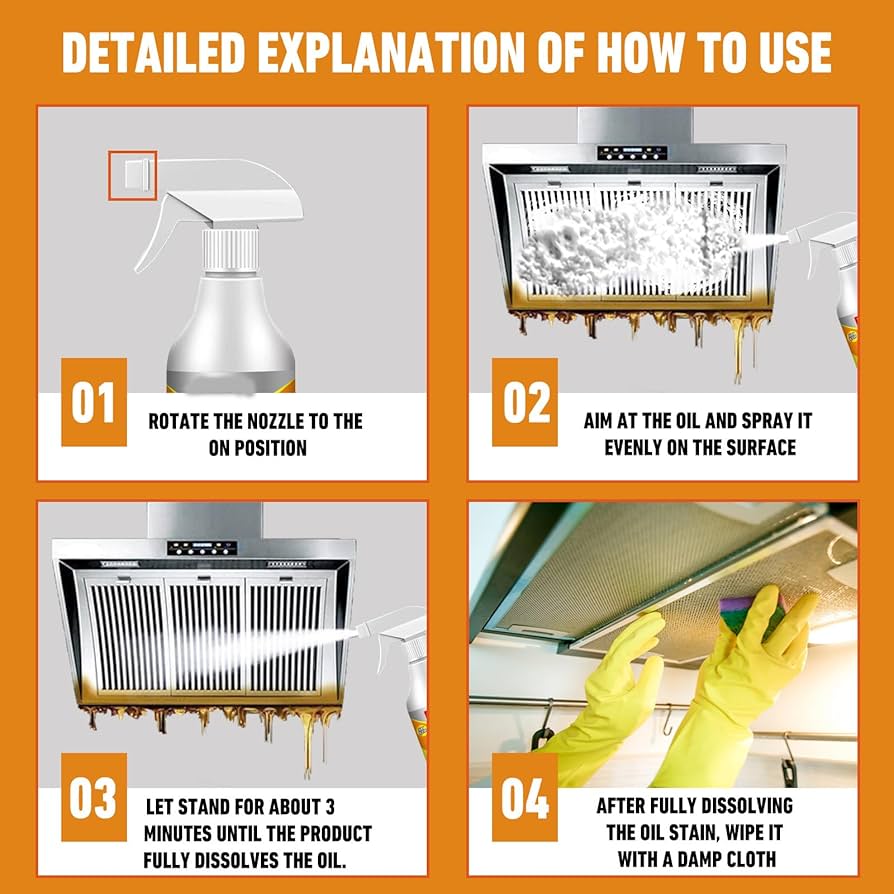
- Spray directly on the surface for even coverage.
- Use a soft cloth or sponge to spread the cleaner gently.
- Let the cleaner sit for a minute to work on dirt.
- Wipe in circular motions to lift grime effectively.
- Rinse with water if the product requires it.
Dealing With Tough Stains
Apply cleaner directly on the stain. Let it sit longer, about 5 to 10 minutes. Use a scrub brush or abrasive pad carefully. Repeat if the stain stays after the first try. Avoid harsh tools that can scratch surfaces.
Cleaning Different Surfaces
Spray kitchen cleaner directly on surfaces like counters, sinks, and stovetops. Wipe gently with a clean cloth to remove grease and dirt. Rinse if needed, especially on food contact areas, for a fresh and safe kitchen environment.
Cleaning different surfaces in your kitchen can seem daunting, but understanding the right approach makes it much easier. Each surface requires a specific method to ensure it stays clean without damage. Knowing how to tackle these tasks efficiently not only keeps your kitchen sparkling but also extends the life of your surfaces.
Counters And Cabinets
Counters and cabinets are the workhorses of your kitchen. To clean them effectively, start by removing all items to access the entire surface. Use a mild kitchen cleaner on a soft cloth to wipe away grease and grime. For stubborn stains, let the cleaner sit for a few minutes before wiping. Avoid abrasive scrubbers that might scratch the finish. Do you often find crumbs hiding in cabinet corners? A small hand-held vacuum can be your secret weapon here.
Appliances And Fixtures
Appliances and fixtures need regular attention to prevent build-up. Spray a gentle cleaner on a microfiber cloth for your fridge, oven, and microwave exteriors. This prevents streaks and keeps them shining. Do you forget about the handles? They often harbor bacteria, so make sure to give them a good wipe. For stainless steel surfaces, follow the grain to avoid unsightly marks. A touch of vinegar can help remove water spots and leave a brilliant shine.
Sinks And Faucets
Sinks and faucets are your kitchen's most used features. Start by rinsing them with hot water to loosen any debris. A baking soda paste works wonders for tackling tough stains and odors. Apply the paste, scrub gently, and rinse thoroughly. For your faucets, a toothbrush can reach those tricky spots where grime hides. Do mineral deposits bother you? A soak in vinegar can dissolve them, leaving your fixtures spotless and functional. By focusing on each surface with the right techniques, your kitchen can stay fresh and welcoming for every culinary adventure. Are you ready to transform your cleaning routine?
Rinsing And Drying
Rinsing and drying are key to using kitchen cleaner effectively. Proper rinsing removes any cleaner left behind. Drying prevents water spots and streaks. Together, they keep your kitchen surfaces clean and shiny.
Proper Rinsing Techniques
Rinse surfaces with clean, warm water after cleaning. Use a soft cloth or sponge to help remove residue. Avoid using too much water, as it can cause streaks. Rinse thoroughly, especially in corners and edges.
Avoiding Residue
Residue can make surfaces sticky or dull. To avoid this, wipe surfaces with a damp cloth after rinsing. Change water frequently during rinsing to keep it clean. Use a mild cleaner and follow instructions carefully.
Drying For A Streak-free Shine
Dry surfaces with a clean, dry microfiber cloth. Avoid air drying, which can leave spots. Pat surfaces gently rather than rubbing hard. This keeps the shine clear and streak-free. Finish by buffing lightly for a polished look.
Maintaining A Clean Kitchen
Keeping your kitchen clean is more than just a chore—it’s about creating a safe and inviting space where you can prepare meals with confidence. A clean kitchen helps prevent the spread of germs and keeps your appliances running smoothly. But how do you maintain that cleanliness without feeling overwhelmed?
Daily Cleaning Habits
Start by wiping down countertops and stove tops after each use. This small habit prevents buildup and makes deep cleaning easier later on.
Empty your sink and clean the faucet daily to avoid water spots and bacteria growth. Rinse sponges thoroughly and replace them regularly to keep germs at bay.
Do you notice crumbs on the floor after cooking? Sweeping or vacuuming daily stops pests before they become a problem.
Deep Cleaning Schedule
Set aside time weekly or biweekly for a thorough clean. This includes scrubbing the oven, cleaning inside the fridge, and disinfecting cabinet handles.
Don’t forget about areas like the backsplash and underneath appliances where grime often hides. A good scrub here can refresh your kitchen’s look instantly.
Have you ever found forgotten expired items in your fridge? Use deep cleaning sessions to check for and toss out old food, keeping your kitchen fresh and safe.
Storing Cleaners Safely
Keep your kitchen cleaners in a designated cabinet out of reach from children and pets. Safety starts with proper storage.
Label your cleaning supplies clearly and never mix different chemicals. Mixing can create dangerous fumes or reduce effectiveness.
Think about accessibility too—store frequently used cleaners where you can grab them quickly but away from food prep areas.
Eco-friendly Cleaning Tips
Using kitchen cleaner doesn't have to harm the environment. You can keep your kitchen spotless while also protecting the planet. Simple changes in how you clean can make a big difference in reducing your ecological footprint.
Natural Alternatives
Instead of reaching for harsh chemicals, try natural options like vinegar, baking soda, and lemon juice. These ingredients are effective at cutting grease and removing stains without releasing toxins. I switched to vinegar-based cleaner and noticed my kitchen smells fresher and my skin feels less irritated after cleaning.
Do you know that mixing baking soda with water creates a gentle abrasive paste perfect for scrubbing pots and pans? It works well and avoids the plastic packaging that many commercial cleaners come in. Why not experiment with these simple ingredients before buying the next bottle off the shelf?
Reducing Waste
Think about how much plastic waste your cleaning routine generates. Choosing refillable spray bottles or bulk buying concentrates can cut down on single-use containers. I keep a glass spray bottle that I refill with homemade cleaner and it lasts for months.
Using reusable cleaning cloths instead of disposable paper towels also helps reduce waste. Microfiber cloths are durable and washable, making them a smart long-term investment. Could swapping to reusable options save you money and reduce trash at the same time?
Sustainable Cleaning Practices
Timing your cleaning can save both water and energy. For instance, cleaning while washing dishes means you’re using hot water efficiently. You can also avoid overusing products—often a small amount of cleaner does the job just fine.
Consider using cold water whenever possible and air-drying surfaces instead of wiping them down with chemicals. These small steps keep your kitchen clean and your household habits sustainable. What’s one small change you can make today to clean smarter and greener?

Credit: pollie.in
Frequently Asked Questions
How Often Should I Use Kitchen Cleaner?
Use kitchen cleaner after every meal or at least twice a week. Regular cleaning prevents grease buildup and bacteria growth. Consistency ensures a hygienic and fresh kitchen environment.
Can Kitchen Cleaner Be Used On All Surfaces?
Most kitchen cleaners work on countertops, sinks, and appliances. Always check the label for surface compatibility. Avoid using on wood or unsealed stone to prevent damage.
Is Kitchen Cleaner Safe For Food Preparation Areas?
Yes, kitchen cleaners designed for food areas are safe when used properly. Rinse surfaces with water after cleaning to remove residue. This ensures a clean and safe space for food prep.
How Do I Remove Tough Grease With Kitchen Cleaner?
Apply kitchen cleaner directly on greasy spots. Let it sit for a few minutes to break down grease. Wipe with a damp cloth and repeat if needed for stubborn stains.
Conclusion
Using kitchen cleaner keeps your space fresh and safe. Clean surfaces stop germs from spreading. Always follow the instructions on the label. Wear gloves to protect your skin. Use the right amount for best results. Rinse well to avoid chemical residue.
Regular cleaning makes cooking easier and healthier. A clean kitchen feels welcoming every day. Try these tips to maintain a spotless kitchen. Simple steps lead to big changes in hygiene. Keep your kitchen cleaner routine easy and consistent.